
US and Iran Near Historic Peace Deal to End War and Reopen Strait of Hormuz
The United States and Iran are on the verge of signing the "Islamabad Memorandum of Understanding," a landmark agreement to end months of conflict. The deal would lift the U.S. naval blockade, reopen vital shipping lanes, and begin the dismantlement of Iran's nuclear program in exchange for phased sanctions relief.
By Factlen Editorial Team
- United States Administration
- Prioritizes verifiable nuclear dismantlement and performance-based economic relief.
- Iranian Leadership
- Seeks immediate economic relief and sovereignty guarantees while navigating domestic hardliners.
- Regional Mediators
- Focused on restoring economic stability, reopening trade routes, and preventing a wider regional war.
- Israeli Government
- Deeply skeptical of Iranian compliance and focused on dismantling proxy threats in the region.
What's not represented
- · Global shipping and logistics companies
- · Iranian civilian population
Why this matters
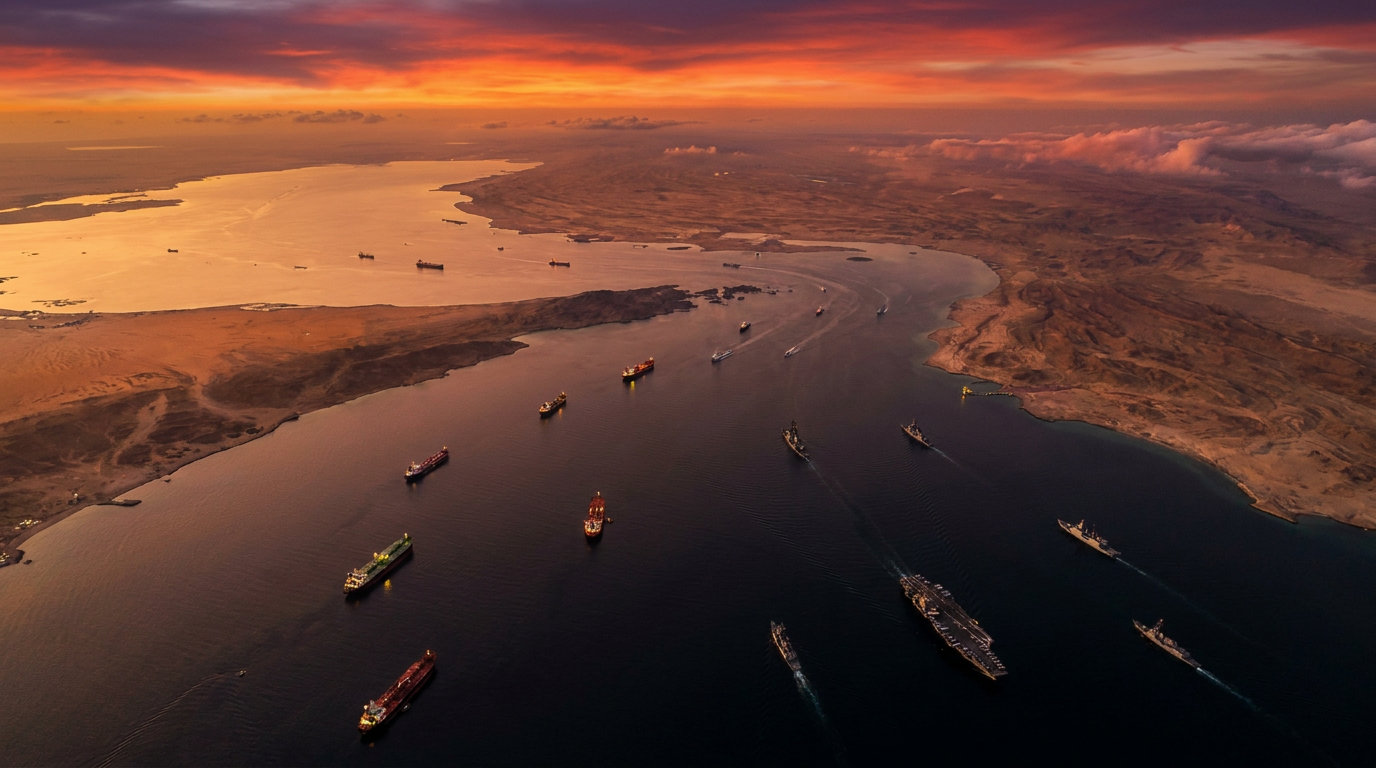
A finalized peace agreement would immediately lower global energy prices by reopening the Strait of Hormuz, which handles 20% of the world's oil. It would also avert a wider Middle Eastern war that threatened to draw in neighboring Gulf states and disrupt international shipping.
Key points
- Pakistan announced a 'final, agreed upon text' for a U.S.-Iran peace deal.
- The 'Islamabad Memorandum of Understanding' establishes a 60-day window for a permanent treaty.
- The agreement mandates reopening the Strait of Hormuz and lifting the U.S. naval blockade.
- Iran would dismantle its nuclear enrichment infrastructure in exchange for phased sanctions relief.
- Israel has distanced itself from the deal, insisting on its right to continue military operations.
After months of devastating conflict that choked global energy markets and brought the Middle East to the brink of a wider conflagration, the United States and Iran are on the verge of signing a landmark peace agreement. Pakistani Prime Minister Shehbaz Sharif, whose government has spearheaded mediation efforts, announced on Friday that a "final, agreed upon text" has been reached. The proposed framework, officially dubbed the "Islamabad Memorandum of Understanding," aims to formally end the hostilities that erupted in late February 2026 and establish a 60-day window to negotiate a permanent treaty.[3][5][6]
The diplomatic breakthrough follows a tense 48-hour period in which the fragile April ceasefire nearly collapsed. U.S. President Donald Trump had publicly threatened to launch severe military strikes against Iranian oil and gas infrastructure, specifically targeting Kharg Island, which handles the vast majority of Iran's oil exports. However, an urgent intervention by regional leaders—including Qatari Emir Tamim bin Hamad Al Thani, UAE President Mohamed bin Zayed Al Nahyan, and Pakistani defense chief Asim Munir—convinced the U.S. administration that a diplomatic resolution was imminent, prompting Trump to cancel the strikes.[4][9]
Iranian officials have echoed the optimism, albeit with characteristic caution. Foreign Minister Abbas Araghchi stated that an agreement has "never been closer," while urging the public to ignore media speculation about the specific terms until the document is finalized. A senior U.S. administration official confirmed that the two sides are "80 to 85 percent" of the way to a signed deal, noting that while most authoritative figures in Tehran support the framework, internal consensus remains a complex hurdle.[3][6]

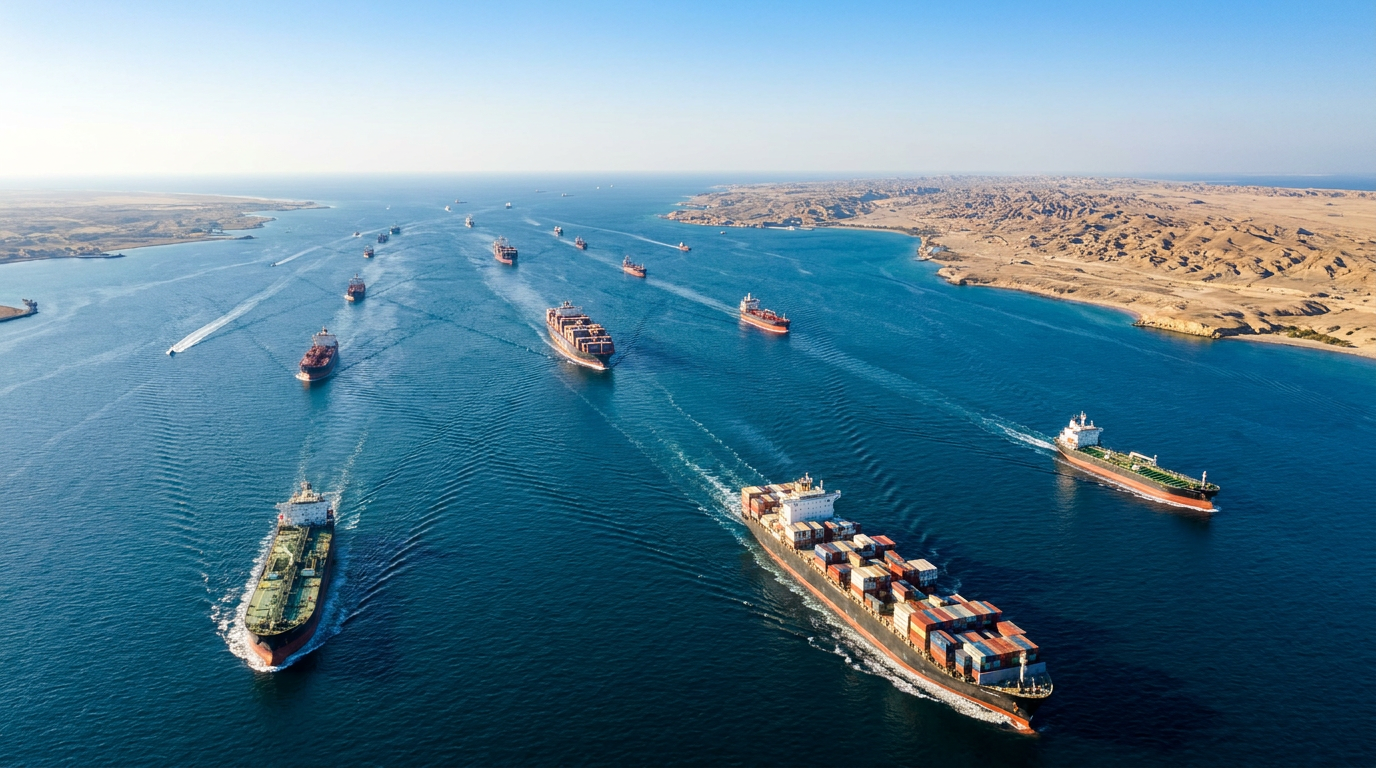
If finalized, the immediate global impact of the Islamabad Memorandum of Understanding would be the reopening of the Strait of Hormuz. The vital waterway, which typically accommodates roughly 20 percent of the world's oil supply, has been effectively paralyzed by Iranian restrictions and a corresponding U.S. naval blockade. U.S. Central Command reported that since the blockade began, 139 commercial ships have been redirected and nine non-compliant vessels disabled. The draft agreement mandates a return to pre-war shipping volumes within 30 days, offering immediate relief to surging global inflation and energy prices.[3][4][5][7]
The core mechanism of the deal relies on a phased, performance-based structure rather than immediate concessions. According to U.S. officials, Iran would not receive immediate access to its billions of dollars in frozen assets simply for signing the document. Instead, sanctions relief would be incrementally tied to Tehran's compliance with strict demilitarization and nuclear dismantlement protocols. U.S. Vice President J.D. Vance emphasized this point, stating that economic benefits will only flow if Iran meets its verifiable obligations.[3][6][7]
The core mechanism of the deal relies on a phased, performance-based structure rather than immediate concessions.
On the nuclear front, the memorandum outlines a comprehensive rollback of Iran's enrichment capabilities. The U.S. and its allies would oversee the removal or destruction of Tehran's highly enriched uranium stockpiles and the dismantling of its core enrichment infrastructure. In exchange, Iran would be gradually reintegrated into the global economy, with initial sanctions waivers allowing the country to resume limited oil sales during the 60-day negotiation period.[3][5][9]
Despite the diplomatic momentum, a fierce narrative battle is already underway regarding the exact terms of the agreement. Iranian state media outlets recently published a purported 14-point list of concessions that heavily favored Tehran, including claims of a $300 billion reconstruction fund provided by the U.S. and its allies. President Trump quickly dismissed these reports as inaccurate, stating that the leaked details have "nothing to do with the terms that were agreed to, in writing."[5][6][7]

The ambiguity surrounding the final text highlights the immense political stakes for both administrations. Trump, who is hosting the 2026 World Cup alongside Canada and Mexico this summer, is eager to project global stability and claim a historic diplomatic victory. Meanwhile, Iranian leadership desperately needs economic relief from crippling sanctions but must sell the agreement to ultraconservative factions at home who view any compromise with Washington as a capitulation.[7]
The most significant wildcard in the peace process remains Israel. Prime Minister Benjamin Netanyahu has sought to distance his government from the U.S.-Iran memorandum, expressing deep skepticism that Supreme Leader Ayatollah Mojtaba Khamenei will honor the nuclear commitments. Israeli Defense Minister Israel Katz warned that Israel retains the right to act independently against Iranian interests and will not withdraw its forces from Lebanon, Syria, or Gaza as part of the broader regional de-escalation.[7][8][9]
Israel's insistence on continuing its military campaign against Hezbollah in Lebanon directly complicates the negotiations. Iran has maintained that any comprehensive peace deal must include an end to the fighting between Israel and Iranian proxy militias. The U.S. administration is now tasked with threading the needle between securing the bilateral agreement with Tehran and managing the security demands of its closest Middle Eastern ally.[8][9]

The logistical execution of the memorandum is expected to unfold rapidly if the final political hurdles are cleared. Diplomatic sources indicate the signing ceremony will likely take place in Europe—with Geneva emerging as the probable venue—as early as this weekend. Vice President Vance is slated to represent the United States, potentially signing the document alongside Iranian Parliament Speaker Mohammad Baqer Qalibaf.[6][7]
As the world watches the final stages of these high-stakes negotiations, the role of regional mediators cannot be overstated. Pakistan's military and civilian leadership, alongside quiet but persistent diplomacy from Qatar and the UAE, managed to bridge a seemingly impassable divide. Whether the Islamabad Memorandum of Understanding can translate a fragile ceasefire into enduring regional stability will depend entirely on the rigorous, and likely contentious, 60-day negotiation period that follows its signing.[5][7][8]
How we got here
Feb 28, 2026
U.S. and Israel launch military operations, sparking the broader conflict.
April 7, 2026
A fragile ceasefire is implemented, though naval blockades remain.
June 11, 2026
President Trump cancels planned strikes on Iran after assurances from Gulf and Pakistani leaders.
June 12, 2026
Pakistan announces a final text for the Islamabad Memorandum of Understanding has been reached.
Viewpoints in depth
United States Administration
Prioritizing verifiable nuclear dismantlement and performance-based economic relief.
The U.S. views the agreement as a mechanism to permanently neutralize Iran's nuclear ambitions without a prolonged ground war. Officials emphasize that sanctions relief will be strictly phased and tied to concrete actions, ensuring Iran cannot access frozen funds simply for signing a document. The administration is keen to project global stability ahead of the 2026 World Cup, framing the deal as a major diplomatic victory that secures American interests while avoiding further military entanglement.
Iranian Leadership
Seeking immediate economic relief while navigating domestic hardliners.
Tehran's primary objective is the removal of crippling economic sanctions and the lifting of the U.S. naval blockade. While pragmatic factions recognize the necessity of the deal to stabilize the economy, they face intense pressure from ultraconservatives who demand guarantees of territorial sovereignty and resist dismantling the country's nuclear infrastructure. The leadership must balance the urgent need for reintegration into the global economy with the optics of conceding to Washington.
Regional Mediators
Focused on restoring economic stability and preventing a wider regional war.
Countries like Pakistan, Qatar, and the UAE view the conflict as an existential threat to regional trade and security. Their mediation efforts are driven by the urgent need to reopen the Strait of Hormuz, stabilize global energy markets, and prevent their own territories from being caught in the crossfire of U.S.-Iran strikes. These nations have leveraged their unique diplomatic channels to keep both sides at the negotiating table during moments of severe escalation.
Israeli Government
Deeply skeptical of Iranian compliance and focused on proxy threats.
Israel remains the most vocal critic of the emerging framework. Leadership in Jerusalem argues that any deal leaving Iran's proxy networks—particularly Hezbollah—intact is fundamentally flawed. Israel insists on maintaining its military freedom of action in Lebanon and Syria, regardless of the U.S.-Iran memorandum, viewing the dismantlement of Iranian influence on its borders as a non-negotiable security imperative.
What we don't know
- Whether Iran's Supreme Leader will formally approve the final text despite domestic hardliner opposition.
- How the agreement will address the ongoing conflict between Israel and Iranian proxy groups like Hezbollah.
- The exact timeline and verification mechanisms for the destruction of Iran's highly enriched uranium.
Key terms
- Islamabad Memorandum of Understanding
- The working title for the draft 60-day interim peace agreement between the U.S. and Iran, brokered heavily by Pakistan.
- Strait of Hormuz
- A crucial shipping chokepoint between the Persian Gulf and the Gulf of Oman, handling roughly 20% of global oil.
- Kharg Island
- An Iranian island in the Persian Gulf that hosts the country's primary oil export facilities.
Frequently asked
Does this mean the war is completely over?
Not yet. The memorandum is an interim 60-day agreement designed to halt hostilities and reopen shipping lanes while a permanent treaty is negotiated.
Will Iran get its frozen money back immediately?
No. U.S. officials state the deal is performance-based, meaning funds will only be released as Iran verifiably dismantles its nuclear program.
How does this affect Israel?
Israel is not a party to the agreement and has stated it will continue its military operations against Iranian proxies like Hezbollah in Lebanon and Syria.
Sources
Source coverage
9 outlets
4 viewpoints surfaced









[1]Al JazeeraRegional Mediators
Can Pakistan push the US-Iran deal over the finish line?
Read on Al Jazeera →[2]The New York TimesRegional Mediators
As Speculation Swirls About the Emerging Iran Deal, Here’s What We Know
Read on The New York Times →[3]The Washington PostUnited States Administration
Official says emerging deal would reopen strait, remove nuclear material
Read on The Washington Post →[4]The GuardianIsraeli Government
Trump claims Iran deal reached as Gulf leaders race to stop strikes
Read on The Guardian →[5]CBS NewsRegional Mediators
Pakistan prime minister says 'final, agreed upon text' of peace deal has been reached
Read on CBS News →[6]South China Morning PostIranian Leadership
Iran says peace deal with US 'never been closer', as Pakistan says final text agreed on
Read on South China Morning Post →[7]Financial TimesUnited States Administration
US-Iran peace deal text agreed, says Pakistan's PM
Read on Financial Times →[8]Los Angeles TimesIsraeli Government
U.S., Iran nearing landmark agreement to end war, officials say
Read on Los Angeles Times →[9]The Jerusalem PostIsraeli Government
South Asian, Gulf leaders raced to stop Trump striking Iran, presented him with deal
Read on The Jerusalem Post →

Every angle. Every day.
Get news politics stories with full source coverage and perspective breakdowns delivered to your inbox.