
US and Iran Near Ceasefire Deal as Trump Cancels Strikes; Oil Prices Tumble
President Donald Trump announced a breakthrough in negotiations with Iran, calling off planned military strikes and sending global oil prices down 4.5%. The tentative agreement aims to reopen the Strait of Hormuz and stabilize a global economy battered by the conflict.
By Factlen Editorial Team
- Global Markets & Institutions
- Views the conflict strictly through the lens of economic stability, energy prices, and the prevention of a global recession.
- US & Allied Security
- Prioritizes reopening the Strait of Hormuz, halting Iranian aggression, and maintaining strict verification on nuclear ambitions.
- Iranian State Interests
- Focuses on securing the release of frozen assets, lifting economic sanctions, and projecting strength in regional proxy conflicts.
What's not represented
- · Lebanese civilians affected by the regional hostilities
- · Commercial shipping companies navigating the blockade
Why this matters
The closure of the Strait of Hormuz has strangled global energy supplies and driven up inflation worldwide. A finalized ceasefire would immediately lower fuel costs and remove a major headwind threatening to push the global economy into stagnation.
Key points
- President Trump canceled a scheduled third round of military strikes against Iran.
- The two nations are finalizing a memorandum of understanding to extend a fragile ceasefire.
- Global equities surged and Brent crude oil fell 4.5% on expectations the Strait of Hormuz will reopen.
- The World Bank recently downgraded 2026 global growth to 2.5% due to the conflict's economic toll.
- U.S. and Iranian officials continue to publicly dispute the specific terms of sanctions relief.
A fragile global economy received a sudden reprieve on Friday as U.S. President Donald Trump announced a breakthrough in negotiations with Iran, abruptly canceling a scheduled third round of military strikes. The tentative agreement, structured as a memorandum of understanding, aims to halt the escalating conflict and reopen the Strait of Hormuz. Trump stated that the deal was approved 'both in concept and great detail' by multiple regional players, signaling a potential end to months of hostilities that have rattled international markets and disrupted global supply chains.[1][2]
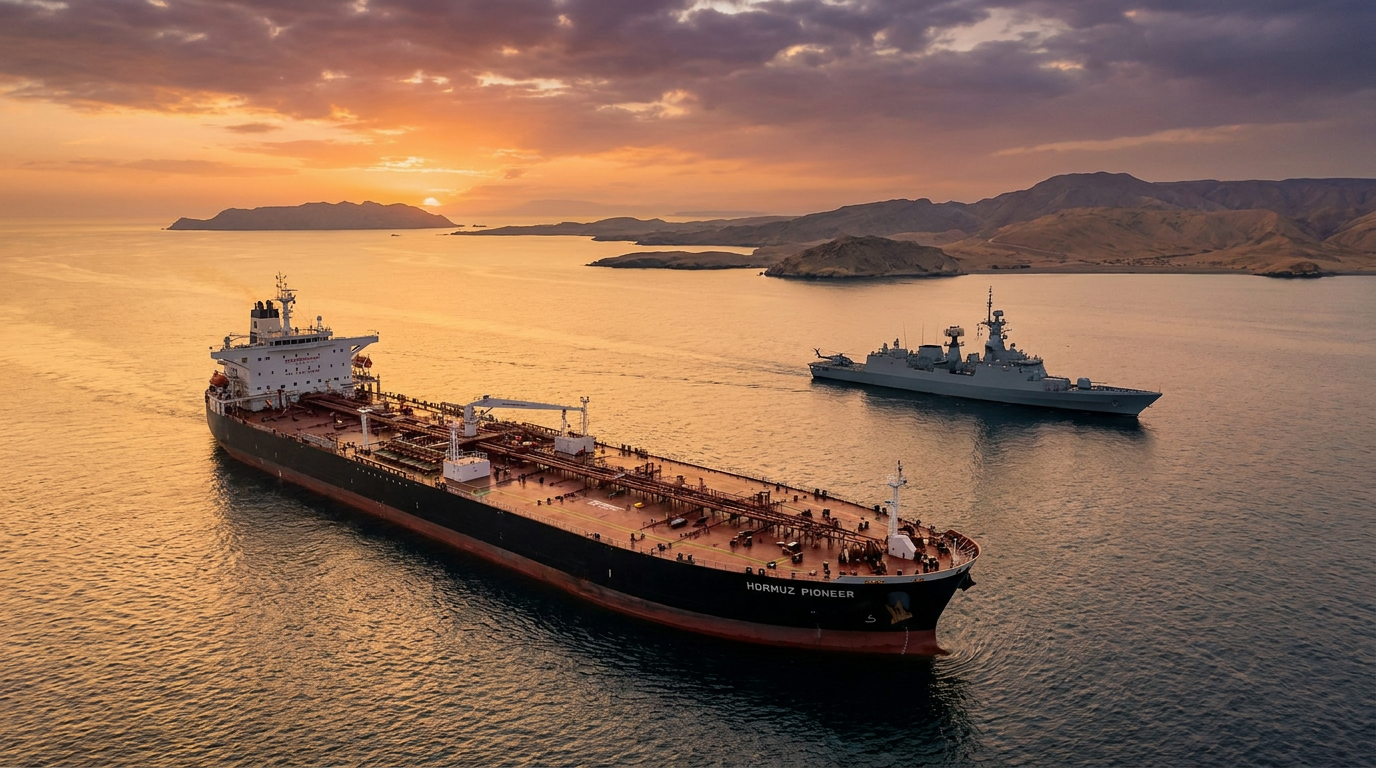
The immediate financial reaction to the diplomatic pivot was swift and decisive. Global equities surged to their best performance in over two months, while Brent crude oil—the international benchmark—tumbled 4.5% to $86.31 per barrel. The sharp drop in energy prices reflects widespread market relief that the Strait of Hormuz, a critical maritime chokepoint responsible for a significant fraction of the world's oil transit, may soon resume normal operations after being largely blockaded since the spring. Investors had been bracing for a prolonged energy shock.[1][5]
The diplomatic breakthrough arrives at a critical juncture for the global economy, which has been severely battered by the ongoing tensions. Just a day prior, the World Bank issued a stark warning, downgrading its 2026 global growth forecast to a post-pandemic low of 2.5%. The institution explicitly cited the Middle East conflict, higher energy prices, and increased borrowing costs as the primary drivers of the slowdown, warning that prolonged energy disruptions could push global growth as low as 1.3% if the blockade continued.[3]

While the broad strokes of a ceasefire appear agreed upon, the specific terms remain a subject of fierce public dispute between Washington and Tehran. Iranian state media reported that the draft agreement includes the initial unfreezing of $12 billion in Iranian assets, the lifting of sanctions on Iranian oil and petrochemical products, and a commitment to end fighting in Lebanon. According to these reports, the deal would ultimately grant Iran access to $24 billion in frozen funds in exchange for halting its military posturing.[4][6]
While the broad strokes of a ceasefire appear agreed upon, the specific terms remain a subject of fierce public dispute between Washington and Tehran.
President Trump quickly pushed back against these claims, taking to Truth Social to assert that the terms leaked by Iranian officials 'have nothing to do with the terms that were agreed to, in writing.' Trump characterized the Iranian statements as bad-faith negotiating tactics, emphasizing that the U.S. primary objective remains preventing Iran from developing a nuclear weapon and securing the reopening of international shipping lanes without conceding massive, unconditional financial windfalls to the Iranian government. He warned that the U.S. retains the military capacity to enforce its red lines.[2][4]
Despite the public friction over the details, diplomatic momentum is accelerating behind the scenes. The agreement reportedly involves extensive coordination with key regional stakeholders, including Israel, Saudi Arabia, the United Arab Emirates, and Qatar. This multilateral approach underscores the widespread regional desire to de-escalate a conflict that has threatened to engulf the broader Middle East. Neighboring nations have grown increasingly alarmed by the economic and security fallout, pushing both sides to find a face-saving off-ramp before the violence triggers a wider, uncontrollable regional war.[2]

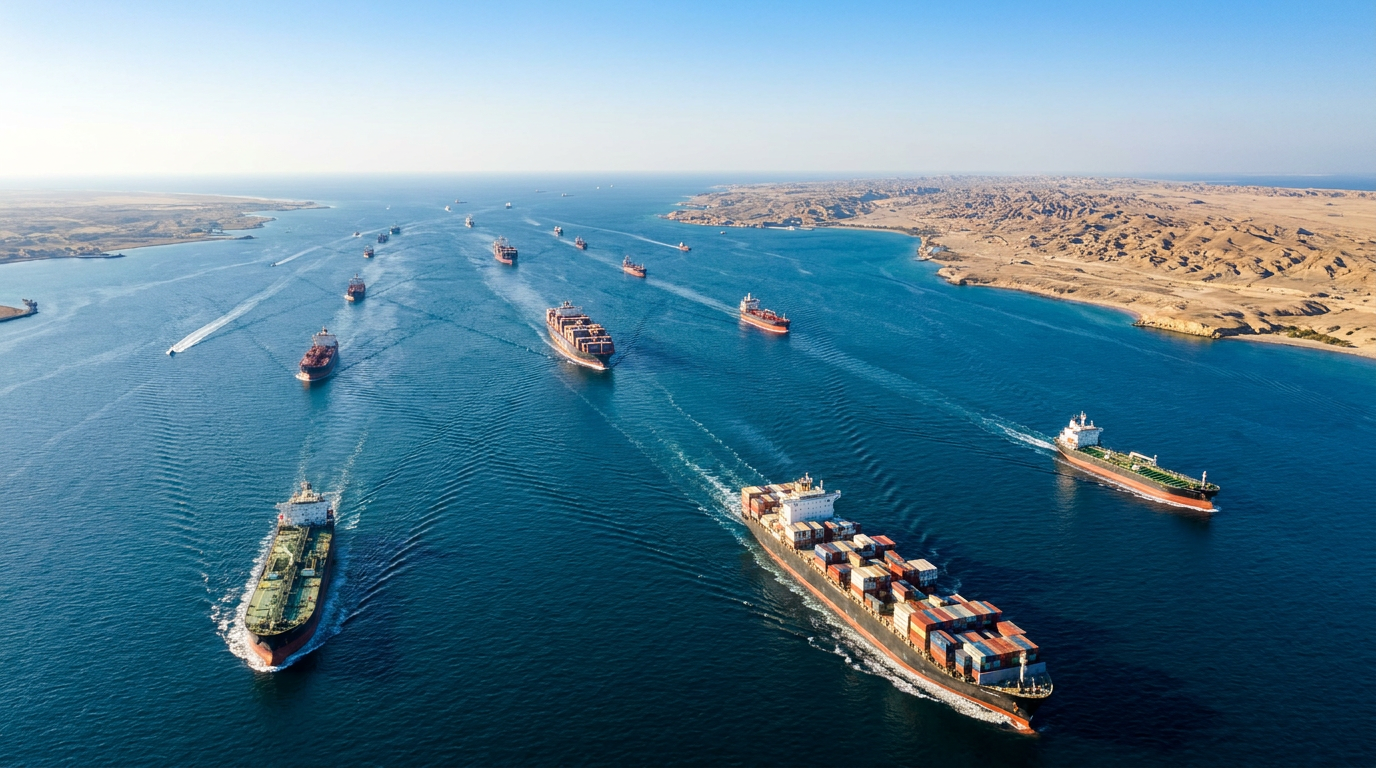
The recent hostilities had severely tested a fragile ceasefire established in April, pushing the region to the brink. Earlier in the week, a wave of renewed missile exchanges and drone strikes forced the two nations into a dangerous standoff. The blockade of the Strait of Hormuz had already resulted in the deaths of Indian seafarers and forced international shipping companies to reroute vessels around the Cape of Good Hope, adding immense logistical costs and delays to global trade networks.[5][6]
The focus now shifts to the formalization and implementation of the agreement. U.S. officials indicated that the memorandum of understanding could be signed as early as this weekend in Europe, with Vice President JD Vance expected to attend the proceedings. The timing aligns with the upcoming Group of Seven (G7) summit, where global leaders are eager to present a unified front on economic recovery and regional stability, hoping to use the ceasefire as a foundation for broader diplomatic engagement.[2][4]
If successfully implemented, the ceasefire will mark a significant geopolitical pivot, transitioning the U.S.-Iran relationship from active military confrontation back to complex diplomatic maneuvering. However, with nuclear discussions reportedly postponed to a later date and the exact sequence of sanctions relief still hotly contested, the durability of this new truce will face immediate and intense scrutiny. Both domestic hardliners in Washington and conservative factions in Tehran will be watching closely to ensure their respective red lines have not been crossed.[4][6]
How we got here
April 2026
A fragile ceasefire is established between the U.S. and Iran following initial hostilities.
Early June 2026
Tensions flare as the ceasefire cracks, leading to renewed missile exchanges and U.S. threats of a third round of strikes.
June 11, 2026
The World Bank downgrades global economic growth to 2.5%, citing the severe impact of the Middle East conflict.
June 12, 2026
President Trump cancels planned military strikes and announces a breakthrough in ceasefire negotiations.
Viewpoints in depth
US & Allied Security
Prioritizes reopening the Strait of Hormuz and halting Iranian aggression.
For the United States and its regional allies, including Israel and Saudi Arabia, the primary objective of the ceasefire is to restore freedom of navigation in the Strait of Hormuz and prevent the conflict from spiraling into a broader regional war. U.S. officials emphasize that any agreement must include strict mechanisms to prevent Iran from advancing its nuclear program. By canceling the planned military strikes, the administration aims to secure these strategic goals through diplomacy rather than kinetic action, though they remain highly skeptical of Iranian compliance and have publicly disputed Tehran's claims regarding the extent of sanctions relief.
Iranian State Interests
Focuses on securing the release of frozen assets and lifting economic sanctions.
From Tehran's perspective, the negotiations are a critical lever to alleviate crippling economic pressure. Iranian state media has aggressively framed the tentative deal as a diplomatic victory that will unfreeze $12 billion in initial assets and eventually lift sanctions on its vital oil and petrochemical sectors. Furthermore, Iranian officials view the cessation of hostilities in Lebanon as a necessary condition to protect their regional proxy networks. They maintain that their military posture over the past months successfully forced the U.S. to the negotiating table on more favorable terms.
Global Markets & Institutions
Views the conflict strictly through the lens of economic stability and energy prices.
International financial institutions and global markets are largely agnostic to the political posturing, focusing instead on the severe economic toll of the conflict. The World Bank's recent downgrade of global growth to 2.5% underscores the fragility of the post-pandemic recovery, which is highly vulnerable to energy shocks. For this camp, the reopening of the Strait of Hormuz is the single most critical outcome of the deal, as the resumption of normal oil and gas transit is essential to cooling global inflation and preventing a widespread economic downturn.
What we don't know
- The exact timeline for the reopening of the Strait of Hormuz to commercial shipping.
- Whether the final written agreement includes the $12 billion in unfrozen assets claimed by Iranian state media.
- How the ceasefire will impact ongoing proxy conflicts in Lebanon and other parts of the Middle East.
Key terms
- Strait of Hormuz
- A narrow waterway between the Persian Gulf and the Gulf of Oman, through which a significant portion of the world's petroleum passes.
- Memorandum of Understanding (MOU)
- A formal agreement between two or more parties that is not legally binding but signals a willingness to move forward with a contract.
- Brent Crude
- A major trading classification of sweet light crude oil that serves as a benchmark price for purchases of oil worldwide.
Frequently asked
Is the war between the U.S. and Iran officially over?
Not yet. The two sides are finalizing a memorandum of understanding to extend a ceasefire, but a formal peace treaty has not been signed.
Why did global oil prices drop so suddenly?
Markets expect the diplomatic agreement to reopen the Strait of Hormuz, a critical maritime chokepoint for global oil and gas transit.
What does Iran get out of the deal?
Iranian state media claims the agreement includes the unfreezing of $12 billion in assets and the lifting of certain sanctions, though U.S. officials have disputed some of these terms.
Sources
Source coverage
6 outlets
3 viewpoints surfaced






[1]Associated PressGlobal Markets & Institutions
World shares surge and oil prices slip over 4% after Trump claims a breakthrough in Iran war talks
Read on Associated Press →[2]The Jerusalem PostUS & Allied Security
Trump cancels Iran strikes, announces deal
Read on The Jerusalem Post →[3]World BankGlobal Markets & Institutions
Global Economic Prospects: Middle East Conflict Slows Global Growth to 2.5%
Read on World Bank →[4]Modern DiplomacyIranian State Interests
Trump Claims Iran Deal Near, But Disputes Leaked Terms
Read on Modern Diplomacy →[5]WORLD News GroupUS & Allied Security
Trump says Iran deal is close, cuts off strikes
Read on WORLD News Group →[6]Al JazeeraIranian State Interests
Trump claims US and Iran edge closer to ceasefire agreement
Read on Al Jazeera →

Every angle. Every day.
Get news politics stories with full source coverage and perspective breakdowns delivered to your inbox.