
U.S. Waives Environmental Laws to Expedite Border Wall in Big Bend National Park
The Trump administration has bypassed dozens of environmental and historical preservation laws to accelerate border wall construction through Texas's Big Bend National Park, sparking immediate legal challenges.
By Factlen Editorial Team
- National Security Advocates
- Argues that cartels exploit remote areas and that temporary environmental disruption is a necessary trade-off for border integrity.
- Environmental Conservationists
- Views the waivers as an abuse of power that will cause irreversible ecological damage to a pristine wilderness.
- Federal Regulators & Courts
- Focuses on the legal mechanics of the 1996 waiver authority and the ensuing judicial battles over executive overreach.
What's not represented
- · Indigenous groups with ancestral ties to the Big Bend region
- · Mexican environmental authorities managing the adjacent protected areas across the river
Why this matters
This decision pits national security priorities directly against environmental conservation in one of America's largest protected wilderness areas. The outcome will set a legal precedent for how the federal government balances border enforcement with the protection of national parks and endangered habitats.
Key points
- The Trump administration waived dozens of environmental laws to speed up border wall construction in Big Bend National Park.
- The waivers bypass the Clean Water Act, Endangered Species Act, and NEPA.
- Construction is funded by a $46.5 billion border infrastructure package passed last year.
- Homeland Security argues the remote park is a blind spot exploited by cartels and smugglers.
- Conservationists warn the wall will sever wildlife corridors and block animal access to the Rio Grande.
- Environmental groups have filed federal lawsuits seeking an emergency injunction to halt construction.
The Trump administration has invoked executive authority to waive dozens of environmental and historical preservation laws, clearing the way for expedited border wall construction through Big Bend National Park in Texas. The move bypasses standard environmental impact reviews, prioritizing rapid infrastructure development along a rugged and historically protected stretch of the U.S.-Mexico border.[1][3]
The waivers, published officially in the Federal Register, utilize a provision from the 1996 Illegal Immigration Reform and Immigrant Responsibility Act. This specific legal mechanism allows the Department of Homeland Security to bypass foundational regulations—including the Clean Water Act, the Endangered Species Act, and the National Environmental Policy Act—to build physical border barriers without enduring years of environmental litigation and study.[3][5]
The accelerated construction timeline is fueled by a $46.5 billion border infrastructure package passed by Congress last year. The administration argues that these funds must be deployed swiftly to address critical national security vulnerabilities, pointing to the vast, unpatrolled expanses of Big Bend as a potential blind spot for illicit crossings as other sectors become more fortified.[1][2]

Proponents of the waivers argue that drug cartels and human smuggling operations have increasingly exploited the remote, rugged terrain of Big Bend as enforcement tightens in urban sectors like El Paso and the Rio Grande Valley. Homeland Security officials assert that physical barriers, coupled with advanced surveillance technology, are strictly necessary to secure the 118 miles of international boundary that the park shares with Mexico.[2][6]
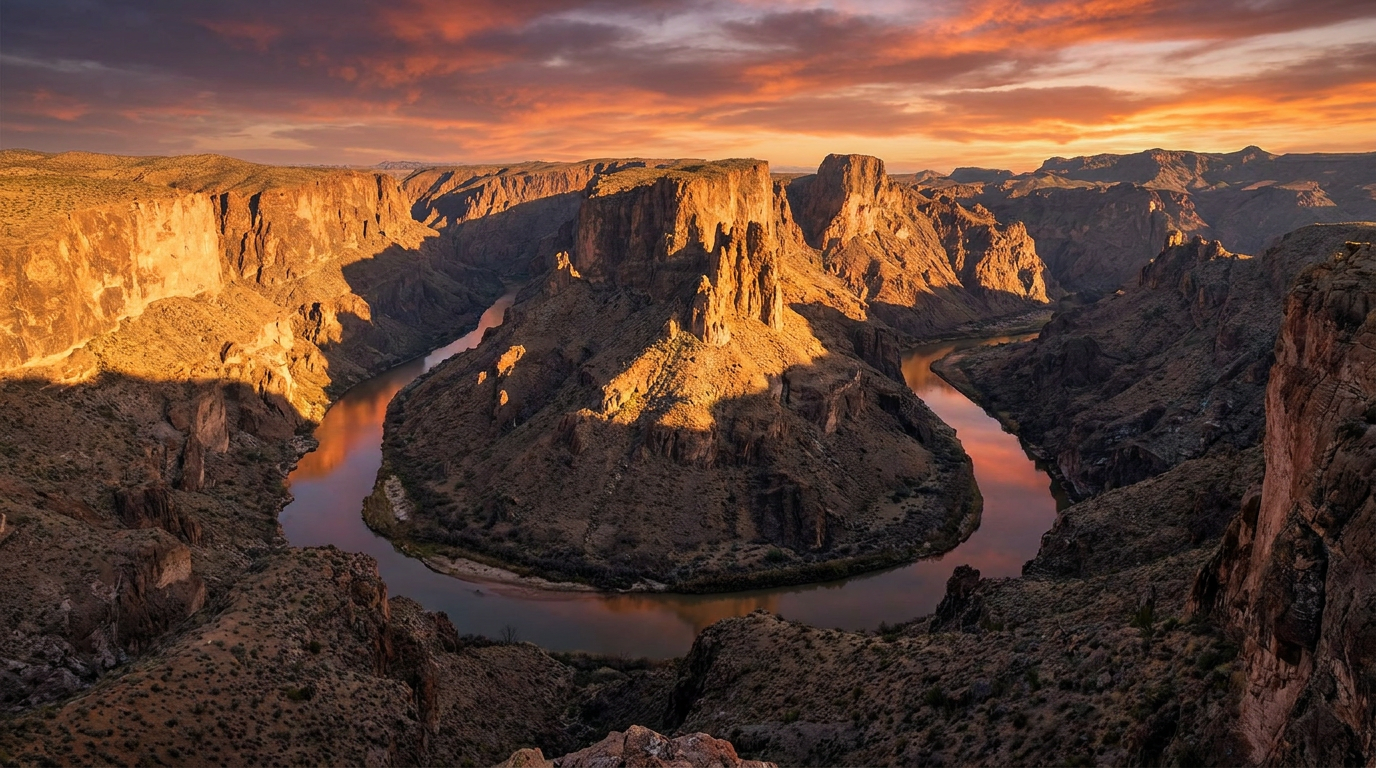
Conversely, environmental organizations and local conservationists have condemned the decision, describing it as a catastrophic blow to a pristine wilderness area. Big Bend is renowned for its unique biodiversity, serving as a critical habitat for black bears, mountain lions, and dozens of endangered species whose migration patterns depend on unimpeded access to the Rio Grande.[1][4]
Conversely, environmental organizations and local conservationists have condemned the decision, describing it as a catastrophic blow to a pristine wilderness area.
Critics warn that the construction process itself—which will involve heavy machinery, the grading of access roads, and blasting through canyon walls—will cause irreversible damage to the fragile desert ecosystem. Furthermore, biologists note that a continuous physical wall would sever vital wildlife corridors, effectively isolating animal populations and cutting off their access to the river, which serves as the primary water source in the arid region.[1][7]

In immediate response to the waivers, a coalition of environmental groups has filed lawsuits in federal court, seeking an emergency injunction to halt any pre-construction activities. The plaintiffs argue that the administration's sweeping use of the 1996 waiver authority is unconstitutional and oversteps the executive branch's power by unilaterally dismissing environmental protections passed by Congress.[4][7]
This is not the first time the federal government has waived environmental laws for border security, but the scale and specific location make this instance particularly contentious. Previous administrations have utilized similar waivers in California and other parts of Texas, but applying them to a major, iconic national park like Big Bend elevates the stakes, drawing intense national attention to the trade-offs between border enforcement and conservation.[3][5]

The local economy in the Big Bend region, which relies heavily on eco-tourism, is also bracing for the impact. Business owners and local officials have expressed deep concern that the presence of a towering border wall and the noise of heavy construction will deter visitors, fundamentally altering the character of a park celebrated for its remote, untouched vistas.[4]
As the legal battles unfold, the Department of Homeland Security is moving forward with surveying and logistical planning. The federal courts will now have to decide whether the executive branch's mandate to secure the border supersedes the foundational environmental protections that have governed America's federal lands for over half a century.[3][7]
How we got here
1996
Congress passes the Illegal Immigration Reform and Immigrant Responsibility Act, granting the executive branch waiver authority for border barriers.
2025
Congress approves a $46.5 billion border infrastructure funding package.
June 2026
The Department of Homeland Security publishes waivers in the Federal Register for Big Bend National Park.
June 2026
A coalition of environmental groups files federal lawsuits seeking an emergency injunction to halt construction.
Viewpoints in depth
National Security Advocates
Prioritizing border integrity and closing enforcement gaps in remote areas.
This camp argues that cartels and human smugglers deliberately exploit remote areas like Big Bend when urban borders are secured. They maintain that the 1996 waiver authority was explicitly designed for this exact scenario—to prevent bureaucratic delays and environmental litigation from hindering critical national security infrastructure. From this perspective, the temporary environmental disruption caused by construction is a necessary trade-off for long-term border integrity and national safety.
Environmental Conservationists
Protecting biodiversity and preserving federal wilderness from irreversible damage.
Conservationists view the waivers as a gross abuse of executive power that will cause irreversible ecological damage. They emphasize that Big Bend is a fragile, interconnected ecosystem where a physical barrier will sever wildlife corridors and cut off access to the Rio Grande, the region's primary water source. They argue that border security in such remote areas can be achieved through non-invasive technology and personnel rather than destructive physical walls.
Local Border Communities
Balancing the need for regional safety with the economic reliance on eco-tourism.
Residents and business owners in the Big Bend region are primarily concerned with the economic and cultural impact of the project. While some welcome increased security measures, many fear that heavy construction, blasting, and a towering wall will destroy the pristine vistas that draw tourists. They worry this will fundamentally damage the local economy, which relies heavily on the park's natural appeal and remote tranquility.
What we don't know
- Whether federal courts will grant an emergency injunction to halt pre-construction activities.
- The exact timeline for when heavy machinery will break ground inside the national park.
- How the physical barrier will specifically affect the migration patterns of the endangered Mexican black bear.
Key terms
- Environmental Waiver
- A legal mechanism allowing the government to bypass standard environmental review processes to expedite specific projects, often for national security.
- National Environmental Policy Act (NEPA)
- A foundational U.S. law requiring federal agencies to assess the environmental effects of their proposed actions prior to making decisions.
- Wildlife Corridor
- An area of habitat connecting wildlife populations separated by human activities or structures, crucial for migration and genetic diversity.
Frequently asked
Why is the government waiving these laws?
To speed up border wall construction by bypassing lengthy environmental impact studies and regulatory reviews that can take years to complete.
What specific laws are being waived?
The Department of Homeland Security is bypassing over 30 federal laws, including the Clean Water Act, the Endangered Species Act, and the National Environmental Policy Act.
Can the waivers be stopped in court?
Environmental groups are suing to block the waivers, but federal courts have historically upheld the executive branch's authority to use them for border security under a 1996 law.
Sources
Source coverage
7 outlets
3 viewpoints surfaced







[1]The GuardianEnvironmental Conservationists
‘It’s massive destruction’: outcry in Texas over waivers to allow border wall in Big Bend national park
Read on The Guardian →[2]Fox NewsNational Security Advocates
DHS waives environmental reviews to expedite border wall construction in Texas sector
Read on Fox News →[3]ReutersFederal Regulators & Courts
U.S. waives environmental laws to speed border wall in Big Bend National Park
Read on Reuters →[4]Texas TribuneEnvironmental Conservationists
Federal government bypasses environmental laws for border wall in Big Bend
Read on Texas Tribune →[5]Federal RegisterFederal Regulators & Courts
Determination Pursuant to Section 102 of the Illegal Immigration Reform and Immigrant Responsibility Act of 1996
Read on Federal Register →[6]Washington ExaminerNational Security Advocates
Administration fast-tracks border wall in Texas to combat cartel smuggling routes
Read on Washington Examiner →[7]AP NewsEnvironmental Conservationists
Environmental groups sue over border wall waivers in Big Bend
Read on AP News →


Every angle. Every day.
Get news politics stories with full source coverage and perspective breakdowns delivered to your inbox.