
U.S. Senate Advances Bill Threatening 100% Tariffs on India and China Over Russian Oil
A bipartisan coalition of more than 60 senators has introduced legislation to impose tariffs of up to 100% on the top five countries purchasing Russian energy, marking a major escalation in secondary sanctions.

Share this story
A bipartisan coalition of more than 60 U.S. senators has introduced sweeping legislation that would impose tariffs of up to 100 percent on imports from countries that continue to purchase large volumes of Russian oil and natural gas.
The legislation, formally titled the Lindsey O. Graham Sanctioning Russia Act of 2026, represents a significant escalation in Washington’s economic campaign against Moscow. Named in honor of the late Republican senator who championed the measure before his death earlier this month, the bill aims to choke off the energy revenues funding Russia's ongoing war in Ukraine.[2]
If enacted, the measure would mark the first time the U.S. Congress has explicitly authorized the use of trade tariffs as a geopolitical weapon to penalize third-party nations accused of indirectly financing another country's war effort.[1]
The bill specifically targets the world’s five largest purchasers of Russian crude oil and natural gas, as well as the top five facilitators of sanctions evasion. Democratic Senator Richard Blumenthal, who co-authored the legislation, identified China, India, Slovakia, Hungary, and Azerbaijan as the five nations currently expected to face the punitive duties.[2]
Under the proposed framework, the U.S. Trade Representative (USTR)—the federal agency responsible for developing and coordinating international trade policy—would be granted the authority to levy tariffs of up to 100 percent on all imports from these targeted nations.
The USTR would be required to reassess global purchasing patterns every 180 days, adjusting the list of penalized countries and the corresponding tariff rates based on their shifting reliance on Russian energy.
The current draft is a significantly scaled-back version of a much harsher proposal introduced in April 2025. That initial bill sought to impose blanket 500 percent tariffs on more than 60 countries, a sweeping net that would have ensnared numerous U.S. allies and faced steep resistance on Capitol Hill.
To secure the 60 votes necessary to overcome a Senate filibuster, lawmakers spent months negotiating a compromise with the Trump administration. The revised legislation lowers the maximum tariff rate to 100 percent, narrows the scope to only the top five buyers, and grants the White House the authority to issue waivers if deemed necessary for U.S. national security.[1]
While the bill takes a hard line on major Asian economies, it includes substantial carve-outs designed to shield European allies. Countries whose Russian natural gas imports account for less than 15 percent of Russia’s total gas exports are exempt from the tariffs, provided they can demonstrate they are taking significant steps to reduce their dependence on Moscow.
The legislation also features notable exemptions for the United States itself. American purchases of low-enriched Russian uranium, which is critical for U.S. nuclear reactors and the production of medical isotopes, are explicitly excluded from the sanctions.
Furthermore, ongoing cooperation between Washington and Moscow in the space and nuclear sectors remains protected under the bill's provisions, a detail that has drawn scrutiny from nations facing the brunt of the proposed tariffs.
For India, the legislation arrives at a highly sensitive diplomatic juncture. Since the outbreak of the Ukraine conflict, New Delhi has emerged as one of the largest buyers of discounted Russian crude, defending the purchases as a sovereign necessity to ensure domestic energy security and keep global oil prices stable.
In June 2026, following the expiration of a U.S. general license that previously allowed such purchases without the threat of sanctions, India’s imports of Russian crude surged by 34 percent month-over-month to reach record highs.
The prospect of 100 percent tariffs on Indian exports to the United States threatens to inject severe volatility into the broader U.S.-India trade relationship, even as the two nations continue to deepen their strategic and defense ties in the Indo-Pacific region.
Beyond the targeted tariffs, the bill functions as a comprehensive sanctions package. It mandates full blocking sanctions on wide swaths of the Russian economy, targeting its domestic energy industry, financial institutions, and defense industrial base.[1][2]
The legislation also takes direct aim at Russia's leadership and elite class, proposing asset freezes and travel bans on Russian oligarchs, prominent business figures, and President Vladimir Putin himself.[1][2]
Supporters of the bill argue that secondary sanctions—penalties imposed on third parties that do business with a sanctioned entity—are the only remaining mechanism to meaningfully degrade Russia's war machine, given that direct sanctions have largely been circumvented through alternative markets in Asia.
The legislation has garnered the endorsement of President Donald Trump, significantly boosting its chances of passage. It must now clear both the Senate and the House of Representatives before it can be signed into law, a process supporters hope to conclude before the August congressional recess.
What we don’t know
- Whether the targeted nations will implement retaliatory tariffs on U.S. goods if the bill is passed.
- How the U.S. Trade Representative will handle countries that marginally cross the top-five purchasing threshold.
- If the legislation will successfully pass the House of Representatives before the August congressional recess.
- Bipartisan U.S. Lawmakers
- Argue that secondary tariffs are necessary to close loopholes and cut off the capital funding Russia's military.
- Targeted Asian Economies
- Maintain that domestic energy security is a sovereign priority and criticize the exemptions granted to U.S. and European imports.
- Global Trade Analysts
- Warn that weaponizing tariffs against major economies risks fracturing global supply chains and triggering retaliatory trade wars.
Sources
Source coverage
2 outlets
3 viewpoints surfaced


- [1]Business TodayBipartisan U.S. Lawmakers
US Senate bill proposes 100% tariffs on India over Russian oil
Read on Business Today → - [2]Outlook IndiaBipartisan U.S. Lawmakers
US Senators Propose Up to 100% Tariffs on India and Four Other Nations Buying Russian Oil
Read on Outlook India →

More in News & Politics
See all →Cuba Policy
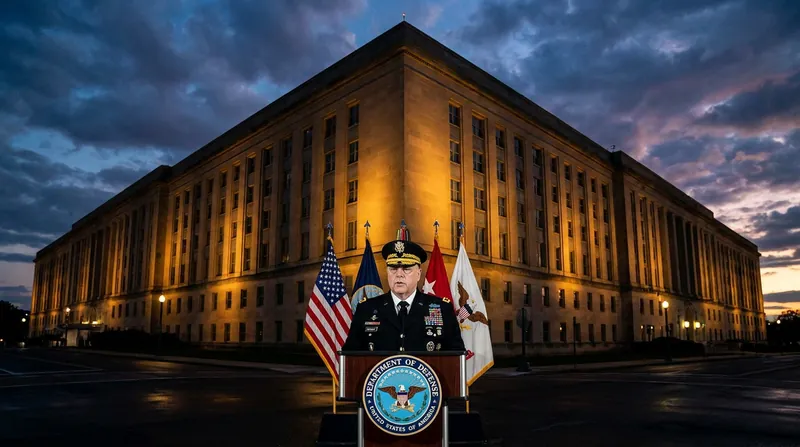
US Military Prepares Contingency Plans for Cuba Following Raúl Castro Indictment
7 sources
Peninsula Security
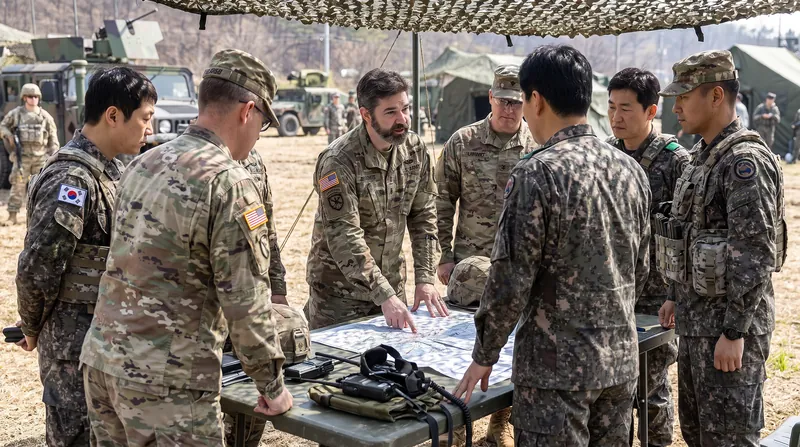
North Korea Fires Ballistic Missile Ahead of US-South Korea Joint Military Drills
6 sources
Maritime Law
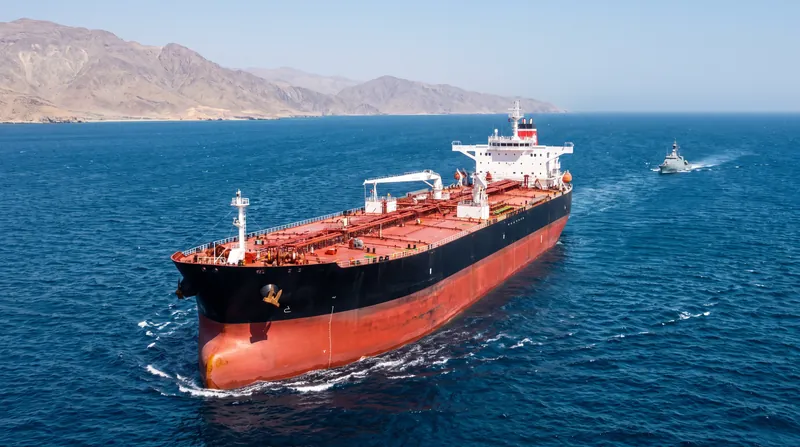
Iran and Oman Advance Proposal to Impose Maritime Fees on Strait of Hormuz Shipping
4 sources
Caspian Sea
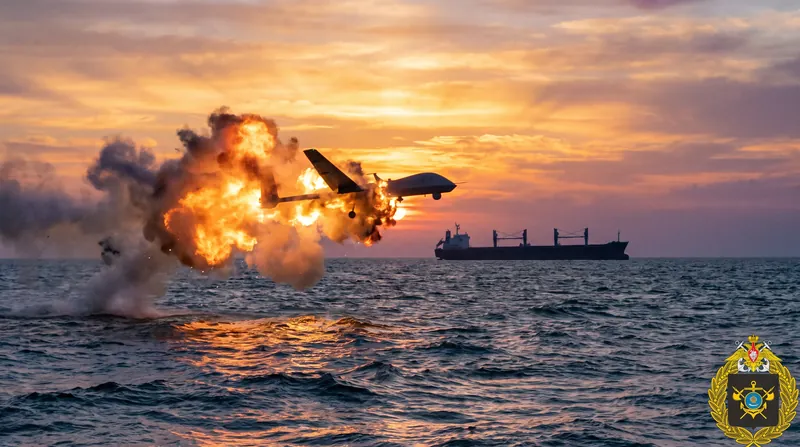
Ukraine Strikes Iranian Cargo Ship and Russian Warship in Caspian Sea
7 sources
Comments
Every angle. Every day.
Get News & Politics stories with full source coverage and perspective breakdowns, free every day.