
U.S. and Iran Trade Strikes as Trump Claims Peace Deal is Imminent
President Trump abruptly canceled military strikes and announced a pending peace agreement with Iran, though Tehran denies a final deal has been reached. The diplomatic whiplash comes as the U.S. Navy faces international backlash for a blockade strike that killed three Indian sailors.
By Factlen Editorial Team
- U.S. Administration
- Argues that maximum military and economic pressure has successfully forced Iran to accept a peace deal.
- Iranian Government
- Maintains that the Strait of Hormuz is its primary leverage and refuses to sign a deal without guaranteed sanctions relief.
- Neutral Maritime Nations
- Furious over the collateral damage of the dual blockade and demands immediate protection for commercial seafarers.
What's not represented
- · Global shipping insurance syndicates
- · Environmental groups monitoring Kharg Island oil spills
Why this matters
The closure of the Strait of Hormuz has triggered a massive global energy shock, driving up inflation and fuel costs worldwide. A finalized peace deal would reopen the world's most critical oil chokepoint, but a collapse in negotiations could drag the U.S. and its Gulf allies into a devastating, prolonged regional war.
Key points
- President Trump canceled planned military strikes on Iran, claiming a peace agreement is ready to be signed.
- Iran's Foreign Ministry contradicted the claim, stating no final conclusion has been reached.
- The U.S. military struck a commercial vessel accused of breaching its blockade, killing three Indian sailors.
- India lodged a strong diplomatic protest with the U.S. over the deaths of its citizens.
- Global oil prices dropped below $89 a barrel as markets priced in the potential reopening of the Strait of Hormuz.
- Clearing the Strait of naval mines and restoring damaged infrastructure will take months even if a deal is signed.
The Middle East experienced severe geopolitical whiplash over the past 48 hours. After two days of intense military strikes between the United States and Iran that threatened to plunge the region back into full-scale war, U.S. President Donald Trump abruptly announced that a "great settlement" had been reached.[1][2]
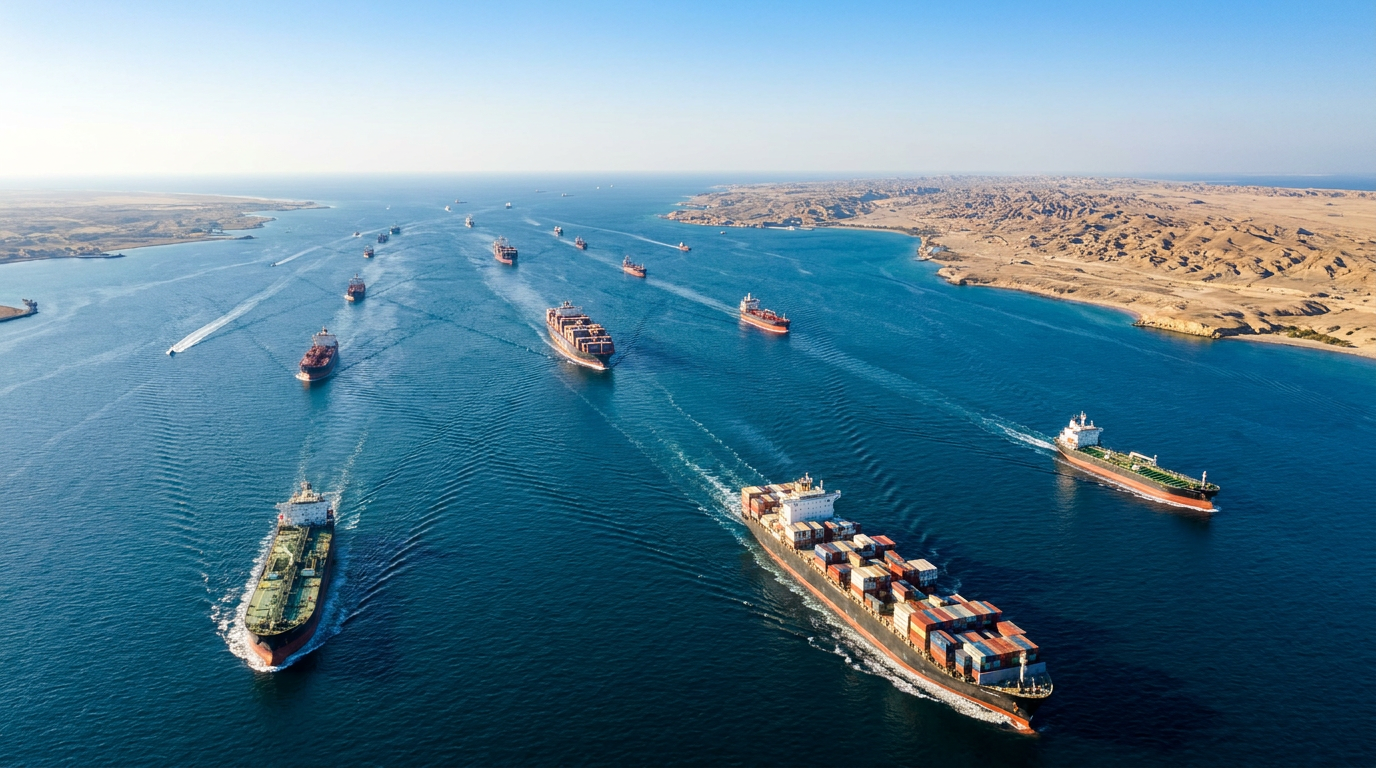
The stakes of this standoff are global. Since the conflict erupted in late February 2026, the Strait of Hormuz—a 21-mile-wide channel that normally carries a fifth of the world's oil supply—has been effectively closed. The resulting energy shock has driven up inflation worldwide, while a U.S. naval blockade of Iranian ports has turned the Persian Gulf into a deadly maritime combat zone.[3][5][6]
The sudden pivot toward peace began late Thursday. President Trump, who had just hours earlier threatened to seize Kharg Island—the terminal handling 90% of Iran's crude exports—and "bomb the s---" out of the country, canceled the scheduled strikes. He declared that documents were in "pretty final shape" and could be signed in Europe as early as this weekend.[1][2][6]
According to the White House, the proposed agreement would ensure Iran abandons its nuclear weapons ambitions and immediately reopens the Strait of Hormuz to commercial shipping. The prospect of an open waterway sent immediate shockwaves through global energy markets, offering a glimmer of hope to nations struggling with soaring fuel costs.[2][6]

However, Tehran quickly poured cold water on the idea that the crisis was fully resolved. Iranian Foreign Ministry spokesman Esmail Baghaei stated that while large parts of the text had been negotiated, Iran would not compromise on its "red lines" and that no final conclusion had been reached.[1]
The ultimate decision rests with Iran's Supreme Leader, who has yet to publicly approve the framework. Despite the official caution, semi-official Iranian outlets like the Fars news agency have indicated that a deal—reportedly involving a 60-day ceasefire and partial sanctions relief—remains highly probable.[1][6]
The mechanism of the current crisis is rooted in a "dual blockade." Since the war's escalation, Iran has restricted transit through the Strait of Hormuz to choke off global energy supplies and build negotiating leverage. Simultaneously, the U.S. Navy has enforced a strict blockade on Iranian ports to cut off Tehran's oil revenue.[3][5][6]
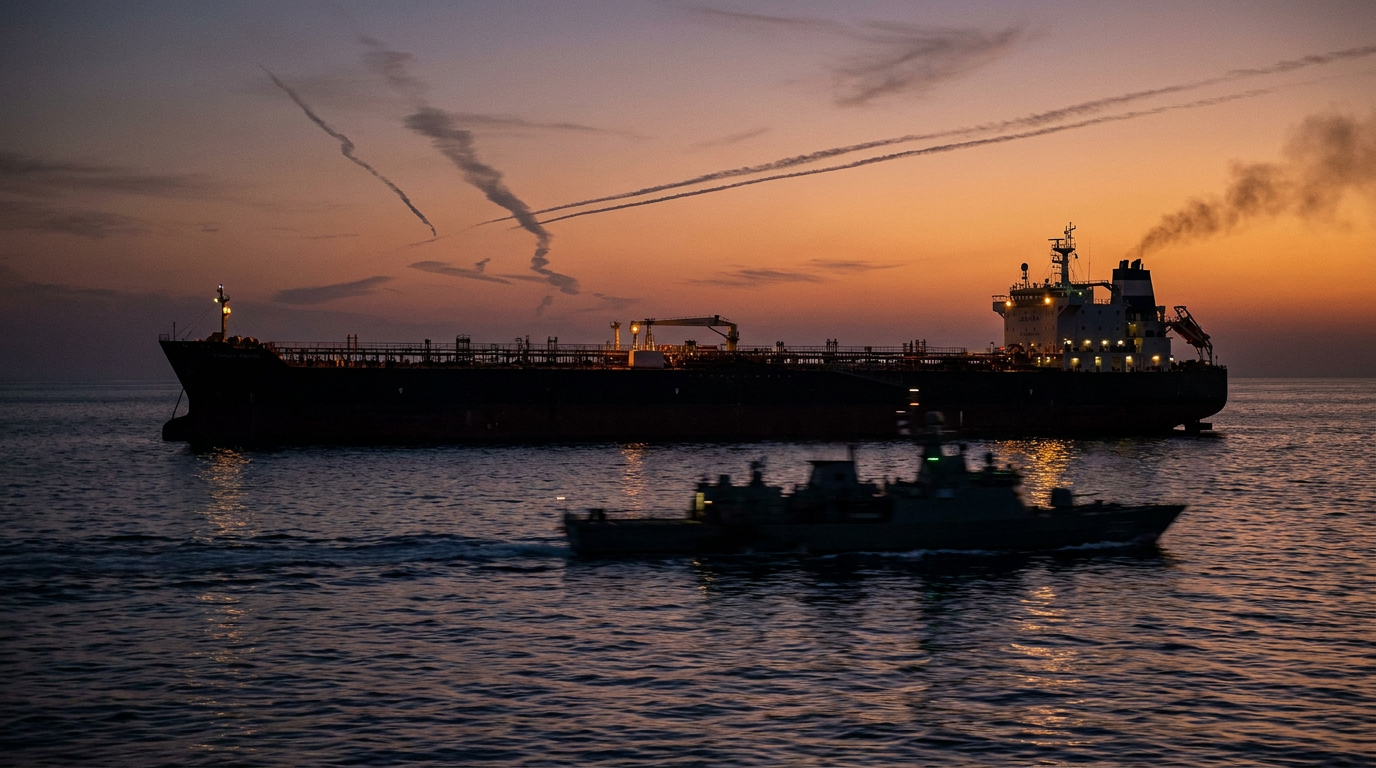
This dual blockade has exacted a severe human toll on neutral parties. Earlier this week, the U.S. military fired precision munitions at the Palau-flagged merchant tanker MT Settebello, accusing the vessel of attempting to breach the blockade to transport Iranian oil.[3][5]

This dual blockade has exacted a severe human toll on neutral parties.
The strike resulted in the deaths of three Indian sailors. India's Minister of Ports, Shipping and Waterways, Sarbananda Sonowal, confirmed the fatalities, and New Delhi summoned a U.S. diplomat to lodge a "strong protest" over the targeting of commercial vessels with Indian crew members.[3][4]
The maritime violence underscores the fragility of the situation on the water. Even as Trump announced the peace settlement, U.S. forces shot down two Iranian one-way attack drones that were reportedly targeting commercial ships transiting the Strait of Hormuz on Thursday night.[1][2]
Iran's Persian Gulf Strait Authority, a newly formed government agency, doubled down on Friday, announcing that the vital waterway remains "closed until further notice" due to what it described as U.S. aggression.[1]
The broader regional conflict also remains volatile. Before the peace announcement, U.S. Central Command carried out strikes against Iranian air defense, radar, and surveillance facilities in southern Iran, including sites near Bandar Abbas.[1][5]

In retaliation, Iran launched a barrage of ballistic missiles and drones at U.S. military facilities hosted in neighboring countries. Kuwait, Bahrain, and Jordan all reported incoming fire, forcing temporary airspace closures and causing minor damage from falling debris.[1][5]
Despite the ongoing kinetic exchanges, financial markets are aggressively pricing in a diplomatic breakthrough. Brent crude, the global oil benchmark, tumbled more than 3% following Trump's announcement, dropping below $89 a barrel to reach its lowest level in two months.[6][7]
This marks a sharp reversal from March 2026, when the initial closure of the Strait of Hormuz sent Brent crude skyrocketing past $120 a barrel, triggering the largest monthly price increase in the history of the oil market.[7]

Yet, energy analysts warn that the market's optimism may be premature. Even if a peace agreement is signed this weekend, the physical reality of reopening the Strait of Hormuz presents massive logistical hurdles.[6][7]
How we got here
Late Feb 2026
War breaks out following U.S.-Israeli strikes on Iran, leading to the closure of the Strait of Hormuz.
April 2026
A fragile two-month ceasefire is implemented, though the U.S. begins blockading Iranian ports.
June 10, 2026
The ceasefire collapses as the U.S. and Iran exchange heavy military strikes across the region.
June 11, 2026
President Trump abruptly cancels further strikes and announces a 'great settlement' is near.
June 12, 2026
Iran denies a final agreement has been reached, while global oil prices tumble on peace hopes.
Viewpoints in depth
The U.S. Administration's view
Focuses on the success of 'maximum pressure' in forcing Tehran to the negotiating table.
The White House argues that the threat of overwhelming military force—specifically the threat to seize Kharg Island and destroy Iran's oil infrastructure—broke the stalemate. From this perspective, the U.S. has successfully reestablished deterrence, ensuring that Iran will abandon its nuclear ambitions and reopen the Strait of Hormuz without the U.S. having to commit to a prolonged ground war.
The Iranian Government's view
Emphasizes resilience and the strategic leverage of the Strait of Hormuz.
Tehran views its ability to shut down 20% of the world's oil supply as its ultimate shield against U.S. aggression. Iranian officials insist that they are negotiating from a position of strength, having survived months of bombardment. They maintain that no final document will be signed by the Supreme Leader unless it includes concrete, irreversible relief from U.S. economic sanctions.
Non-Aligned Maritime Nations
Furious over the collateral damage inflicted on commercial shipping and civilian sailors.
Countries like India, which rely heavily on the Persian Gulf for energy imports and provide a massive share of the world's commercial seafaring workforce, are caught in the crossfire. They argue that the 'dual blockade' violates international maritime law and turns civilian mariners into military targets. New Delhi's strong protest over the deaths of three Indian sailors highlights the growing international intolerance for the disruption of global trade.
What we don't know
- Whether Iran's Supreme Leader will ultimately approve the draft agreement.
- How long it will physically take to clear naval mines from the Strait of Hormuz even if a deal is signed.
- The exact terms of the sanctions relief offered to Tehran in the proposed 60-day ceasefire.
Key terms
- Strait of Hormuz
- A narrow waterway between the Persian Gulf and the Gulf of Oman, serving as the world's most important oil transit chokepoint.
- Kharg Island
- Iran's primary oil export terminal in the Persian Gulf, handling the vast majority of the country's crude shipments.
- Dual Blockade
- The current maritime standoff where Iran restricts traffic through the Strait of Hormuz while the U.S. Navy blockades Iranian ports.
- Brent Crude
- The primary international benchmark price for crude oil, used to price two-thirds of the world's internationally traded crude.
Frequently asked
Is the war between the U.S. and Iran over?
Not officially. While President Trump announced a settlement, Iran states no final agreement has been reached, and sporadic clashes continue.
Why are oil prices dropping if the Strait is still closed?
Markets are pricing in the optimism of a potential peace deal and the cancellation of U.S. strikes on Iranian oil infrastructure.
What happened to the Indian sailors?
Three Indian mariners were killed when the U.S. military fired on the MT Settebello, a commercial vessel the U.S. accused of breaching its blockade on Iran.
Will gas prices go down immediately if a deal is signed?
It will take time. Even with a signed agreement, clearing the Strait of Hormuz of naval mines and restoring damaged infrastructure will delay the resumption of normal oil flows.
Sources
Source coverage
7 outlets
3 viewpoints surfaced







[1]The GuardianIranian Government
Middle East crisis live: Iran says no final peace agreement reached, after Trump claims deal could be signed soon
Read on The Guardian →[2]Fox NewsU.S. Administration
Trump says Iran deal near after second day of US strikes and attacks
Read on Fox News →[3]Al JazeeraIranian Government
US-Iran ceasefire? Not for Indian sailors being killed in Hormuz
Read on Al Jazeera →[4]The HinduNeutral Maritime Nations
India protests U.S. Navy attacks on merchant vessels with Indian crew
Read on The Hindu →[5]Associated PressU.S. Administration
US military strikes 'multiple targets' in Iran
Read on Associated Press →[6]BloombergNeutral Maritime Nations
Oil extends decline after Trump says US nearing deal with Iran
Read on Bloomberg →[7]Trading Economics
Brent Crude Oil - Data, Forecasts, Historical Chart
Read on Trading Economics →

Every angle. Every day.
Get news politics stories with full source coverage and perspective breakdowns delivered to your inbox.