
U.S. and Iran Sign Preliminary Peace Deal as Lebanon Conflict Threatens Truce
The U.S. and Iran have reached a memorandum of understanding to end their three-and-a-half-month war and reopen the Strait of Hormuz, though Israel's refusal to halt operations in Lebanon threatens the fragile agreement.
By Factlen Editorial Team
- U.S. Administration
- Argues the deal is a historic victory that reopens global trade and permanently blocks Iran's nuclear ambitions.
- Iranian Government
- Views the agreement as a successful end to the U.S. blockade and demands Israel halt all regional military operations.
- Israeli Leadership
- Rejects the ceasefire's application to its borders, prioritizing the elimination of Hezbollah and Hamas threats regardless of U.S.-Iran diplomacy.
- U.S. Congressional Skeptics
- Demands transparency and congressional oversight, expressing deep skepticism that Iran will genuinely dismantle its nuclear program.
What's not represented
- · European Allies
- · Global Shipping Industry
- · Lebanese Civilians
Why this matters
This preliminary agreement ends a devastating three-and-a-half-month war that choked global energy supplies, but its ultimate success hinges on whether the U.S. and Iran can finalize a nuclear pact and prevent the parallel conflict in Lebanon from unraveling the truce.
Key points
- The U.S. and Iran digitally signed a memorandum of understanding to end their three-and-a-half-month war.
- The agreement immediately lifts the U.S. naval blockade on the Strait of Hormuz, causing oil prices to drop.
- A 60-day window has been established to negotiate the final dismantlement of Iran's nuclear program and the lifting of sanctions.
- Israel has rejected the deal's reported inclusion of a ceasefire in Lebanon, vowing to maintain its military presence.
- U.S. lawmakers from both parties are demanding the White House release the text of the agreement for congressional review.
The United States and Iran have reached a preliminary agreement to end a three-and-a-half-month war that has destabilized the Middle East and choked global energy markets. The memorandum of understanding (MOU), brokered with the help of Pakistan and Qatar, was digitally signed by both nations on Sunday, with a formal in-person ceremony scheduled for Friday in Switzerland.[4][5]
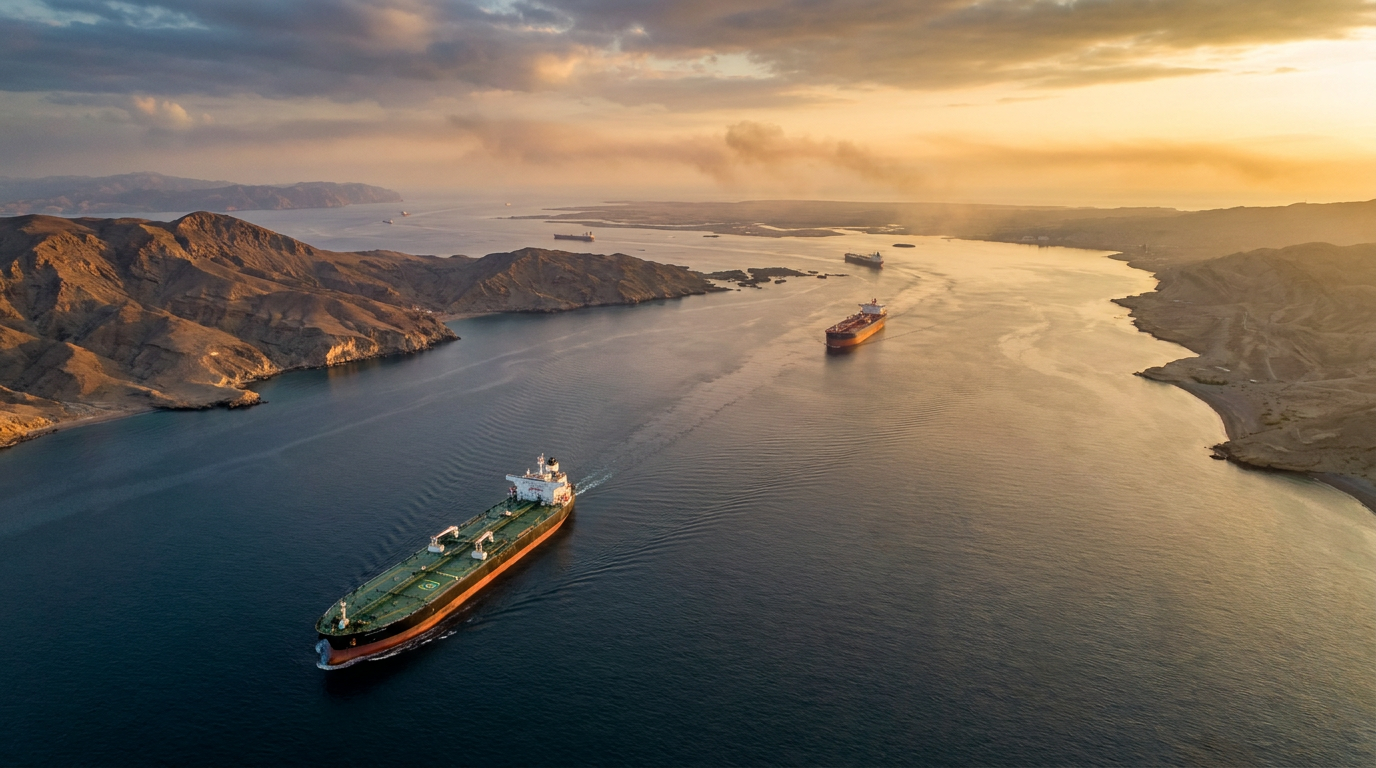
The immediate consequence of the pact is the reopening of the Strait of Hormuz, a vital maritime chokepoint that handles nearly one-fifth of the world's oil supply. President Donald Trump announced the immediate lifting of the U.S. naval blockade, declaring that ships could "start your engines." Global markets reacted swiftly, with oil prices tumbling by $4 per barrel and U.S. equities rallying on the prospect of restored energy flows.[4][5]
Under the terms of the MOU, the U.S. will reportedly allow Iran to immediately resume selling oil and fuel, providing a critical lifeline to Tehran's battered economy. In exchange, the agreement establishes a 60-day window for the two nations to negotiate a comprehensive, long-term settlement regarding Iran's nuclear program and the permanent lifting of economic sanctions.[1][5][8]

President Trump has framed the agreement as a definitive victory, asserting that Iran has fully agreed to abandon its pursuit of a nuclear weapon under "strong policing powers." Speaking at the G7 summit in France, Trump emphasized that the primary goal of the conflict—preventing a nuclear-armed Iran—had been achieved, though the exact mechanisms for dismantling Tehran's nuclear infrastructure remain to be finalized in the upcoming talks.[1][3]
Despite the optimism from the White House, the agreement faces a severe stress test in Lebanon. The draft deal reportedly mandates an immediate and permanent termination of military operations across all fronts, which Tehran insists must include a withdrawal of Israeli forces from southern Lebanon.[2][7]
Despite the optimism from the White House, the agreement faces a severe stress test in Lebanon.
Israel, which was largely sidelined during the final stages of the U.S.-Iran negotiations, has forcefully rejected this condition. Prime Minister Benjamin Netanyahu stated that Israel is not bound by the agreement and that the Israel Defense Forces will remain in Lebanon, Gaza, and Syria "for as long as necessary" to ensure national security.[1][2]

This parallel conflict threatens to unravel the fragile U.S.-Iran truce before the ink is fully dry. Iranian Foreign Minister Abbas Araghchi warned that any continued Israeli strikes or military presence in Lebanon would constitute a direct violation of the U.S.-brokered deal. Hezbollah, the Iran-backed militant group, welcomed the comprehensive ceasefire but warned it would not accept any violations of Lebanese sovereignty.[1][2][8]
Back in Washington, the agreement is facing intense bipartisan scrutiny. Lawmakers have expressed frustration that the administration has not yet released the text of the MOU, leaving Congress largely in the dark about the specific concessions made to Tehran.[3][6]
Senate Majority Leader John Thune and other Republicans have pressed the White House for transparency, with some conservative critics labeling the unreleased pact a "surrender." Democratic leaders have similarly voiced skepticism, pointing to previous premature declarations of peace and demanding concrete proof that Iran's nuclear ambitions have been neutralized.[3][6]

The administration's maneuverability may be constrained by the Iran Nuclear Agreement Review Act (INARA) of 2015. The law requires the president to submit any nuclear agreement with Iran to Congress for review before sanctions can be permanently eased, opening the door for lawmakers to potentially block or complicate the deal's implementation. Trump indicated Tuesday that he is willing to send the interim deal to Congress for review after the formal signing.[3]
Foreign policy experts caution that while the MOU successfully pauses the immediate military confrontation, the 60-day timeline to resolve decades of entrenched disputes over uranium enrichment and sanctions relief is highly ambitious. The fundamental gap between Washington's demand for total nuclear dismantlement and Tehran's insistence on immediate economic relief remains the central hurdle.[5][8]
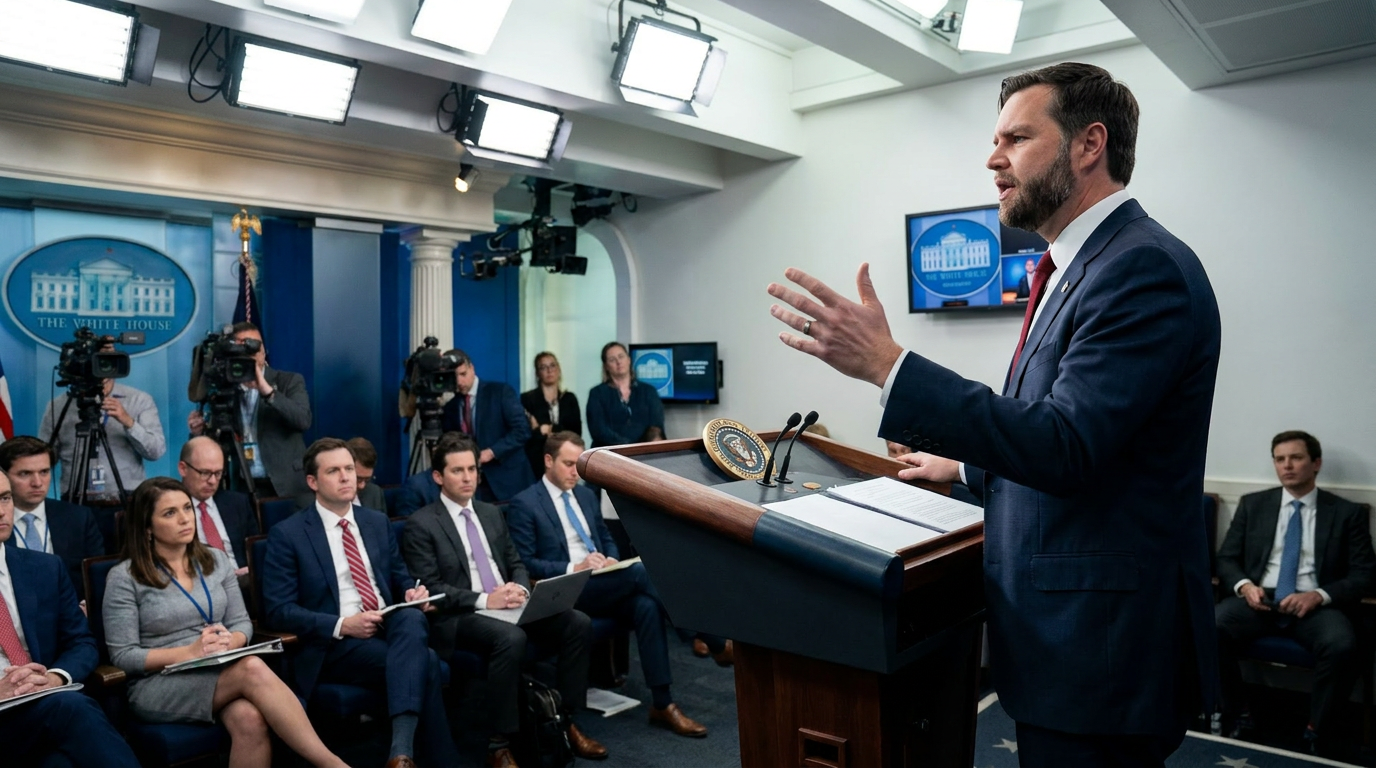
The diplomatic focus now shifts to the mountainside resort of Bürgenstock, Switzerland, where U.S. Vice President JD Vance and Iranian Parliament Speaker Mohammad-Bagher Ghalibaf are expected to formally sign the document on Friday. How the two sides navigate the explosive situation in Lebanon over the coming days will likely determine whether the Friday ceremony marks the end of a war or merely a brief pause in hostilities.[1][4][7]
How we got here
Feb 28, 2026
The United States and Israel launch a coordinated war against Iran.
April 7, 2026
A tenuous initial ceasefire is reached, though regional skirmishes continue.
Mid-April 2026
The U.S. military imposes a naval blockade on the Strait of Hormuz in retaliation for Iranian actions.
June 14, 2026
The U.S. and Iran digitally sign a memorandum of understanding to end the war.
June 19, 2026
A formal signing ceremony is scheduled to take place in Switzerland.
Viewpoints in depth
The U.S. Administration's View
Framing the deal as a definitive victory for global stability and nuclear non-proliferation.
President Trump and Vice President Vance argue that the U.S. naval blockade successfully forced Tehran to the negotiating table. By securing an immediate reopening of the Strait of Hormuz, the administration claims to have rescued the global economy from a crippling energy crisis. Furthermore, the White House insists that Iran has made an ironclad commitment to never procure a nuclear weapon, framing the upcoming 60-day window as a technical period to implement 'strong policing powers' rather than a negotiation over the core premise.
Israel's Security Imperative
Rejecting the premise that a U.S.-Iran pact dictates Israeli military operations.
Israeli officials, led by Prime Minister Benjamin Netanyahu, view the U.S.-Iran memorandum with deep suspicion, particularly its clauses regarding a comprehensive regional ceasefire. Sidelined during the final negotiations, Israel maintains that its parallel conflicts with Hezbollah in Lebanon and Hamas in Gaza are existential fights that cannot be paused by a bilateral agreement between Washington and Tehran. The Israeli government has made it clear that the IDF will maintain its buffer zones and operational freedom 'for as long as necessary,' regardless of Iran's threats to walk away from the broader deal.
Congressional Skepticism
Bipartisan demands for transparency and formal legislative review.
Lawmakers in Washington are bristling at the secrecy surrounding the digital signing of the MOU. Republicans, who generally support maximum pressure on Iran, are demanding the immediate release of the text, with some hardliners characterizing the unfreezing of Iranian oil sales as a premature surrender. Democrats share this skepticism, pointing to past broken promises and demanding that the administration comply with the 2015 Iran Nuclear Agreement Review Act (INARA), which mandates congressional oversight before any permanent sanctions relief can be granted.
What we don't know
- The exact text of the memorandum of understanding has not been released to the public.
- It remains unclear how the U.S. will enforce the 60-day timeline for Iran to dismantle its nuclear infrastructure.
- It is unknown whether Israel's continued military operations in Lebanon will cause Iran to abandon the Friday signing ceremony.
Key terms
- Strait of Hormuz
- A narrow, strategically vital waterway between the Persian Gulf and the Gulf of Oman through which nearly 20% of the world's oil supply passes.
- Memorandum of Understanding (MOU)
- A preliminary, non-binding agreement that outlines the broad terms of a deal before a final, legally enforceable treaty is negotiated.
- Iran Nuclear Agreement Review Act (INARA)
- A 2015 U.S. law that requires the president to submit any nuclear agreement with Iran to Congress for review before sanctions can be permanently eased.
- Naval Blockade
- A military operation in which ships are used to prevent vessels from entering or leaving a nation's ports, used by the U.S. to choke off Iranian oil exports.
Frequently asked
Is the Strait of Hormuz open to shipping again?
Yes. President Trump authorized the immediate removal of the U.S. naval blockade, and commercial ships have reportedly begun moving through the waterway.
Did Iran agree to give up its nuclear weapons program?
The U.S. administration claims Iran has agreed to never procure a nuclear weapon, but the specific terms and verification methods will be negotiated over the next 60 days.
How does this deal affect the war in Lebanon?
The agreement reportedly calls for a ceasefire across all fronts, but Israel has stated it is not bound by the deal and will keep forces in Lebanon as long as necessary.
Will Congress get to vote on this agreement?
President Trump has indicated he is willing to send the deal to Congress for review, which may be legally required under the 2015 Iran Nuclear Agreement Review Act.
Sources
Source coverage
8 outlets
4 viewpoints surfaced








[1]The GuardianIsraeli Leadership
Middle East crisis live: Iran threatens ‘harsh response’ if Israel fails to cease attacks in Lebanon
Read on The Guardian →[2]CBS NewsIsraeli Leadership
Live Updates: Iran says deal with U.S. requires Israeli forces to leave Lebanon
Read on CBS News →[3]The Times of IsraelU.S. Congressional Skeptics
US lawmakers in the dark on Iran deal as Trump says he will send it to Congress
Read on The Times of Israel →[4]PBS NewsHourU.S. Administration
Deal is reached to end Iran war and Trump orders stop to U.S. naval blockade
Read on PBS NewsHour →[5]Council on Foreign RelationsU.S. Congressional Skeptics
Trump's Iran Deal: What We Know, What's Contested, and What Remains Unresolved
Read on Council on Foreign Relations →[6]Fox NewsU.S. Congressional Skeptics
Republicans, media rip Trump’s secret Iran deal, with the harshest critics calling it a surrender
Read on Fox News →[7]Al JazeeraIranian Government
Iran war day 110: Tehran says Israeli attacks on Lebanon threaten US deal
Read on Al Jazeera →[8]Channel News AsiaIranian Government
Iran says talks on final US deal to begin this week
Read on Channel News Asia →

Every angle. Every day.
Get news politics stories with full source coverage and perspective breakdowns delivered to your inbox.