
U.S. and Iran Near Historic Peace Deal, but Conflicting Claims Threaten Final Agreement
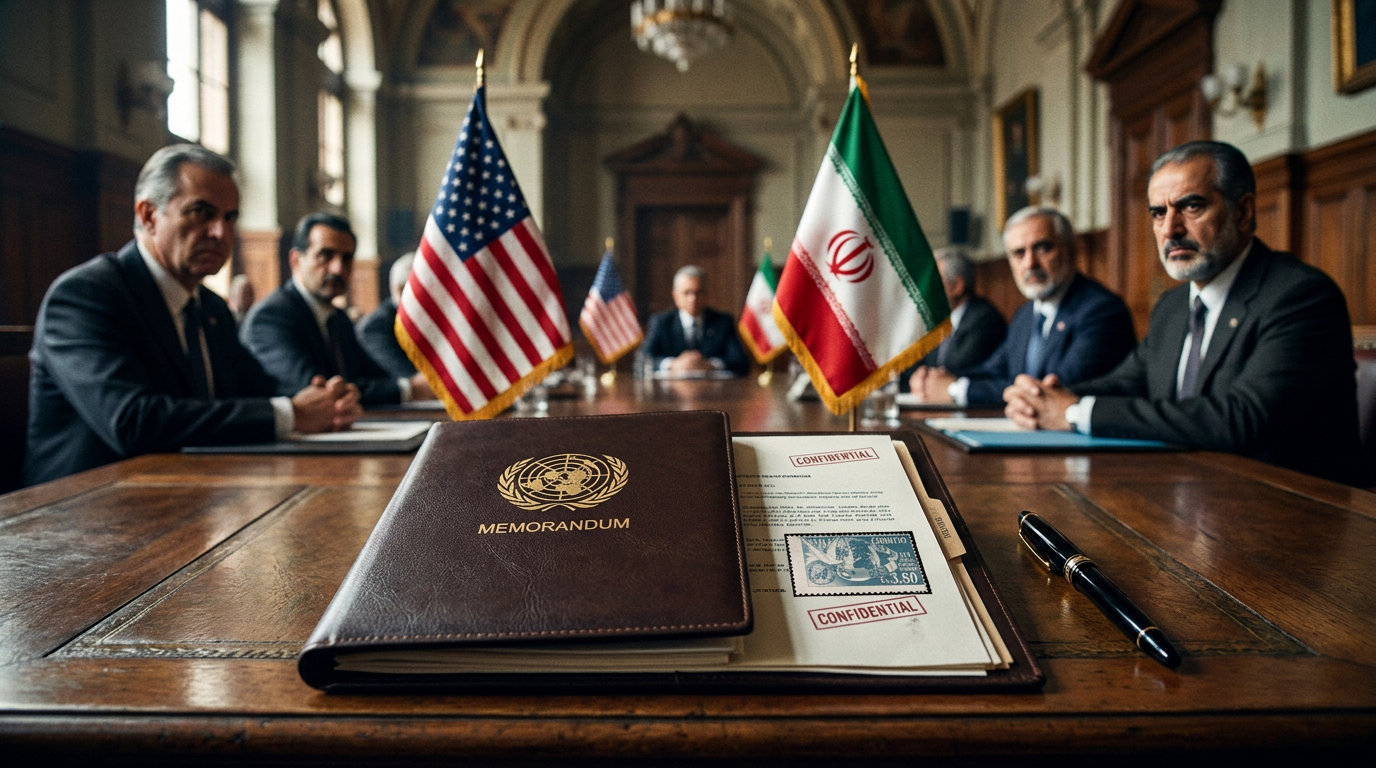
Washington and Tehran are on the precipice of signing a memorandum of understanding to end the 2026 war, though sharply diverging narratives over nuclear concessions and sanctions relief could still derail the fragile peace.
By Factlen Editorial Team
- U.S. Administration
- Argues the deal is a definitive victory that permanently neutralizes Iran's nuclear threat through strict, performance-based metrics.
- Iranian Establishment
- Frames the agreement as a triumph over U.S. aggression, emphasizing massive sanctions relief and the unfreezing of billions in assets.
- Gulf Monarchies
- Views the conflict as a wake-up call, prioritizing regional stability and the urgent need for collective, indigenous defense capabilities.
- International Mediators
- Focuses pragmatically on bridging the diplomatic divide and securing a finalized text to prevent further regional escalation.
What's not represented
- · Civilian populations in the Gulf states directly impacted by the infrastructure strikes
- · Global shipping companies navigating the ongoing closure of the Strait of Hormuz
Why this matters
The resolution of the 2026 U.S.-Iran war will dictate the immediate future of global energy prices, international shipping, and Middle Eastern security. A finalized deal would reopen the Strait of Hormuz, easing worldwide inflation, while a collapse in talks could plunge the region back into a devastating conflict.
Key points
- The U.S. and Iran are nearing a memorandum of understanding to end the devastating 2026 war, with a potential signing in Geneva.
- President Trump claims the deal ensures the dismantlement of Iran's nuclear program and the reopening of the Strait of Hormuz.
- Iranian state media leaked conflicting terms, claiming the U.S. agreed to release $24 billion in frozen assets and fund a $300 billion reconstruction plan.
- The conflict has prompted Gulf states to rethink their reliance on the U.S. military umbrella, accelerating plans for an integrated regional defense system.
- A 60-day ceasefire extension is proposed to negotiate the final technical details of the nuclear restrictions and sanctions relief.
After months of devastating conflict that fundamentally reshaped the Middle East and severely rattled the global economy, the United States and Iran are standing on the precipice of a historic peace agreement. U.S. President Donald Trump announced to reporters in the Oval Office on Thursday that a "great settlement" had been reached to end the 2026 war, suggesting a formal signing ceremony could take place in Geneva within a matter of days. Yet, the path to a finalized memorandum of understanding remains highly fraught, as Washington and Tehran publicly trade sharply conflicting narratives about the specific concessions made to halt the fighting. The diplomatic whiplash has left international observers questioning whether the core disputes have truly been resolved or merely papered over to secure a temporary halt to the violence.[1][5]
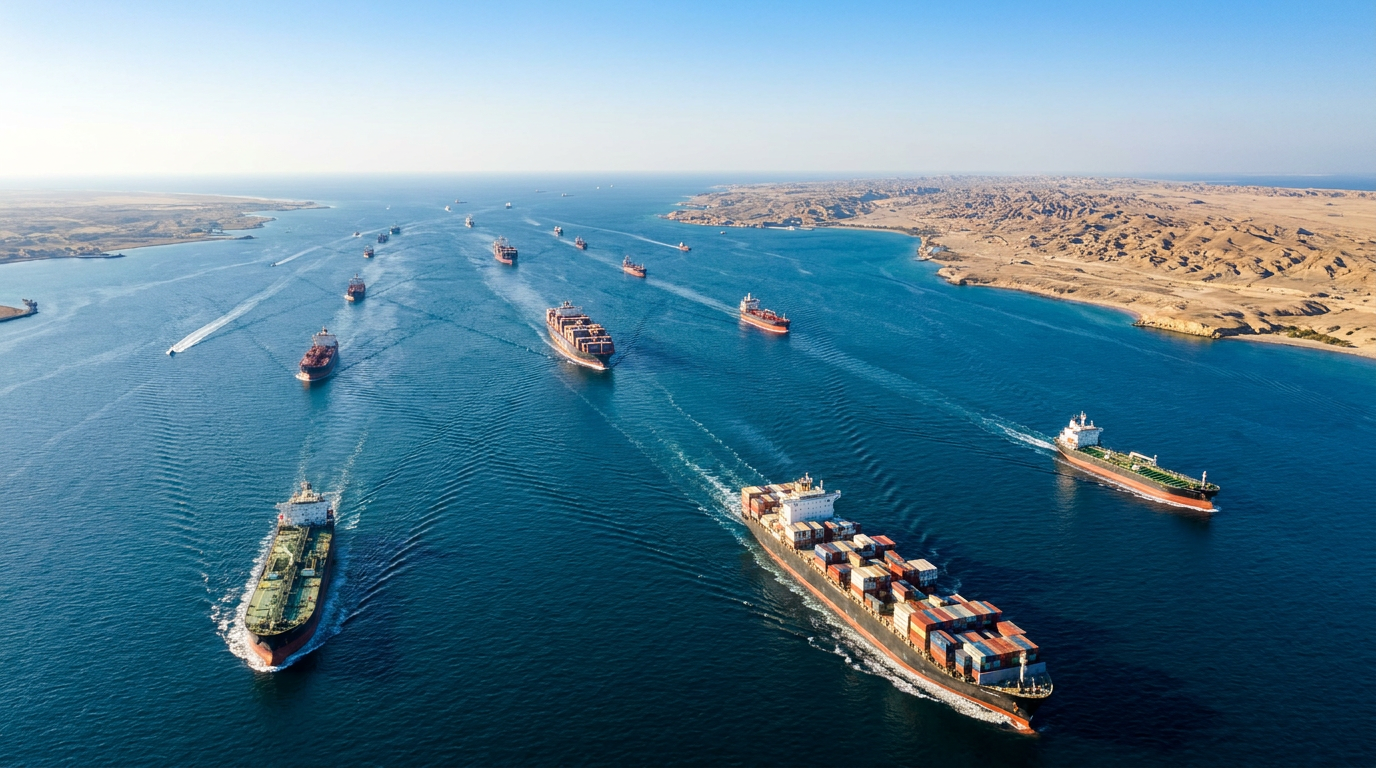
The stakes for finalizing the deal are monumental for both global security and international commerce. The conflict, which escalated sharply in late February 2026 following the joint U.S.-Israeli military campaign dubbed "Operation Epic Fury," has drawn in multiple regional actors and effectively shuttered the Strait of Hormuz to commercial shipping traffic. Pakistani and Qatari mediators have spent weeks shuttling tirelessly between the warring parties in an effort to bridge the divide, with Pakistan's prime minister declaring on Friday that a "final, agreed upon text" had finally been secured. However, securing the text and securing the political will to implement it are two entirely different challenges in a war that has hardened hardline factions in both nations.[5][6][7]
Despite the international mediators' public optimism, the messaging emanating from both capitals reveals a deep and persistent chasm in how the agreement is being sold to domestic audiences. The core dispute centers on the exact sequencing of international sanctions relief, the ultimate fate of Iran's extensive nuclear infrastructure, and the timeline for the release of frozen Iranian financial assets. Both the U.S. and Iranian governments face immense political pressure to project an absolute victory after a brutal war that has inflicted heavy military casualties, widespread civilian displacement, and catastrophic economic damage across the broader region.[3][4]
The U.S. administration has aggressively framed the impending memorandum as a definitive strategic triumph that permanently neutralizes the Iranian nuclear threat. According to the White House, the agreement is a strict, performance-based plan that offers no immediate rewards without verifiable compliance. President Trump asserted that the deal ensures Iran "will never have a nuclear weapon," claiming that all enriched nuclear material will be systematically dismantled and removed from the country. Furthermore, Washington insists the agreement secures the immediate reopening of the Strait of Hormuz and mandates a complete halt to Iranian funding for regional proxy groups operating in Lebanon and Yemen.[4][5]

To counter swirling rumors of massive upfront financial payouts, U.S. Vice President J.D. Vance publicly clarified that Tehran will not receive any cash simply for signing the document or attending the summit in Geneva. Instead, economic benefits and sanctions relief will only flow if the Islamic Republic meets stringent, internationally monitored obligations. The administration's forceful messaging is clearly designed to reassure domestic political critics and anxious regional allies that the United States is not capitulating to Iranian demands in its eagerness to end a costly and politically damaging foreign war.[4]
Conversely, Iranian state media has painted a dramatically different picture, projecting a narrative of sweeping American concessions and total victory for Tehran. Outlets like the Mehr and IRNA news agencies leaked what they claimed was a comprehensive 14-point draft of the agreement, asserting that the U.S. had agreed to release $24 billion in frozen Iranian assets during an initial 60-day ceasefire extension. The Iranian reports also suggested that the future of the country's nuclear enrichment program remains entirely open for negotiation, directly contradicting U.S. claims of immediate and unconditional dismantlement.[3]
The Iranian state media leaks went even further in their claims of diplomatic triumph, asserting that the United States and its Western allies would be required to submit a $300 billion reconstruction plan to rebuild Iran's shattered economy, alongside a commitment to withdraw American military forces from the immediate vicinity of the country. President Trump swiftly and angrily dismissed these reports as "fake news," accusing Iranian officials of leaking highly inaccurate terms to save face domestically and warning that they "better get their act together, and fast" if they want the sanctions relief to materialize.[4][5]
The actual mechanics of the proposed peace process appear to rely heavily on a phased, step-by-step approach to build trust. If signed—potentially by Vice President Vance and Iranian Parliament Speaker Mohammed Baqer Qalibaf—the memorandum of understanding would immediately trigger a 60-day extension of the current fragile ceasefire. During this critical two-month window, technical negotiators would hammer out the granular details of the nuclear restrictions, the verification protocols, and the highly contested phased unfreezing of Iranian financial assets.[3][5][6]

The actual mechanics of the proposed peace process appear to rely heavily on a phased, step-by-step approach to build trust.
This phased structure, while pragmatically necessary, leaves ample room for the entire deal to collapse before implementation begins. Iranian Foreign Ministry spokesman Esmaeil Baqaei cautioned international observers that Tehran has "not reached a final conclusion on the agreement," emphasizing that the leaked details are still subject to intense internal debate among the country's supreme leadership. Hardliners within Iran's Islamic Revolutionary Guard Corps are deeply wary of relinquishing their nuclear leverage without guaranteed, irreversible economic relief, while hawks in Washington continue to demand absolute and unconditional capitulation.[3]
Beyond the immediate bilateral dynamic between Washington and Tehran, the 2026 war has fundamentally and irreversibly altered the security architecture of the Persian Gulf. For decades, the Gulf Cooperation Council (GCC) states relied on a posture of careful diplomatic neutrality, backed by the implicit protection of the U.S. military umbrella. The recent conflict annihilated that strategic logic entirely, as Iranian ballistic missiles and drone swarms targeted U.S. military installations across nine regional states, including critical infrastructure in Saudi Arabia, the United Arab Emirates, and Qatar.[2][7]
The economic toll on the Gulf monarchies has been nothing short of staggering. Regional economists and security analysts estimate that the GCC suffered a devastating $186 billion in gross domestic product losses within the first month of the war alone. This catastrophic financial hit was driven by the total closure of regional airspace, the severing of global supply chains, and the direct targeting of civilian infrastructure, including vital oil refineries, desalination plants, and commercial aviation hubs. This unprecedented vulnerability has sparked a profound reckoning among Arab leaders regarding their long-term national survival.[7]

In the immediate aftermath of the fighting, Gulf states are aggressively pivoting toward collective security arrangements and the rapid development of indigenous defense capabilities. Recognizing that hosting foreign military bases can instantly transform a neutral state into a perceived belligerent in a superpower conflict, the GCC is accelerating long-stalled plans for a fully integrated regional air and missile defense system. There is a rapidly growing consensus in capitals like Riyadh, Doha, and Abu Dhabi that they can no longer outsource their ultimate security entirely to policymakers in Washington.[2][7]
This regional transformation extends far beyond the procurement of advanced military hardware. The existential crisis of the 2026 war has catalyzed a massive shift toward strategic interdependency among the Gulf states, prompting billions in new investments in domestic defense manufacturing, advanced cybersecurity, and sovereign food security initiatives. The stark realization that globalized supply chains can be severed overnight by a regional conflict has dramatically accelerated economic diversification efforts, pushing the entire region to build a much more resilient and self-reliant infrastructure for the decades ahead.[7]
As the intense diplomatic maneuvering continues behind closed doors in Geneva, the immediate focus of the international community remains squarely on formalizing the cessation of hostilities. The reopening of the Strait of Hormuz is universally viewed as the most pressing global priority, as its prolonged closure has choked off a vital artery for international energy markets, disrupted global shipping, and driven up worldwide inflation. Both Washington and Tehran, despite their fierce rhetoric, recognize the completely unsustainable domestic and international costs of maintaining a prolonged maritime blockade.[4][5]

Ultimately, the success or failure of the impending memorandum of understanding will depend entirely on whether the deliberately ambiguous language required to get both sides to the negotiating table can survive the rigorous, unforgiving demands of actual implementation. With Pakistani and Qatari mediators working around the clock to finalize the exact phrasing of the text, the coming days will determine whether the Middle East finally steps back from the brink of a broader conflagration, or descends back into a devastating and unpredictable regional war.[1][6]
How we got here
February 2026
The U.S. and Israel launch 'Operation Epic Fury,' sparking a massive regional war and immediate Iranian retaliatory strikes across the Gulf.
March–May 2026
The conflict devastates the regional economy, closing the Strait of Hormuz and inflicting an estimated $186 billion in GDP losses on GCC states.
Early June 2026
A fragile ceasefire takes hold as Pakistani and Qatari mediators begin intensive shuttle diplomacy between Washington and Tehran.
June 11–12, 2026
President Trump announces a 'great settlement' is ready to be signed, though Iranian state media simultaneously leaks conflicting terms regarding massive U.S. concessions.
Viewpoints in depth
The U.S. Administration's View
Washington frames the deal as a strict, performance-based capitulation by Tehran.
U.S. officials, led by President Trump and Vice President Vance, are aggressively pushing back against claims of American concessions. They argue that the memorandum is structured to ensure that no financial relief is granted until Iran verifiably dismantles its nuclear infrastructure. By emphasizing the reopening of the Strait of Hormuz and the cessation of proxy funding, the administration aims to project strength and reassure domestic critics that the U.S. achieved its primary strategic objectives in the war.
The Iranian Establishment's View
Tehran projects the agreement as a massive diplomatic and economic victory over Western aggression.
Through strategic leaks to state media outlets like Mehr and IRNA, the Iranian government is selling the peace deal to its domestic audience as a triumph. By highlighting the alleged release of $24 billion in frozen assets and demands for a $300 billion reconstruction fund, Tehran seeks to justify the immense human and economic costs of the conflict. Hardliners within the establishment remain deeply skeptical of U.S. promises and are demanding irreversible economic relief before making any binding nuclear concessions.
The Gulf Monarchies' View
The GCC states view the war as a catalyst for ending their reliance on the U.S. security umbrella.
For Saudi Arabia, the UAE, and other Gulf states, the 2026 war fundamentally shattered the illusion that American military bases guaranteed their safety. Having suffered an estimated $186 billion in economic losses from Iranian retaliatory strikes, these nations are now prioritizing strategic self-reliance. The crisis has accelerated plans for an integrated regional air defense system and massive investments in domestic defense manufacturing, signaling a historic shift away from their traditional posture of outsourced security.
What we don't know
- Whether the leaked Iranian terms represent actual U.S. concessions or domestic posturing by Tehran.
- The exact timeline for when the Strait of Hormuz will be fully reopened to commercial shipping.
- How hardline factions in both Washington and Tehran will react to the finalized text of the memorandum.
Key terms
- Operation Epic Fury
- The joint U.S.-Israeli military campaign launched against Iranian infrastructure in February 2026, which sparked the broader regional war.
- Strait of Hormuz
- A critical maritime chokepoint between the Persian Gulf and the Gulf of Oman, through which a significant portion of the world's commercial oil passes.
- Memorandum of Understanding (MoU)
- A formal diplomatic agreement between two or more parties that signals a willingness to move forward with a binding treaty, often used to outline preliminary terms.
- Gulf Cooperation Council (GCC)
- A political and economic union of six Arab states bordering the Persian Gulf, including Saudi Arabia, the UAE, and Qatar, which is now seeking deeper collective security integration.
Frequently asked
Is the 2026 U.S.-Iran war officially over?
Not yet. While a fragile ceasefire is currently holding, the final memorandum of understanding is still being negotiated in Geneva amid conflicting claims from both sides.
What happens to Iran's nuclear program under the deal?
The U.S. claims all enriched nuclear material will be immediately dismantled and removed. However, Iranian state media asserts that the future of the enrichment program will be negotiated during a 60-day ceasefire extension.
Why are Gulf states changing their security strategy?
The war exposed the vulnerability of Gulf states to Iranian retaliatory strikes, despite hosting U.S. military bases. This has diminished their trust in the American security umbrella and prompted a rapid push for an integrated, indigenous regional defense system.
Sources
Source coverage
7 outlets
4 viewpoints surfaced







[1]The GuardianIranian Establishment
US-Iran peace deal remains elusive as Trump and Tehran trade conflicting claims
Read on The Guardian →[2]Al JazeeraGulf Monarchies
How the Gulf will manage collective security after the Iran war ends
Read on Al Jazeera →[3]CBS NewsU.S. Administration
Iran hasn't made final decision on proposed peace deal with U.S., Iranian official says
Read on CBS News →[4]TimeU.S. Administration
Trump dismisses Iranian version of peace deal
Read on Time →[5]Straits TimesIranian Establishment
US-Iran peace memorandum could be signed on June 14 in Geneva, source says
Read on Straits Times →[6]Times of IsraelInternational Mediators
Pakistani mediator: Final text of US-Iran MOU reached; Vance insists it's a good deal for US
Read on Times of Israel →[7]Carnegie EndowmentGulf Monarchies
Three Scenarios for the Gulf States After the Iran War
Read on Carnegie Endowment →

Every angle. Every day.
Get news politics stories with full source coverage and perspective breakdowns delivered to your inbox.