
Trump Cancels Strikes on Iran, Citing Imminent Peace Deal as Markets Surge
President Trump called off planned military strikes against Iran, announcing that a peace agreement to reopen the Strait of Hormuz is near. While Iranian officials cautioned that a final deal is not yet signed, global markets rallied and oil prices dropped on hopes of de-escalation.
By Factlen Editorial Team
- U.S. Administration
- Views the agreement as a successful result of military pressure and a definitive step toward regional stability.
- Iranian Leadership
- Emphasizes that no final deal is signed and views the negotiations as a limited truce rather than a comprehensive surrender.
- Financial Markets
- Focuses on the economic relief of de-escalation, prioritizing the drop in oil prices and the easing of inflation.
What's not represented
- · Gulf State Mediators
- · Israeli Security Establishment
Why this matters
A U.S.-Iran peace agreement would avert a major regional war, reopen a critical artery for 20 percent of the world's oil supply, and immediately lower global energy costs—easing the inflationary pressures that have weighed heavily on consumers and financial markets.
Key points
- President Trump canceled planned military strikes against Iran, announcing that a peace agreement is imminent.
- The proposed deal would extend the current ceasefire and reopen the Strait of Hormuz to commercial shipping.
- Iranian officials acknowledged progress but denied that a final agreement has been reached or is ready to be signed.
- Global stock markets surged and oil prices dropped sharply in response to the de-escalation.
- The U.S. naval blockade will remain in effect until the final documents are signed.
President Donald Trump abruptly canceled a wave of planned military strikes against Iran on Thursday evening, announcing that a comprehensive peace agreement to end the months-long conflict is imminent. The sudden reversal came just hours after the president threatened to hit Iranian targets "very hard" and suggested the U.S. military might seize Kharg Island, Iran's primary oil-export terminal. Instead, Trump took to social media to declare that negotiations had reached the highest levels of Iranian leadership and that the scheduled bombings were officially called off.[1][2]
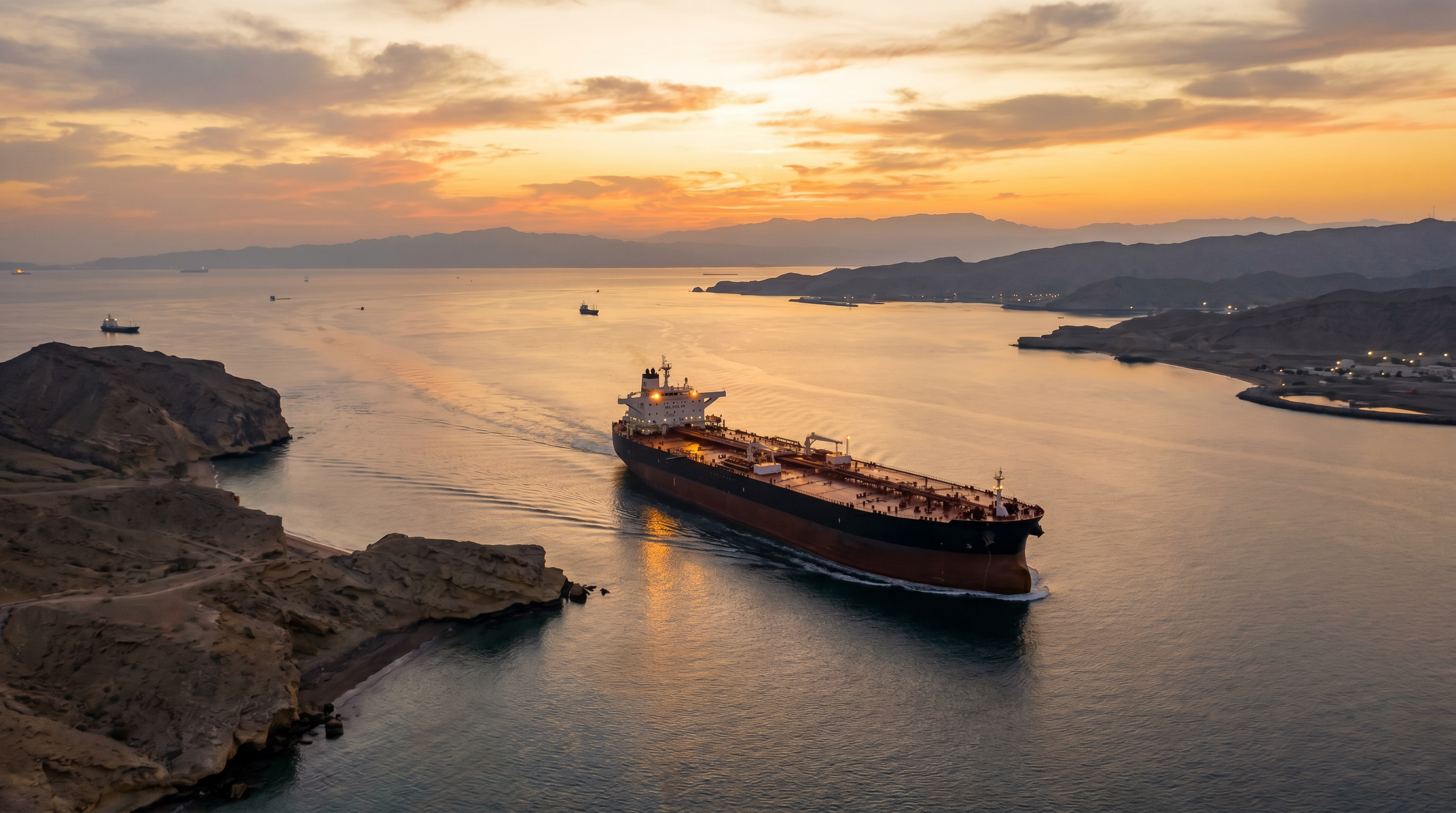
The proposed framework reportedly centers on extending the current, fragile ceasefire and reopening the Strait of Hormuz to commercial shipping. The vital waterway, which facilitates roughly 20 percent of the world's oil supply, has been the focal point of recent hostilities, including a U.S. naval blockade and Iranian retaliatory attacks on maritime traffic. Under the terms outlined by the White House, the U.S. blockade will remain in effect until the final documents are signed, which Trump suggested could happen in Europe as early as this weekend.[2][3]
However, the narrative of a finalized deal faces immediate pushback from Tehran. While Iranian officials acknowledge that significant diplomatic progress has been made, they explicitly deny that a final settlement has been authorized. Iranian Foreign Ministry spokesman Esmaeil Baghaei stated that while conclusions have been reached on a large portion of the issues, "no one can claim that the signing of an agreement is imminent." Semi-official Iranian news agencies further cautioned that any announcements from Washington should be dismissed until formally endorsed by Iran's Supreme Leader.[4][7]
Despite the conflicting timelines, global financial markets reacted with overwhelming relief to the de-escalation. The prospect of averting a full-scale regional war and reopening global energy arteries sent U.S. equities soaring. The Dow Jones Industrial Average leaped by nearly 930 points, while the S&P 500 and Nasdaq composite posted their best single-day performances in months.[5][6]

Despite the conflicting timelines, global financial markets reacted with overwhelming relief to the de-escalation.
The energy sector saw an equally dramatic, inverse reaction. Brent crude, the international oil benchmark, dropped roughly 3 percent to hover near $90 a barrel, alleviating fears that a prolonged closure of the Strait of Hormuz would send energy costs skyrocketing. Analysts noted that the drop in oil prices immediately eases the inflationary pressures that have been weighing heavily on both consumers and central banks worldwide.[5][6]
The diplomatic breakthrough—if it holds—follows a harrowing week of military brinkmanship. Hostilities had recently flared after the downing of a U.S. Apache helicopter and subsequent U.S. strikes that reportedly killed three Indian sailors on a vessel attempting to breach the blockade. Iran had retaliated with drone and missile attacks targeting U.S. bases in neighboring Gulf nations, prompting fears that the conflict was spiraling out of control.[1][4]
Regional powers have played a crucial role in pulling both sides back from the brink. Leaders from Qatar, Saudi Arabia, and the United Arab Emirates reportedly urged the United States to hold off on military action to allow negotiations to proceed. Trump confirmed he had spoken with leaders across the Middle East, including Israeli Prime Minister Benjamin Netanyahu, to coordinate the diplomatic framework.[2][3]

National security experts caution that the emerging arrangement is likely a limited truce rather than a comprehensive treaty. The immediate focus is strictly on ending the active military conflict and securing maritime trade routes. Broader, more intractable issues—most notably Iran's nuclear enrichment program and its support for regional proxy groups—are expected to be deferred to a subsequent 60-day negotiation period.[7]
For the White House, securing a cessation of hostilities represents a critical domestic and foreign policy objective. With inflation concerns dominating the U.S. economic landscape, stabilizing the Middle East and lowering energy prices is viewed as a paramount priority. Yet the ultimate success of the initiative hinges on whether the hardline factions within Iran's Islamic Revolutionary Guard Corps will accept the terms, or if the current pause is merely another false dawn in a volatile standoff.[3][4][7]
How we got here
May 2026
President Trump claims a peace agreement is 'largely negotiated,' but diplomacy stalls.
Early June 2026
Hostilities resume with tit-for-tat strikes, including the downing of a U.S. helicopter and Iranian missile attacks.
June 10, 2026
Trump threatens to hit Iran 'very hard' and suggests seizing the Kharg Island oil terminal.
June 11, 2026
Trump abruptly cancels the strikes, announcing that a peace deal is imminent and approved by Tehran.
Viewpoints in depth
U.S. Administration
Views the agreement as a successful result of military pressure and a definitive step toward regional stability.
The White House argues that its maximum pressure campaign and credible threats of military force have successfully brought Tehran to the negotiating table. By securing a commitment to reopen the Strait of Hormuz, the administration believes it has protected global energy markets and achieved a major diplomatic victory that will pave the way for future concessions on Iran's nuclear program.
Iranian Leadership
Emphasizes that no final deal is signed and views the negotiations as a limited truce rather than a comprehensive surrender.
Iranian officials maintain that their steadfast resistance to U.S. military threats has preserved their negotiating position. They frame the current talks not as a capitulation, but as a pragmatic, limited ceasefire designed to ease economic sanctions and halt military strikes. Tehran insists that any broader issues, particularly regarding its nuclear enrichment rights, remain unresolved and subject to future, separate negotiations.
Financial Markets
Focuses on the economic relief of de-escalation, prioritizing the drop in oil prices and the easing of inflation.
Investors and market analysts view the de-escalation purely through the lens of economic stability. The immediate reopening of the Strait of Hormuz removes a massive risk premium from global oil prices, which in turn eases the inflationary pressures that have been forcing central banks to maintain high interest rates. For the markets, the political nuances of the deal matter less than the tangible reduction in energy costs.
What we don't know
- Whether Iran's Supreme Leader has actually given final approval to the terms of the agreement.
- The exact timeline and location for the formal signing of the documents.
- How the two nations will address Iran's nuclear enrichment program in subsequent negotiations.
Key terms
- Strait of Hormuz
- A vital maritime chokepoint between the Persian Gulf and the Gulf of Oman, through which about 20 percent of the world's oil supply flows.
- Kharg Island
- Iran's primary oil-export terminal, which had been threatened as a potential target for U.S. military strikes.
- Naval Blockade
- The ongoing U.S. military effort to restrict shipping in and out of Iranian ports, which will remain in effect until a deal is signed.
Frequently asked
Did Iran agree to the peace deal?
Iranian officials acknowledge that significant progress has been made, but they explicitly deny that a final agreement has been reached or that a signing is imminent.
What happens to the Strait of Hormuz?
The proposed framework would reopen the Strait to commercial shipping, easing global oil supply fears and lowering energy costs.
Will the deal address Iran's nuclear program?
Reports indicate the immediate deal focuses on extending the ceasefire and reopening shipping lanes, with nuclear negotiations deferred to a later 60-day window.
Sources
Source coverage
7 outlets
3 viewpoints surfaced







[1]ForbesU.S. Administration
Trump Cancels Scheduled Strikes Against Iran, Claiming Progress In Talks
Read on Forbes →[2]CBS NewsU.S. Administration
Trump says he's canceled tonight's strikes, citing progress on a potential deal
Read on CBS News →[3]Fox NewsU.S. Administration
Trump reveals where he wants to sign Iran peace deal--if he gets one
Read on Fox News →[4]The GuardianIranian Leadership
Trump claims US and Iran on verge of signing peace agreement
Read on The Guardian →[5]Al JazeeraFinancial Markets
Stocks markets surge as Trump calls off strikes on Iran, touts peace deal
Read on Al Jazeera →[6]Business InsiderFinancial Markets
Stocks surge after Trump cancels Iran strikes
Read on Business Insider →[7]Arms Control AssociationIranian Leadership
U.S., Iran Near Deal to Avert War, But Nuclear Issues Remain
Read on Arms Control Association →

Every angle. Every day.
Get news politics stories with full source coverage and perspective breakdowns delivered to your inbox.