
Trump Cancels Planned Strikes on Iran, Claiming Peace Deal is Near Amid Conflicting Reports
President Trump called off scheduled military strikes against Iran, asserting that a peace agreement to end the war is nearly finalized. However, Iranian officials and leaked drafts suggest significant disagreements remain over the deal's terms, including nuclear concessions and control of the Strait of Hormuz.
By Factlen Editorial Team
- US Administration
- Argues that military pressure has forced Iran to the table and that the impending deal secures US interests without upfront concessions.
- Iranian Leadership
- Maintains that no final decision has been reached and insists any agreement must recognize Iranian sovereignty over the Strait of Hormuz and release frozen assets.
- Regional Mediators
- Views the conflicting claims as posturing during the final stages of negotiation, emphasizing the fragile nature of the ceasefire.
What's not represented
- · European allies involved in previous nuclear agreements
- · Commercial shipping companies impacted by the blockade
- · Iranian civilians facing the economic brunt of the war
Why this matters
A finalized peace agreement would end the months-long US-Israel-led war against Iran, reopen the vital Strait of Hormuz to global shipping, and stabilize global energy markets. Conversely, if the deal collapses, the region faces the immediate threat of renewed, large-scale military escalation.
Key points
- President Trump canceled planned military strikes on Iran, citing progress on a peace agreement.
- Trump claimed the deal could be signed in Europe as soon as this weekend.
- Iranian officials stated that no final decision has been reached on the draft memorandum.
- Iranian state media claimed the deal includes the immediate release of $24 billion in frozen assets.
- The White House strongly denied the Iranian claims, calling the deal a 'performance-based plan' with no upfront cash.
- The agreement aims to extend the ceasefire for 60 days and reopen the Strait of Hormuz.
President Donald Trump abruptly canceled planned military strikes against Iran on Thursday evening, announcing that a "great settlement" to end the months-long war had been reached. The reversal came just hours after Trump threatened to hit Iran "very hard" and seize its critical oil infrastructure at Kharg Island.[1][5][6]
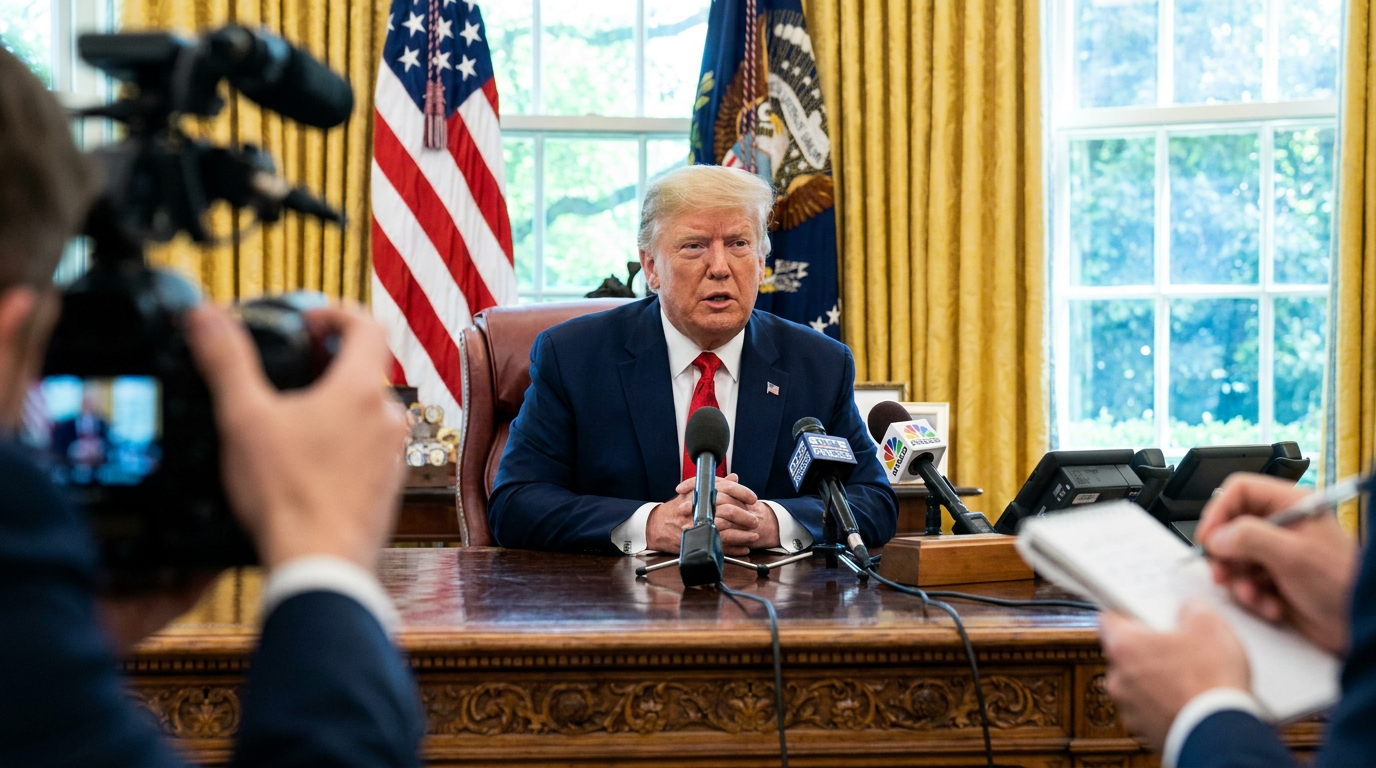
Trump's announcement, made via social media and later from the Oval Office, claimed that the "highest level of Iranian leadership" had approved the final points of a memorandum of understanding. He suggested the agreement could be signed as soon as this weekend in Europe, with Vice President JD Vance attending.[4][8]
The proposed deal aims to halt the US-Israel-led war that began in late February, which has severely disrupted global shipping and energy markets. According to US officials, the agreement would extend the current ceasefire for 60 days, reopen the Strait of Hormuz, and initiate negotiations to dismantle Iran's nuclear program.[4][7]

However, the optimism emanating from the White House was quickly met with caution and contradiction from Tehran. Iranian Foreign Ministry spokesman Esmaeil Baghaei stated that while a large part of the negotiating text was finalized, Iran had "not reached a final conclusion on the agreement."[2][7]
The conflicting narratives highlight significant gaps in how each side interprets the draft terms. Iranian state media outlets, including IRNA and Mehr News, published details suggesting the deal would immediately unfreeze $24 billion in Iranian assets and allow Tehran to manage the Strait of Hormuz in partnership with Oman.[3][5]
These reports also indicated that the agreement would not require immediate concessions on Iran's nuclear program, instead delaying those substantive discussions for the duration of the 60-day ceasefire period.[3][5]
The Trump administration forcefully pushed back against the Iranian media's characterization of the deal. On Friday, Trump dismissed the leaked terms as having "nothing to do with the terms that were agreed to, in writing," calling the Iranian negotiators "very dishonorable people to deal with."[3][6]
The Trump administration forcefully pushed back against the Iranian media's characterization of the deal.
Vice President Vance echoed this sentiment, emphasizing that the agreement is a "performance-based plan." He clarified that Iran would not receive any upfront cash or sanctions relief simply for signing the document, and that economic benefits would only flow once Tehran met strict obligations regarding its nuclear material and regional proxy funding.[5][6]
The diplomatic whiplash follows a volatile week in the Persian Gulf. Prior to the canceled strikes, the US and Iran engaged in tit-for-tat military actions, including Iranian drone attacks on US bases in the region and US strikes targeting Iranian surveillance and air defense systems.[1][6]

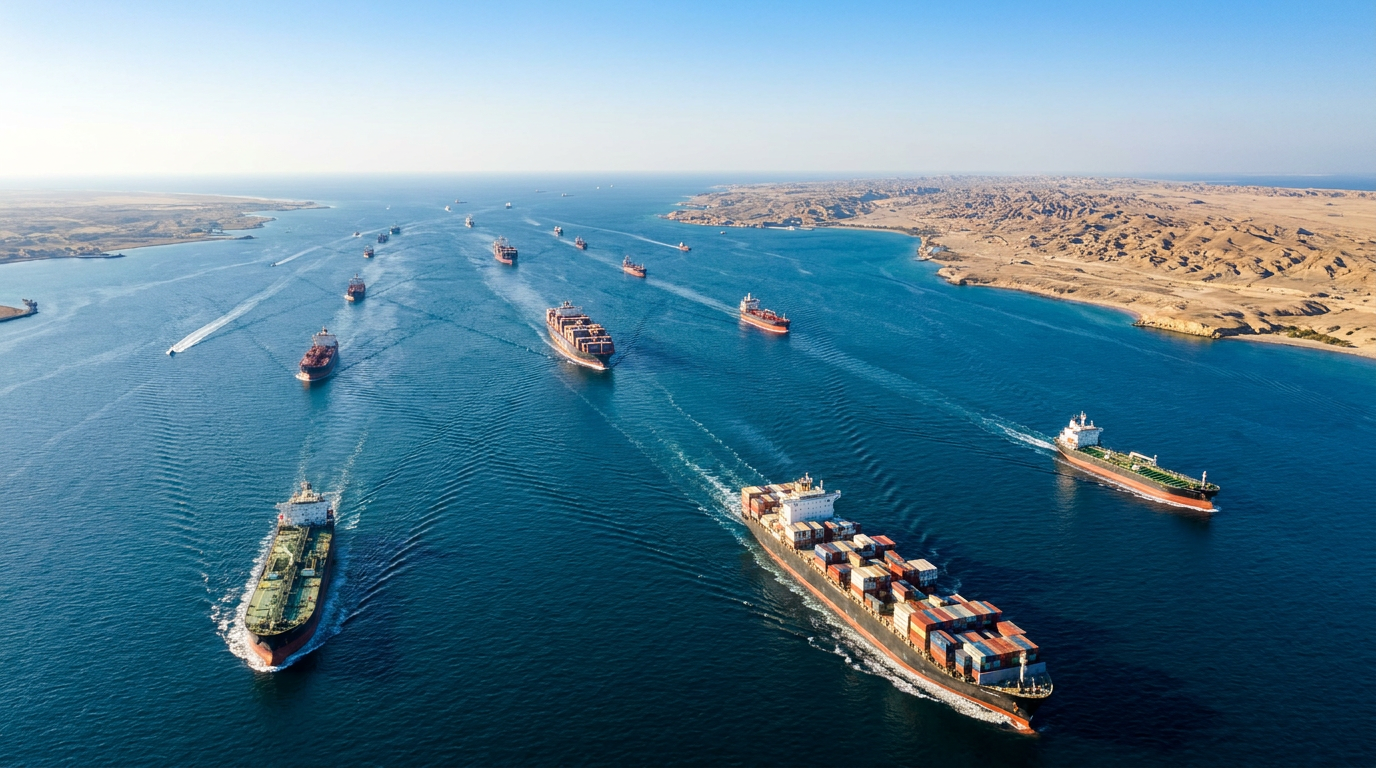
The Strait of Hormuz remains a central flashpoint in the negotiations. The vital waterway, which typically handles about 20% of global crude oil supplies, has seen traffic severely constrained due to Iranian threats and the ongoing US naval blockade.[4][6]
While Trump asserted that the US blockade would remain in full force until the transaction is finalized, Iranian officials have insisted that lifting the blockade is a prerequisite for any lasting peace.[5][8]

Regional allies, including Israel, are closely monitoring the fragile negotiations. Israeli Prime Minister Benjamin Netanyahu was reportedly caught off guard by Trump's sudden announcement, though his office later expressed appreciation for Trump's commitment to ensuring the final agreement dismantles Iran's nuclear enrichment infrastructure.[8]
How we got here
Late Feb 2026
The US and Israel launch a joint military campaign against Iran.
April 2026
A temporary ceasefire comes into effect, though sporadic clashes continue.
June 10, 2026
Iran downs a US Apache helicopter; the US responds with strikes on Iranian surveillance sites.
June 11, 2026 (Morning)
Trump threatens to hit Iran 'very hard' and seize Kharg Island.
June 11, 2026 (Evening)
Trump abruptly cancels the strikes, announcing a 'great settlement' has been reached.
June 12, 2026
Iranian officials and state media dispute the US characterization of the deal's terms.
Viewpoints in depth
US Administration's View
The White House argues that 'maximum pressure' has forced Iran to accept a performance-based peace deal.
President Trump and Vice President Vance maintain that the impending agreement secures vital US and Israeli interests without offering upfront rewards to Tehran. They emphasize that the deal requires the verifiable destruction of Iran's nuclear material and the reopening of the Strait of Hormuz before any of the $24 billion in frozen assets are released. The administration views the canceled strikes as a successful leverage tactic that brought Iranian leadership to the table.
Iranian Leadership's View
Tehran insists that no final agreement has been reached and demands immediate sanctions relief.
Iranian officials and state media portray the draft memorandum as a diplomatic victory that preserves their sovereignty. They claim the proposed terms allow Iran to maintain joint control over the Strait of Hormuz and secure the immediate release of frozen funds, while delaying substantive nuclear negotiations for 60 days. Iranian leaders frame the US cancellation of military strikes as a retreat in the face of Iranian resilience and regional retaliation.
Regional Mediators' View
Observers warn that the conflicting public statements reflect the fragility of the ongoing negotiations.
Mediators from Qatar and Oman, along with independent geopolitical analysts, note that both Washington and Tehran are engaging in intense public posturing to satisfy their respective domestic audiences. They caution that while a draft text exists, the fundamental disagreements over the sequencing of sanctions relief versus nuclear concessions could easily derail the talks, plunging the region back into active warfare.
What we don't know
- The exact timeline for when, or if, the final memorandum of understanding will be signed.
- The specific, verified text of the draft agreement regarding the sequencing of sanctions relief and nuclear concessions.
- How Israel will respond if the final deal does not immediately dismantle Iran's nuclear infrastructure.
Key terms
- Strait of Hormuz
- A vital shipping chokepoint between the Persian Gulf and the Gulf of Oman, through which roughly 20% of the world's crude oil passes.
- Kharg Island
- Iran's primary oil export terminal, located in the Persian Gulf.
- Memorandum of Understanding (MoU)
- A formal agreement between two or more parties that outlines the terms and details of an understanding, often preceding a final treaty.
- Naval Blockade
- The use of naval forces to cut off a specific area, preventing ships from entering or leaving ports.
Frequently asked
Why did President Trump cancel the strikes on Iran?
Trump stated he canceled the planned military strikes because discussions with Iranian leadership had resulted in the approval of a draft peace agreement.
Has Iran officially agreed to the peace deal?
No. Iranian Foreign Ministry officials stated that while a large part of the text is finalized, Iran has not yet reached a final conclusion or officially accepted the deal.
What does the draft agreement say about Iran's frozen assets?
There are conflicting reports. Iranian state media claims the deal immediately releases $24 billion, while the US administration insists no funds will be released until Iran meets strict performance metrics.
Will the Strait of Hormuz reopen?
Reopening the Strait of Hormuz is a key component of the proposed deal, though the US and Iran disagree on who will ultimately manage the shipping corridor.
Sources
Source coverage
8 outlets
3 viewpoints surfaced








[1]NPRRegional Mediators
Trump says he has canceled planned strikes on Iran and peace deal is near — again
Read on NPR →[2]Al JazeeraIranian Leadership
Will there be a deal to end the Iran war this time?
Read on Al Jazeera →[3]The GuardianIranian Leadership
US-Iran peace deal remains elusive as Trump and Tehran trade conflicting claims
Read on The Guardian →[4]CBS NewsUS Administration
Trump says 'settlement' reached on Iran, signing could be as soon as this weekend
Read on CBS News →[5]ForbesUS Administration
Trump Cancels Iran Bombings And Claims Peace Deal Is Approved
Read on Forbes →[6]TIMEUS Administration
Trump Says He Has 'Canceled' Strikes Against Iran After Threatening 'Very Hard' Attack
Read on TIME →[7]AxiosIranian Leadership
Trump claims Iran deal reached, Tehran says no 'final decision'
Read on Axios →[8]Times of IsraelRegional Mediators
Trump calls off strikes on Iran, claims agreement could be signed this weekend in Europe
Read on Times of Israel →

Every angle. Every day.
Get news politics stories with full source coverage and perspective breakdowns delivered to your inbox.