
Trump Cancels Iran Strikes, Claims 'Great Settlement' Reached as Tehran Pushes Back
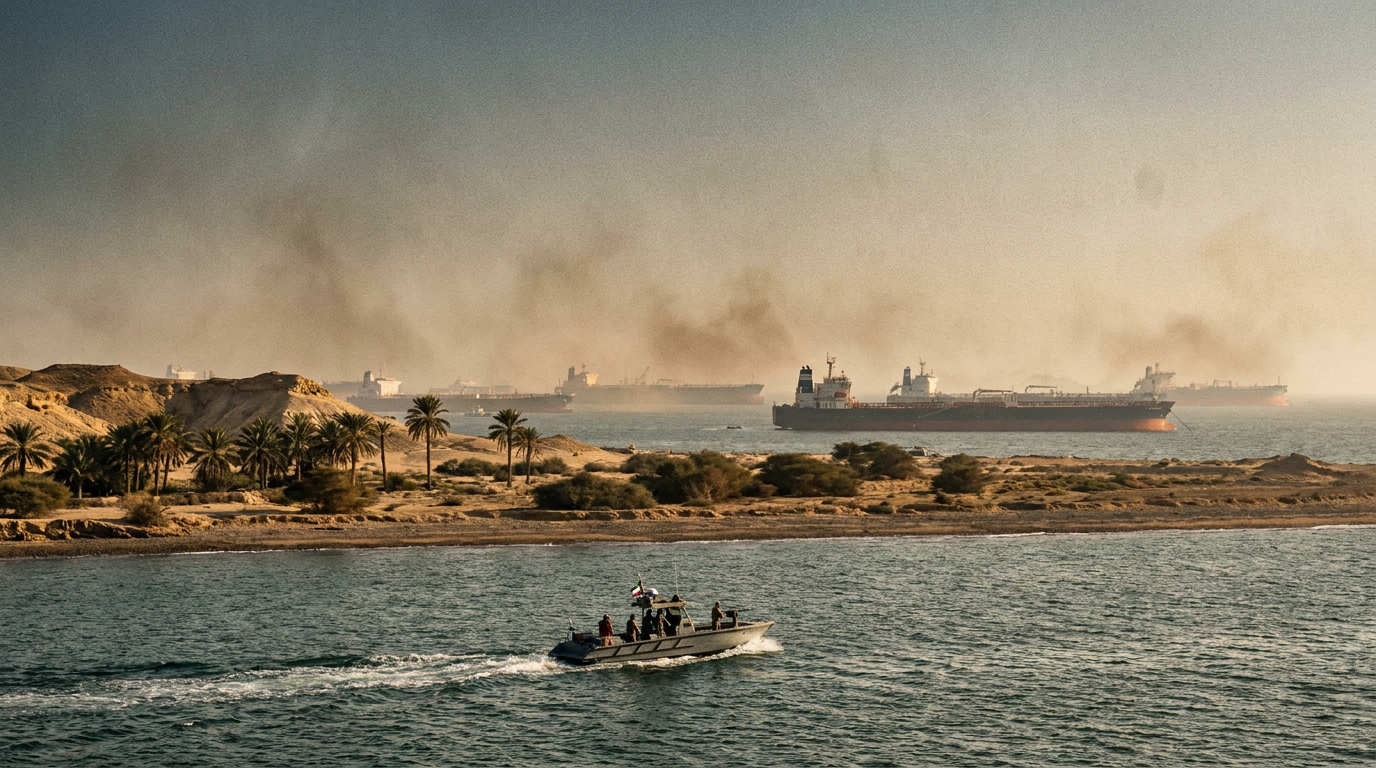
President Trump abruptly canceled planned military strikes against Iran, claiming a peace deal to reopen the Strait of Hormuz is ready to be signed this weekend, though Iranian officials say a final decision has not been made.
By Factlen Editorial Team
- U.S. Administration
- Frames the canceled strikes and impending deal as a successful result of maximum military pressure.
- Iranian Leadership
- Pushes back on the U.S. timeline, insisting that red lines must be met before any final approval.
- Global Markets
- Reacts with intense relief at the prospect of the Strait of Hormuz reopening to commercial shipping.
- Israeli Government
- Maintains distance from the direct negotiations while demanding strict enforcement of nuclear dismantling.
What's not represented
- · Commercial shipping companies who must decide when the Strait is safe to navigate again.
- · Iranian civilians facing the economic brunt of the naval blockade and military strikes.
Why this matters
A U.S.-Iran peace deal would reopen the Strait of Hormuz, ending a naval blockade that has choked global energy supplies and driven up inflation worldwide. If the deal holds, it marks the end of a volatile military conflict; if it collapses, the region risks immediate re-escalation.
Key points
- President Trump canceled planned military strikes against Iran, citing a breakthrough in peace negotiations.
- Trump claimed a deal has been approved by Iran's supreme leader and could be signed in Europe this weekend.
- Iranian officials stated that while progress has been made, a final decision has not yet been reached.
- Global oil prices dropped 4.5% and U.S. stocks surged on hopes that the Strait of Hormuz will reopen.
- The U.S. naval blockade on Iranian ports remains in effect until the agreement is officially signed.
- Israel clarified it is not a party to the deal but supports efforts to dismantle Iran's nuclear infrastructure.
President Donald Trump abruptly canceled a wave of planned military strikes against Iran on Thursday evening, announcing that the United States and Tehran had reached a "great settlement" to end their ongoing military conflict. The reversal came just hours after Trump had threatened to hit the Islamic Republic "very hard" and suggested the U.S. might seize vital Iranian oil infrastructure.[2][3][6]
Speaking from the Oval Office and posting on his Truth Social platform, Trump claimed that the final points of a peace agreement had been approved by the highest levels of Iranian leadership. He indicated that a signing ceremony could take place "maybe over the weekend in Europe," with Vice President JD Vance expected to attend on behalf of the United States.[2][3][8]
The immediate prospect of peace sent shockwaves through global markets, which have been battered by the effective closure of the Strait of Hormuz. Brent crude oil, the international benchmark, plummeted 4.5% to $86.31 a barrel on the news, while U.S. stocks surged, with the Dow Jones Industrial Average jumping more than 800 points as investors priced in the reopening of the critical energy chokepoint.[1][5]

However, Iranian officials quickly pushed back against the White House's definitive timeline. Foreign Ministry spokesperson Esmaeil Baghaei stated that while large parts of the negotiating text have been finalized, Tehran has not reached a "final conclusion" and will not compromise on its established red lines. The proposed agreement is reportedly still being reviewed by Iran's relevant decision-making bodies.[4][8]
However, Iranian officials quickly pushed back against the White House's definitive timeline.
The diplomatic whiplash follows days of intense military escalation. Earlier in the week, Iran shot down a U.S. Apache helicopter over the Strait of Hormuz, prompting two consecutive nights of U.S. Central Command airstrikes targeting Iranian radar, communication infrastructure, and air defense systems along the southern coastline.[3][8]
Amid the crossfire, the U.S. military also executed a secret operation to escort ships carrying more than 100 million barrels of oil out of the Strait, a move Trump credited with preventing global oil prices from spiking to catastrophic levels during the blockade.[1]

The core of the emerging memorandum of understanding reportedly involves Iran committing to never acquire a nuclear weapon and the U.S. lifting its naval blockade of Iranian ports. Trump stated that the Strait of Hormuz would officially reopen "as soon as we sign" the documents.[2][4]
Regional allies are watching the developments closely. Israeli Prime Minister Benjamin Netanyahu held a phone call with Trump on Thursday night. Netanyahu's office subsequently released a statement clarifying that while Israel is not a party to the memorandum of understanding, it appreciates Trump's commitment to ensuring the final agreement includes the dismantling of Iran's enrichment infrastructure and limits on missile production.[2][4]
For now, the U.S. naval blockade remains in full effect. The coming days will test whether Trump's strategy of applying maximum military pressure while keeping a diplomatic off-ramp open has successfully forced a breakthrough, or if the premature announcement will cause the fragile negotiations to collapse.[3][6]
How we got here
Early June 2026
A fragile ceasefire between the U.S. and Iran breaks down amid stalled negotiations.
Monday
Iran shoots down a U.S. Apache helicopter over the Strait of Hormuz.
Tuesday & Wednesday
U.S. Central Command launches consecutive nights of airstrikes against Iranian radar and air defense sites.
Thursday Morning
President Trump threatens to hit Iran 'very hard' and suggests seizing vital oil infrastructure.
Thursday Evening
Trump abruptly cancels the strikes, announcing a 'great settlement' has been reached.
Viewpoints in depth
U.S. Administration
The White House frames the canceled strikes as a victory of maximum pressure.
President Trump and his allies argue that the combination of a strict naval blockade and devastating targeted airstrikes on Iranian air defenses forced Tehran to the negotiating table. By demonstrating a willingness to hit vital infrastructure—and then offering a diplomatic off-ramp at the last second—the administration claims it has secured a historic settlement that will permanently prevent Iran from obtaining a nuclear weapon.
Iranian Leadership
Tehran emphasizes that it will not be rushed into a deal that crosses its red lines.
Iranian officials are actively downplaying the imminence of a signing ceremony, framing the U.S. announcements as premature. While acknowledging that significant progress has been made on the text of a memorandum of understanding, Tehran insists that its internal decision-making bodies must still review the terms. They maintain that any final agreement must include substantial sanctions relief and the unfreezing of assets, refusing to capitulate solely under military threat.
Global Markets
Investors and energy importers are desperate for the Strait of Hormuz to reopen.
For the global economy, the geopolitical nuances of the deal are secondary to the physical flow of oil. The closure of the Strait of Hormuz has acted as a massive tax on the global economy, driving up inflation and forcing central banks to consider raising interest rates. The immediate surge in equities and the sharp drop in crude prices reflect a market that is aggressively pricing in the resumption of normal maritime trade, regardless of the political posturing.
What we don't know
- Whether Iran's internal decision-making bodies will actually approve the final text by this weekend.
- The exact mechanisms by which Iran's nuclear enrichment infrastructure will be dismantled or monitored.
- How quickly commercial shipping companies will feel safe returning to the Strait of Hormuz once the blockade is lifted.
Key terms
- Strait of Hormuz
- A narrow waterway between the Persian Gulf and the Gulf of Oman through which roughly a fifth of the world's oil production flows.
- Naval Blockade
- A military operation in which ships are used to prevent vessels from entering or leaving a country's ports, currently enforced by the U.S. against Iran.
- Brent Crude
- A major trading classification of sweet light crude oil that serves as a benchmark price for purchases of oil worldwide.
- Memorandum of Understanding (MoU)
- A formal agreement between two or more parties that establishes a framework for cooperation, often serving as a stepping stone to a binding treaty.
Frequently asked
Is the war with Iran officially over?
Not yet. While President Trump announced that a settlement has been reached, the documents have not been signed, and Iranian officials say a final decision is still pending.
Why did oil prices drop so suddenly?
Oil prices fell because the proposed peace deal would reopen the Strait of Hormuz, allowing millions of barrels of crude oil to resume flowing to global markets.
What happens if the deal isn't signed this weekend?
President Trump has stated that the U.S. naval blockade will remain in full force until the transaction is finalized, and military strikes could potentially resume if negotiations collapse.
Is Israel part of this peace agreement?
No. The Israeli Prime Minister's office confirmed that Israel is not a party to the memorandum of understanding, though it supports the goal of dismantling Iran's nuclear capabilities.
Sources
Source coverage
8 outlets
4 viewpoints surfaced








[1]The GuardianGlobal Markets
Oil prices plummet as Trump claims he is close to US-Iran deal
Read on The Guardian →[2]CBS NewsU.S. Administration
Trump says he's canceled tonight's strikes, citing progress on a potential deal
Read on CBS News →[3]Fox NewsU.S. Administration
Trump cancels scheduled strikes against Iran, claiming progress in talks
Read on Fox News →[4]Times of IsraelIsraeli Government
Iran says no final decision made following latest US claim that accord is at hand
Read on Times of Israel →[5]BNN BloombergGlobal Markets
World shares surge and oil prices slip over 4% after Trump claims a breakthrough in Iran war talks
Read on BNN Bloomberg →[6]ForbesU.S. Administration
Trump Cancels Strikes On Iran, Claims Peace Deal Will Be Signed ‘Shortly’
Read on Forbes →[7]NPRU.S. Administration
Trump cancels further Iran strikes
Read on NPR →[8]Anadolu AgencyIranian Leadership
Trump cancels planned Iran attacks, says deal nearly 'finalized'
Read on Anadolu Agency →

Every angle. Every day.
Get news politics stories with full source coverage and perspective breakdowns delivered to your inbox.