
Top AI CEOs Unite to Demand Mandatory DNA Screening to Secure Synthetic Biology
In a rare show of industry consensus, the heads of OpenAI, Anthropic, Google DeepMind, and Microsoft AI are urging Congress to mandate strict screening for synthetic DNA orders to proactively prevent the development of AI-assisted bioweapons.
By Logan Price
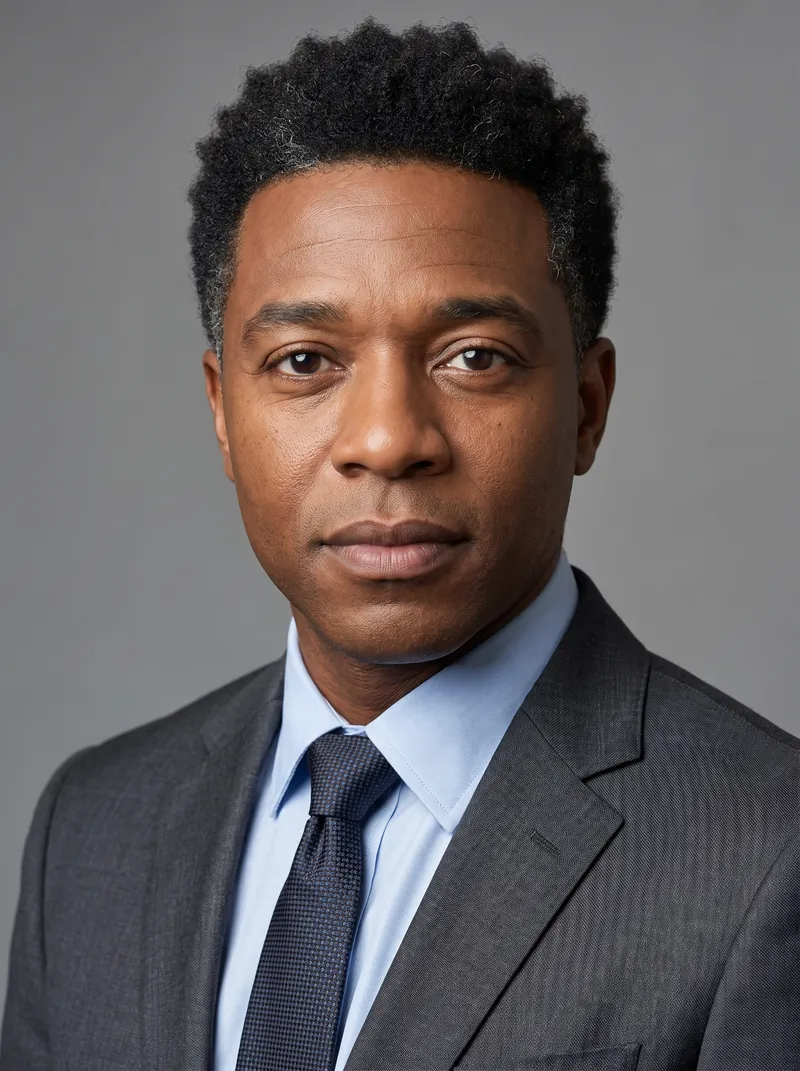
In an unprecedented display of unity, the fiercest rivals in artificial intelligence have joined forces to ask the U.S. government for something tech companies rarely request: strict federal regulation. The chief executives of OpenAI, Anthropic, Google DeepMind, and Microsoft AI have co-signed an open letter urging Congress to mandate comprehensive screening for all synthetic DNA and RNA orders.[1]
The coalition, which includes Sam Altman, Dario Amodei, Demis Hassabis, and Mustafa Suleyman, is throwing its collective weight behind the bipartisan Biosecurity Modernization and Innovation Act of 2026 (S. 3741). The legislation would require the Commerce Department to enforce mandatory vetting of customers and sequences across the gene synthesis industry, closing a critical vulnerability in global biosecurity.[3][4]
The push represents a proactive attempt to secure the physical supply chain before AI capabilities can be exploited. As frontier AI models become increasingly sophisticated at designing proteins and troubleshooting complex laboratory processes, industry leaders warn that the "knowledge barriers" that have historically kept biological weapons out of reach are rapidly eroding.
Artificial intelligence is currently driving a renaissance in life sciences, accelerating drug discovery and enabling breakthroughs like fully AI-designed therapeutics. However, internal "red-teaming" exercises conducted by companies like OpenAI and Anthropic revealed that these same systems could theoretically provide "uplift"—meaningful assistance to bad actors attempting to engineer dangerous pathogens.[1]
Currently, the physical creation of these biological designs relies on commercial DNA synthesis providers, who print genetic code to order. While a coalition of responsible companies known as the International Gene Synthesis Consortium has voluntarily screened orders since 2009, the practice is not legally required. Experts warn that AI tools could help malicious actors identify vendors who skip these voluntary checks or advise them on how to obfuscate dangerous sequences to evade detection.[3]
To neutralize this threat, the AI leaders and biosecurity experts are demanding a universal, legally binding standard. Under the proposed framework, any vendor selling synthetic nucleic acids would be required to screen every sequence against databases of known pathogens, rigorously verify the identity of the buyer, and maintain comprehensive records of all transactions.[4]
The recordkeeping component is particularly crucial. Biosecurity experts note that even if a novel, AI-designed sequence manages to slip through initial screening filters, mandatory transaction logs would allow authorities to trace any subsequent biological threat back to its source. This traceability acts as a powerful deterrent against misuse.[2]
The initiative has garnered support far beyond the AI sector. The open letter, organized by the Institute for Progress and the Foundation for American Innovation, was also signed by Nobel laureate David Baker, former Army Secretary Christine Wormuth, and executives from leading gene synthesis companies like Twist Bioscience and Ansa Biotechnologies.[1]
For the synthetic biology industry, a federal mandate would create a level playing field. Currently, companies that invest heavily in voluntary screening infrastructure bear higher operational costs than competitors who do not. Standardized regulations would ensure that responsible actors are not economically penalized for prioritizing global security.[2]
The unified front presented by the world's top AI labs provides significant political momentum for the Biosecurity Modernization and Innovation Act. By proactively addressing the intersection of digital intelligence and physical biology, the technology sector is aiming to secure a safe foundation for the next generation of medical and scientific breakthroughs, ensuring that AI's benefits far outweigh its risks.[3]
Viewpoints in depth
Frontier AI Labs
Emphasize that proactive guardrails on the physical supply chain are necessary to prevent the misuse of advanced AI models.
Leaders at companies like OpenAI and Anthropic argue that while their models are designed with safety filters, the sheer capability of modern AI to troubleshoot complex biological processes introduces new risks. They believe that regulating the physical synthesis of DNA is a more robust and enforceable chokepoint than attempting to perfectly censor digital information, ensuring that AI's immense benefits to medicine can be realized safely.
Biosecurity Experts
Highlight that voluntary screening is no longer sufficient and that mandatory recordkeeping is crucial for tracing and deterrence.
Researchers and national security officials point out that the current voluntary screening regime leaves dangerous loopholes. If even a small percentage of vendors do not screen orders, malicious actors can exploit those gaps. Furthermore, experts stress that mandatory recordkeeping acts as a powerful deterrent; if bad actors know their orders can be traced back to them, they are significantly less likely to attempt synthesizing dangerous pathogens.
Synthetic Biology Industry
Support standardized federal rules to create a level playing field, ensuring compliance doesn't solely burden responsible actors.
Many established gene synthesis companies already invest heavily in screening infrastructure, which adds to their operational costs. These companies support federal mandates because it forces all competitors to adopt the same security standards. By legally requiring customer verification and sequence screening, the industry can prevent a 'race to the bottom' where less scrupulous vendors undercut prices by skipping vital security checks.
Key points
- The CEOs of OpenAI, Anthropic, Google DeepMind, and Microsoft AI co-signed a letter demanding mandatory DNA screening.
- The coalition supports the bipartisan Biosecurity Modernization and Innovation Act of 2026.
- AI models are eroding the knowledge barriers that historically prevented the creation of biological weapons.
- Mandatory screening and recordkeeping would close loopholes in the current voluntary system.
What we don’t know
- Whether the Biosecurity Modernization and Innovation Act will secure enough votes to pass before the end of the legislative session.
- How smaller, international DNA synthesis vendors operating outside U.S. jurisdiction will be affected by or adapt to these proposed standards.
How we got here
2009
The International Gene Synthesis Consortium is established to champion voluntary screening of DNA orders.
Early 2024
Frontier AI labs begin internal red-teaming exercises to evaluate biosecurity risks posed by large language models.
February 2026
The bipartisan Biosecurity Modernization and Innovation Act is introduced in the U.S. Senate.
June 2026
Top AI CEOs and biosecurity experts release an open letter urging Congress to pass the legislation.
- Frontier AI Labs
- Emphasize that proactive guardrails on the physical supply chain are necessary to prevent the misuse of advanced AI models.
- Biosecurity Experts
- Highlight that voluntary screening is no longer sufficient and that mandatory recordkeeping is crucial for tracing and deterrence.
- Security-Focused Lawmakers
- Argue that mandatory screening is essential to close the gap between rapid AI advancement and biological threat prevention.
- Synthetic Biology Industry
- Support standardized federal rules to create a level playing field, ensuring compliance doesn't solely burden responsible actors.
Perspectives this story doesn't cover
- Open-source AI advocates
- Small-scale academic researchers
Sources
Source coverage
4 outlets
4 viewpoints surfaced




- [1]QuartzFrontier AI Labs
AI chiefs from OpenAI, Anthropic, and Google are urging Congress to require DNA screening to prevent bioweapons
Read on Quartz → - [2]The Wall Street JournalSecurity-Focused Lawmakers
AI CEOs Warn of Biological Weapons Risk
Read on The Wall Street Journal → - [3]STAT NewsBiosecurity Experts
STAT+: Biotech veteran Jeremy Levin on why the industry’s future is secure, but American leadership is at risk
Read on STAT News → - [4]Congress.govSecurity-Focused Lawmakers
S.3741 - Biosecurity Modernization and Innovation Act of 2026
Read on Congress.gov →

More in Artificial Intelligence
See all →Open-Source AI
Mistral AI Releases One-Trillion-Parameter Open-Weight Model Large 4
4 sources
Model Compression
How Per-Channel Outlier Scaling Protects AI Models From 4-Bit Accuracy Collapse
7 sources
Orbital Computing
Google Launches First Project Suncatcher Satellite to Test In-Orbit AI Computing
5 sources

AI Safety
Senior OpenAI Safety Architect Resigns Over Rushed Model Deployment Culture
4 sources
Comments
Every angle. Every day.
Get Artificial Intelligence stories with full source coverage and perspective breakdowns, free every day.