
Tiki-Taka 2.0: How Spain’s World Cup Hopes Hinge on Verticality and Two Young Wingers
After a frustrating opening draw against Cape Verde, Spain's tactical evolution under Luis de la Fuente faces its first major test. The return of Lamine Yamal and Nico Williams is expected to restore the direct, vertical threat that makes La Roja a tournament favorite.
By Ryder James

Share this story
Spain’s opening 0-0 draw against Cape Verde in Group H of the 2026 World Cup felt like an uncomfortable trip back in time for La Roja supporters. Dominating the ball with a staggering 74 percent possession, the European champions completed 734 passes—443 of which occurred in the final third—yet failed to break down a resolute, cohesive defensive block.
The performance lacked the cutting edge that defined their triumphant Euro 2024 campaign, leaving fans and analysts questioning if the ghosts of the 2022 World Cup had returned. However, the context of this opening stalemate reveals less about a systemic collapse and more about the sheer indispensability of two specific players. Without the stratospheric talent of Lamine Yamal and the blistering pace of Nico Williams on the flanks, Spain’s attack relapsed into the sterile, horizontal circulation that modern defenses have learned to comfortably absorb.[2][3]
The absence of Spain's dynamic duo was a precautionary measure by head coach Luis de la Fuente, who opted to rest both wingers as they recovered from minor hamstring concerns. In their place, De la Fuente deployed Gavi as an unconventional left winger, a decision that fundamentally altered the team's attacking geometry.
The manager later explained that the tactical intention behind placing the combative midfielder out wide was to create numerical superiority in the center of the pitch, theoretically opening up channels for late runners arriving from deeper positions. While the logic was sound for a team expecting to dominate the ball, the practical application fell flat. Without natural width to stretch the Cape Verde defense, the central areas became impossibly congested, neutralizing Spain's playmakers and resulting in just seven shots on target despite their overwhelming territorial dominance.
This opening hiccup perfectly illustrated why De la Fuente’s tactical overhaul over the past three years has been so vital to Spain's resurgence. When he took the reins in December 2022, he inherited a squad traumatized by a thousand-pass philosophy that prioritized ball retention over penetration. De la Fuente did not abandon the core tenets of Tiki-Taka; rather, he modernized it into a highly vertical, aggressive system.
The 64-year-old manager recognized that possession without penetration is a fatal vulnerability in modern international football. His iteration of the national team is designed to dominate the ball—regularly holding over 65 percent possession—but they do so with a clear, aggressive intent to damage the opponent the moment a vertical passing lane opens.[1][4]
The linchpins of this "Tiki-Taka 2.0" system are undeniably Yamal and Williams. Unlike the classic Spanish sides of 2010 that relied on intricate, central passing combinations to walk the ball into the net, the 2026 version uses possession as a tool to manipulate the opposition's defensive shape. By circulating the ball patiently across the backline and midfield, Spain intentionally draws the opposing block inward.
Once the defense compresses, the ball is rapidly shifted to the flanks, isolating Yamal or Williams in one-on-one situations. These two wingers possess the rare combination of elite dribbling ability, explosive speed, and the tactical intelligence to either beat their man down the line or cut inside to overload the penalty area, effectively destroying a defensive game plan in an instant.[1][2][3]
Behind this devastating wide threat lies a midfield engine room that remains the envy of world football. Rodri, Pedri, and Fabián Ruiz form a trio that dictates the tempo, manages transitions, and seamlessly recovers secondary balls to sustain attacks. Rodri operates as the undisputed anchor, providing the tactical discipline and physical presence required to shield the defense while orchestrating the build-up play.
Ahead of him, Pedri functions as the ultimate "gap finder." The Barcelona playmaker naturally drifts into the half-spaces between the opponent’s midfield and defensive lines, serving as the crucial link between the methodical build-up and the explosive final third. When the wingers stretch the pitch, Pedri and Ruiz exploit the newly created central pockets, turning horizontal possession into immediate vertical danger.[1][3]
Defensively, De la Fuente has implemented an asymmetrical fullback system that provides both attacking thrust and structural security against counter-attacks. On the right flank, the fullback is instructed to push high and overlap, providing an additional crossing option and allowing Yamal to drift inside onto his favored left foot. Conversely, the left-back—often Marc Cucurella—operates as a tactical disruptor.
In possession, Cucurella frequently tucks inside to form a double pivot alongside Rodri. This inversion not only gives Spain an extra man in the midfield to help circulate the ball, but it also creates a robust defensive shield that stifles central counter-attacks the moment possession is lost, allowing the team to sustain their high-pressing game.[1][2]
Despite the criticism following the Cape Verde draw, De la Fuente has remained steadfast in his commitment to this tactical blueprint, rejecting any notion of panic or a need for systemic changes. He has emphasized the importance of tactical flexibility within his established framework, noting that the squad possesses the depth to adapt to different phases of a match.
The manager's calm demeanor is rooted in the knowledge that his preferred system works exceptionally well when all the pieces are available. He views the opening match not as a failure of philosophy, but as a temporary limitation dictated by personnel availability, expressing absolute confidence that the team will rediscover its devastating form.[4]
The outlook for Spain heading into their crucial second Group H fixture against Saudi Arabia is overwhelmingly positive, buoyed by the return of their star wingers. Both Yamal and Williams have resumed full training, participating in high-intensity drills and signaling their readiness to reclaim their spots in the starting lineup. Their return is expected to immediately rectify the structural imbalances that plagued the opening match.
With natural width restored, the Saudi Arabian defense will be forced to stretch, creating the exact central gaps that Pedri, Ruiz, and striker Mikel Oyarzabal thrive in. The tactical stage is set for Spain to transition from sterile possession back to the dynamic, penetrating football that earned them the European crown.[3]
Ultimately, Spain’s journey in the 2026 World Cup will serve as the ultimate litmus test for De la Fuente’s tactical evolution. If the team can consistently execute this blend of suffocating control and lightning-fast verticality, they possess the tools to dismantle any defensive block in the tournament.
Ultimately, Spain’s journey in the 2026 World Cup will serve as the ultimate litmus test for De la Fuente’s tactical evolution.
The fusion of traditional Spanish technical mastery with modern, direct wing play has created a highly adaptable and lethal system. As the tournament progresses, the success of "Tiki-Taka 2.0" will not only determine Spain's fate in North America but could also establish a new tactical paradigm for possession-based teams worldwide, proving that control and destructive power are not mutually exclusive.[1]
Key points
- Spain drew their opening 2026 World Cup match 0-0 against Cape Verde despite holding 74% possession.
- Manager Luis de la Fuente rested starting wingers Lamine Yamal and Nico Williams due to minor hamstring issues.
- Without natural width, Spain struggled to penetrate the defense, highlighting their reliance on the wingers for verticality.
- Both Yamal and Williams have returned to full training and are expected to start against Saudi Arabia.
How we got here
Dec 2022
Luis de la Fuente takes over the national team, promising a more direct and vertical approach to possession.
Jul 2024
Spain wins Euro 2024, validating the 'Tiki-Taka 2.0' system on the international stage.
Jun 15, 2026
Spain draws 0-0 with Cape Verde in their World Cup opener while resting their starting wingers.
Jun 21, 2026
Lamine Yamal and Nico Williams return to full training ahead of the crucial Saudi Arabia match.
- Tactical Analysts
- Argue that Spain's possession is only effective when anchored by genuine wide threats to stretch low blocks.
- The Coaching Staff
- Emphasize tactical flexibility, squad rotation, and the belief that the system can adapt to different personnel and opponents.
- National Team Supporters
- Expect aesthetic dominance but are quick to criticize sterile possession when the team fails to produce clear goal-scoring opportunities.
Perspectives this story doesn't cover
- Opposing Group H Managers
Sources
Source coverage
4 outlets
3 viewpoints surfaced




- [1]The IndependentTactical Analysts
How Spain have developed 'tiki-taka 2.0' in pursuit of World Cup glory
Read on The Independent → - [2]Sports MoleTactical Analysts
Spain vs. Saudi Arabia: Lamine Yamal and Nico Williams ready to turn sterile possession into World Cup statement
Read on Sports Mole → - [3]The GuardianNational Team Supporters
England World Cup 2026 team guide
Read on The Guardian → - [4]TribunaThe Coaching Staff
Luis de la Fuente on squad rotation, tactical flexibility
Read on Tribuna →

More in Sports
See all →Tactics
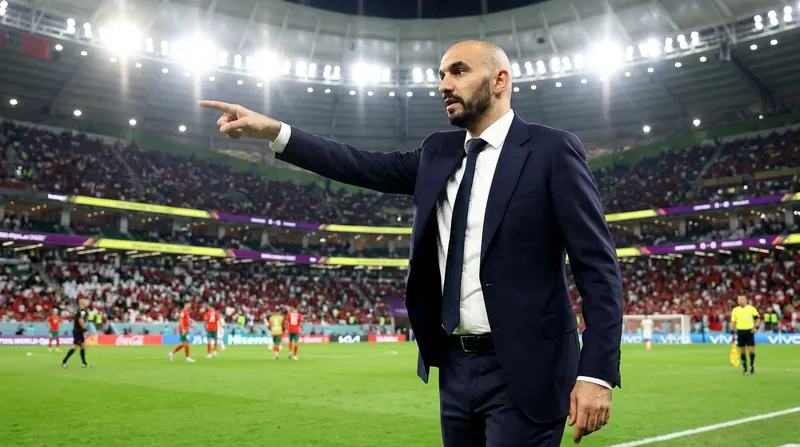
The Possession Metamorphosis: How Walid Regragui Rewrote Morocco's Tactical DNA for the 2026 World Cup
2 sources
Tactics
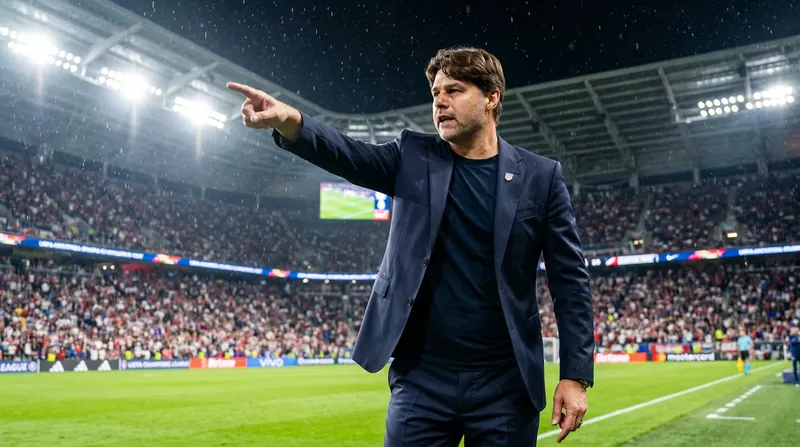
The Pochettino Press: How the United States Forged a High-Octane Identity for the 2026 World Cup
5 sources
Tactics
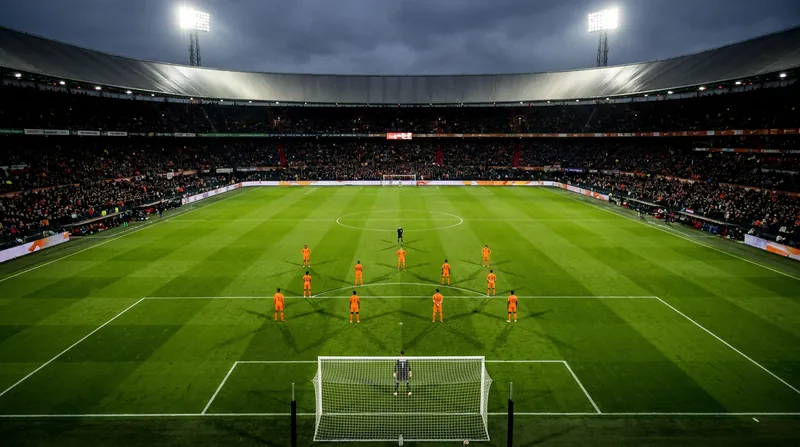
The Dutch Hybrid: How Ronald Koeman Reengineered the Netherlands' Tactical DNA
2 sources
Tactics
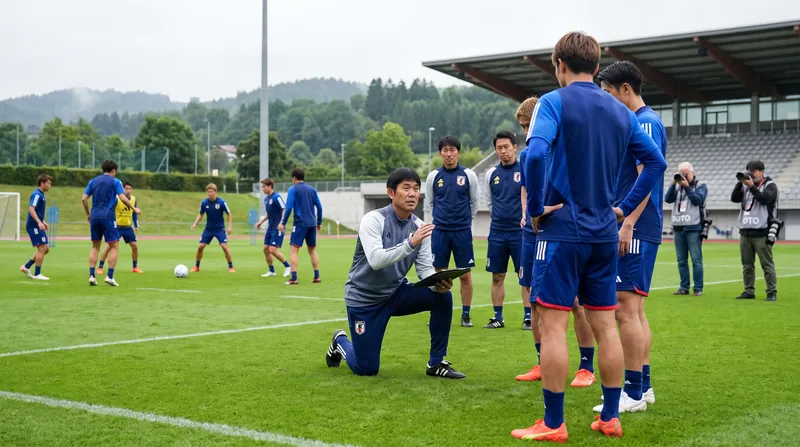
The Hybrid Engine: How Hajime Moriyasu Transformed Japan from Counter-Attackers to Possession Architects
4 sources
Comments
Every angle. Every day.
Get Sports stories with full source coverage and perspective breakdowns, free every day.