
The Rise of the Longevity Home: How Wellness is Rewriting Luxury Real Estate
High-end buyers are trading traditional amenities for in-home longevity centers, circadian lighting, and medical-grade filtration as "wellness real estate" becomes a trillion-dollar market.
By Factlen Editorial Team
- Longevity Advocates
- View the home as a proactive health platform designed to extend the years of healthy, independent life.
- Real Estate Developers
- Focus on the strong market demand and the 10-25% price premium that wellness features command.
- Urban Health Planners
- Emphasize the need to democratize these health-centric building principles for the middle market and affordable housing.
What's not represented
- · Middle-income homebuyers
- · Traditional healthcare providers
Why this matters
The environments we live in dictate our long-term health. As homes evolve to actively monitor and improve human biology, the concept of preventive healthcare is shifting from the doctor's office directly into the living room.
Key points
- The wellness real estate market is projected to reach $1.1 trillion by 2029.
- Luxury buyers are prioritizing healthspan features over traditional aesthetic amenities.
- Homes now feature medical-grade air filtration and circadian lighting systems.
- New developments are integrating on-site medical clinics and AI diagnostics.
- Wellness-focused properties command a 10% to 25% price premium in the market.
- The trend is beginning to expand from ultra-luxury into middle-market housing.
The era of the marble lobby and the dark, treadmill-lined basement gym is fading. Today’s luxury real estate buyers are evaluating properties through an entirely different lens, asking how a building will optimize their sleep, filter their air, and actively extend their healthspan.[2]
This shift has birthed a new category of property known as the "longevity residence." Moving beyond traditional wellness amenities like a nice spa or a yoga studio, these homes integrate preventive medicine, advanced diagnostics, and biohacking directly into the fabric of daily life.[3][4]
The financial momentum behind this movement is staggering. According to the Global Wellness Institute (GWI), the wellness real estate market reached $548 billion in 2024 and is projected to double to $1.1 trillion by 2029.[3][5]

To put that trajectory into perspective, the sector is growing at an annual rate of 19.5 percent. That is nearly four times faster than the 5.5 percent growth rate of the general global construction industry, making it the fastest-growing segment in the entire wellness economy.[3][5]
The foundation of a longevity residence lies in its invisible infrastructure. Developers are moving away from isolated perks and toward coordinated, whole-home environmental systems. This includes medical-grade HEPA air filtration, ozone-enhanced water purification, and the strict use of low-emission building materials.[2][4]
Lighting design has also undergone a radical transformation. High-end properties now feature automated circadian lighting systems that mimic the natural progression of the sun. By suppressing blue light in the evening, these systems help optimize residents' natural melatonin production and promote deeper, more restorative sleep.[2][3]

The traditional luxury building model—which typically dedicates a single floor to shared amenities—is being entirely rethought. In markets like Miami, developments such as THE WELL Coconut Grove and 619 Brickell are dedicating massive, multi-floor footprints to comprehensive wellness clubs and longevity centers.[2]
The traditional luxury building model—which typically dedicates a single floor to shared amenities—is being entirely rethought.
Inside these spaces, the equipment goes far beyond free weights. Residents have access to clinical-grade recovery tools that were previously only found in specialized sports medicine facilities, including hyperbaric oxygen chambers, cryotherapy, and red light therapy rooms.[2]
The most ambitious projects are taking the unprecedented step of integrating clinical diagnostics into residential communities. In Utah, the Velvaere community is partnering with Fountain Life to offer residents early-disease detection and precision diagnostics right at home.[3]
Internationally, the scale is even larger. The planned Elysium Fields development in Melbourne, Australia, aims to pair luxury living with an on-site reverse-aging medical clinic, offering residents routine access to MRIs, brain imaging, and comprehensive blood analysis as part of their community dues.[3]

Hospitality brands are capitalizing heavily on this demand through "branded residences." Luxury hotel operators like Six Senses, Aman, and Mandarin Oriental are translating their resort-style wellness philosophies into permanent residential living, offering 24/7 concierge health services.[6][7]
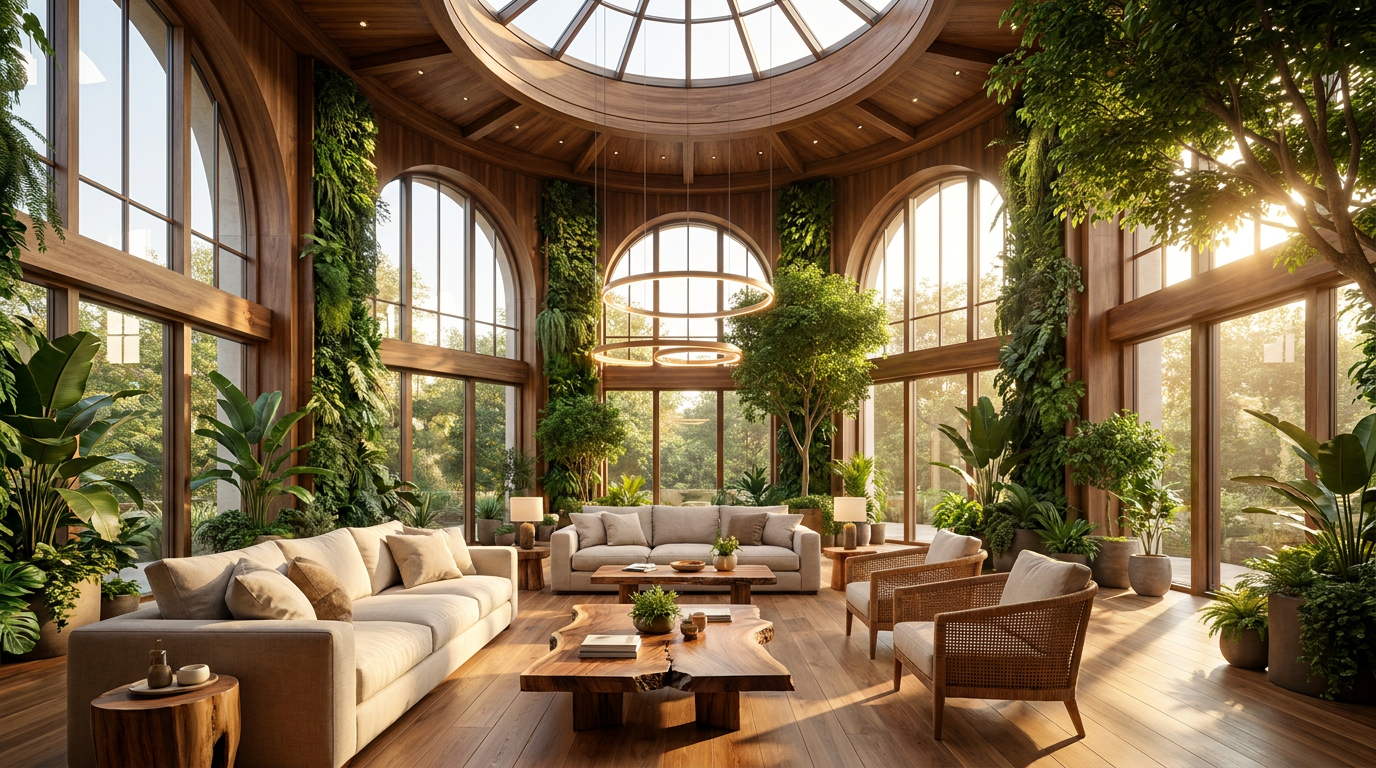
These branded developments often emphasize biophilic design—an architectural approach that connects occupants to the natural environment. Projects like the Six Senses Residences in Comporta, Portugal, utilize organic materials, warm textures, and expansive indoor-outdoor living spaces to foster psychological well-being and nervous system regulation.[6]
For developers, the economic incentives are clear. Extensive research indicates that wellness-focused residential properties command a significant price premium, typically selling for 10 to 25 percent more than comparable traditional luxury homes.[3]

While the trend is currently dominated by the ultra-wealthy, industry analysts note that wellness real estate is beginning to democratize. As the technologies become more accessible, health-centric design principles are slowly making their way into the middle market, including multifamily and affordable housing projects.[1][3]
Ultimately, this architectural evolution reflects a profound change in how society views aging and health. True healthspan gains are not achieved during a one-off clinic visit or a week-long retreat; they happen through daily habits. By embedding health into the built environment, the home itself is becoming the ultimate longevity tool.[1][3][4]
How we got here
2018
The Global Wellness Institute releases its first report formally defining the wellness real estate sector.
2020
The global pandemic dramatically accelerates consumer demand for healthy home environments and medical-grade air filtration.
2024
The wellness real estate market surpasses $548 billion, accounting for over 3% of all global construction.
2026
A new wave of "longevity residences" launches globally, integrating on-site medical clinics and AI diagnostics into daily living.
Viewpoints in depth
Longevity Advocates
View the home as a proactive health platform designed to extend the years of healthy, independent life.
For longevity experts and health-conscious buyers, the home is no longer just a place to sleep—it is an active participant in human biology. This camp argues that true healthspan gains cannot be achieved through occasional clinic visits or annual wellness retreats. Instead, they require a frictionless environment where preventive care, optimal sleep architecture, and clean air are built into the daily routine. By integrating diagnostics and recovery tools into the home, they believe individuals can fundamentally alter their aging trajectory.
Real Estate Developers
Focus on the strong market demand and the 10-25% price premium that wellness features command.
From a development perspective, wellness real estate represents the most lucrative structural shift in the market in decades. Developers note that buyers are increasingly willing to pay a 10% to 25% premium for homes that offer verifiable health benefits. Consequently, builders are reallocating capital away from traditional luxury finishes—like imported marble or massive home theaters—and investing heavily in invisible infrastructure, such as hospital-grade HVAC systems and commercial-scale water purification, to meet the demands of a highly educated, health-focused clientele.
Urban Health Planners
Emphasize the need to democratize these health-centric building principles for the middle market and affordable housing.
While celebrating the advancements in building science, urban health planners stress that clean air, non-toxic materials, and circadian lighting should not be exclusive to the ultra-wealthy. This perspective advocates for the democratization of wellness real estate, pushing for updated building codes and incentives that would bring these health-enhancing technologies into multifamily developments and affordable housing. They argue that scaling these innovations is essential for addressing broader public health challenges and reducing the societal burden of chronic disease.
What we don't know
- How quickly these high-end wellness technologies will become affordable for the middle-market housing sector.
- The long-term, peer-reviewed clinical outcomes of living in a dedicated longevity residence compared to a traditional home.
Key terms
- Healthspan
- The period of a person's life during which they are generally healthy and free from serious or chronic illness, as opposed to total lifespan.
- Biophilic Design
- An architectural approach that seeks to connect building occupants more closely to nature through the use of natural lighting, ventilation, landscape features, and organic materials.
- Circadian Lighting
- Lighting systems designed to align with the human biological clock, adjusting color temperature and intensity throughout the day to support natural sleep-wake cycles.
- Branded Residences
- Private homes affiliated with a luxury brand—often a high-end hotel—that offer residents access to premium amenities, services, and property management.
- Hyperbaric Oxygen Therapy
- A medical treatment where a person breathes pure oxygen in a pressurized room or chamber, increasingly used in longevity centers for cellular recovery and healing.
Frequently asked
What is a longevity residence?
A home designed to actively support long-term health by integrating preventive medicine, advanced diagnostics, and wellness technology directly into daily living.
How much does wellness real estate cost?
While prices vary widely by market, data shows that wellness-focused residential properties typically command a 10% to 25% price premium over standard luxury homes.
What is circadian lighting?
A smart lighting system that mimics the natural progression of the sun, shifting to warmer, blue-light-free tones in the evening to help regulate the body's sleep cycles.
Why are hotel brands building private homes?
Luxury hospitality brands like Six Senses and Aman are expanding into "branded residences" to offer their signature wellness philosophies and concierge services to permanent homeowners.
Sources
Source coverage
7 outlets
3 viewpoints surfaced







[1]ForbesUrban Health Planners
The Wellbeing Address — Where You Live Is How Long You Live
Read on Forbes →[2]Haute LivingLongevity Advocates
Why Wellness Residences Miami Buyers Prioritize This Category
Read on Haute Living →[3]Global Wellness InstituteLongevity Advocates
Build Well to Live Well: The Future
Read on Global Wellness Institute →[4]Engel & VölkersReal Estate Developers
Luxury real estate trends 2026: How lifestyle and wellness are redefining premium property
Read on Engel & Völkers →[5]Hospitality DesignReal Estate Developers
Wellness Real Estate Market Expected To Top $1 Trillion by 2029
Read on Hospitality Design →[6]JamesEditionReal Estate Developers
Six Senses Residences Comporta, Portugal: A Rare Coastal Sanctuary
Read on JamesEdition →[7]Dream Real EstateReal Estate Developers
Branded Residences in 2026: Wellbeing, Location and Experience
Read on Dream Real Estate →
Every angle. Every day.
Get real estate stories with full source coverage and perspective breakdowns delivered to your inbox.