
The Rise of Acoustic Tourism: Why Travelers Are Seeking Out Certified 'Quiet Parks'
As noise pollution reaches unprecedented levels, a new travel trend is emerging: acoustic tourism. Travelers are flocking to certified 'Quiet Parks' to experience the profound health benefits of natural silence.
By Factlen Editorial Team
- Acoustic Conservationists
- Argue that natural soundscapes are an endangered resource that must be protected from human encroachment for the benefit of wildlife and ecology.
- Wellness & Luxury Travelers
- View silence as a premium commodity and a necessary antidote to the burnout and overstimulation of modern digital life.
- Public Health Researchers
- Focus on the physiological damage caused by chronic noise pollution and the measurable medical benefits of quiet environments.
What's not represented
- · Local communities living near quiet parks who may face new economic or developmental restrictions.
- · Aviation and transportation industries whose routes create the noise pollution.
Why this matters
Chronic noise pollution is increasingly linked to cardiovascular disease and chronic stress. Understanding where and how to find true acoustic quiet offers a scientifically backed method for lowering cortisol, improving sleep, and restoring mental clarity.
Key points
- Acoustic tourism is a rapidly growing travel trend focused on destinations free from human-made noise.
- Quiet Parks International certifies locations globally, requiring background noise to remain below 45 decibels.
- Chronic noise pollution is linked to high blood pressure, elevated cortisol, and cardiovascular disease.
- Studies show that just two minutes of silence can lower heart rate more effectively than relaxing music.
- The movement is expanding beyond remote wilderness to include accessible Urban Quiet Parks in major cities.
In an era defined by constant digital connectivity and urban expansion, the ultimate travel luxury is no longer a high-tech spa or a bustling resort—it is the absolute absence of human-made noise. As commercial air traffic and industrial sprawl continue to expand, true silence has become an increasingly scarce and highly sought-after resource. Acoustic ecologists estimate that 97 percent of the United States population is now regularly exposed to noise from aviation or highways, and a vast majority of children may never experience pure natural quiet in their lifetimes. In response to this sensory overload, a rapidly growing movement known as "acoustic tourism" or "quiet travel" is fundamentally reshaping the global travel industry, drawing visitors to the quietest corners of the globe.[3][1][8]
This trend represents a profound shift in how modern travelers define relaxation and restoration. Rather than seeking out constant entertainment, curated playlists, or crowded tourist hotspots, a new wave of vacationers is embarking on "quiet-cations" to destinations where the acoustic environment is rigorously protected. This pursuit goes far beyond simply turning off smartphones or taking a digital detox in a hotel room; it is about physically relocating to pristine environments where the hum of modern machinery, the roar of engines, and the chatter of crowds simply cannot reach. Travelers are prioritizing destinations that offer a deep, uninterrupted connection with the natural soundscape.[2][4]
At the center of this burgeoning movement is Quiet Parks International (QPI), a pioneering non-profit organization dedicated to identifying and preserving the planet's last remaining quiet places. Founded by acoustic ecologist Gordon Hempton—who famously established the "One Square Inch of Silence" in Washington's dense Olympic National Park—the organization treats natural soundscapes as an endangered resource. Much like clean water, dark night skies, or old-growth forests, QPI argues that natural quiet requires active conservation efforts and legal protection to survive the relentless encroachment of modern industrialization and transportation networks.[7][2][3]
To earn a highly coveted "Quiet Park" designation, a location must undergo rigorous and prolonged scientific testing. Acoustic engineers deploy calibrated sound level meters to record decibels across different time slots, weather conditions, and strategic locations within the proposed park. For wilderness designations, the background human-made noise must generally not exceed 45 decibels. This strict threshold ensures that the dominant sounds experienced by a visitor are entirely natural—the gentle rustling of leaves in the wind, the steady flow of a distant river, or the intricate calls of local wildlife.[8][2]

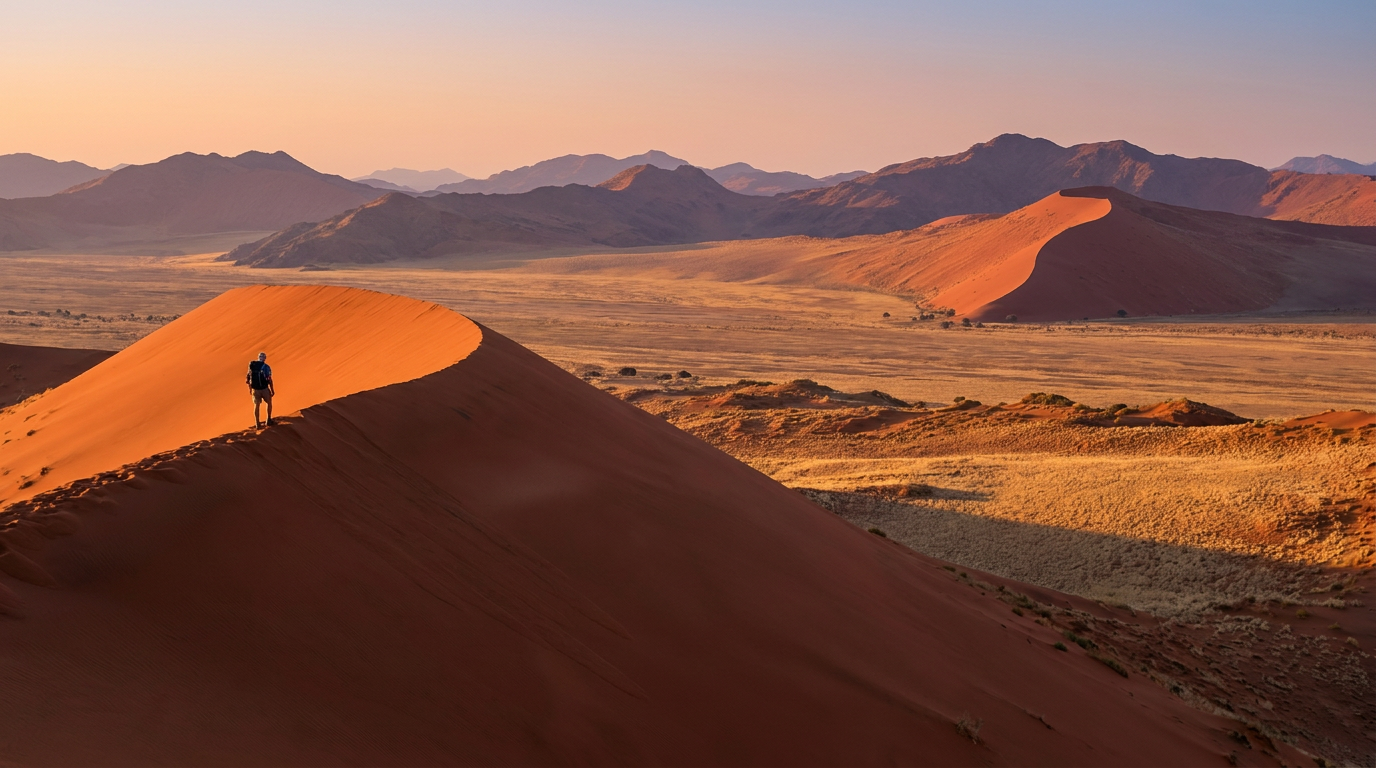
The geographic diversity of these protected acoustic spaces is rapidly expanding as more countries recognize the value of sound conservation. Ecuador’s Zabalo River made history by becoming the world’s first certified Wilderness Quiet Park, offering an immersive environment where the nearest concentration of human activity is a small village located roughly ten miles away. More recently, Namibia’s vast NamibRand Nature Reserve—spanning over 200,000 hectares of striking red dunes and open desert—joined the exclusive list. This milestone not only cemented Africa's role in the acoustic conservation movement but also highlighted the global demand for vast, undisturbed spaces.[1][3][4]
However, the pursuit of quiet is not strictly limited to remote, hard-to-reach wilderness areas. Recognizing that most people cannot easily travel to the Amazon basin or the Namib Desert, conservationists are also actively identifying and certifying "Urban Quiet Parks." Mount Tabor Park, a 175-acre forested space on the eastern edge of Portland, Oregon, was successfully certified after acoustic engineers recorded background noise levels hovering between 38 and 43 decibels. These urban sanctuaries provide critical, highly accessible acoustic relief for city dwellers who desperately need a break from the relentless cacophony of metropolitan life.[2][7]
However, the pursuit of quiet is not strictly limited to remote, hard-to-reach wilderness areas.
The sudden surge in acoustic tourism is heavily backed by a growing body of medical and psychological research detailing the severe health impacts of noise pollution. Chronic exposure to human-made noise—even low-level, easily ignored background hums from distant traffic, HVAC systems, or appliances—keeps the human nervous system in a subtle but constant state of "fight-or-flight." This chronic acoustic stress is heavily linked by public health researchers to elevated cortisol levels, high blood pressure, sleep disruption, and a significantly increased risk of long-term cardiovascular disease.[5][6]
Conversely, the physiological benefits of experiencing true silence are both profound and immediate. A landmark cardiovascular study published in the medical journal Heart demonstrated that just two minutes of absolute silence produced a significantly greater relaxation effect—measured by drops in both heart rate and blood pressure—than listening to soothing, slow-tempo relaxation music. Silence effectively allows the nervous system to shift out of a defensive, hyper-vigilant posture and into a restorative state of repair and biological balance, giving the body permission to heal from the baseline stress of modern life.[5][8]

Furthermore, the specific type of quiet found in nature plays a highly unique role in cognitive restoration and mental health. Natural environments are rarely completely silent; instead, they feature what environmental psychologists call "non-threatening randomness"—the unpredictable but gentle sounds of wind moving through trees, water flowing over rocks, and distant birdsong. This specific acoustic profile gently engages the human mind without taxing it, effectively lowering cognitive load and reducing the severe mental fatigue that is so frequently associated with navigating loud, densely populated urban environments.[6][8][5]
The global travel industry is rapidly adapting its infrastructure to monetize and support this surging demand for stillness. Luxury safari operators, high-end wellness retreats, and boutique hotels are pivoting their marketing strategies away from high-adrenaline activities and packed itineraries, instead emphasizing their exclusive access to vast, acoustically undisturbed spaces. Industry analysts and booking platforms note that modern travelers are increasingly willing to pay a premium for "acoustic luxury," which includes heavily soundproofed accommodations, off-grid cabins, and guided silent walking tours where verbal communication is strictly prohibited.[4][1][8]
Despite the widespread enthusiasm, the acoustic tourism movement faces significant logistical and environmental challenges. The relentless proliferation of commercial flight paths, commercial drone technology, and resource extraction means that the boundaries of human noise are constantly expanding into previously untouched areas. Protecting a visual landscape is often much easier than protecting an acoustic one, as low-frequency sound waves from a distant highway or a high-altitude jet can travel for miles beyond a national park's physical borders, instantly shattering the illusion of pristine wilderness.[3][7]

There is also a distinct psychological hurdle for many modern travelers attempting to embrace this trend. For individuals who have grown accustomed to the constant, comforting stimulation of podcasts, smartphone notifications, and urban density, sudden immersion in profound natural silence can initially feel highly disconcerting, intimidating, or even isolating. Wilderness guides and acoustic ecologists often note that it typically takes several hours—and sometimes a full day—for a traveler's overstimulated nervous system to fully down-regulate and comfortably acclimate to the total absence of artificial noise.[2][6][8]
Looking ahead, the framework for acoustic conservation is poised to expand significantly across the travel sector. Organizations are actively developing rigorous acoustic standards for Marine Quiet Parks, Quiet Trails, and even certified Quiet Hotels, aiming to create a comprehensive, reliable infrastructure for sound conservation worldwide. By treating silence not as an empty, intimidating void, but as a rich, restorative, and highly valuable presence, acoustic tourism is successfully redefining the ultimate goal of travel: allowing people to return home truly rested and biologically restored.[3][7][8]
How we got here
2005
Acoustic ecologist Gordon Hempton establishes the "One Square Inch of Silence" in Washington's Olympic National Park.
2019
Quiet Parks International (QPI) is officially founded to identify, certify, and protect quiet places globally.
2020
The Zabalo River in Ecuador is certified as the world's first Wilderness Quiet Park.
2023
Mount Tabor Park in Portland, Oregon, becomes the first certified Urban Quiet Park in the United States.
2025
Namibia's NamibRand Nature Reserve is designated as Africa's first Wilderness Quiet Park.
Viewpoints in depth
The Conservationist View
Treating soundscapes as an endangered natural resource.
For acoustic ecologists, the absence of human noise is not just a perk for tourists—it is a critical ecological baseline. Organizations like Quiet Parks International argue that noise pollution disrupts wildlife communication, mating calls, and predator-prey dynamics. By certifying parks, they hope to create legal and economic incentives for governments to reroute flight paths and limit industrial development near pristine acoustic environments.
The Public Health View
Framing silence as a medical necessity rather than a luxury.
Medical researchers view the acoustic tourism trend through the lens of preventative health. Chronic noise pollution is increasingly recognized as a public health crisis linked to hypertension, sleep disruption, and elevated stress hormones. From this perspective, quiet parks serve as vital public health infrastructure. Researchers emphasize that even short, accessible micro-doses of natural quiet—such as visiting an urban quiet park—can significantly lower cortisol and improve cardiovascular metrics.
What we don't know
- Whether airlines and industrial operations will agree to reroute flight paths and supply chains to protect designated quiet zones.
- How the travel industry will balance the growing demand for acoustic tourism with the noise generated by the tourists themselves.
Key terms
- Acoustic Tourism
- A travel trend focused on visiting destinations with exceptionally low levels of human-made noise to experience natural soundscapes.
- Quiet Parks International (QPI)
- A non-profit organization that researches and certifies locations globally based on their natural acoustic purity and lack of noise pollution.
- Noise Pollution
- Harmful or annoying levels of human-made noise, typically from traffic, industry, or aviation, linked to chronic physiological stress.
- Decibel (dB)
- A standard unit of measurement used to quantify the intensity and loudness of a sound.
- Non-threatening randomness
- The unpredictable but gentle acoustic patterns found in nature, such as rustling leaves, which engage the mind without causing stress.
Frequently asked
What qualifies as a certified Quiet Park?
Locations must undergo rigorous acoustic testing, demonstrating that background human-made noise remains below 45 decibels, allowing natural soundscapes to dominate.
Is a Quiet Park completely silent?
No. The goal is the absence of human-made noise like traffic or machinery, not the absence of natural sounds like wind, water, or wildlife.
Why is noise pollution considered a health risk?
Chronic exposure to high noise levels keeps the nervous system in a state of stress, which is linked to elevated cortisol, high blood pressure, and cardiovascular disease.
Can I find quiet parks in cities?
Yes. Organizations are beginning to certify Urban Quiet Parks, such as Mount Tabor Park in Portland, which offer accessible acoustic relief within metropolitan areas.
Sources
Source coverage
8 outlets
3 viewpoints surfaced








[1]Fast CompanyWellness & Luxury Travelers
The silent walking and quiet travel trend
Read on Fast Company →[2]OutsideWellness & Luxury Travelers
9 Hush-Hush Destinations for Your Next Quiet Adventure
Read on Outside →[3]GlobetrenderAcoustic Conservationists
Why Quiet Parks International wants to preserve silence in natural spaces
Read on Globetrender →[4]Discover AfricaWellness & Luxury Travelers
The Rise of Quiet Parks: A Global Movement for Preservation
Read on Discover Africa →[5]HealthlinePublic Health Researchers
The Hidden Health Benefits of Silence
Read on Healthline →[6]National Institutes of HealthPublic Health Researchers
Moments of quietness and loneliness: The psychological impact of nature and silence
Read on National Institutes of Health →[7]Quiet Parks InternationalAcoustic Conservationists
Saving quiet for the benefit of all life
Read on Quiet Parks International →[8]Factlen Editorial TeamPublic Health Researchers
Synthesis by Factlen editorial team
Read on Factlen Editorial Team →

Every angle. Every day.
Get travel stories with full source coverage and perspective breakdowns delivered to your inbox.