
The Physiology of Altitude Acclimatization: Comparing Staged Ascent, Pharmacological Aids, and Pre-Acclimation
As high-altitude trekking surges in popularity, climbers face conflicting advice on how to avoid acute mountain sickness. A comparison of clinical guidelines reveals that while pharmacological aids and pre-acclimatization tents offer specific benefits, traditional staged ascent remains the most physiologically robust method for the average hiker.
By Aylin Aksoy

Share this story
In short
- Staged ascent remains the safest method, requiring trekkers to limit sleeping elevation gain to 300-500 meters daily.
- Acetazolamide accelerates natural acclimatization by altering blood pH to stimulate heavier breathing.
- Pre-acclimatization in altitude tents requires upwards of 300 hours of exposure to provide meaningful protection.
Hikers preparing for Kilimanjaro, Everest Base Camp, or the high Andes are immediately confronted by a physiological dilemma: how to prepare the human body for an environment it was not built to survive. The tension lies in the modern desire to compress mountain itineraries against the biological reality of acclimatization.
Commercial operators increasingly push normobaric hypoxia tents or pharmacological shortcuts to fit expeditions into a standard two-week vacation, promising rapid adaptation. However, clinical evidence points to a different reality: the most reliable physiological adaptation cannot be rushed, but it can be managed.[9]
At 3,000 meters (9,800 feet), the barometric pressure drops significantly, reducing the partial pressure of oxygen. The air still contains 21 percent oxygen, but each breath delivers fewer molecules to the alveoli. The body's immediate response is the hypoxic ventilatory response (HVR)—breathing faster and deeper to pull in more oxygen. This hyperventilation is a crucial survival mechanism, but it comes with a metabolic cost.[5][6]
Blowing off excess carbon dioxide through hyperventilation alters the blood's pH, leading to respiratory alkalosis. Within 24 to 48 hours, the kidneys begin excreting bicarbonate to balance this alkalinity. This renal compensation is the true bottleneck of acclimatization. Until the kidneys restore the blood's pH, the brain will suppress the breathing rate during sleep, leading to periodic breathing and nocturnal oxygen desaturation.[6]
When ascent outpaces this renal adaptation, Acute Mountain Sickness (AMS) sets in. Characterized by headaches, nausea, dizziness, and profound fatigue, AMS is the body's warning system. Ignored, it can progress to High Altitude Cerebral Edema (HACE) or High Altitude Pulmonary Edema (HAPE), both of which are medical emergencies requiring immediate descent.[1][5]
To prevent this cascade, the Wilderness Medical Society (WMS) guidelines establish staged ascent as the gold standard. The protocol is unequivocal: above 3,000 meters, sleeping elevation should not increase by more than 300 to 500 meters (1,000 to 1,600 feet) per day. Furthermore, trekkers should incorporate a rest day—sleeping at the same elevation for two consecutive nights—for every 1,000 meters gained.[1]
This conservative pace perfectly matches the physiological timeline of bicarbonate excretion. By strictly limiting the daily sleeping altitude, trekkers allow their blood pH to normalize, which keeps the respiratory drive elevated even during sleep. Staged ascent requires no equipment and carries zero side effects, making it the most robust method for the average hiker.[1][6]
However, many popular trekking routes are designed around rapid ascents that violate these guidelines. For those who cannot adhere to a strict staged ascent, or those with a history of AMS, pharmacological intervention is the most common fallback. Acetazolamide (Diamox) remains the frontline prophylactic defense.[2][5]
Acetazolamide is a carbonic anhydrase inhibitor that forces the kidneys to excrete bicarbonate faster than they naturally would. This artificially induces a metabolic acidosis, tricking the brain into breathing heavier, especially at night. By accelerating the natural acclimatization process, acetazolamide effectively buys the trekker time on a compressed itinerary.[2][6]
The standard prophylactic dose is 125mg twice daily, starting 24 hours before ascent. While highly effective, it is not without drawbacks. Common side effects include paresthesia (tingling in the fingers, toes, and face), increased urination, and altered taste, particularly with carbonated beverages. It does not make a trekker immune to AMS, but it significantly raises the threshold at which symptoms appear.[1][2]
Dexamethasone, a potent corticosteroid, is another pharmacological option, but its mechanism is entirely different. Rather than accelerating acclimatization, dexamethasone masks the symptoms of AMS by reducing inflammation and capillary leakage in the brain. It is primarily a rescue medication, though it is sometimes used prophylactically in high-risk, rapid-ascent military or search-and-rescue scenarios where acetazolamide is insufficient or contraindicated.[1][5]
The newest and most commercially aggressive protocol involves pre-acclimatization using normobaric hypoxia—sleeping in altitude tents or exercising in hypoxic chambers at sea level before the trip. The theory is sound: expose the body to low oxygen in advance to stimulate red blood cell production and ventilatory changes before ever stepping foot on the mountain.[3][7]
However, the physiological math of pre-acclimatization is daunting for the recreational athlete. Recent analyses indicate that to achieve meaningful protection against AMS, a trekker needs a minimum of 300 hours of continuous or accumulated normobaric hypoxia exposure prior to departure.[4]
Sleeping eight hours a night in an altitude tent requires nearly six weeks of disrupted sleep at sea level to mimic the adaptation gained from just a few days of proper staged ascent on the mountain. For many, the fatigue generated by poor sleep quality in the tent offsets the physiological gains, leading them to start their expedition already exhausted.[4][8]
Furthermore, altitude tents use normobaric hypoxia (normal pressure, reduced oxygen percentage), whereas real mountains feature hypobaric hypoxia (reduced pressure). The body's fluid dynamics, capillary permeability, and ventilatory responses differ slightly between the two environments, making tents an imperfect simulation of the actual alpine experience.[3][6]
For the recreational hiker, the evidence strongly supports prioritizing itinerary design over pharmacological or technological interventions. Adding two days to a Kilimanjaro trek is statistically more protective, and often more enjoyable, than renting an altitude tent for a month or managing the side effects of medication.[1][9]
Ultimately, these protocols are not mutually exclusive. The most robust defense for an individual undertaking a challenging itinerary is a conservative staged ascent combined with low-dose acetazolamide. This dual approach provides both the time and the biochemical nudge needed for safe passage, ensuring the body can adapt to the altitude rather than merely surviving it.[1][2][9]
How we did this
- Method
- A cross-protocol comparison and normalisation of time-to-acclimatize requirements across staged ascent, pharmacological prophylaxis, and normobaric hypoxia pre-conditioning.
- What we found
- While normobaric pre-acclimatization is heavily marketed as a time-saver, normalizing the required 300+ hours of pre-exposure against the 300-500m/day staged ascent rate reveals that pre-acclimatization actually requires significantly more total physiological commitment time than simply executing a conservative staged ascent on the mountain, making it inefficient for recreational trekkers unless mountain time is strictly capped.
- What we worked from
- Recommended ascent rate above 3,000m (300-500m/day): 300-500m/day — Wilderness & Environmental Medicine
- Pre-acclimatization time requirement: Minimum 300 hours of normobaric hypoxia — Journal of Travel Medicine
- Limits of this analysis
- This comparison normalizes for time and acute mountain sickness (AMS) incidence, but cannot account for individual genetic variations in hypoxic ventilatory response, which heavily dictates personal acclimatization speed.
Viewpoints in depth
Staged Ascent (The Gold Standard)
Gradual elevation gain that allows the body's natural ventilatory and renal adaptations to keep pace with hypoxia.
For: Maximizes natural physiological adaptation, carries zero side effects from medication, and requires no financial investment in equipment. Against: Requires significantly more time on the mountain, which increases logistical costs, guide fees, and vacation time required. Evidence: Wilderness Medical Society guidelines universally recommend limiting sleeping elevation gain to 300-500m per day above 3,000m, backed by decades of epidemiological data on AMS incidence. Fits well when: Trekkers have flexible itineraries and can easily add acclimatization and rest days to their route. Does not fit when: Expeditions are strictly time-capped by permits, weather windows, or limited vacation days.
Pharmacological Prophylaxis (Acetazolamide)
Using carbonic anhydrase inhibitors to artificially accelerate the body's natural acclimatization process.
For: Highly effective at reducing AMS incidence, inexpensive, and works rapidly to stimulate ventilation. Against: Causes side effects including paresthesia (tingling in extremities), increased urination (which can lead to dehydration), and altered taste; it does not replace the need for sensible ascent rates. Evidence: Extensive network meta-analyses confirm acetazolamide (125-250mg twice daily) is the most effective prophylactic medication for AMS, outperforming placebos and alternative supplements. Fits well when: Trekkers have a known history of AMS, or when a rapid ascent profile is unavoidable due to terrain or logistics. Does not fit when: Individuals have severe sulfa allergies or strongly prefer to avoid medication side effects during intense physical exertion.
Normobaric Pre-Acclimatization (Altitude Tents)
Sleeping in oxygen-depleted tents at sea level to stimulate red blood cell production before the trip.
For: Allows trekkers to arrive at the mountain partially adapted, potentially saving days on the itinerary and reducing early-stage AMS symptoms. Against: Extremely time-intensive (requires 300+ hours of exposure), expensive to rent, disrupts sleep quality at home, and uses normobaric rather than hypobaric hypoxia. Evidence: The Journal of Travel Medicine highlights that short-term or intermittent use is largely ineffective for AMS prevention without massive time commitments, often requiring 6+ weeks of nightly use. Fits well when: Elite mountaineers or highly funded trekkers have weeks to dedicate to strict sleep protocols before a rapid-ascent expedition. Does not fit when: Recreational hikers expect a quick physiological shortcut from just a few nights in a tent prior to departure.
- Clinical Physiologists
- Prioritize natural physiological adaptation through strict adherence to staged ascent guidelines.
- Expedition Medicine Specialists
- Advocate for pharmacological prophylaxis when itineraries cannot accommodate optimal ascent rates.
- Sports Performance Researchers
- Investigate normobaric hypoxia and pre-acclimatization protocols for elite athletes and time-crunched climbers.
Perspectives this story doesn't cover
- Local high-altitude populations (e.g., Sherpa, Aymara) whose genetic adaptations differ fundamentally from sea-level trekkers.
- Commercial guiding companies balancing client safety with fixed vacation schedules.
Sources
Source coverage
9 outlets
3 viewpoints surfaced







- [1]Wilderness & Environmental MedicineClinical Physiologists
Wilderness Medical Society Clinical Practice Guidelines for the Prevention, Diagnosis, and Treatment of Acute Altitude Illness: 2024 Update
Read on Wilderness & Environmental Medicine → - [2]Expert Review of Clinical PharmacologyExpedition Medicine Specialists
Pharmacological interventions for preventing acute mountain sickness: a network meta-analysis and trial sequential analysis of randomized clinical trials
Read on Expert Review of Clinical Pharmacology → - [3]High Altitude Medicine & BiologyClinical Physiologists
Hypoxia Conditioning for High-Altitude Pre-acclimatization
Read on High Altitude Medicine & Biology → - [4]Journal of Travel MedicineSports Performance Researchers
Time requirements of pre-acclimatization at simulated altitude to prevent acute mountain sickness
Read on Journal of Travel Medicine → - [5]StatPearlsClinical Physiologists
Acute Mountain Sickness
Read on StatPearls → - [6]High Altitude Medicine & BiologyClinical Physiologists
Physiology and pathophysiology with ascent to altitude
Read on High Altitude Medicine & Biology → - [7]Human Performance Resource Center (HPRC)Sports Performance Researchers
Intermittent normobaric-hypoxia exposure conditioning program
Read on Human Performance Resource Center (HPRC) → - [8]High Altitude Medicine and BiologySports Performance Researchers
Review of Athletic Guidelines for High-Altitude Training and Acclimatization
Read on High Altitude Medicine and Biology → - [9]Factlen Editorial TeamExpedition Medicine Specialists
Synthesis by Factlen editorial team
Read on Factlen Editorial Team →
More in Fitness
See all →Joint Health
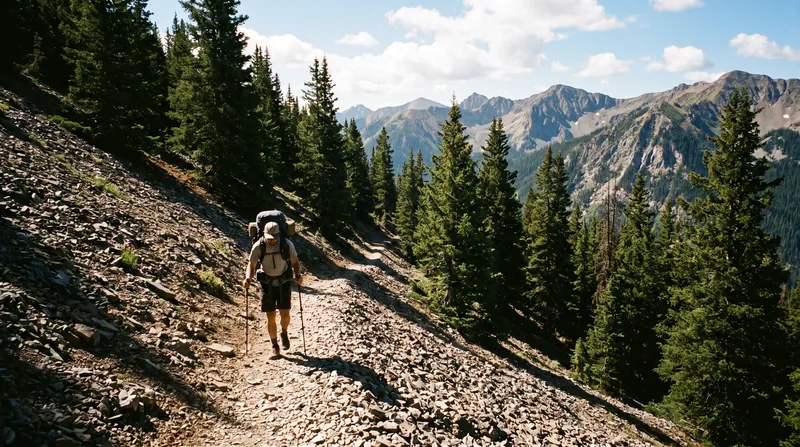
The 12-25% Reduction: How Trekking Poles Minimize Knee Joint Force During Downhill Hiking
5 sources
Blister Prevention
The 40% Reduction in Blister Risk: How Paper Tape Stabilizes Skin Layers to Minimize Shear Deformation
3 sources

Load Carriage
The 20% Body Weight Threshold: Where Backpack Load Limits Diverge Between Metabolic Cost and Joint Strain
7 sources
Water Treatment
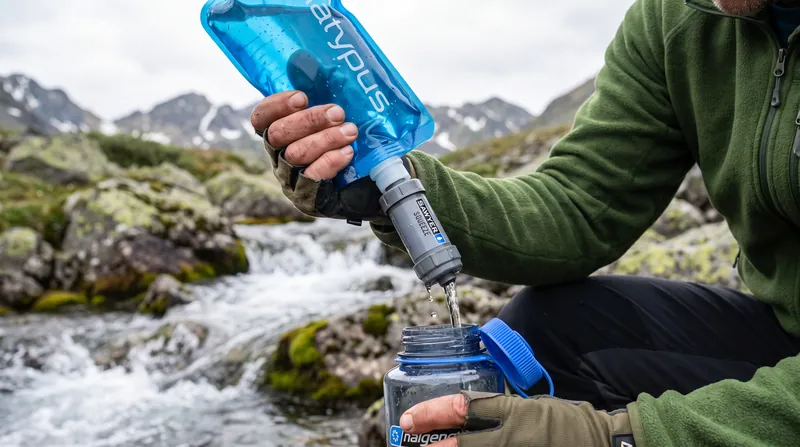
The 0.1-Micron Threshold: Why Standard Backpacking Filters Catch Bacteria but Miss Viruses
8 sources
Comments
Every angle. Every day.
Get Fitness stories with full source coverage and perspective breakdowns, free every day.