
The GLP-1 Pill Era Has Arrived: How Oral Weight-Loss Drugs Actually Work
With the UK's approval of the Wegovy pill and the US rollout of new oral GLP-1 medications, the obesity treatment landscape is shifting from weekly injections to daily tablets.
By Factlen Editorial Team
- Medical Consensus
- Views oral GLP-1s as a critical evolution that removes the needle barrier and normalizes long-term obesity care, while emphasizing the need for continued lifestyle changes.
- Patient Accessibility Advocates
- Highlights the lower out-of-pocket costs, elimination of cold-chain storage, and relief for needle-phobic patients as massive wins for healthcare equity.
- Pharmaceutical Industry Analysts
- Focuses on the intense market competition, noting that small-molecule pills may eventually outcompete peptide pills due to easier manufacturing and simpler dosing rules.
What's not represented
- · Health Insurance Providers
- · Eating Disorder Recovery Advocates
Why this matters
The transition of GLP-1 medications from weekly injections to daily pills removes the needle barrier, lowers out-of-pocket costs, and eliminates cold-chain storage requirements—making highly effective obesity treatments accessible to millions more people worldwide.
Key points
- The UK's MHRA has approved the Wegovy pill, making Britain the first European country to authorize the daily oral weight-loss treatment.
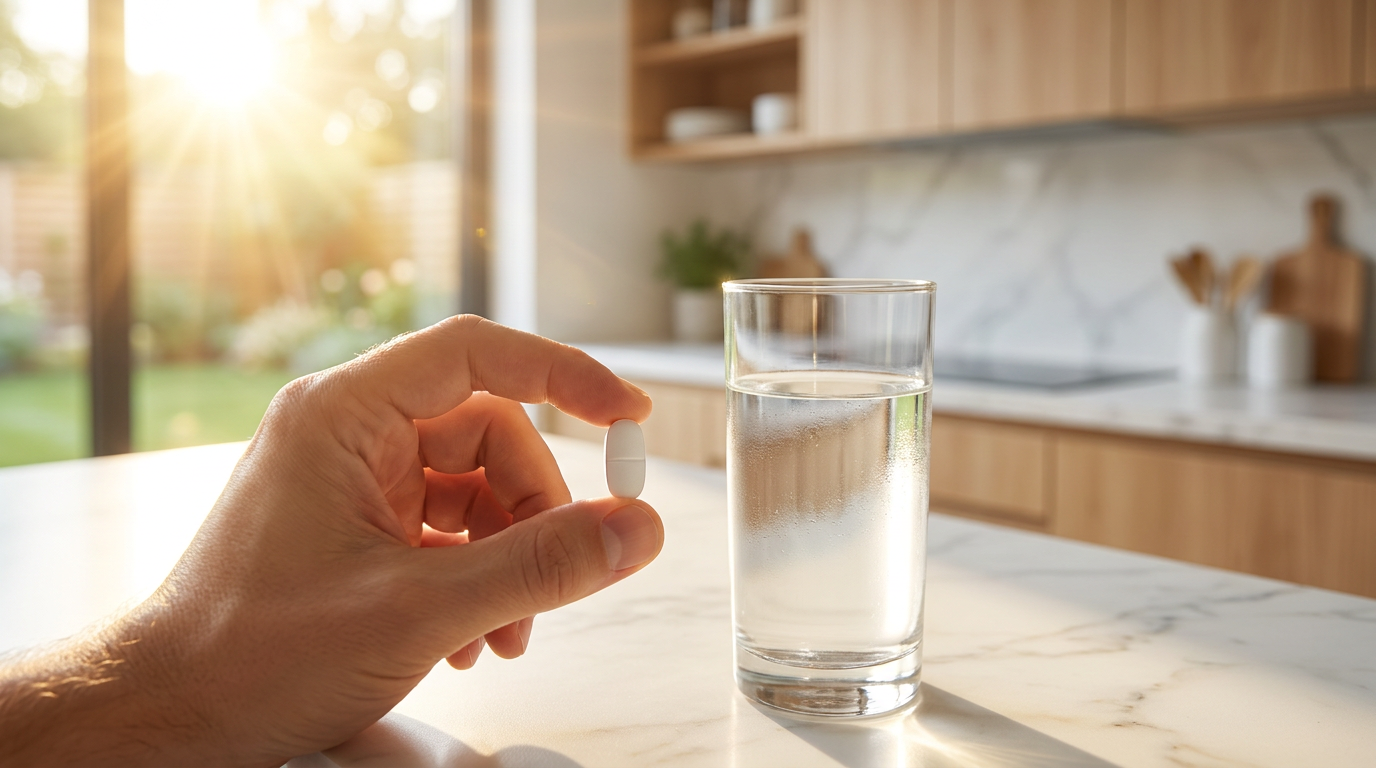
- The Wegovy pill uses an absorption enhancer to survive stomach acid, requiring it to be taken on an empty stomach with minimal water.
- Clinical trials show the 25mg Wegovy pill delivers 16.6% average weight loss over 64 weeks, comparable to the weekly injection.
- Competitors like Eli Lilly and AstraZeneca are launching small-molecule GLP-1 pills that do not require strict fasting rules.
For years, the revolution in obesity medicine has been inextricably linked to the needle. Patients seeking the profound weight-loss benefits of glucagon-like peptide-1 (GLP-1) receptor agonists have had to incorporate weekly subcutaneous injections into their routines, a requirement that deterred those with needle phobias and strained global supply chains. Now, that paradigm is fundamentally shifting. On Thursday, the United Kingdom's Medicines and Healthcare products Regulatory Agency officially approved a daily tablet formulation of Wegovy, making the UK the first European nation to authorize the pill. This follows the United States Food and Drug Administration's landmark approval of the Wegovy pill in December 2025, which launched stateside in January. The arrival of oral GLP-1 therapies marks a critical inflection point in endocrinology, transitioning these blockbuster hormone treatments from specialized injectables to standard, accessible daily medications.[1][2][3]
The transition from injection to tablet is not merely a matter of patient convenience; it represents a triumph over significant biochemical hurdles. The active ingredient in Wegovy is semaglutide, a synthetic peptide that mimics the naturally occurring GLP-1 hormone. In the human body, GLP-1 is secreted by the intestines after eating, signaling the brain to reduce appetite, slowing the rate at which the stomach empties, and prompting the pancreas to release insulin. However, peptides are notoriously fragile. If swallowed, the harsh acidic environment of the human stomach and the aggressive digestive enzymes of the gastrointestinal tract typically obliterate peptide-based drugs long before they can cross into the bloodstream. This biological reality is why insulin and early GLP-1 medications were exclusively developed as injectables, bypassing the digestive system entirely.[4][6]
To engineer a semaglutide pill that could survive digestion, pharmaceutical manufacturer Novo Nordisk had to develop a chemical bodyguard. The Wegovy pill utilizes a specialized absorption enhancer known as SNAC (sodium N-[8-(2-hydroxybenzoyl) amino] caprylate). This compound temporarily neutralizes stomach acid in the immediate vicinity of the pill, creating a localized safe zone that allows the semaglutide to be absorbed through the stomach lining. While effective, this protective mechanism comes with rigid, non-negotiable dosing rules. Patients must take the Wegovy pill first thing in the morning on a completely empty stomach, accompanied by no more than four ounces of plain water. They must then wait a strict minimum of thirty minutes before consuming any food, beverages, or other medications. Any deviation from this routine triggers the release of digestive enzymes that will destroy the drug before it can work.[4][6]

Despite these strict administration requirements, the clinical efficacy of the oral formulation rivals its injectable predecessor. The FDA and MHRA approvals were heavily anchored by the OASIS 4 phase 3 clinical trial, which tracked adults with obesity or overweight over a 64-week period. Participants who adhered to the daily 25-milligram oral semaglutide regimen achieved an average weight loss of 16.6 percent of their baseline body weight, compared to just 2.4 percent in the placebo group. Furthermore, one in three patients on the active drug lost 20 percent or more of their body weight. These figures are statistically comparable to the 15 percent average weight loss seen in the pivotal trials for the 2.4-milligram weekly Wegovy injection, proving that the daily pill can deliver the same profound metabolic reset.[2][3][7]
While Novo Nordisk pioneered the peptide pill, competitors are rapidly advancing alternative oral technologies that eliminate the strict fasting rules. In April 2026, the FDA approved Eli Lilly's Foundayo (orforglipron), the world's first non-peptide, small-molecule oral GLP-1 receptor agonist. Because Foundayo is a small molecule rather than a fragile peptide, it is inherently stable in the digestive tract. Patients can take the daily tablet at any time, with or without food and water, removing the logistical friction associated with oral semaglutide. In its Phase 3 ATTAIN-1 trial, participants taking the highest dose of Foundayo lost an average of 11.2 percent of their body weight over 72 weeks. Though slightly less potent than the Wegovy pill, Foundayo's ease of use makes it a highly attractive option for patients who struggle with rigid morning routines.[4][6]

While Novo Nordisk pioneered the peptide pill, competitors are rapidly advancing alternative oral technologies that eliminate the strict fasting rules.
The pipeline of oral obesity treatments continues to expand, signaling that the pharmaceutical industry views tablets as the future of metabolic medicine. Just this week at the American Diabetes Association's 2026 Scientific Sessions, AstraZeneca presented highly anticipated Phase 2b data for its own small-molecule oral GLP-1, elecoglipron. The trial results, simultaneously published in The Lancet, demonstrated that patients taking the daily pill achieved a 10.5 percent reduction in body weight at 26 weeks, alongside significant improvements in blood pressure and systemic inflammation. With multiple pharmaceutical giants now fielding effective oral options, industry analysts predict a rapid democratization of obesity care, as competition drives down prices and expands global availability.[5][6]
The shift to oral medications is expected to alleviate several systemic bottlenecks that have plagued the GLP-1 market. For the past three years, patients have faced chronic, global shortages of injectable Wegovy and its sister drug, Ozempic. These shortages were rarely caused by a lack of the active pharmaceutical ingredient; rather, they were driven by the complex, specialized manufacturing required to produce the sterile, single-use auto-injector pens. Pills, by contrast, can be manufactured, packaged, and distributed at a vastly higher volume using standard pharmaceutical infrastructure. Furthermore, tablets do not require the strict cold-chain refrigeration that injectables demand, making them significantly easier to ship and store, particularly in developing nations or rural areas with limited medical infrastructure.[3][6]
Cost structures are also beginning to shift in favor of the patient. Because tablets are cheaper to manufacture and distribute, pharmaceutical companies are pricing them more aggressively. In the United States, the out-of-pocket cost for the Wegovy pill is currently set at $299 per month for the highest maintenance doses, a steep discount compared to the list prices of injectable GLP-1s, which frequently exceed $1,000 per month before insurance. While the UK pricing for the newly approved Wegovy pill has not yet been finalized, health officials anticipate it will offer a more cost-effective route for both private buyers and, eventually, the National Health Service, expanding the pool of patients who can afford long-term metabolic care.[2][3]

Despite the change in delivery method, the physiological side effects of GLP-1 medications remain largely unchanged. Because the pills act on the same hormonal pathways as the injections, patients experience the same gastrointestinal adjustments. In the OASIS 4 trial, nearly 74 percent of participants taking the Wegovy pill reported transient side effects such as nausea, vomiting, diarrhea, or constipation, compared to 42 percent in the placebo group. These symptoms typically peak during the initial dose-escalation phase and subside as the body acclimates to the medication. Medical professionals emphasize that whether a patient chooses a needle or a tablet, GLP-1 therapies require careful medical supervision and a commitment to concurrent lifestyle modifications, including improved nutrition and physical activity.[2][4][7]
For the estimated 15 to 20 percent of the adult population that suffers from needle phobia, the arrival of oral GLP-1s is a life-changing development. Obesity medicine specialists note that many patients who desperately needed metabolic intervention simply refused to consider a weekly injection. By removing the psychological barrier of the needle, the Wegovy pill and its small-molecule competitors are opening the door to millions of individuals who were previously sidelined. As these medications transition from specialized weekly events to routine daily habits—much like taking a pill for blood pressure or cholesterol—the medical community is moving closer to treating obesity as a chronic, manageable disease rather than an intractable personal failing.[1][4][6]

For patients currently utilizing injectable GLP-1 therapies, the transition to an oral alternative requires careful medical coordination. The UK's MHRA guidelines stipulate that patients already stabilized on the maximum 2.4-milligram weekly Wegovy injection can seamlessly transition to the 25-milligram daily tablet without needing to restart the dose-escalation process. However, endocrinologists caution that individual absorption rates can vary. Because the digestive system is inherently less predictable than a direct subcutaneous injection, some patients may find that their appetite suppression fluctuates slightly when switching to the pill. Regular monitoring of weight trends, energy levels, and gastrointestinal tolerance is essential during the first few months of the transition to ensure the oral dose is providing equivalent metabolic support.[2][4]
Ultimately, the advent of the GLP-1 pill reinforces a growing medical consensus: obesity is a chronic metabolic condition that requires sustained, long-term intervention. Clinical data consistently shows that if a patient stops taking semaglutide—whether in pill or injectable form—the hormonal signals driving appetite and gastric emptying revert to their baseline state, typically leading to significant weight regain. By integrating these powerful medications into a simple, daily oral routine, pharmaceutical companies are acknowledging the reality of lifelong treatment. The pill format normalizes obesity care, aligning it with the daily management of other chronic conditions and offering a sustainable path forward for global public health.[1][6]
How we got here
2019
The FDA approves Rybelsus, the first oral semaglutide, strictly for the treatment of type 2 diabetes.
Dec 2025
The US FDA approves the Wegovy pill, marking the first oral GLP-1 specifically authorized for weight management.
Jan 2026
Novo Nordisk officially launches the Wegovy pill in the United States market.
Apr 2026
The FDA approves Eli Lilly's Foundayo, the first small-molecule oral GLP-1 with no food or water restrictions.
Jun 2026
The UK's MHRA approves the Wegovy pill, making Britain the first European country to authorize it.
Viewpoints in depth
Medical Consensus
Endocrinologists view the transition to oral GLP-1s as a major victory for patient compliance.
By removing the psychological hurdle of weekly injections, doctors anticipate higher initiation rates among patients who previously refused treatment due to needle phobia. However, they caution that the pills are not a shortcut; the gastrointestinal side effects remain identical to the injections, and the strict fasting rules for peptide-based pills require significant daily discipline. The medical community continues to stress that these medications must be paired with nutritional counseling to prevent muscle loss during rapid weight reduction.
Patient Accessibility Advocates
Advocacy groups argue the pill format solves massive barriers related to cost and logistics.
Injectable pens require complex manufacturing and strict refrigeration, making them expensive and difficult to distribute in lower-income or rural areas. The oral formulations are cheaper to produce and can sit on a standard pharmacy shelf. Advocates argue that the lower out-of-pocket costs—such as the $299 monthly price tag for the Wegovy pill in the US—will finally democratize access to life-changing metabolic care for patients who cannot afford thousand-dollar injections.
Pharmaceutical Industry Analysts
Market analysts view the current landscape as a transitional phase toward small-molecule dominance.
While Novo Nordisk's Wegovy pill is a biochemical marvel, its reliance on a fragile peptide that requires strict fasting rules makes it vulnerable to next-generation competitors. Analysts point to Eli Lilly's Foundayo and AstraZeneca's elecoglipron—both small-molecule drugs with no food or water restrictions—as the likely long-term winners in the oral GLP-1 space. The race to capture the daily pill market is expected to drive aggressive pricing wars and rapid innovation over the next five years.
What we don't know
- Whether health insurance providers and national health services will cover the pills more broadly than they covered the injections.
- How real-world adherence to the strict fasting rules for the Wegovy pill will impact its long-term effectiveness outside of clinical trials.
- The exact timeline for when small-molecule GLP-1 pills like Foundayo will receive regulatory approval in the UK and Europe.
Key terms
- GLP-1 receptor agonist
- A class of medications that mimic the natural hormone glucagon-like peptide-1, which regulates appetite, slows digestion, and controls blood sugar.
- Peptide
- A short chain of amino acids. Because they are easily destroyed by stomach acid, peptide drugs traditionally had to be injected.
- Small molecule
- A drug compound with a low molecular weight that can easily survive the digestive tract and enter the bloodstream, allowing for standard pill formulations.
- SNAC
- An absorption enhancer used in the Wegovy pill that temporarily neutralizes stomach acid, allowing the fragile semaglutide peptide to be absorbed.
Frequently asked
Can I switch from Wegovy injections to the pill?
Yes. Medical guidelines allow patients on the maximum 2.4mg weekly injection to transition directly to the 25mg daily tablet, though monitoring is required as individual absorption rates can vary.
Do the pills have different side effects than the injections?
No. The side effects—primarily nausea, vomiting, and diarrhea—are tied to how the drug alters digestion and hormones, not how it enters the body.
Why do I have to take the Wegovy pill on an empty stomach?
The active ingredient is a fragile peptide. If taken with food or too much water, digestive enzymes will activate and destroy the medication before it can be absorbed.
Are all GLP-1 pills peptide-based?
No. Newer drugs like Eli Lilly's Foundayo are small molecules, meaning they survive digestion easily and can be taken at any time with or without food.
Sources
Source coverage
7 outlets
3 viewpoints surfaced







[1]BBCPatient Accessibility Advocates
Weight-loss drug Wegovy to be available in pill form in UK for first time
Read on BBC →[2]The GuardianPatient Accessibility Advocates
Patients in the UK will soon be able to buy the Wegovy weight-loss pill
Read on The Guardian →[3]The BMJMedical Consensus
US officials approve daily pill version of Novo Nordisk's injectable obesity drug Wegovy
Read on The BMJ →[4]Yale MedicineMedical Consensus
GLP-1 Weight-Loss Pills: What You Need to Know
Read on Yale Medicine →[5]HealthlinePharmaceutical Industry Analysts
AstraZeneca's New Oral GLP-1 Aids Weight Loss and Lowers Blood Sugar
Read on Healthline →[6]Life Science DailyPharmaceutical Industry Analysts
The arrival of two approved oral GLP-1 weight loss therapies has fundamentally redrawn the obesity treatment landscape
Read on Life Science Daily →[7]Novo NordiskPharmaceutical Industry Analysts
Wegovy pill approved in the US as first oral GLP-1 for weight management
Read on Novo Nordisk →

More in health
See all 6 stories →Metabolic Health
Muscle as an Organ of Longevity: The Science of Myokines and Metabolic Health
0 sources

Clinical Evidence
The Evidence for Exercise as a First-Line Mental Health Treatment
0 sources

Diabetes Research
FDA Approves First Disease-Modifying Therapy for Newly Diagnosed Stage 3 Type 1 Diabetes in Youth
0 sources
Longevity Science
The Science of 'Exercise Snacks': How 1-Minute Bursts of Movement Can Transform Longevity
0 sources

Every angle. Every day.
Get health stories with full source coverage and perspective breakdowns delivered to your inbox.