
The Death of the Workhorse: Why Goalie Tandems Have Taken Over the NHL
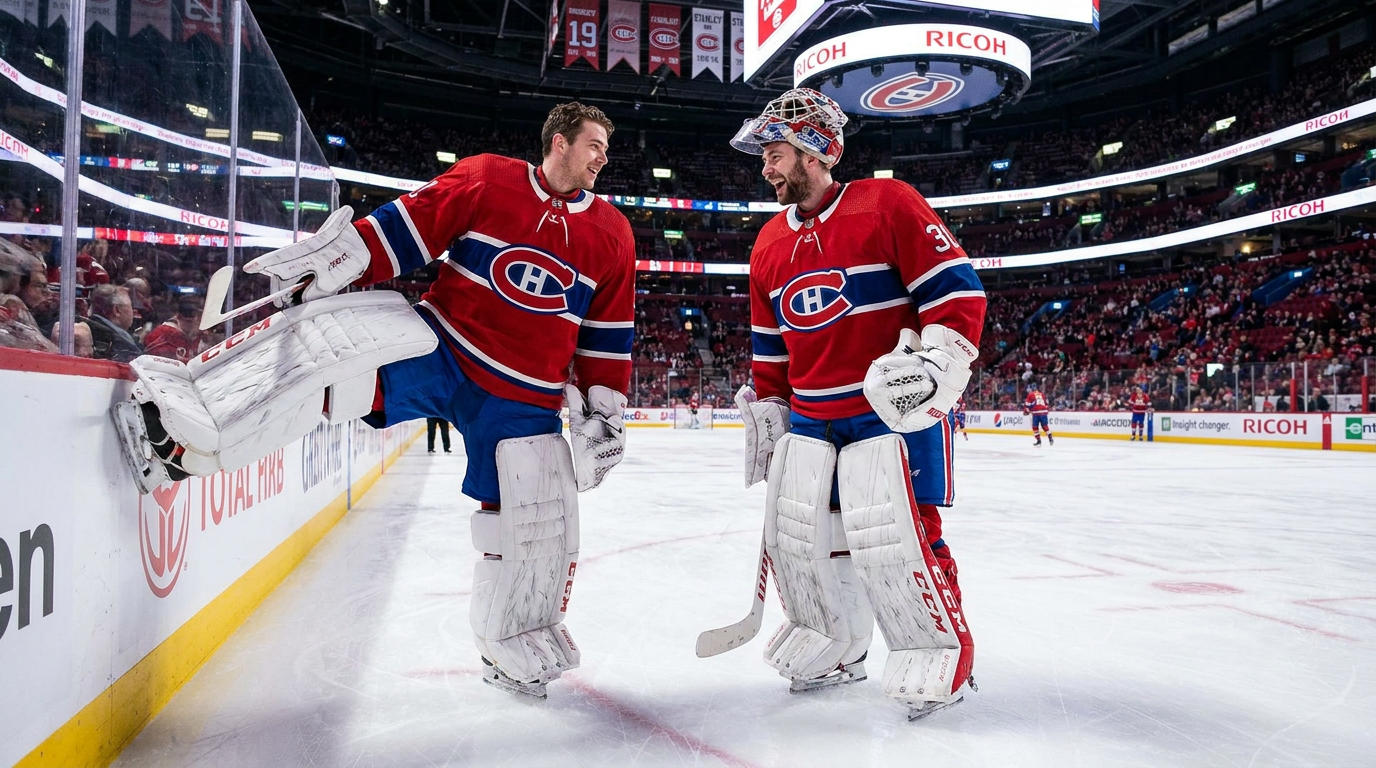
The era of the 70-game NHL goaltender is officially over, replaced by a data-driven tandem system. Driven by sports science and salary cap economics, teams are now splitting the crease to survive the grueling season.
By Factlen Editorial Team
- Sports Scientists
- Advocating for strict load management to preserve joint health and career longevity.
- Front Office Executives
- Prioritizing salary cap efficiency and mitigating the financial risk of massive contracts.
- Traditionalists & Coaches
- Maintaining that a single, undisputed starter is necessary for playoff rhythm and defensive chemistry.
What's not represented
- · Minor league and developmental goaltenders adapting to tandem systems early in their careers.
- · Player agents negotiating contracts in a market hostile to massive, long-term goalie deals.
Why this matters
The shift toward goalie tandems fundamentally changes how NHL teams build their rosters, spend their salary cap, and strategize for the playoffs. For fans, it means the era of watching a single superstar netminder play every night is over, replaced by a highly optimized, data-driven approach to winning championships.
Key points
- The era of the 70-game NHL goaltender has ended, with teams universally adopting a two-goalie tandem system.
- Modern butterfly goaltending places unprecedented torque on hips and knees, making load management crucial for injury prevention.
- A $95.5 million salary cap has incentivized teams to split $8 million across two goalies rather than paying one star $10 million.
- Advanced analytics and sports science now dictate crease rotations, even during the high-stakes Stanley Cup Playoffs.
For decades, the mark of an elite National Hockey League goaltender was sheer, unyielding endurance. Legends like Martin Brodeur and Grant Fuhr routinely logged 70 or more starts in an 82-game season, wearing their exhaustion as a badge of honor and serving as the undisputed backbone of their franchises. But in the modern NHL, the ironman netminder has quietly gone extinct. The position has evolved so drastically that the concept of a single player shouldering that much of the burden is now viewed not as heroic, but as a systemic failure of roster construction.[1]
The shift has been absolute and undeniable. No NHL goaltender has crossed the 70-game threshold since Cam Talbot played 73 games during the 2016-17 season. Today, even generational talents like Connor Hellebuyck and Andrei Vasilevskiy are carefully managed by their coaching staffs, rarely breaching the 60-game mark. The league has firmly transitioned into an era where the workload is distributed, acknowledging that the physical and mental demands of the modern game are simply too high for one person to manage alone over a six-month campaign.[2]
In the place of the solitary workhorse, the "goalie tandem" has risen from a mere backup plan to a championship prerequisite. Teams are increasingly splitting the crease in 60/40 or even 50/50 configurations, relying on two starting-caliber players to navigate the grueling regular season. Franchises recognize that an elite starter is no longer enough; a team's success often hinges on the 25 to 35 games played by the secondary netminder, making the tandem one of the most critical investments a general manager can make.[1][3]
This evolution is driven by a collision of sports science, biomechanics, and the sheer speed of modern hockey. The goaltending position is fundamentally different—and vastly more punishing—than it was twenty years ago. The universal adoption of the "butterfly" style requires explosive lateral pushes, rapid drops to the ice, and extreme internal rotation of the hips. Biomechanical analysts note that the torque placed on a goaltender's lower body during a single game is unprecedented, turning every start into a high-risk physical event.[7]

To combat this immense physical toll, franchises have heavily integrated advanced sports science departments into their daily operations. Teams now utilize wearable technology and tracking systems like NHL EDGE to monitor a player's exact exertion levels, skating speed, and recovery metrics in real time. This data-driven approach to "load management" aims to prevent the catastrophic soft-tissue injuries that frequently derail promising careers. By tracking the exact number of high-stress lateral movements, sports scientists can ensure that goaltenders remain healthy and explosive when the games matter most.[2][4]
However, the relationship between rest and on-ice results is highly complex and often misunderstood by fans. A comprehensive 2024 study published in the Sports Health journal analyzed 111 goalie-seasons to determine if resting starters directly improved their playoff statistics. The researchers found that a lighter regular-season workload explained only 6.8 percent of the variance in a goalie's postseason performance. They concluded that while rest preserves joint health and prevents acute injuries, there is no magic "game limit" that guarantees a sudden spike in playoff save percentage. Instead, individualized workload plans tailored to a goalie's specific biomechanics are far more effective than league-wide standards.[4]
However, the relationship between rest and on-ice results is highly complex and often misunderstood by fans.
Beyond the immense physical strain, the mental demands of the crease have also necessitated the tandem approach. Former NHL goaltender Cory Schneider recently highlighted that the position is almost entirely mental, requiring intense, unbroken focus where a single lapse in concentration can cost a team a critical game. Carrying a 1A and 1B goaltender alleviates that crushing psychological burden. When a starter knows they have a reliable partner waiting in the wings, they can play freely without the paralyzing fear that a bad night will doom the team's season.[8]
The tandem system also fosters a healthy internal competition that prevents either player from coasting through the dog days of the season. When both goaltenders know they have a legitimate chance to earn starts based on their performance, the intensity of practice naturally elevates, and neither player can afford to mentally check out. This dynamic keeps the entire goaltending unit sharp, engaged, and ready to step into the spotlight at a moment's notice. It creates a psychological safety net that single-starter teams simply do not possess, allowing coaches to ride the "hot hand" without shattering the confidence of their primary netminder.[1][8]
But the tandem revolution is not solely a product of sports science and psychology; it is equally a product of the NHL's unforgiving hard salary cap. As the league's salary ceiling climbs to a projected $95.5 million for the 2025-26 season, front offices are acutely aware of the dangers of overpaying a single position. Historically, teams were willing to commit massive percentages of their cap space to a franchise goaltender, believing an elite netminder was the ultimate competitive advantage. Today, however, tying up double-digit millions in one player who only plays 55 games is increasingly viewed as a high-risk trap.[5][6]

Today, contracts exceeding $8.5 million or $10 million annually are heavily scrutinized. When an aging, highly paid goaltender loses their elite reflexes or suffers a chronic injury, their contract quickly becomes "dead weight" that chokes the rest of the roster. Franchises are often forced to trade valuable draft capital simply to dump these contracts into a "cap graveyard"—teams willing to absorb bad money in exchange for future assets. To avoid this fate, general managers now overwhelmingly prefer the financial flexibility of a tandem.[5]
Allocating $4 million each to two highly capable goaltenders provides built-in injury insurance and allows the team to spend its remaining cap space on elite defensemen and top-six forwards. This diversified investment strategy ensures that a single pulled groin or a sudden slump in form does not instantly close a team's championship window. By spreading the financial risk across two players, teams can build deeper, more resilient rosters that are far better equipped to survive the brutal attrition of an 82-game season. It is a calculated economic hedge against the inherent unpredictability of the goaltending position.[3][5]
The final frontier for the tandem strategy is the Stanley Cup Playoffs. For generations, the unwritten rule of playoff hockey was that a team must ride a single "bellcow" starter to a championship, regardless of fatigue. Rotating goalies in the postseason was widely viewed as a sign of panic, desperation, or a lack of faith in the roster. Coaches believed that a defense corps needed to build a subconscious rhythm and communication style with one specific goaltender to succeed.[1][3]

That traditional stigma is rapidly fading in the modern game. In recent playoff runs, contending teams have actively rotated their goaltenders to exploit specific offensive matchups, manage fatigue during grueling double-overtime games, or instantly reset team momentum after a harsh defeat. Coaches are now utilizing advanced analytics, such as Goals Saved Above Expected (GSAx) and high-danger save percentages, to make calculated, data-driven decisions rather than relying purely on gut instinct or outdated scouting reports. If a starter falters, deploying a fresh, highly capable backup can instantly stabilize a fragile defensive corps and completely alter the trajectory of a seven-game series.[1][3]
The old hockey adage dictated that "if you have two goalies, you have none," implying that a tandem was merely a symptom of lacking a true star. In the grueling, hyper-optimized landscape of the 2026 NHL, that logic has been entirely inverted. The tandem is no longer a compromise; it is a vital strategic advantage that blends sports science, psychological support, and salary cap efficiency into a winning formula. Today, if you only have one goalie, you simply don't have enough.[1][3]
How we got here
2005-06 Season
The NHL introduces the hard salary cap, fundamentally changing how teams allocate money to the goaltending position.
2016-17 Season
Cam Talbot plays 73 games, marking the last time an NHL goaltender crosses the 70-game threshold.
2023 Playoffs
The Boston Bruins heavily rotate their elite tandem of Linus Ullmark and Jeremy Swayman, signaling a shift in postseason strategy.
August 2024
A landmark study in the Sports Health journal quantifies the complex relationship between goalie workload and playoff performance.
2025-26 Season
The NHL salary cap rises to $95.5 million, further incentivizing teams to seek cost-effective tandem pairings.
Viewpoints in depth
Sports Scientists' view
Advocating for strict load management to preserve joint health and career longevity.
Biomechanics experts and sports scientists argue that the human body was not designed to withstand the repetitive torque of the modern butterfly style 60 times a year. By utilizing wearable technology and tracking metrics like explosive lateral pushes, they emphasize that a 50/50 tandem is the only sustainable way to prevent chronic hip and groin injuries. They view the death of the workhorse goalie not as a loss of toughness, but as a triumph of medical data over outdated tradition.
Front Office Executives' view
Prioritizing salary cap efficiency and mitigating the financial risk of massive contracts.
For general managers, the tandem is a financial shield. Committing $10 million to a single goaltender in a $95.5 million salary cap landscape creates a fragile roster; if that star gets injured or loses their form, the team's championship window slams shut. Executives prefer to distribute $8 million across two capable netminders, ensuring they have a reliable backup while preserving crucial cap space to invest in elite defensemen and scoring depth.
Traditionalists' view
Maintaining that a single, undisputed starter is necessary for playoff rhythm and defensive chemistry.
Many veteran coaches and former players acknowledge the necessity of tandems in the regular season but remain skeptical of rotating goalies in the playoffs. They argue that a defense corps builds a subconscious rhythm and communication style with a specific 'bellcow' starter. Constantly swapping netminders, they warn, can breed locker-room uncertainty and disrupt the momentum required to survive a two-month postseason run.
What we don't know
- Whether the NHL will eventually expand active game-day rosters to allow teams to carry three goalies without penalty.
- If a team utilizing a strict 50/50 rotation throughout the entire playoffs can successfully win the Stanley Cup without eventually naming a primary starter.
Key terms
- Goals Saved Above Expected (GSAx)
- An advanced metric that evaluates a goalie's performance based on the quality and location of the shots they face, rather than just the raw number of saves.
- Load Management
- The sports science practice of monitoring an athlete's physical exertion and scheduling rest to prevent injury and optimize peak performance.
- Butterfly Style
- The dominant modern goaltending technique where the goalie drops to their knees and flares their pads outward, placing significant strain on the hips and groin.
- Salary Cap Graveyard
- A colloquial term for when a team is forced to trade draft picks to another franchise just to take on the "dead money" of an underperforming, highly paid player.
Frequently asked
Who was the last NHL goalie to play 70 games in a season?
Cam Talbot was the last goaltender to cross the threshold, playing 73 games during the 2016-17 season.
Why do teams use goalie tandems instead of one starter?
The modern butterfly style places immense physical strain on a goalie's joints. Tandems prevent catastrophic injuries, manage mental fatigue, and provide salary cap flexibility.
Does resting a goalie guarantee better playoff performance?
Not necessarily. A 2024 sports science study found that lighter regular-season workloads explained only 6.8% of a goalie's postseason success, though rest remains crucial for injury prevention.
Sources
Source coverage
8 outlets
3 viewpoints surfaced







[1]ESPNTraditionalists & Coaches
Why goalie tandems have taken over the NHL -- even in the playoffs
Read on ESPN →[2]NHL.comTraditionalists & Coaches
Super 16: Best tandems in NHL ranked to celebrate Goalie Week
Read on NHL.com →[3]Daily FaceoffTraditionalists & Coaches
Ranking all 32 NHL goalie tandems for 2025-26
Read on Daily Faceoff →[4]Sports HealthSports Scientists
The Impact of Regular Season Workload on Postseason Performance Among National Hockey League Goalies
Read on Sports Health →[5]Sports OrcaFront Office Executives
NHL Goalie Contracts 2026: The $95.5M Crease Trap
Read on Sports Orca →[6]CapWagesFront Office Executives
CapWages | NHL Salary Cap Data
Read on CapWages →[7]True North GoaltendingSports Scientists
Evolution of NHL goalie training
Read on True North Goaltending →Cory Schneider on a Goalie's Mental Endurance
Read on New York Islanders →

More in sports
See all 13 stories →Olympic Sustainability
How the LA 2028 Olympics Will Run Entirely on Existing Stadiums
0 sources

NBA Finals
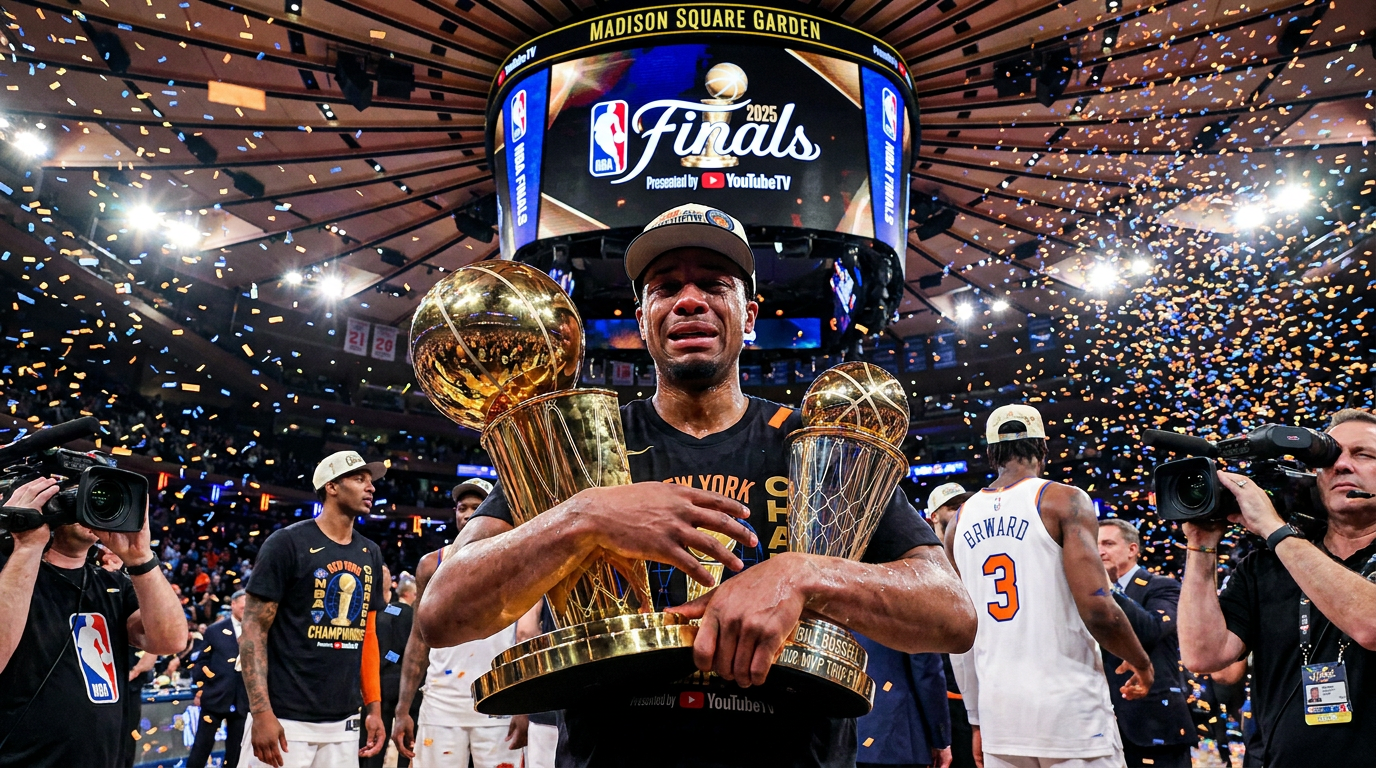
New York Knicks Win 2026 NBA Finals, Ending 53-Year Championship Drought
0 sources
NBA Finals
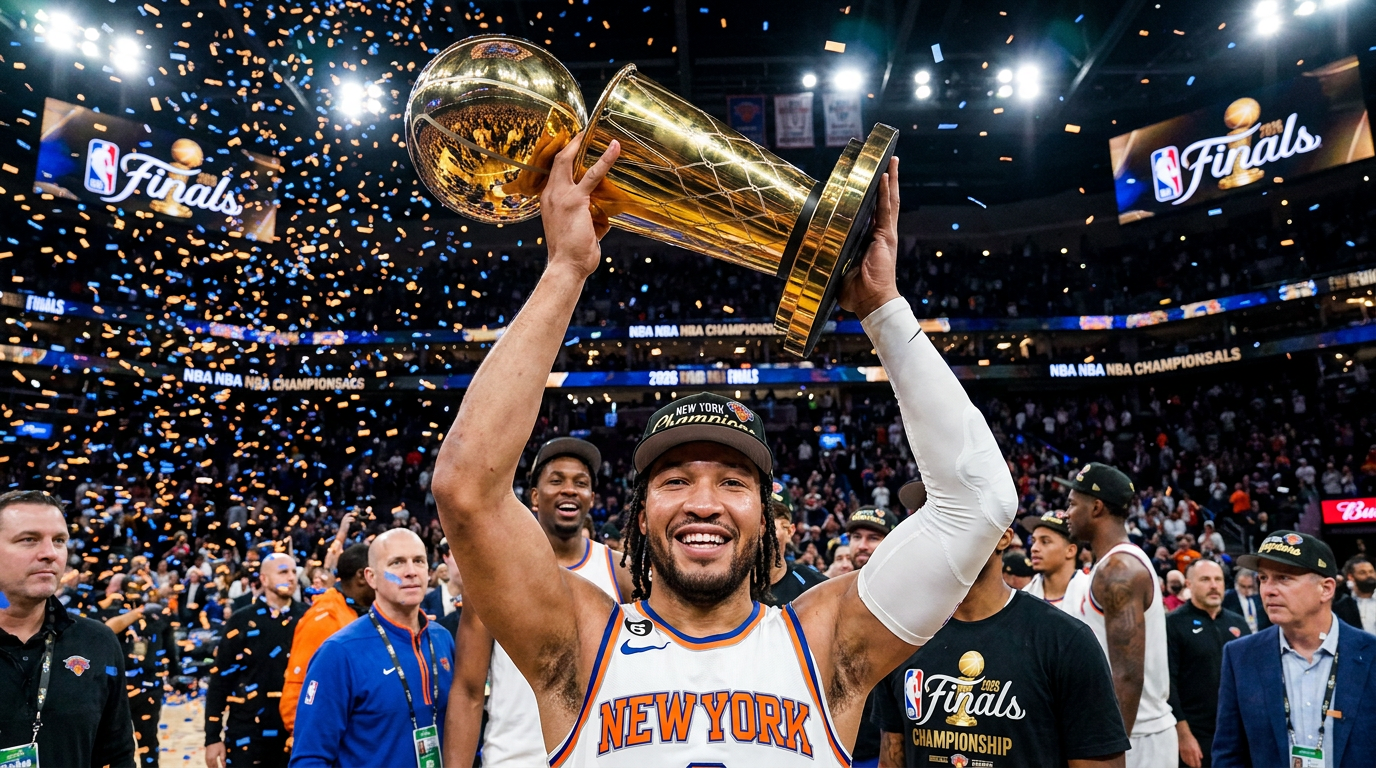
New York Knicks Capture First NBA Championship Since 1973
0 sources
Hockey Strategy
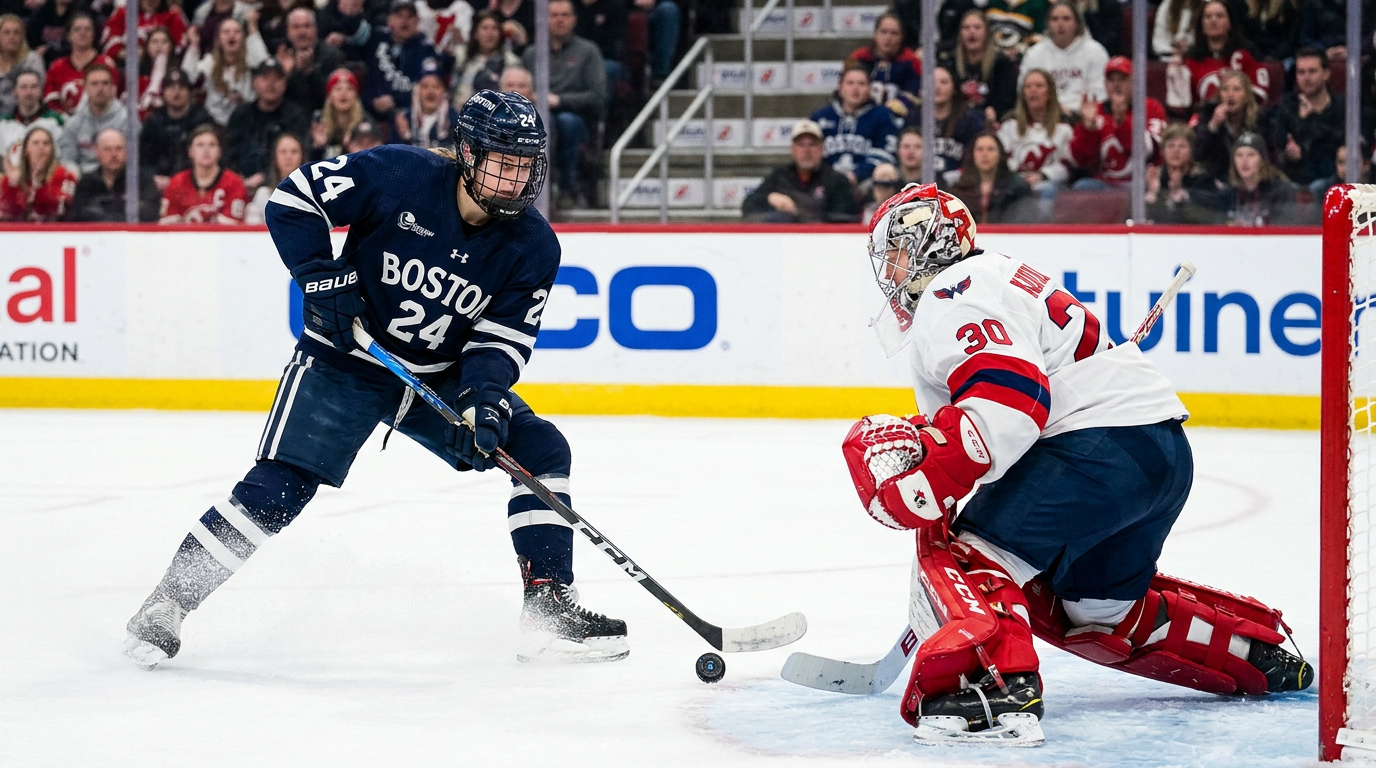
How the PWHL's 'Jailbreak' and 'No Escape' Rules Are Rewriting Hockey Strategy
0 sources
Every angle. Every day.
Get sports stories with full source coverage and perspective breakdowns delivered to your inbox.