
The Brutal Cutline: The High-Stakes Standings Race for Men's Epee Top 16 Seeding Ahead of Hong Kong
As the 2026 FIE World Fencing Championships approach, the race for the crucial Top 16 automatic byes in Men's Epee has finalized, with veterans and rising stars battling to avoid the grueling preliminary pools.
By Omar Haddad

- Seeded Elite
- Top-ranked fencers who view the Top 16 exemption as a necessary reward for season-long consistency that protects them from early-round variance.
- Unseeded Challengers
- Fencers outside the cutline who must use the preliminary pools to build momentum, viewing the grueling early rounds as a chance to warm up.
- Tournament Organizers
- Officials and analysts who rely on the Top 16 system to manage massive registration numbers and ensure high-quality broadcast matches in the later rounds.
Perspectives this story doesn't cover
- First-time World Championship competitors
- National team physiotherapists
Key points
- The FIE Top 16 standings for Men's Epee have been finalized ahead of the 2026 World Championships in Hong Kong.
- Top 16 fencers earn an automatic bye into the Table of 64, skipping the grueling preliminary pool rounds.
- South Korea's Kim Jaewon surged into the Top 16 following a strong performance at the Asian Fencing Championships.
- Veteran Olympic champion Ruben Limardo Gascon successfully defended the 16th and final exempt spot.
- France's Alexandre Bardenet and the Netherlands' Tristan Tulen narrowly missed the cutline and will fence in the pools.
As the global fencing community descends on Hong Kong for the 2026 FIE World Fencing Championships, the most grueling standings race of the season has officially concluded. While fans naturally gravitate toward the battle for the World No. 1 ranking, the true drama within the sport's inner circles revolves around a much more punishing threshold: the Top 16 cutline. In the high-stakes ecosystem of international fencing, securing a spot among the top 16 in the official FIE rankings is not merely a matter of prestige. It is a physiological and tactical lifeline that grants an automatic bye directly into the main Direct Elimination bracket, completely bypassing the chaotic preliminary pool rounds.[1][2]
The structural advantage of this exemption cannot be overstated, particularly in Men's Epee. Unlike foil or sabre, epee features no right-of-way rules, meaning that whoever hits first scores, and simultaneous hits award points to both fencers. This dynamic makes the weapon notoriously unpredictable, especially in the short, 5-touch bouts that define the preliminary pools. In a field that regularly exceeds 200 competitors at the World Championships, the morning pools are a minefield where an unheralded teenager can easily upset a seasoned Olympic medalist. For the elite, avoiding this variance is the ultimate reward for a season of consistency.[2][6]
For those who fall outside the Top 16, the path to the podium is a marathon. Unseeded fencers must navigate a round-robin pool of six to seven athletes, followed by one or two preliminary knockout bouts, just to reach the Table of 64. This process can consume upwards of five hours of intense physical exertion and mental focus before the main tournament even begins. By the time an unseeded fencer faces a rested Top 16 seed in the main draw, the disparity in energy reserves is often palpable. Consequently, the points race leading up to the July cutoff is fiercely contested, with athletes chasing every available Grand Prix and World Cup point.[2][3]
The final standings solidified following the Continental Zonal Championships in June, which served as the last opportunity to stockpile FIE ranking points. The Asian, European, and Pan-American Championships produced a frantic reshuffling of the bubble, leaving several prominent fencers celebrating and others facing a grueling reality in Hong Kong. The margins separating the 15th, 16th, and 17th spots were razor-thin, decided by single touches in continental quarterfinals that carried massive global implications. For athletes hovering around the cutline, every single bout in June was treated with the intensity of an Olympic final, knowing that a single victory could mean the difference between a restful July morning and a grueling marathon.[1][3]
The final standings solidified following the Continental Zonal Championships in June, which served as the last opportunity to stockpile FIE ranking points.
One of the biggest winners of the late-season push was South Korea's Kim Jaewon. Entering the Asian Fencing Championships ranked 19th in the world, Kim needed a deep run to break into the protected tier. He delivered under immense pressure, securing a bronze medal that vaulted him to 14th in the global standings. His timely surge guarantees that the South Korean squad will have a well-rested anchor heading into the individual event at the AsiaWorld-Expo, a crucial factor as they prepare for the subsequent team competitions. Kim's rise is a testament to the weight of Zonal Championship points, which carry a multiplier that can dramatically alter the FIE landscape in the final weeks of the season.[1][5]
At the very edge of the cutline, veteran resilience won out over youthful momentum. Ruben Limardo Gascon, the 2012 Olympic Champion from Venezuela, managed to cling to the 16th and final exempt spot. At 40 years old, Limardo's ability to bypass the preliminary pools is a massive physiological victory. The veteran epeeist strategically managed his season, accumulating just enough points across the Grand Prix circuit to fend off a late charge from the European contingent. For Limardo, the bye represents a vital conservation of energy that could fuel one final deep run on the World Championship stage.[1][3]
Conversely, the final standings delivered heartbreak for several established stars who fell just short of the mathematical threshold. France's Alexandre Bardenet and the Netherlands' Tristan Tulen finished agonizingly close to the cutline, landing in 17th and 18th place, respectively. Bardenet missed the exemption by a mere handful of points following a frustrating early exit at the European Championships, while Tulen could not overcome the late surges from his international rivals. Both men are world-class competitors fully capable of winning the entire tournament, but their path to gold in Hong Kong will now require them to survive the treacherous morning pools and preliminary knockouts alongside the rest of the unseeded field, expending vital energy before the Round of 64 even begins.[1][4]
Meanwhile, the traditional powerhouse nations ensured their top assets remained protected. Italy's Federico Vismara and Davide Di Veroli comfortably locked in their Top 10 statuses months in advance, allowing them to train through the final weeks of the season without the pressure of points-chasing. Similarly, the French squad, despite Bardenet's slip, will see Romain Cannone and Yannick Borel safely seated in the Table of 64. These nations view the Top 16 exemption as a foundational element of their World Championship strategy, ensuring their top medal contenders are fresh for the broadcast matches.[1]
As the global fencing community turns its attention to the AsiaWorld-Expo on July 22, the stark dichotomy of the tournament structure will be on full display. While the Top 16 seeds spend the opening day resting, analyzing video, and scouting the preliminary pistes from the stands, the remaining 180-plus fencers will fight a brutal war of attrition just for the right to face them. The months-long standings race is officially over, but the physiological consequences of the cutline are about to unfold on the sport's biggest stage, proving once again that in international epee, the battle for a bye is just as fierce as the battle for a medal.[5][7]
- 16
- Fencers exempt from preliminary pools
- 200+
- Expected Men's Epee competitors in Hong Kong
- 5
- Touches required to win a preliminary pool bout
- 64
- Fencers in the main Direct Elimination bracket
How we got here
May 2026
The FIE Grand Prix series concludes, narrowing the field of contenders for the Top 16 automatic byes.
June 2026
Continental Zonal Championships finalize the points for the 2025-2026 FIE season rankings.
July 17, 2026
The final entry lists and seedings are confirmed ahead of the World Championships.
July 22, 2026
The 2026 FIE World Fencing Championships begin at the AsiaWorld-Expo in Hong Kong.
Sources
Source coverage
7 outlets
3 viewpoints surfaced







- [1]FIE OfficialSeeded Elite
FIE Senior World Rankings: Men's Epee Individual
Read on FIE Official → - [2]Academy of Fencing MastersTournament Organizers
The Importance of the Top 16 Exemption in World Cup Fencing
Read on Academy of Fencing Masters → - [3]EurosportTournament Organizers
Road to Hong Kong: The Final Push for Men's Epee Seeding
Read on Eurosport → - [4]L'ÉquipeUnseeded Challengers
Escrime : Bardenet manque le top 16 mondial avant les Mondiaux
Read on L'Équipe → - [5]Inside the GamesTournament Organizers
Hong Kong prepares to host 2026 FIE World Fencing Championships
Read on Inside the Games → - [6]Fencing.netUnseeded Challengers
The Bubble Burst: Who Survived the Men's Epee Top 16 Cut
Read on Fencing.net → - [7]South China Morning PostTournament Organizers
Hong Kong readies AsiaWorld-Expo for 2026 Fencing World Championships
Read on South China Morning Post →
Comments

More in Sports
See all →NFL Contracts
Patriots Make Christian Gonzalez the Highest-Paid Cornerback in NFL History
7 sources

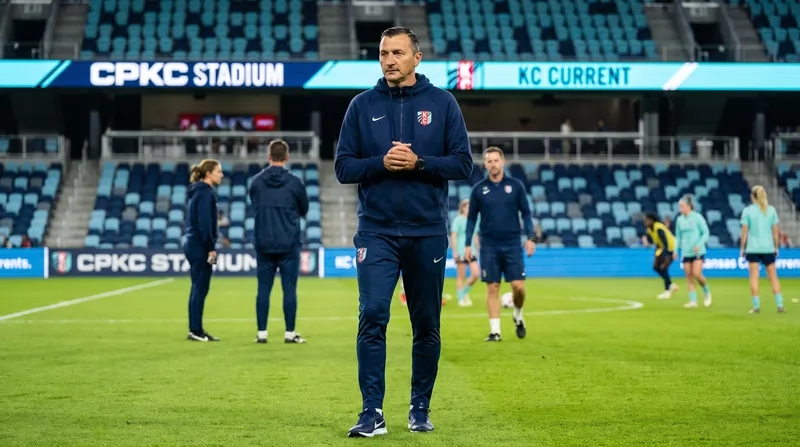
Kansas City Current
Kansas City Current Part Ways With Sporting Director Vlatko Andonovski
6 sources
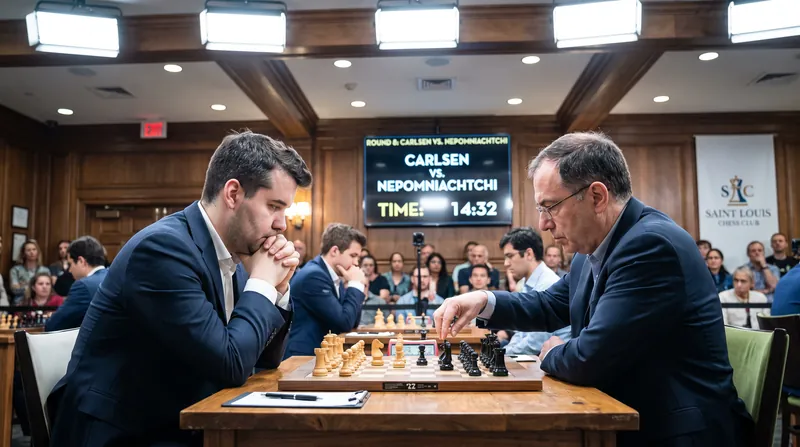
Power ranking
Global Chess Power Rankings: Praggnanandhaa and So Surge Heading Into the Samarkand Olympiad
4 sources
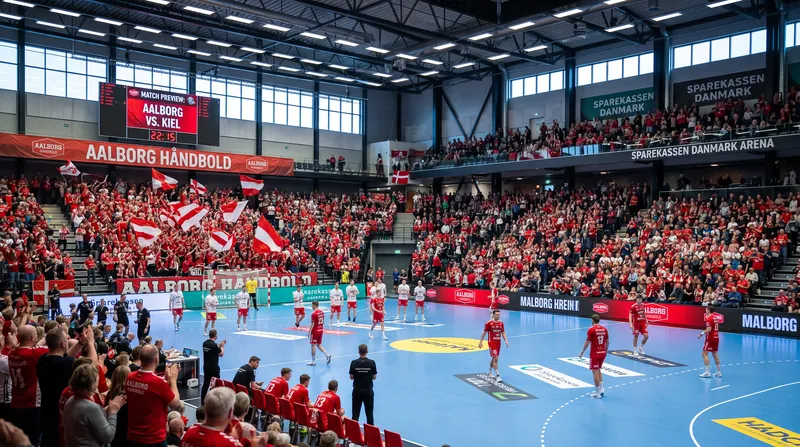
Preview
PSG Head Coach Stefan Madsen Returns to Aalborg as EHF Champions League Enters 24-Team Era
7 sources
Every angle. Every day.
Get Sports stories with full source coverage and perspective breakdowns delivered to your inbox.