
The 2026 Renter's Market: How a Record Apartment Boom is Giving Tenants Unprecedented Negotiating Power
A historic wave of new apartment completions has pushed vacancy rates to multi-year highs, cooling rent growth and forcing landlords to offer record concessions. For the first time in years, renters have the leverage to negotiate better deals before the construction pipeline shrinks.
By Noor Saidi

Share this story
For the better part of the last four years, looking for an apartment felt like participating in a high-stakes auction. Tenants routinely faced bidding wars, double-digit rent hikes, and landlords who held all the cards. But in 2026, the script has dramatically flipped. A historic wave of new apartment construction has finally crossed the finish line, flooding the market with fresh inventory and handing unprecedented negotiating power back to the renter.
The shift is the direct result of a pandemic-era building boom. When rent prices skyrocketed in 2021 and 2022, developers rushed to break ground on new projects. Today, those buildings are opening their doors. The U.S. is currently absorbing the largest wave of new multifamily units since the 1970s, fundamentally altering the supply-and-demand math that dictates housing costs.
The sheer volume of new supply has pushed the national multifamily vacancy rate to a multi-year high of 7.3%. With more empty units sitting on the market, landlords are suddenly scrambling to attract and retain tenants. The days of "take it or leave it" lease renewals are largely over, replaced by a landscape where property managers are eager to make a deal.
This supply glut has effectively put the brakes on runaway rent inflation. According to recent data from Zillow, the year-over-year increase in the typical U.S. asking rent cooled to just 1.9% in early 2026, marking the slowest pace of annual growth since December 2020. In many major markets, rent growth hasn't just slowed—it has reversed.
The relief is most pronounced in the Sun Belt and Western markets that absorbed the heaviest volumes of new construction. Cities like Austin, San Antonio, Tampa, and Denver have all seen outright year-over-year declines in asking rents. In the Denver metro area, for example, average rents fell nearly 5% over the past year as the region's vacancy rate climbed past 7.6%, leaving more than a third of newly built units empty.
But the headline rent prices only tell half the story. To keep their buildings full without officially lowering their base rental rates, landlords are leaning heavily on "concessions"—sweeteners designed to get tenants to sign the dotted line. Nearly 40% of all rental listings on Zillow are currently offering some form of incentive, a record high for the platform.
These concessions translate into immediate, tangible savings for renter households. In highly competitive markets, property managers are routinely offering four to five weeks of free rent upfront. Others are waiving expensive application fees, throwing in free parking spaces, covering pet deposits, or allowing highly flexible lease terms that were unheard of just three years ago.
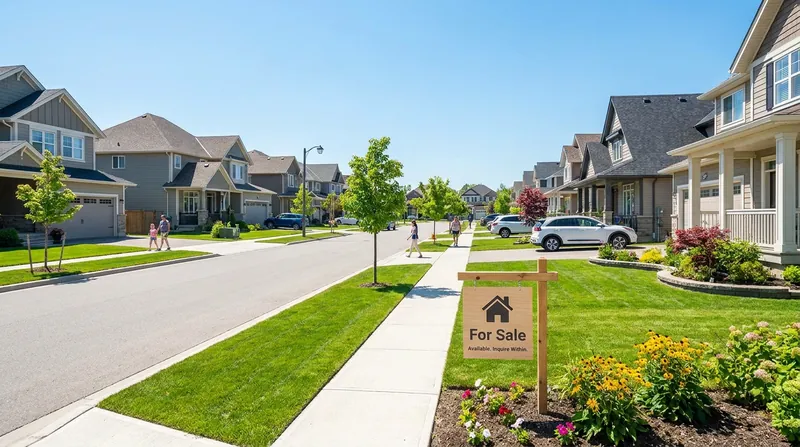
The renter's advantage isn't limited to traditional apartment complexes. The housing market is also seeing a massive surge in "Build-to-Rent" (BTR) communities—entire neighborhoods of single-family homes constructed specifically for long-term leasing. As high mortgage rates continue to keep homeownership out of reach for many, these BTR communities offer a compelling alternative.[1]
According to the Harvard Joint Center for Housing Studies, single-family homes built specifically for rental represented 11% of all completions recently, nearly three times the historical average. This segment has rapidly evolved from a niche concept into a major housing channel, allowing families to secure the space, privacy, and backyard of a suburban home without the financial anchor of a 7% mortgage.[1]
For many households, the math heavily favors renting in 2026. With average newly originated mortgage payments sitting roughly 35% higher than average apartment rents, the "cost-to-buy premium" remains steep. The influx of both multifamily apartments and single-family rentals means tenants can upgrade their living situations while still keeping their monthly housing costs well below what a mortgage would demand.
However, economists warn that this golden era for renters will not last forever. The very economic conditions that are helping tenants today—high interest rates and elevated construction costs—are causing developers to pull the plug on future projects. In May 2026, new multifamily construction starts plunged by over 41% compared to the previous month.
Because it takes roughly 18 to 24 months to build a new apartment complex, the current drop in construction starts means the pipeline of new supply will begin to dry up by late 2027. Once the current glut of empty units is fully absorbed by the market, the pendulum of negotiating power is expected to swing back toward landlords, likely leading to a re-acceleration of rent growth.
For now, the window of opportunity remains wide open. Housing experts advise anyone looking to move—or simply renegotiate their current lease—to act aggressively. By shopping around, comparing concessions, and leveraging the record supply of empty units, renters can lock in highly favorable terms and secure significant financial breathing room for the year ahead.
Key points
- A pandemic-era construction boom has resulted in the highest number of new apartment completions since the 1970s.
- The national multifamily vacancy rate has hit a multi-year high of 7.3%, cooling rent growth to just 1.9% annually.
- Nearly 40% of rental listings are offering concessions, such as free rent or waived fees, to attract tenants.
- Build-to-Rent single-family homes now make up 11% of all completions, offering an alternative to high-interest mortgages.
What we don’t know
- Exactly how quickly the current record supply of vacant apartments will be fully absorbed by the market.
- Whether the Federal Reserve will cut interest rates enough in late 2026 to revive stalled multifamily construction projects.
- How the rise of single-family Build-to-Rent communities will impact local suburban zoning laws and property tax revenues long-term.
How we got here
2021–2022
A pandemic-era housing frenzy and skyrocketing rents trigger a massive surge in multifamily construction starts.
2024–2025
The construction pipeline peaks, delivering the highest number of new apartment units to the market since the 1970s.
Early 2026
National rent growth cools to 1.9%, and landlord concessions hit record highs as supply outpaces renter demand.
May 2026
New multifamily construction starts plunge by over 40% as developers pull back due to high interest rates and oversupply.
- Housing Economists
- Focuses on the macroeconomic supply-and-demand rebalancing that is driving down rent growth.
- Real Estate Developers
- Highlights the challenges of managing the current supply glut and the sharp pullback in new construction starts.
- Tenant Advocates & Local Markets
- Emphasizes the immediate financial relief for renters and the unprecedented negotiating leverage they currently hold.
Perspectives this story doesn't cover
- Mom-and-pop landlords struggling to compete with institutional concessions
- First-time homebuyers who remain priced out of the purchase market despite rental relief
Sources
Source coverage
1 outlets
3 viewpoints surfaced

- [1]Harvard Joint Center for Housing StudiesHousing Economists
The State of the Nation's Housing 2026
Read on Harvard Joint Center for Housing Studies →
More in Real Estate
See all →Foreclosure Trends
Why a 21% Jump in 2026 Foreclosure Filings Signals Normalization, Not a Crash
6 sources
Housing Supply
National Apartment Vacancy Rate Hits Record 7.3% as Supply Surge Forces Rent Declines
4 sources
Housing Supply
Multifamily Construction Pipeline Halves From Peak, Guaranteeing Tighter Rental Market and Return to Rent Growth
2 sources
Rental Finance
Security Deposit Alternatives Swap Upfront Cash for Monthly Fees and Lingering Liability
2 sources

Comments
Every angle. Every day.
Get Real Estate stories with full source coverage and perspective breakdowns, free every day.