
The 2026 Guide to the Right to Repair: How New Laws Are Changing Consumer Tech
With sweeping legislation taking effect across the U.S. and Europe in 2026, consumers and independent shops now have unprecedented legal access to the tools, parts, and manuals needed to fix their own devices.
By Factlen Editorial Team
- Consumer Advocates
- Organizations pushing for unrestricted access to repair materials and an end to software locks.
- Original Equipment Manufacturers
- Tech companies balancing new legal compliance with product security and quality control.
- Independent Technicians
- Local repair shops seeking a level playing field with manufacturer-authorized service providers.
- Regulators
- Government bodies drafting and enforcing the legal frameworks for repair access.
What's not represented
- · Environmental scientists quantifying the exact reduction in rare-earth mining due to extended device lifespans.
Why this matters
For decades, consumers were forced to rely on expensive manufacturer repairs or prematurely replace devices when minor components failed. The enforcement of Right to Repair laws in 2026 legally guarantees access to the parts, tools, and manuals needed to fix your own hardware, saving money and drastically reducing electronic waste.
Key points
- Texas joins seven other U.S. states in enforcing comprehensive Right to Repair laws for consumer electronics in 2026.
- The European Union's sweeping Repair Directive takes full effect in July 2026, mandating long-term parts availability.
- New legislative templates explicitly ban 'parts pairing,' preventing manufacturers from using software to block third-party components.
- Major tech companies have expanded their self-service programs, offering official parts and tool rentals to consumers.
- The movement is expanding beyond smartphones to include automotive diagnostics and agricultural equipment.
For years, a cracked smartphone screen or a degraded laptop battery meant an expensive trip to the manufacturer or a forced, premature upgrade. The internal workings of our daily technology were treated as a black box, locked away behind proprietary screws and voided warranties. In 2026, that landscape has fundamentally shifted. The 'Right to Repair' movement has evolved from a grassroots campaign led by tinkerers and environmentalists into enforceable, mainstream legislation across North America and Europe. This shift is fundamentally altering the relationship between consumers and their hardware, transferring the power of maintenance back into the hands of the people who actually own the devices.[1][7]
The legislative wave that has been building for years is cresting in 2026. In September, Texas is set to implement its comprehensive Right to Repair law, becoming the eighth U.S. state to mandate broad repair access, joining early adopters like California, Colorado, and New York. Simultaneously, the European Union's sweeping Repair Directive comes into full force in July 2026. This international directive requires manufacturers to establish common repair platforms, ensure long-term parts availability for household appliances and electronics, and actively promote repair over replacement. Together, these legal frameworks are creating a critical mass that makes it logistically impossible for global tech giants to maintain closed ecosystems.[1][7]
At their foundation, these new laws dismantle the monopoly that original equipment manufacturers (OEMs) have historically held over the repair ecosystem. They legally compel companies to provide independent repair shops and everyday consumers with the exact same diagnostic software, specialized tools, and genuine replacement parts that authorized dealers receive. Crucially, legislation dictates that these materials must be offered on 'fair and reasonable terms.' This prevents manufacturers from exploiting loopholes by pricing a replacement battery or a proprietary screwdriver so high that buying a brand-new device becomes the only logical financial choice for the consumer.[1][6]
Advocates point to the staggering environmental cost of disposable technology as a primary driver for these legislative victories. The global economy generates over 50 million metric tonnes of electronic waste annually, a figure that has been accelerating as devices become harder to fix. By extending the lifecycle of smartphones, laptops, and home appliances, Right to Repair legislation aims to drastically reduce the volume of toxic e-waste entering landfills. Furthermore, keeping existing devices in circulation longer conserves the highly sought-after rare earth metals and energy-intensive manufacturing processes required to produce new electronics from scratch.[7][8]

Beyond the clear sustainability benefits, the shift promises significant economic relief for consumers and a boom for local economies. Independent repair shops, which are typically locally owned small businesses, can now compete on a level playing field without being locked out of modern hardware diagnostics. Industry analysts and advocates note that repair services create substantially more local jobs per ton of material than recycling or disposal. When consumers have the option to fix a device locally for a fraction of the replacement cost, that money stays within the community rather than flowing exclusively to multinational hardware manufacturers.[8]
While access to physical manuals and proprietary screws is crucial, the modern frontier of repair restriction is entirely software-based. 'Parts pairing' is a controversial practice where a manufacturer digitally links a specific component—like a screen, camera, or battery—to the device's motherboard using unique microcontrollers. If a consumer or independent shop replaces the part, even with a genuine, identical component salvaged from another device, the software detects the mismatch. This can result in disabled features, degraded performance, or persistent warning messages designed to steer the user back to an authorized service center.[1][2]
While access to physical manuals and proprietary screws is crucial, the modern frontier of repair restriction is entirely software-based.
Recent laws have aggressively targeted this digital lockdown practice. Oregon and Colorado recently enacted strict bans on parts pairing, and the 2026 legislative templates circulating in other states explicitly prohibit OEMs from using software to block third-party repairs or degrade device functionality. These updated frameworks also demand that repair tools and diagnostic software be offline-capable. This ensures that consumers and independent technicians are not reliant on remote manufacturer servers to authorize a simple hardware swap, permanently decoupling the physical repair process from the manufacturer's cloud infrastructure.[2][6]
Faced with a complex patchwork of state laws and international mandates, major tech companies have begun to pivot from resistance to active compliance. Apple, which historically lobbied against right-to-repair legislation citing safety and security concerns, has rapidly expanded its official Self Service Repair program. Originally launched in 2022 for a handful of iPhones, the program now encompasses over 65 devices. Recent expansions have added support for the latest iPads and MacBooks equipped with M-series chips, signaling a permanent shift in how the company approaches post-warranty hardware maintenance.[3][4]

Through these official OEM portals, consumers can now rent professional-grade toolkits—complete with torque drivers, adhesive cutters, and heated display removal fixtures—and order genuine parts directly to their homes. The programs also incentivize responsible e-waste management by offering financial credit when users return their damaged components for refurbishment or recycling. In 2025, Apple expanded this infrastructure into Canada and across Europe. Simultaneously, the company opened up a Genuine Parts Distributor program to supply wholesale components to independent businesses that lack a direct authorized relationship, further decentralizing the repair ecosystem.[3][4]
The Right to Repair movement extends far beyond consumer electronics, with the automotive and agricultural sectors undergoing similar, hard-fought transformations. In the U.S. Congress, the REPAIR Act has gained significant bipartisan traction, seeking to codify memorandums of understanding that guarantee independent mechanics access to modern vehicle diagnostic data and telematics. As modern cars and tractors increasingly resemble computers on wheels, these provisions ensure that drivers and farmers aren't forced to rely exclusively on expensive dealership service centers to clear a software code or replace a basic sensor.[5]
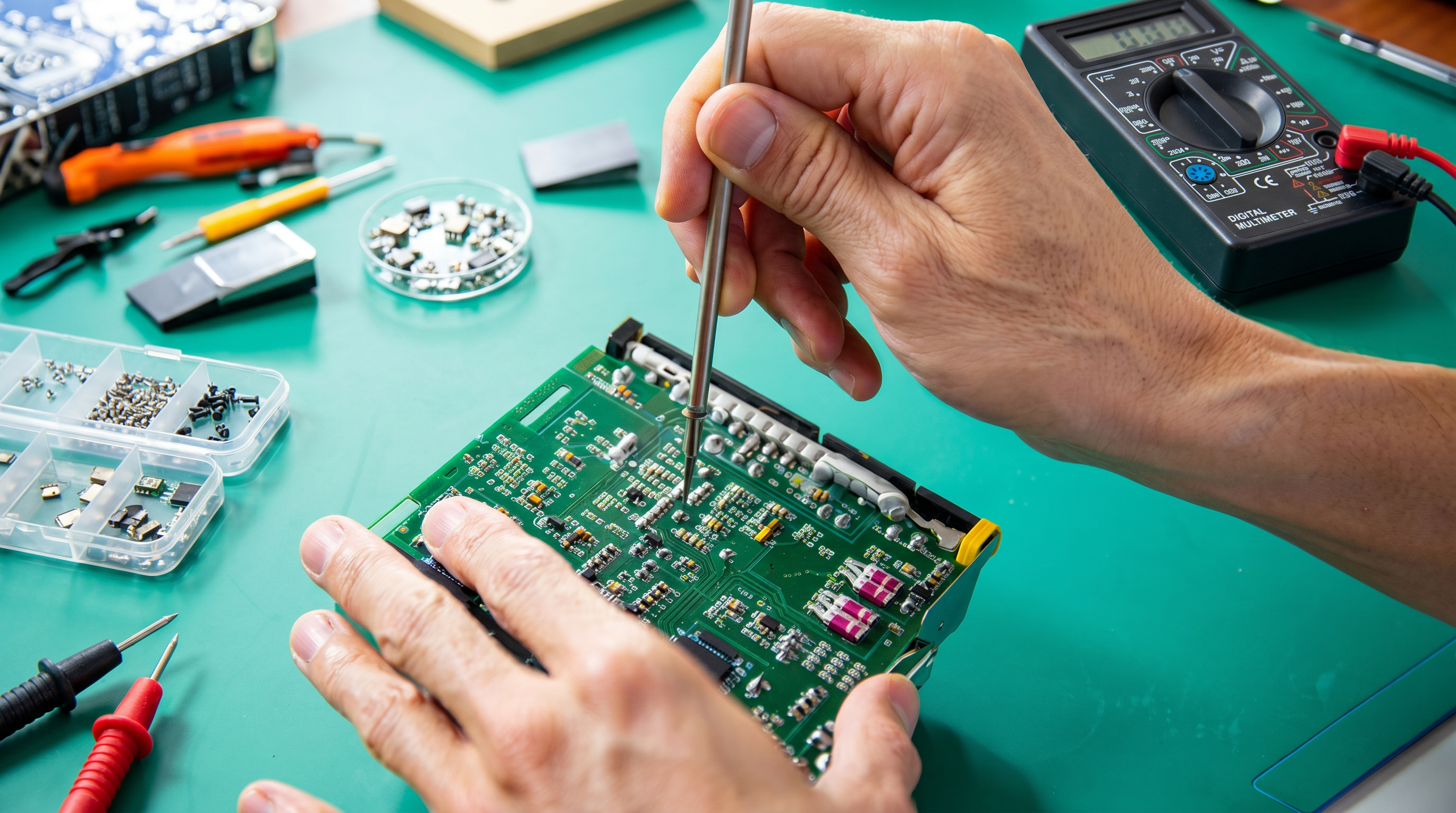
For the average user, exercising the right to repair today begins with accessible documentation. Platforms like iFixit host hundreds of thousands of free, step-by-step repair guides, while manufacturers are now legally required to publish their official service manuals online for public consumption. Before attempting any fix, consumers are encouraged to consult these manuals to understand the complexity of the repair, the required safety precautions—especially regarding lithium-ion batteries—and the exact tools needed to complete the job without causing further damage to the device.[6][8]
Users now have a broad spectrum of choices when a device inevitably fails. They can utilize OEM self-service programs for guaranteed genuine parts and official calibration tools, source third-party components for older devices where official support has ended, or confidently hand their hardware to a local independent technician. Because these shops now have legal access to the necessary schematics and diagnostic software, consumers can shop around for the best price and fastest service without fear of voiding their warranties or receiving subpar repairs.[1][6]

Despite these massive legislative victories, significant physical barriers to repair remain. Consumer advocates caution that while parts and manuals are now legally available, the physical design of many modern devices remains inherently hostile to disassembly. Laptops and tablets frequently feature batteries that are heavily glued into the chassis rather than screwed in, requiring chemical solvents to remove. Additionally, delicate ribbon cables are often routed in ways that make accidental damage highly likely during the opening process, intimidating novice repairers.[4][8]
Looking ahead, the movement is pushing for transparency at the point of sale to address these physical design flaws. Several states, including New York and Oregon, are exploring legislation that would require manufacturers to display a 'repair score' on product packaging—similar to an energy efficiency label. This would allow consumers to factor repairability into their purchasing decisions upfront, ultimately pressuring companies to design products that are not just legally repairable on paper, but physically built to last and easy to maintain.[2]
How we got here
2022
Apple launches its first Self Service Repair program for a limited number of iPhones.
2024
California and Minnesota enact sweeping consumer electronics repair laws.
2025
Oregon and Colorado pass legislation that explicitly bans software-based parts pairing.
July 2026
The European Union's comprehensive Repair Directive comes into force.
Sept 2026
Texas implements its Right to Repair law, becoming the eighth U.S. state to do so.
Viewpoints in depth
Consumer Advocates
Organizations pushing for unrestricted access to repair materials and an end to software locks.
Advocacy groups like iFixit and The Repair Association argue that purchasing a device should grant the owner total control over its maintenance. They view manufacturer restrictions—particularly software-based 'parts pairing'—as artificial monopolies designed to force consumers into expensive upgrade cycles. For these advocates, the right to repair is fundamentally about property rights, environmental sustainability, and fostering local economic growth through independent repair businesses.
Original Equipment Manufacturers (OEMs)
Tech companies balancing new legal compliance with product security and quality control.
Historically, major manufacturers opposed right-to-repair legislation, citing concerns that untrained consumers could injure themselves (particularly with lithium-ion batteries) or compromise device security. As laws have passed, OEMs have pivoted to compliance, launching official self-service programs. However, they maintain that modern devices are highly integrated for performance and water resistance, arguing that authorized repair networks still provide the safest and most reliable outcome for the average user.
Independent Technicians
Local repair shops seeking a level playing field with manufacturer-authorized service providers.
For independent repair businesses, the new laws are a lifeline. Previously locked out of proprietary diagnostic software and forced to rely on gray-market parts, these technicians can now legally access the exact same schematics and calibration tools as official manufacturer hubs. They argue this levels the playing field, allowing them to offer competitive pricing and faster turnaround times without voiding consumer warranties.
What we don't know
- How strictly federal agencies like the FTC will penalize manufacturers that exploit loopholes in state-level repair laws.
- Whether the availability of repair manuals will actually incentivize manufacturers to design physically modular, easier-to-repair devices.
- How the proposed 'repair scores' at the point of sale will impact consumer purchasing habits.
Key terms
- Parts Pairing
- A practice where a manufacturer uses software to digitally link a specific component to a device, preventing third-party or salvaged parts from functioning correctly.
- OEM (Original Equipment Manufacturer)
- The company that originally designed and built the device, such as Apple, Samsung, or John Deere.
- Diagnostic Software
- Specialized programs used to test hardware components, calibrate new parts, and clear error codes after a repair is completed.
- E-waste
- Discarded electronic appliances and devices, which often contain toxic materials and valuable rare earth metals.
Frequently asked
Does repairing my own device void the warranty?
Under the Magnuson-Moss Warranty Act in the U.S., a manufacturer cannot void your warranty simply because you or an independent shop opened the device or used third-party parts, unless they can prove the repair directly caused the damage.
Can I buy parts for any device?
Coverage depends on the state and the age of the device. Most new laws require manufacturers to provide parts for products sold within the last three to seven years, depending on the item's price.
Are the official repair tools expensive?
While purchasing professional-grade tools outright can be costly, many OEM self-service programs allow consumers to rent complete toolkits for a fraction of the price for a limited time.
What happens to the broken parts I replace?
Many self-repair programs offer a financial credit if you mail the broken component back to the manufacturer, ensuring it is properly recycled or refurbished.
Sources
Source coverage
8 outlets
4 viewpoints surfaced








[1]Waste DiveConsumer Advocates
Right-to-repair bills make a comeback in 2026
Read on Waste Dive →[2]Resource RecyclingConsumer Advocates
Right-to-repair movement continues to grow
Read on Resource Recycling →[3]MacRumorsOriginal Equipment Manufacturers
Apple Launches Self Service Repair for iPad
Read on MacRumors →[4]The Canadian PressOriginal Equipment Manufacturers
Apple launches program in Canada helping customers self-repair devices
Read on The Canadian Press →[5]SEMAIndependent Technicians
U.S. House Committee Advances Legislation to Enact Right-to-Repair Provisions
Read on SEMA →[6]The Repair AssociationConsumer Advocates
Legislation and Policy Objectives
Read on The Repair Association →[7]Certify & ComplyRegulators
Right to Repair – the EU's New Directive on Repair of Goods
Read on Certify & Comply →[8]iFixitConsumer Advocates
RI iFixit 2025
Read on iFixit →

Every angle. Every day.
Get guides stories with full source coverage and perspective breakdowns delivered to your inbox.