
The 2026 Drone Trade-Off: Comparing Sub-250g Micro Drones vs. Standard Models Under New FAA Rules
The FAA's proposal to restrict airspace over 125,000 infrastructure sites is forcing drone buyers to choose between unregistered micro drones and heavier models equipped for legal transit.
By Hui Lin

Share this story
The Federal Aviation Administration's May 2026 proposal to establish Unmanned Aircraft Flight Restrictions (UAFRs) over 125,000 critical infrastructure sites is fundamentally rewriting the rules of the sky. For outdoor enthusiasts and aerial photographers, this regulatory shift transforms the process of buying a drone from a simple comparison of camera specifications into a complex legal calculation.[1][2][3]
The core of the new framework is the UAFR, which acts as a virtual no-trespassing sign over facilities ranging from water treatment plants and rail yards to chemical refineries. While these zones prohibit unauthorized flights, the FAA has provided a transit loophole: operators can fly through these areas if they notify the facility and broadcast their exact location using Remote ID.[3]
This transit requirement creates a massive fork in the road for 2026 drone buyers. The market is now sharply divided into two distinct paths: sub-250-gram micro drones that offer regulatory freedom in open spaces, and standard GPS drones that carry the heavy compliance technology required to navigate urban and infrastructure-dense environments.
For the sub-250-gram category, the primary argument for adoption centers on regulatory freedom and travel convenience. Buyers choosing models like the 249-gram DJI Mini 4 Pro bypass the FAA's five-dollar registration fee and, crucially, the mandate to broadcast their location via Remote ID when flying strictly for recreational purposes.
Against this micro class, however, is the severe limitation introduced by the 2026 infrastructure rules. Because these lightweight drones typically do not broadcast Remote ID, they are entirely locked out of the new transit permissions for the 125,000 restricted sites. If a local hiking trail or public park falls within the lateral boundary of a newly protected water facility, a non-broadcasting drone cannot legally take off.[3]
The evidence for this trade-off is stark in the current market. While sub-250-gram drones dominate consumer sales due to their portability and lack of federal paperwork, their physical limitations extend beyond the law. They generally feature smaller image sensors and lower wind resistance, making them more susceptible to being blown off course during high-altitude mountain flights or coastal winds.
This ultra-lightweight class fits well when your primary use case involves hiking in remote wilderness areas, traveling internationally where sub-250-gram rules are universally lenient, or flying in wide-open spaces far from urban infrastructure. It does not fit well when you live in a densely populated area surrounded by critical infrastructure, as the new Unmanned Aircraft Flight Restrictions will effectively ground non-broadcasting drones in these zones.
For the standard GPS drone category—encompassing heavier models like the DJI Air 3 or Mavic 3—the argument for adoption is rooted in access and capability. These drones feature built-in Remote ID broadcasting, which satisfies the FAA's baseline requirement for requesting transit through the new restricted zones.
Against this heavier category is the burden of compliance and the loss of operational privacy. Owners must register the aircraft with the federal government, and the mandatory Remote ID beacon broadcasts not just the drone's location, but the pilot's exact ground coordinates to anyone with a smartphone scanner, raising personal security concerns for solo operators.
The evidence supporting the standard class lies in their operational resilience. Beyond regulatory access, these larger drones offer quantified advantages like Level 5 wind resistance—capable of handling gusts up to 24 miles per hour—and dual-camera systems with larger sensors that micro drones simply cannot physically support due to strict weight limits.
The standard drone class fits well when you require professional-grade image quality, frequently fly in windy coastal or mountainous environments, or need the legal capability to request transit through the 125,000 new infrastructure zones using Remote ID. It does not fit well when you prioritize absolute privacy, want to avoid federal registration databases, or need a drone that can slip into a small daypack without adding significant weight.
Ultimately, the 2026 drone market is no longer just about choosing the best camera; it is about choosing your preferred regulatory reality. Buyers must weigh the frictionless, unregistered freedom of a micro drone against the heavy, compliant access of a standard model, knowing that the airspace above their favorite outdoor spaces is becoming increasingly segmented.[1]
Key points
- The FAA's May 2026 proposal creates Unmanned Aircraft Flight Restrictions (UAFRs) over 125,000 critical infrastructure sites.
- Transiting these new restricted zones requires drones to broadcast their location via Remote ID.
- Sub-250-gram drones are exempt from Remote ID recreationally, meaning they cannot legally transit the new UAFR zones.
- Standard drones feature built-in Remote ID for legal transit but require federal registration and sacrifice operator privacy.
Open questions
- How quickly the FAA will process and approve the estimated 9,000 initial UAFR applications from infrastructure facilities.
- Whether manufacturers will begin adding Remote ID broadcast capabilities to sub-250-gram drones to allow them to transit restricted zones.
Timeline
September 2023
The FAA's Remote ID mandate takes full effect, requiring most registered drones to broadcast their location.
May 2024
Congress passes the FAA Reauthorization Act, expanding the list of critical infrastructure sites eligible for airspace protection.
May 6, 2026
The FAA publishes a Notice of Proposed Rulemaking to establish flight restrictions at 125,000 infrastructure sites.
July 6, 2026
The public comment period closes for the new Unmanned Aircraft Flight Restriction rules.
- Recreational Flyers & Hobbyists
- Argue that the expanding web of 125,000 restricted sites effectively grounds casual pilots, turning local parks near infrastructure into no-fly zones.
- Critical Infrastructure & Security
- Emphasize that unauthorized drones pose severe security risks to power grids and chemical plants, making strict UAFRs a baseline necessity.
- Commercial Operators & Journalists
- Support the new framework because it provides a standardized, legal pathway to transit restricted airspace using Remote ID.
Perspectives this story doesn't cover
- Local Park Administrations
- Privacy Advocates
Sources
Source coverage
3 outlets
3 viewpoints surfaced



- [1]Federal Aviation AdministrationCritical Infrastructure & Security
Recreational Flyers & Modeler Community-Based Organizations
Read on Federal Aviation Administration → - [2]Federal RegisterCritical Infrastructure & Security
Designation-Restrict the Operation of Unmanned Aircraft in Close Proximity to a Fixed Site Facility
Read on Federal Register → - [3]Greenberg TraurigCritical Infrastructure & Security
FAA Proposes New Process for Restricting Drone Flights Over Critical Infrastructure
Read on Greenberg Traurig →

More in Shopping & Reviews
See all →Gear Standards
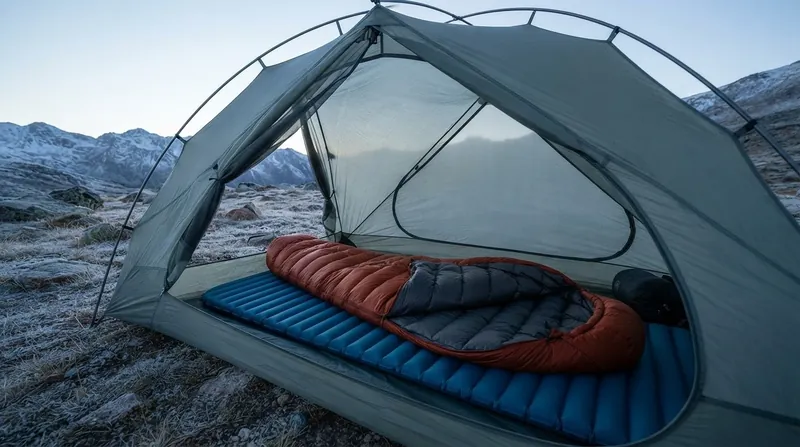
Heated Manikin Tests Under ISO 23537 Presume Thermal Base Layers and an R-4.8 Mat, Masking Why Campers Freeze at Marketed Lower Limits
6 sources
Gear Standards
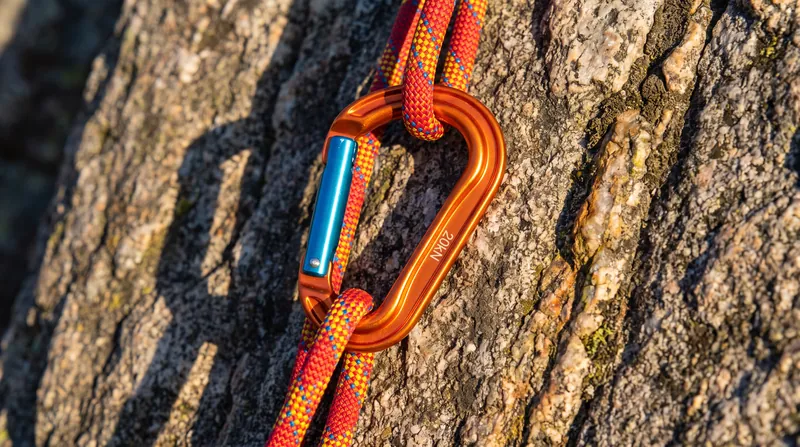
The 20kN Major Axis Rating: How UIAA and CE Standards Dictate a Carabiner's Minimum Breaking Strength
11 sources
Bike Industry
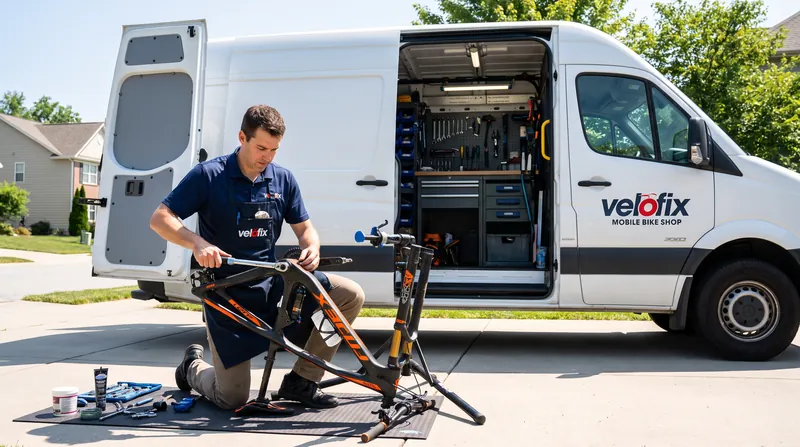
Backcountry Acquires Mobile Bike Service Velofix to Integrate Delivery and Assembly
5 sources
Water Purification
Why Military NSF P248 Purifier Testing Uses Muddier Water Than NSF P231
9 sources

Comments
Every angle. Every day.
Get Shopping & Reviews stories with full source coverage and perspective breakdowns, free every day.