
The 2026 Boom: How U.S. Women's Club Soccer Shattered Records and Redefined the Landscape
Driven by historic attendance milestones and the successful expansion of a second top-tier league, domestic women's soccer in the United States reached unprecedented heights in the spring of 2026.
By Factlen Editorial Team
- Commercial Stakeholders
- Investors and executives focused on the financial growth and media valuation of the leagues.
- Sporting & Player Advocates
- Voices prioritizing player compensation, roster opportunities, and competitive standards.
- Cultural Observers
- Analysts tracking the societal shift and the mainstreaming of women's sports.
What's not represented
- · International league executives competing for the same talent pool
- · Lower-division clubs navigating the new ecosystem
Why this matters
The explosive growth of domestic women's soccer proves that the sport is no longer reliant solely on the quadrennial bump of the World Cup or Olympics. With multiple thriving professional leagues, the U.S. is cementing a sustainable, year-round ecosystem that offers viable career paths for athletes and consistent entertainment for millions of fans.
Key points
- Denver Summit FC broke the U.S. women's professional sports attendance record with 63,004 fans.
- The NWSL's 2026 opening weekend drew a record-breaking 129,202 fans across eight matches.
- The USL Super League successfully completed its second season, cementing the U.S. as a dual-league powerhouse.
- Lexington SC won the 2025-2026 USL Super League championship, securing the league double.
- The USL Super League will transition to a spring-to-fall calendar in 2027 to align with the NWSL.
While the men's World Cup dominates global headlines and captures the attention of billions this summer, a quieter but equally historic revolution has already taken place on American soil. Domestic women's club soccer has reached an undeniable tipping point in 2026, shattering long-standing attendance records and proving the immense commercial viability of the sport far beyond the confines of international tournaments. For years, skeptics argued that the sport could only draw casual fans during major global events, but the explosive growth of local clubs has thoroughly dismantled that assumption. The United States has officially entered a new era of sports entertainment, anchored by deeply rooted community franchises that command massive, dedicated followings week in and week out.[1]
For decades, the success and visibility of women's soccer in the United States were inextricably tethered to the performance of the national team. A World Cup victory or an Olympic gold medal would reliably generate a brief, intense surge of mainstream interest, only for domestic leagues to struggle with funding, broadcasting rights, and visibility in the intervening years. Previous iterations of professional leagues folded under financial strain, leaving athletes with precarious career paths. However, the structural investments made over the past five years have fundamentally altered this dynamic, creating a resilient ecosystem that thrives independently of the quadrennial international cycle.[1][7]
The spring of 2026 has definitively rewritten the narrative surrounding women's professional sports. The National Women's Soccer League (NWSL) and the newly minted USL Super League have both demonstrated that local, community-rooted clubs can draw massive, consistent crowds, transforming the United States into an unprecedented dual-league powerhouse. This dual-engine growth has accelerated the professionalization of the sport, driving up standards across the board. From purpose-built stadiums to lucrative corporate sponsorships, the infrastructure supporting these athletes has finally caught up to the world-class talent they display on the pitch.[1][6]
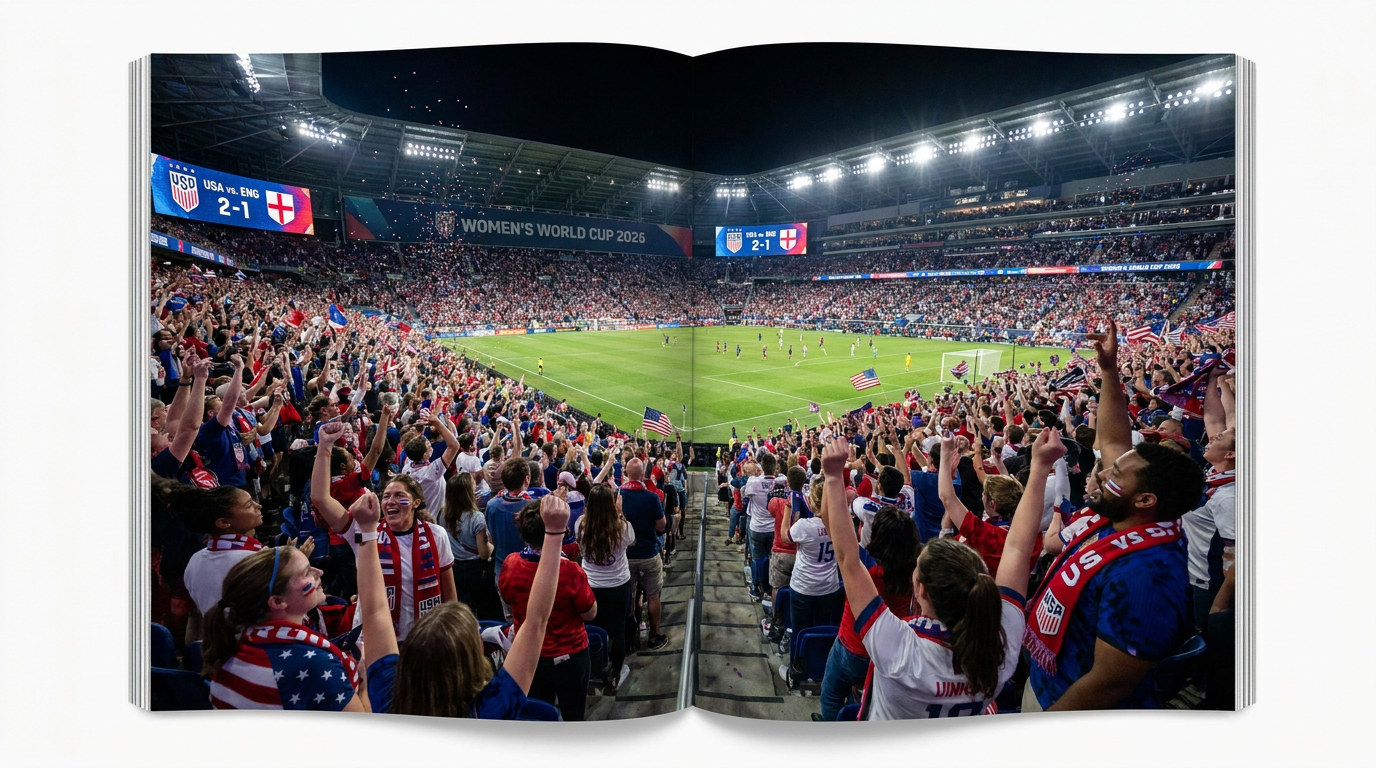
The most staggering evidence of this cultural and commercial shift arrived in late March, when Denver Summit FC—a highly anticipated NWSL expansion franchise—played its inaugural home match. The game, dubbed "The Kickoff," was hosted at Empower Field at Mile High and drew an astonishing 63,004 fans. The sheer scale of the crowd transformed a regular-season debut into a national spectacle, proving that the appetite for live women's soccer in major metropolitan markets is vastly larger than historical projections suggested.[2][4]
That monumental attendance figure didn't just break the NWSL single-game attendance record; it obliterated the previous benchmark by a staggering margin of 23,000 tickets. In doing so, it set a new high-water mark for attendance at any professional women's sporting event in the history of the United States, easily surpassing the previous record set by Bay FC in the San Francisco Bay Area during their 2025 inaugural season. The sight of tens of thousands of fans pouring into an NFL-sized stadium for a women's club match signaled a permanent shift in the sports entertainment hierarchy.[2][4]

Crucially, the Denver milestone was not an isolated anomaly or a localized fluke. The NWSL's 2026 opening weekend was a league-wide triumph that showcased deep, systemic growth across the country, drawing a combined 129,202 fans across eight highly competitive matches. This collective turnout shattered previous opening weekend records and demonstrated that the league's expansion strategy is paying massive dividends. Fans are no longer just showing up for the novelty of a new team; they are deeply invested in the ongoing narratives, rivalries, and athletic excellence that define the league.[3][4]
That opening weekend surge translated to an average of 16,150 fans per match, the highest per-game average in the league's history. Seven of the eight opening weekend matches drew crowds exceeding the 10,000-fan threshold, setting a new league record for the most opening weekend matches above that mark. This consistency across diverse markets—from the East Coast to the Pacific Northwest—signals a broad, sustainable fan base that extends well beyond a few flagship cities, proving the NWSL's viability as a premier national sports property.[3][4]
The enthusiasm was palpable across the league's expanding footprint. Boston Legacy FC, another 2026 expansion side, welcomed a massive crowd of 30,207 fans to Gillette Stadium for their inaugural home opener against the reigning champions, Gotham FC. Meanwhile, established clubs continued to flex their drawing power; the Washington Spirit packed Audi Field with a sellout crowd of 19,215, and teams like Angel City FC, the Orlando Pride, and San Diego Wave FC all hosted crowds comfortably exceeding 14,000 passionate supporters.[3][4]
The Kansas City Current's opening weekend performance was particularly notable for its sustained excellence and unwavering community support. Their sellout crowd of 11,500 marked the club's 27th consecutive regular-season capacity crowd since they opened CPKC Stadium in March 2024. As the first stadium in the world purpose-built specifically for a women's professional sports team, CPKC Stadium has become a definitive blueprint for how bespoke infrastructure can cultivate an unparalleled matchday atmosphere, drive premium ticket sales, and guarantee long-term financial stability for a modern sports franchise.[3]

The Kansas City Current's opening weekend performance was particularly notable for its sustained excellence and unwavering community support.
Yet, the NWSL is no longer the only game in town, and that might be the most significant development of all. The 2025-2026 season marked the highly successful sophomore campaign of the USL Super League, which operates alongside the NWSL with official Division 1 sanctioning from U.S. Soccer. The emergence of a second top-tier league has dramatically expanded the geographic reach of professional women's soccer, bringing high-level competition to markets that were previously underserved by the existing sports infrastructure.[5][6]
Having two fully sanctioned Division 1 leagues operating simultaneously is a historic first for the American women's game. This dual-league system has created dozens of new professional roster spots, driven up minimum salaries through increased competition for talent, and provided athletes with unprecedented leverage in contract negotiations. It has transformed the United States into a massive, diversified labor market for female soccer players, ensuring that top-tier talent no longer has to move overseas to find consistent playing time and fair compensation.[6]
The USL Super League brought its second season to a thrilling conclusion on May 30, 2026, with Lexington SC defeating Carolina Ascent FC 3-1 in the championship match. The victory was the culmination of a dominant campaign for Lexington, who secured the coveted league double by also winning the Players' Shield for the best regular-season record. The high quality of play in the final underscored the depth of talent that the new league has managed to attract and develop in just two years of operation.[6]
Operating without a traditional American draft system and relying primarily on free agency to build rosters, the USL Super League has introduced a fundamentally different structural model to the domestic landscape. This approach closely mirrors the global soccer market, allowing players greater freedom of movement and forcing clubs to compete on the merits of their facilities, coaching staffs, and community culture. It is a progressive model that aligns with international standards and appeals to players seeking autonomy over their professional careers.[6]

The league's matches, which are streamed nationally on Peacock through a multi-year broadcasting deal with NBCUniversal, have brought top-tier women's soccer to vibrant new markets. Clubs in cities like Spokane, Tampa Bay, Fort Lauderdale, and Brooklyn are cultivating fierce local rivalries and expanding the sport's geographic footprint. This widespread accessibility ensures that fans across the country can engage with the sport on a weekly basis, further embedding women's soccer into the cultural fabric of American sports consumption.[5][6]
Looking ahead, the USL Super League recently announced a major strategic shift designed to optimize its long-term growth and competitive positioning. Beginning in 2027, the league will transition from its current fall-to-spring format to a spring-to-fall calendar. This crucial adjustment will align its schedule with the NWSL and the broader domestic soccer landscape, reducing scheduling conflicts and allowing both leagues to capitalize on the prime summer months when fan engagement, favorable weather, and stadium attendance typically reach their absolute peak.[5]
To facilitate this alignment, the USL Super League will feature an abridged 14-match fall season in late 2026 to bridge the calendar gap. This high-stakes transitional tournament will set the stage for a highly competitive and synchronized 2027 campaign across both Division 1 leagues. The synchronized schedules will likely foster even greater collaboration and competition between the leagues, potentially paving the way for expanded domestic cup competitions that pit NWSL and USL Super League clubs against one another in high-profile knockout matches.[5]
The thriving dual-league ecosystem is also driving a massive surge in international talent migrating to the United States. While European leagues like the Women's Super League in England and Liga MX Femenil in Mexico have grown rapidly, the U.S. remains a premier destination for top players seeking unparalleled competitive depth and world-class facilities. The sheer volume of fully professional clubs in America now offers international stars a variety of attractive destinations, elevating the technical and tactical quality of play across the board.[7]

Major brands and broadcasters are taking notice of this undeniable momentum. The influx of corporate sponsorships, dedicated stadium infrastructure, and multi-year television deals has provided the financial stability that previous iterations of women's professional leagues sorely lacked. Media companies are no longer treating women's soccer as a charitable endeavor or a niche offering; they are investing heavily in production value and prime-time broadcasting slots, recognizing the sport as a highly lucrative property with a deeply engaged, demographically desirable audience.[1][7]
Grassroots development is also reaping the profound benefits of this professional boom. The widespread visibility of local professional clubs provides young athletes with tangible, realistic career pathways. They are moving beyond the abstract dream of one day making the national team to the concrete, achievable goal of playing for their hometown club in front of their friends and family. This localized inspiration is driving record participation numbers in youth academies and fundamentally changing how the next generation views their potential in the sport.[1][7]
As the 2026 season progresses toward the highly anticipated NWSL Championship at Audi Field in Washington, D.C., the overarching narrative has fundamentally shifted. The question debated by sports pundits is no longer whether women's club soccer can survive in the United States, but rather how high its commercial and athletic ceiling can reach. With shattered attendance records, expanding leagues, and a fiercely loyal fanbase, the sport has cemented its status as a permanent, dominant fixture in the American sporting landscape.[1][4]
How we got here
March 2024
CPKC Stadium opens in Kansas City, becoming the first stadium purpose-built for a women's professional sports team.
August 2024
The USL Super League launches its inaugural season, giving the U.S. two Division 1 women's soccer leagues.
March 2026
Denver Summit FC draws 63,004 fans for their inaugural match, shattering the U.S. women's professional sports attendance record.
May 2026
Lexington SC wins the USL Super League championship, completing the league double in the competition's second season.
June 2026
The USL Super League announces a transition to a spring-to-fall calendar to align with the NWSL.
Viewpoints in depth
League Executives & Owners
Focused on commercial viability, infrastructure investment, and long-term financial sustainability.
For league executives and franchise owners, the 2026 boom validates years of heavy capital investment. They point to purpose-built stadiums, such as CPKC Stadium in Kansas City, and record-breaking expansion fees as proof that women's soccer is a premium commercial asset. Their primary focus is now on expanding media rights deals, maximizing matchday revenue, and ensuring that the infrastructure can support the rapidly growing fan demand.
Players & Sporting Directors
Focused on competitive standards, player welfare, and the benefits of a dual-league system.
Athletes and sporting directors view the current landscape as a massive victory for labor and competitive development. The existence of two Division 1 leagues—the NWSL and the USL Super League—has effectively doubled the number of top-tier roster spots available in the United States. This competition for talent has driven up minimum salaries, improved training facilities, and given players unprecedented leverage in free agency, allowing them to build sustainable, long-term careers without relying on national team call-ups.
Grassroots Advocates
Focused on community accessibility, youth pathways, and the cultural impact of local clubs.
Grassroots organizers and youth coaches celebrate the expansion of professional clubs into new markets like Spokane, Lexington, and Brooklyn. They argue that local, visible role models are essential for the next generation of athletes. However, some advocates caution that as the sport becomes more commercialized, leagues must ensure that ticket prices remain accessible to working-class families and that youth academies do not adopt the exclusionary pay-to-play models that have historically plagued American soccer.
What we don't know
- Whether the NWSL and USL Super League will eventually collaborate on a unified domestic cup competition.
- How the influx of international talent will impact the development minutes available for domestic youth players.
- If the rapid expansion of franchises will eventually outpace the current growth in media rights valuations.
Key terms
- Division 1 Sanctioning
- The highest level of professional classification granted by U.S. Soccer, requiring leagues to meet strict standards for stadium capacity, financial viability, and geographic distribution.
- Players' Shield
- The trophy awarded to the USL Super League team that finishes the regular season with the best overall record.
- Free Agency
- A system allowing players whose contracts have expired to sign with any club of their choosing, a model utilized heavily by the USL Super League in lieu of a draft.
Frequently asked
What is the attendance record for a U.S. women's professional sports event?
The record is 63,004 fans, set on March 28, 2026, when Denver Summit FC hosted the Washington Spirit at Empower Field at Mile High.
How many Division 1 women's soccer leagues are in the U.S.?
There are currently two: the National Women's Soccer League (NWSL) and the USL Super League.
Who won the 2026 USL Super League championship?
Lexington SC won the 2025-2026 championship by defeating Carolina Ascent FC 3-1 on May 30, 2026.
When does the USL Super League season take place?
It currently operates on a fall-to-spring calendar, but the league announced it will transition to a spring-to-fall schedule beginning in 2027 to align with the NWSL.
Sources
Source coverage
7 outlets
3 viewpoints surfaced





[1]Factlen Editorial TeamCultural Observers
Synthesis by Factlen editorial team
Read on Factlen Editorial Team →[2]The Colorado SunCultural Observers
Denver Summit FC smashes NWSL attendance record in first home match
Read on The Colorado Sun →[3]Just Women's SportsCommercial Stakeholders
NWSL Kicks Off 2026 with Season-Opening Attendance Records
Read on Just Women's Sports →[4]NWSL OfficialCommercial Stakeholders
DENVER SUMMIT FC BREAKS ATTENDANCE RECORD AT INAUGURAL HOME GAME
Read on NWSL Official →[5]Brooklyn FCCommercial Stakeholders
Gainbridge Super League 2026 Fall Season Format Announced
Read on Brooklyn FC →[6]WikipediaSporting & Player Advocates
2026 USL Super League final
Read on Wikipedia →[7]Red BullCultural Observers
The rise of women's soccer: Breaking records and stereotypes
Read on Red Bull →

More in sports
See all 10 stories →Standings
Belgium Men and Netherlands Women Tighten Grip on FIH Pro League Titles as Olympic Qualification Looms
0 sources

NBA Finals
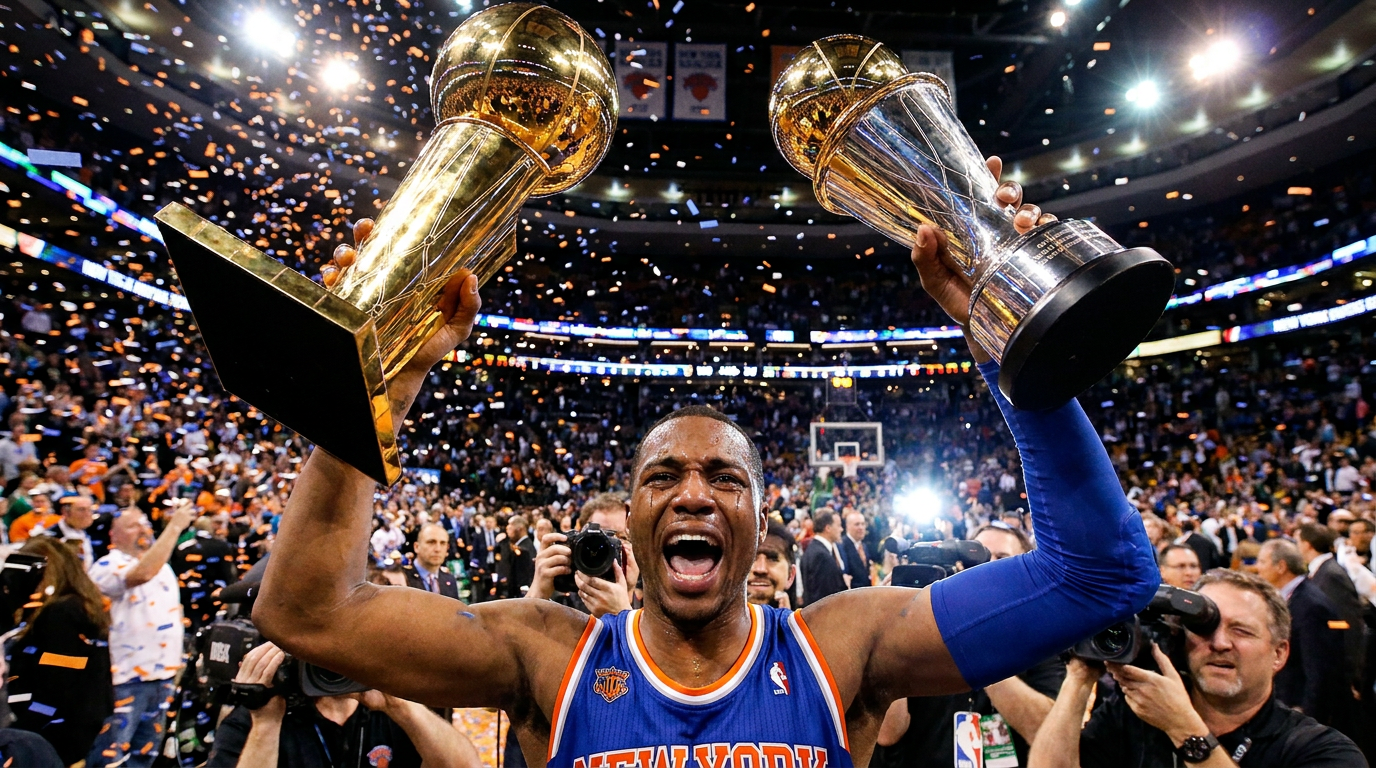
New York Knicks Win First NBA Championship in 53 Years, Defeating Spurs in Historic Finals Comeback
0 sources
Injury
Emil Mellegård Returns from ACL Tear to Seal PSG Handball's Historic Unbeaten Season
0 sources
Standings
FC Barcelona Claims 13th EHF Champions League Title as SC Magdeburg Dominates German Bundesliga
0 sources
Every angle. Every day.
Get sports stories with full source coverage and perspective breakdowns delivered to your inbox.