
Skateboarding's Brutal Toll and Unbreakable Spirit: How the Community Rallies Around Its Injured Stars
As the 2026 X Games approach, the global skateboarding community is rallying around injured pros like Nyjah Huston and Tommy Sandoval, showcasing a unique culture of financial and emotional resilience.
The approach of the 2026 X Games in Ventura, California, has the extreme sports world buzzing with anticipation. Scheduled for late June, the event represents the pinnacle of action sports, where athletes push the absolute boundaries of physics and human endurance. However, this relentless progression into massive, high-risk tricks comes with a steep physical toll.
As the competition draws near, the skateboarding community is grappling with a string of severe injuries to some of its brightest stars. Yet, rather than casting a shadow over the sport, these setbacks have illuminated the incredible resilience and tight-knit solidarity that define global skateboarding culture.
The sheer danger of modern street and vert skating was brought into sharp focus early this year by the harrowing experiences of Nyjah Huston. Widely considered one of the greatest competitive skateboarders in history, the Olympic medalist suffered a catastrophic crash in January 2026.
While attempting a massive rail trick, Huston took a devastating fall that resulted in a fractured skull and a fractured eye socket. The images of the 15-time X Games gold medalist in a hospital bed served as a stark reminder of the razor-thin margin for error in a sport where athletes routinely launch themselves down concrete staircases and iron handrails.[1]
Unbelievably, Huston's physical trials did not end there. In late May 2026, just as he was working his way back into form, he suffered another massive accident. This second crash left him with a fractured jaw, a broken cheekbone, and a severe kidney injury. For many athletes, such back-to-back trauma would signal the end of a career.
Instead, Huston posted a defiant and uplifting message to his millions of followers. "I'm doing what I was born to do," he wrote, explaining that the pain is a secondary concern to the passion that fuels his life. His refusal to quit encapsulates the warrior ethos that permeates the professional skateboarding ranks.[2]
This unbreakable spirit is echoed across the sport, extending from the biggest international stars to beloved veteran riders. In early June 2026, long-time professional skater Tommy Sandoval took a horrific slam that sent shockwaves through the community.
Sandoval suffered severe pelvic trauma, including a torn urethra and extensive internal damage, requiring immediate surgical intervention and a catheter. The injury was so severe that doctors advised him he would be unable to return to his board—or to work—for the remainder of the year, abruptly halting his livelihood and plunging his family into uncertainty.[3]
Because Sandoval's injuries will keep him off the board for months, his family launched a GoFundMe campaign to help cover mounting medical bills and daily living expenses. The response from the global skateboarding community was instantaneous and overwhelming. Fans, fellow professionals, and industry brands poured in donations, sharing his story across social media platforms. This massive outpouring of financial and emotional support highlights a crucial safety net within the culture: when one skater falls, the entire community rushes in to pick them up.[3]
This financial vulnerability is a stark reality in action sports. Unlike athletes in major traditional team sports who benefit from guaranteed contracts and comprehensive union healthcare, professional skateboarders operate as independent contractors. They rely heavily on contest winnings, video part bonuses, and brand sponsorships. When a devastating injury strikes, that income stream can vanish overnight. The community's willingness to crowdfund for their peers demonstrates a grassroots model of solidarity that is rarely seen in other professional athletic leagues, turning individual tragedies into collective triumphs of generosity.[3][6]
Returning to the board after such severe physical trauma is as much a psychological battle as it is a physical rehabilitation. Medical experts and veteran skaters note that as athletes age, their neural calculation of risk fundamentally changes.
The youthful routine of simply bouncing back from a fall is replaced by the sobering reality of prolonged recovery times. Overcoming the mental block of a past injury requires immense dedication, and wearing complete protective gear—which studies show can reduce the risk of serious injuries by up to 80 percent—becomes a vital component of a successful comeback.[4]
Yet, the history of skateboarding is paved with miraculous, uplifting comebacks that fuel the hopes of today's sidelined roster. Skaters like Japan's Aori Nishimura, who returned from devastating reconstructive ACL surgeries to win gold and compete on the Olympic stage, serve as living blueprints for resilience. These success stories prove that a devastating slam does not have to be the final chapter. Instead, the grueling hours of physical therapy and the mental hurdles of dropping back into the bowl often forge stronger, more determined competitors.[5]
As fans and athletes gather in Ventura for the 2026 X Games, the absence of heavy hitters like Huston and Sandoval will undoubtedly be felt on the course. However, the overarching narrative of the weekend will not be one of defeat. Instead, the event will serve as a celebration of an unbreakable brotherhood.
As fans and athletes gather in Ventura for the 2026 X Games, the absence of heavy hitters like Huston and Sandoval will undoubtedly be felt on the course.
In skateboarding, competitors are often the first to cheer each other on, banging their boards on the coping in a universal sign of respect. Whether they are landing a world-first trick in the park or fighting their way out of a hospital ward, skateboarders continue to prove that their greatest strength is how they rise after a fall.[6]
Key points
- Nyjah Huston suffered two massive crashes in early 2026 but remains defiant about returning to the sport.
- Veteran Tommy Sandoval's recent severe pelvic injury sparked a massive grassroots fundraising effort.
- Skateboarders often lack guaranteed contracts, making community financial support vital during recoveries.
- The upcoming X Games in Ventura will highlight the sport's tight-knit brotherhood and resilience.
How we got here
January 2026
Nyjah Huston suffers a fractured skull and eye socket during a massive rail attempt.
May 2026
Huston sustains a second severe crash, fracturing his jaw and cheekbone.
June 4, 2026
Veteran skater Tommy Sandoval suffers a horrific pelvic injury, prompting a massive community fundraiser.
June 25-28, 2026
The X Games return to Ventura, California, serving as a focal point for the sport's resilience.
- Professional Skateboarders
- Viewing injuries as an inevitable part of the lifestyle and the pursuit of progression.
- Medical & Safety Advocates
- Emphasizing the necessity of protective gear and structured rehabilitation.
- The Grassroots Community
- Focusing on mutual aid, crowdfunding, and emotional support for fallen riders.
Perspectives this story doesn't cover
- Insurance providers for action sports athletes
- Event organizers managing liability and course safety
Sources
Source coverage
6 outlets
3 viewpoints surfaced






- [1]Olympics.comProfessional Skateboarders
Nyjah Huston suffers fractured skull and eye socket in 'death defying' skateboard accident to start 2026 in hospital
Read on Olympics.com → - [2]CNN BrasilProfessional Skateboarders
Skate: Nyjah Huston sofre fraturas no rosto e lesão no rim após acidente
Read on CNN Brasil → - [3]TransWorld SKATEboardingProfessional Skateboarders
Help Tommy Sandoval After A Brutal Slam
Read on TransWorld SKATEboarding → - [4]InspiredBySportsMedical & Safety Advocates
Skateboarding over 30: How to get back on the board as an adult
Read on InspiredBySports → - [5]TIMEThe Grassroots Community
This Japanese Skateboarder Thought Her Career Would Be Over After a Devastating Injury
Read on TIME → - [6]Cincinnati MagazineThe Grassroots Community
Cincinnati’s Skateboarding Community Just Keeps Growing Stronger
Read on Cincinnati Magazine →
More in Sports
See all →Standings
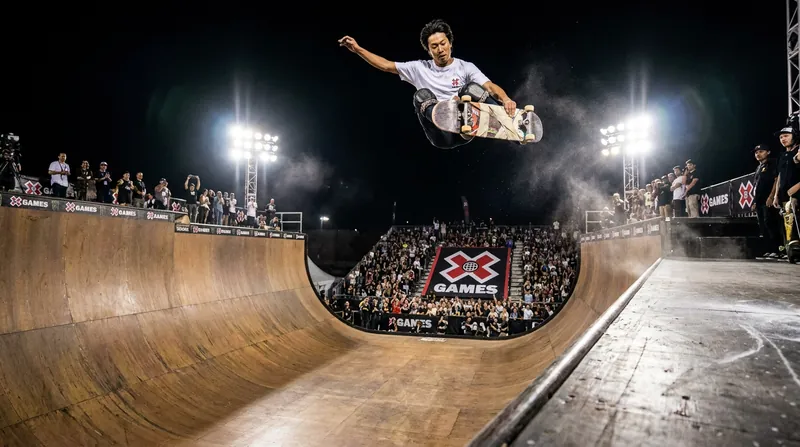
X Games League Women's Park Standings: Sky Brown and Mizuho Hasegawa Locked in Historic Duel Ahead of New Orleans Finale
5 sources
Injury
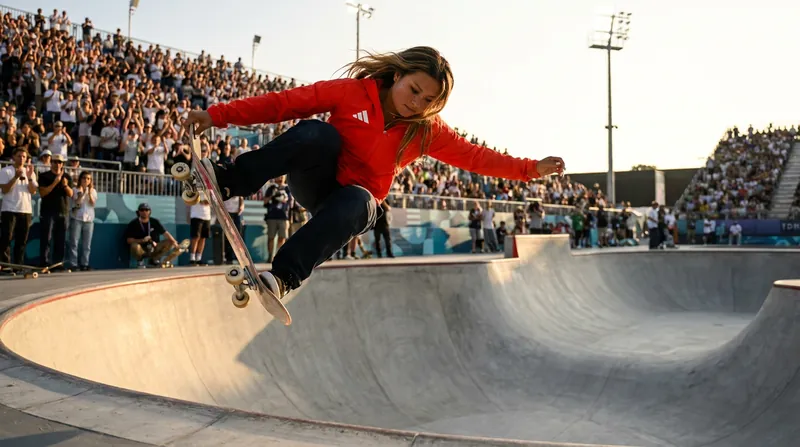
Skateboarding Injury Report: Chloe Covell's Golden Return and Chad Caruso's Cross-Country Resilience
2 sources
Standings
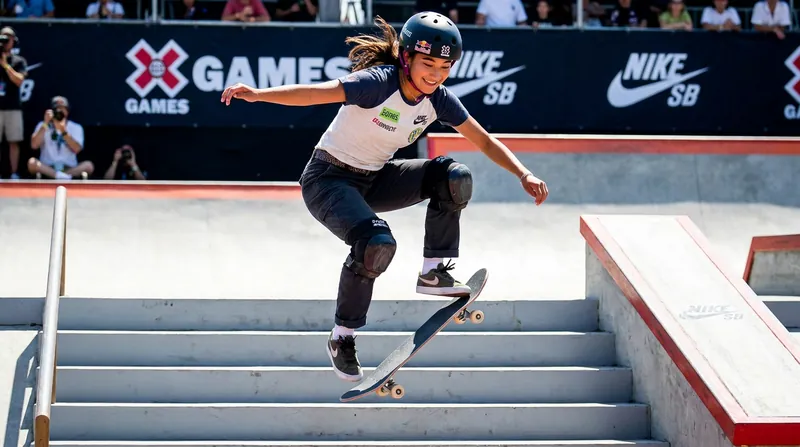
Global Skateboarding Standings: The European Surge Disrupting the Sport's Traditional Powerhouses
3 sources
Injury
Aurelien Giraud Begins Grueling Comeback Journey Following Major Knee Surgery, Vowing 'We're Not Giving Up'
3 sources
Comments
Every angle. Every day.
Get Sports stories with full source coverage and perspective breakdowns, free every day.