
Serbian President Aleksandar Vučić to Resign Within Weeks, Triggering Snap Elections
Serbian President Aleksandar Vučić has announced he will step down in the coming weeks following months of escalating anti-government protests, paving the way for early parliamentary and presidential elections.
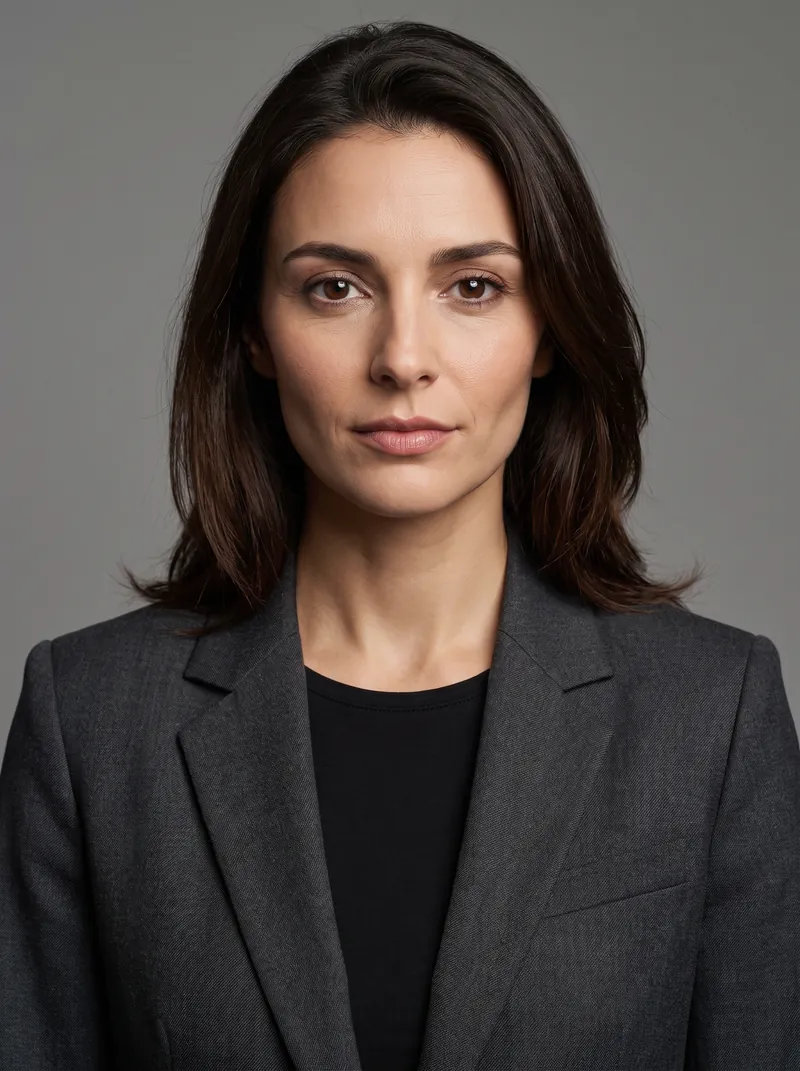
Serbian President Aleksandar Vučić announced on Monday that he will resign his office within the next few weeks, bowing to months of sustained public pressure and mass protests across the country. The unexpected declaration marks the end of his dominant 12-year grip on Serbian politics and immediately triggers preparations for snap parliamentary and presidential elections. The move has sent shockwaves through the Balkans, where Vučić has long been the central political anchor.[1][2]
Addressing the nation from the presidential palace in Belgrade, Vučić stated that the country requires a "new mandate for unity" and that he would not stand in the way of the public's desire for a renewed electoral process. He confirmed his formal resignation letter would be submitted to the National Assembly by mid-July, framing the decision as a necessary step to prevent further societal division and economic disruption.
The resignation follows a protracted period of civil unrest that has paralyzed parts of the capital. Hundreds of thousands of citizens have taken to the streets of Belgrade and other major cities since early spring. Initially sparked by controversial environmental policies and lithium mining concessions, the demonstrations rapidly evolved into a broader movement against alleged democratic backsliding, media consolidation, and electoral irregularities linked to the ruling party.
Serbia's fractured opposition coalition cautiously welcomed the announcement but immediately demanded international oversight for the upcoming elections. Opposition leaders argue that without comprehensive electoral reform and equal access to state-aligned media, snap elections will merely serve to entrench the ruling Serbian Progressive Party (SNS) under new leadership. They have pledged to continue their street protests until transitional election safeguards are legally guaranteed.
Vučić's departure creates immediate geopolitical ripples across Europe. Throughout his tenure, he maintained a delicate balancing act—pursuing European Union membership while simultaneously cultivating deep economic and political ties with Russia and China. Brussels and Washington have frequently pressured Belgrade to align with Western sanctions against Moscow, a step Vučić consistently delayed to appease his domestic base and secure favorable energy deals.[3][4]
The sudden power vacuum also raises acute concerns over the fragile normalization process with neighboring Kosovo. EU-brokered talks have stalled repeatedly, and international observers worry that a transitional government in Belgrade could paralyze diplomatic efforts. There is widespread apprehension that domestic political factions may adopt hardline nationalist stances to court voters during the upcoming campaign, potentially leading to renewed border tensions.[4]
Within the ruling SNS, the scramble for succession has already begun. Political analysts suggest Vučić's resignation may be a calculated maneuver to shed personal political baggage while allowing his party to regroup and campaign on a platform of stability against a divided opposition. Vučić himself hinted during his address that he would remain active in the party's strategic direction, leading critics to warn he may attempt to rule from behind the scenes.
Under the Serbian constitution, the speaker of the National Assembly will assume the role of acting president once the resignation is formalized. Snap elections must then be scheduled within 45 to 60 days. As the country braces for a highly polarized and abbreviated campaign season, European election monitors are preparing to deploy expanded observation missions to Belgrade to ensure the integrity of the vote.[1][2]
Viewpoints in depth
The Opposition Coalition
Views the resignation as a victory but fears the ruling party will manipulate the snap elections.
Opposition leaders argue that Vučić's departure is a tactical retreat rather than a genuine concession to democratic norms. They emphasize that the ruling Serbian Progressive Party (SNS) still controls the state apparatus, the judiciary, and the majority of national broadcasters. Their primary demand has shifted from Vučić's removal to securing international oversight and media parity ahead of the upcoming vote, warning that elections held under current conditions will not be free or fair.
The Ruling Party (SNS)
Frames the resignation as a patriotic act to preserve national stability and prevent civil conflict.
Allies of the president and state-aligned media portray Vučić as a statesman putting the country before his own political career. They argue that the opposition's continuous protests were destabilizing the economy and undermining Serbia's international standing. By calling snap elections, the SNS aims to secure a fresh mandate, betting that the broader electorate prefers their promise of economic continuity and geopolitical neutrality over the opposition's fragmented platform.
European Union Observers
Concerned about a potential power vacuum and the stalling of regional diplomacy.
Brussels views the development with cautious apprehension. While European officials have frequently criticized Vučić's government for democratic backsliding and its refusal to sanction Russia, he was also seen as a known quantity capable of delivering on international agreements, particularly regarding Kosovo. EU diplomats worry that a volatile election season will freeze the Belgrade-Pristina dialogue and open the door for increased Russian and Chinese influence during the transitional period.
Key points
- President Aleksandar Vučić announced he will resign within weeks after 12 years in power.
- The decision follows months of massive anti-government protests across Serbia.
- Snap parliamentary and presidential elections will be triggered, likely held by late summer.
- The opposition demands international election monitors and equal access to state media.
What we don’t know
- The exact date Vučić will formally submit his resignation to the National Assembly.
- Who the ruling SNS party will nominate as their new presidential candidate.
- Whether the fractured opposition coalition can unite behind a single challenger.
How we got here
2014
Aleksandar Vučić becomes Prime Minister, beginning a decade of consolidated power.
2017
Vučić is elected President of Serbia, transitioning to the head of state role.
Dec 2023
Snap parliamentary elections spark allegations of widespread fraud, igniting initial protests.
Spring 2026
Protests escalate over environmental policies and democratic backsliding, drawing hundreds of thousands.
June 2026
Vučić announces his intention to resign and call for new elections.
- Pro-Democracy Opposition
- View the resignation as a necessary first step but demand systemic electoral reforms to prevent further authoritarianism.
- Ruling Party Supporters
- Believe Vučić is stepping down to prevent civil unrest and expect the SNS to win the new elections.
- International Observers
- Focused on how the political transition will impact Balkan stability, EU integration, and the Kosovo dialogue.
Perspectives this story doesn't cover
- Rural Serbian voters who traditionally form the base of the ruling party
- Kosovo government officials monitoring the impact on normalization talks
Sources
Source coverage
4 outlets
3 viewpoints surfaced




- [1]ReutersInternational Observers
Serbian President Vucic announces resignation amid mass protests
Read on Reuters → - [2]BBC NewsInternational Observers
Fuchs leaves Newport County after just seven months
Read on BBC News → - [3]Al JazeeraInternational Observers
Serbia’s President Aleksandar Vucic says will resign within ‘weeks’
Read on Al Jazeera → - [4]EuronewsInternational Observers
EU closely monitoring Serbia as Vučić signals exit and early elections
Read on Euronews →
More in News & Politics
See all →Defense Tech
Ukraine Deploys Domestically Built FP-7 Ballistic Missile in Combat for First Time
6 sources

Border Conflict
Pakistan Launches Second Wave of Airstrikes on Afghan Drone Sites as Taliban Vows Retaliation
5 sources
UN General Assembly
Netanyahu Attacks Enemies and Allies in Fiery UN Speech, Sparking Mass Envoy Walkout
8 sources
Russia-Ukraine War
Ukraine Launches Largest Drone Attack on Moscow as Russian Elections Conclude
8 sources
Comments
Every angle. Every day.
Get News & Politics stories with full source coverage and perspective breakdowns, free every day.