
Russia Strikes Ukrainian Power Grid in Breach of Trump's Energy Ceasefire as Kremlin Rejects Truce
Russian forces attacked Ukrainian energy infrastructure hours after U.S. President Donald Trump announced an immediate bilateral energy ceasefire. The Kremlin declined to confirm the agreement, while Ukrainian President Volodymyr Zelenskyy vowed to retaliate if the strikes continue.
By Adel Khoury
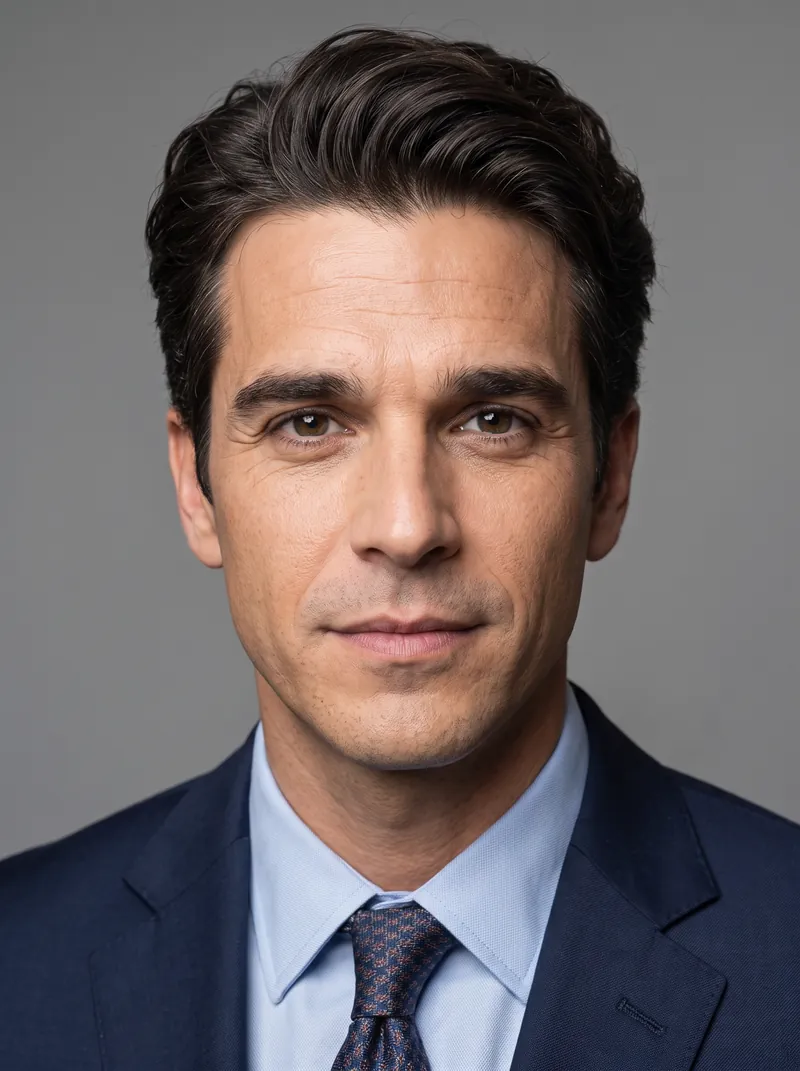
Russian forces launched targeted strikes against Ukrainian energy infrastructure on the evening of October 11, 2026, hours after U.S. President Donald Trump claimed to have brokered an immediate energy ceasefire. The attacks hit a thermal power plant in the northeastern city of Kharkiv, alongside a gas production facility belonging to the state energy company Naftogaz.[2][3]
The strikes plunged parts of Kharkiv into darkness and caused a major fire at the Naftogaz site, damaging critical equipment. The bombardment directly contradicted Trump's unilateral declaration on his Truth Social platform earlier that Sunday, which asserted that both Kyiv and Moscow had agreed to halt attacks on each other's energy grids.[3]
Ukrainian President Volodymyr Zelenskyy addressed the breach during a video appearance at the Warsaw Security Forum on October 12. He confirmed that Ukrainian drone operators had deliberately spared Russian oil refineries overnight to honor the proposed truce, only to see Russian glide bombs and Shahed drones swarm Ukrainian skies.[1][2]
"It was clear that Putin does not read Truth Social, and his Shahed drones follow a different set of instructions," Zelenskyy told the European security officials gathered in Poland. He noted that Ukraine had been horribly surprised to learn of the purported diplomatic breakthrough through media reports rather than official channels.[2]
Kremlin declines to confirm truce
In Moscow, the Russian government refused to acknowledge that any binding agreement had been reached. Kremlin spokesman Dmitry Peskov addressed reporters on October 12, deflecting questions about whether the Russian military was operating under new constraints regarding Ukrainian power stations or fuel depots.[2][3]
"Contacts are ongoing. As soon as we have anything to say on the matter, we will be sure to let you know," Peskov said, according to the Russian state news agency TASS. He declined to clarify whether the proposed ceasefire applied exclusively to oil refineries or encompassed the broader civilian electricity grid.[2][3]
The ambiguity follows a similar diplomatic misfire from September 14, 2026, when Trump claimed both nations had agreed not to target energy infrastructure. That proposal also collapsed without formal confirmation, as Russian forces continued their campaign to degrade Ukraine's heating and power capacity ahead of the winter months.
Unnamed sources close to the Russian government told Bloomberg that Moscow remains highly skeptical that Washington can deliver a binding agreement on terms favorable to Russia. The Kremlin has consistently leveraged its winter bombardment strategy to wear down Ukrainian public resistance, a tactic Kyiv describes as weaponizing winter.[3]
Kyiv demands reciprocal compliance
Despite the immediate violations, Zelenskyy emphasized that Ukraine remains willing to implement the energy ceasefire if the Russian military actually stops its strikes. He framed the potential agreement as a critical step toward de-escalation that could protect millions of civilians from freezing temperatures during the 4.5-year-old war.[1]
"We are ready to respect an energy ceasefire if Russia is ready to do the same," Zelenskyy said, reiterating that any agreement must be verified through actions rather than social media posts. "If Russia does not strike our energy infrastructure—generating or otherwise—we will not strike theirs."[2]
The Ukrainian leader pointed out the asymmetry of a truce that only protects oil refineries. "In Ukraine, we have just one oil refinery, and it was badly damaged by Russian strikes long, long ago," he said, arguing that a refinery-only deal would disproportionately benefit Moscow while leaving the Ukrainian power grid defenseless.[2]
Over the past year, Ukraine has systematically targeted Russian oil refineries and fuel depots using long-range attack drones. The campaign aims to disrupt the logistical supply lines feeding the Russian war machine and to cut into the petroleum export revenues that fund the Kremlin's military budget.[2]
Moscow rejects 60-day election pause
The diplomatic friction extended beyond the energy grid, as Moscow formally rejected a separate Ukrainian proposal for a comprehensive 60-day ceasefire. Zelenskyy had floated the two-month pause during an October 11 interview on ABC's This Week, suggesting the window would allow Ukraine to safely organize and hold presidential elections.[3]
"Please tell Putin, give us two months, 60 days of total ceasefire, and we will organize elections," Zelenskyy said. Holding a national vote remains legally and logistically impossible under Ukraine's current martial law, especially given Russia's daily bombardment of civilian centers and the displacement of millions of voters.[3]
Peskov dismissed the offer on October 12, asserting that the Russian government has no interest in a temporary halt to the fighting. "The 60 days that Zelensky is demanding are not needed to hold the election, but rather to regroup, heal their wounds, and continue the war," the Kremlin spokesman said.[2]
Instead, Peskov reiterated that President Vladimir Putin wants a long-term peace deal on Russian terms. He added a caveat that Putin might be willing to issue a narrow order halting strikes specifically on election day if Kyiv proceeds with a vote, but ruled out any extended cessation of hostilities.[2]
Zelenskyy threatens winter retaliation
With the energy ceasefire already fracturing, Ukrainian officials are preparing for a renewed Russian offensive against the power grid. The October 11 strikes on Kharkiv injured at least 33 people across six different facilities, underscoring the immediate human cost of the failed diplomatic initiative.[1]
Zelenskyy warned that the Ukrainian military will not absorb winter infrastructure attacks without striking back, signaling a potential escalation in cross-border drone warfare. He urged the Trump administration to exert direct pressure on the Kremlin to enforce the terms of the ceasefire it had publicly announced.[1]
"We are waiting for the details of the conversation between the Americans and the Russians, and we are waiting to see what specific steps the Americans are ready to take," Zelenskyy said. "If Russia does not agree to an energy ceasefire this winter, we will respond."[1]
The breakdown of the truce leaves the diplomatic landscape fractured as the 2026 winter approaches. Without a verified enforcement mechanism or mutual public commitments, the unilateral ceasefire declaration has so far failed to alter the operational reality on the ground.[2]
Key points
- Russian forces struck a Kharkiv power plant and gas facilities hours after Donald Trump announced an immediate energy ceasefire.
- The Kremlin refused to confirm the truce, stating only that contacts are ongoing regarding the proposal.
- Ukrainian President Volodymyr Zelenskyy said Kyiv would respect a mutual halt to energy strikes but vowed to retaliate if Russia continues its attacks.
- Moscow also rejected a separate Ukrainian proposal for a 60-day complete ceasefire to allow for presidential elections.
Open questions
- Whether the ongoing diplomatic contacts mentioned by the Kremlin will eventually produce a formalized, binding agreement.
- If the proposed energy ceasefire was intended to cover the entire civilian power grid or only oil refineries and fuel depots.
- How the Trump administration plans to enforce the unilateral ceasefire following the immediate Russian breaches.
Timeline
Sept 14, 2026
Donald Trump claims Russia and Ukraine agreed not to hit energy infrastructure, though attacks continue.
Oct 11, 2026
Trump announces an immediate energy ceasefire on Truth Social, claiming both parties have agreed.
Oct 11, 2026
Russian forces strike a thermal power plant and gas facilities in Kharkiv hours after the announcement.
Oct 12, 2026
Zelenskyy vows to retaliate if strikes continue, while the Kremlin refuses to confirm the ceasefire.
- Ukrainian Government
- Demands reciprocal compliance and threatens retaliation if the power grid is attacked.
- The Kremlin
- Rejects temporary truces and maintains ambiguity over the energy ceasefire.
- U.S. Administration
- Seeks immediate halts to energy strikes to stabilize global fuel markets.
Perspectives this story doesn't cover
- Ukrainian civilians facing winter power outages
- European allies skeptical of the unilateral ceasefire
Sources
Source coverage
4 outlets
3 viewpoints surfaced




- [1]The GuardianU.S. Administration
Zelenskyy vows to retaliate if Russian strikes on Ukraine's power grid continue
Read on The Guardian → - [2]The Kyiv IndependentUkrainian Government
Kremlin has nothing to say on Trump's energy ceasefire, rejects Zelensky's truce proposal
Read on The Kyiv Independent → - [3]The Moscow TimesThe Kremlin
Zelensky Accuses Russia of Breaking Energy Ceasefire as Kremlin Says Talks Ongoing
Read on The Moscow Times → - [4]Anadolu AgencyThe Kremlin
Zelenskyy says Russia struck power plant after Trump announced energy ceasefire
Read on Anadolu Agency →

More in News & Politics
See all →Sanctions Impact
UAE and Turkey Sever Major Iranian Financial and Air Links Amid US Sanctions Campaign
6 sources
Russian Gas Imports
German Far-Right AfD Confirms Direct Talks With Gazprom CEO on Resuming Russian Gas Imports
3 sources
Sovereign Debt
The Comparability of Treatment Principle: How the Paris Club and the G20 Common Framework Coordinate Official and Private Creditor Relief
9 sources
International Law
The Five Prohibited Acts and the Dolus Specialis Requirement: How the 1948 Genocide Convention Defines the 'Crime of Crimes'
6 sources
Comments
Every angle. Every day.
Get News & Politics stories with full source coverage and perspective breakdowns, free every day.