
Ranjuo Tomblin Sweeps Super Final as 2026 Artistic Swimming World Cup Standings Conclude
Great Britain's Ranjuo Tomblin secured four gold medals at the World Cup Super Final in Toronto, cementing his dominance of the 2026 men's standings, while Canada's Audrey Lamothe thrilled the home crowd with a silver in the women's solo free.

- British Artistic Swimming
- Views Tomblin's sweep as a historic milestone and proof of the UK's rising dominance in men's artistic swimming.
- Canadian Hosts
- Celebrates Lamothe's silver medal and the successful hosting of the Super Final as a vital step forward for the national program.
- Global Analysts
- Focuses on the technical execution and the impact of the new scoring system on the final standings.
The 2026 World Aquatics Artistic Swimming World Cup season reached its climax this weekend at the Toronto Pan Am Sports Centre, where 160 of the world's top athletes from 20 countries gathered to settle the final standings. With no long-course World Championship scheduled for 2026, the Super Final served as the sport's premier global showcase, locking in the season's overall champions and setting the competitive hierarchy ahead of the LA 2028 Olympic cycle.[1][3]
No athlete dominated the season standings quite like Great Britain's Ranjuo Tomblin. Entering the Toronto finale with a commanding lead after securing 13 medals—including eight golds—across the first four World Cup stops, Tomblin delivered a flawless performance to sweep all four of his events. The British star recorded personal bests in both men's solo disciplines, scoring 249.2033 in the technical routine and a massive 255.9600 in the free routine to secure the overall men's solo crown.[2][3]
Tomblin's absolute control of the men's field extended to the mixed duet events, where he and partner Izzy Thorpe demonstrated why they have been the year's most formidable pairing. The duo claimed the top spot in both the technical (224.3934) and free (264.3033) competitions, fending off strong challenges from the Chinese and Italian pairs to finalize their position at the pinnacle of the 2026 standings.[1][2]
While the men's race was a runaway victory, the women's solo standings featured a tense, multi-nation battle that came down to the final routines. In the Women's Solo Technical, China's Xu Huiyan executed a high-difficulty program to capture gold with 264.4450 points, edging out Germany's Klara Bleyer (254.6417) and Japan's Higa Moe (252.8258). The technical precision required under the sport's updated scoring system meant that even minor base marks proved costly for the trailing pack.[1][3]
While the men's race was a runaway victory, the women's solo standings featured a tense, multi-nation battle that came down to the final routines.
The momentum shifted in the Women's Solo Free, where Bleyer bounced back to secure the gold medal, but the loudest cheers of the weekend belonged to the host nation. Canada's Audrey Lamothe delivered a spectacular routine to earn silver on home soil. The 21-year-old scored 267.8651 points, narrowly holding off Georgia's Mari Alavidze to claim Canada's only medal of the Super Final and cement her status as a rising star in the global ranks.[3]
Lamothe's silver medal was the highlight of a solid weekend for the Canadian squad, who used the home-pool advantage to solidify their team standings. The Canadian women finished fourth in the acrobatic team event and secured fifth-place finishes in both the team technical and team free competitions, proving their consistency against the world's elite.
The Toronto Super Final also served as a critical stress test for the new artistic swimming scoring system, which heavily penalizes synchronization errors and rewards extreme degrees of difficulty. Analysts noted that the final standings reflected a shift toward athletes who could balance ambitious acrobatic elements with flawless execution, rather than relying solely on artistic impression.[1][3]
With the World Cup season now officially concluded, the sport's top European competitors, including Tomblin and Bleyer, will immediately pivot their training toward the European Aquatics Championships in Paris, scheduled for late July. For the rest of the global field, the final standings offer a clear roadmap of the technical leaps required as the countdown to the 2028 Olympic Games begins in earnest.[1][2]
Why it matters
The Super Final serves as the definitive conclusion to the 2026 artistic swimming season, crowning the sport's top athletes in a crucial 'bridge year' without a long-course World Championship. The results establish the global hierarchy heading into the European Championships and the build-up to the LA 2028 Olympics.
What’s still unclear
- How the top performers from the World Cup series will fare against athletes who opted to rest ahead of the European Championships.
- Whether the judging panels will further refine the difficulty base marks before the LA 2028 Olympic qualifiers begin.
Sources
Source coverage
3 outlets
3 viewpoints surfaced



- [1]World AquaticsGlobal Analysts
World Aquatics Artistic Swimming World Cup 2026 - Super Final
Read on World Aquatics → - [2]Team BathBritish Artistic Swimming
Golden clean sweep for brilliant Bath sporting scholar Ranjuo Tomblin at Artistic Swimming World Cup Super Final
Read on Team Bath → - [3]Inside SynchroGlobal Analysts
2026 World Cup Super Final Results
Read on Inside Synchro →
Comments
More in Sports
See all →Managerial Shift
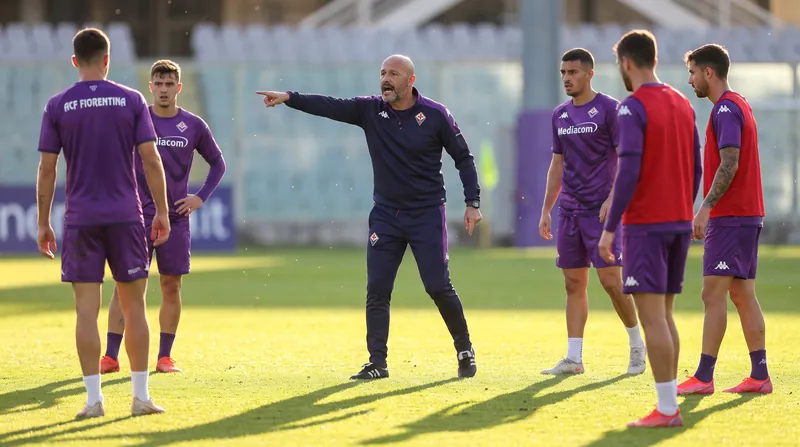
Fiorentina Re-Hire Paolo Vanoli as Head Coach After Sacking Fabio Grosso Three Matches Into Season
6 sources
Revenue Distribution
The €853 Million 'Value Pillar': How UEFA's New Champions League Revenue Engine Actually Works
7 sources
Mount Mizhirgi
Avalanche Kills 11 Climbers and Leaves Six Missing on Russia's Mount Mizhirgi
6 sources

WSL Rules
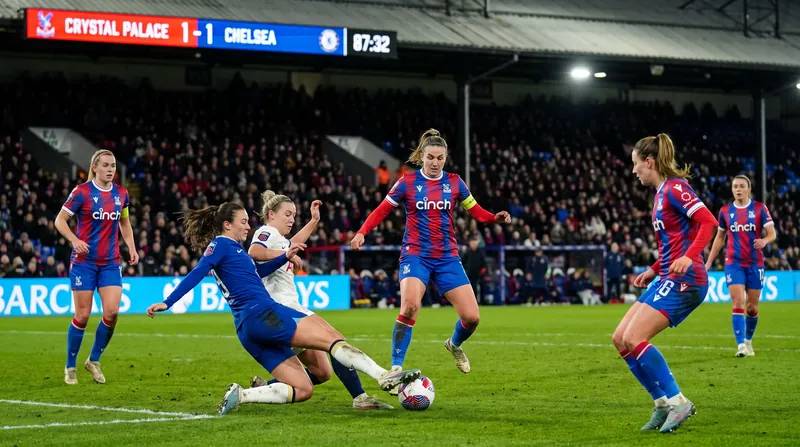
Crystal Palace Faces Points Deduction After Using Four Substitution Windows in WSL Opener Win
6 sources
Every angle. Every day.
Get Sports stories with full source coverage and perspective breakdowns delivered to your inbox.