
Max Milne's World Cup Return Shines a Light on Sport Climbing's Evolving Injury Protocols
Great Britain's Max Milne has successfully returned to elite competition following a severe foot injury, marking a broader shift in how the sport manages athlete health. As the IFSC rolls out its new Injury Registry, climbers and medical professionals are redefining recovery and prevention strategies.
By Factlen Editorial Team
- Elite Competitors
- Focuses on the mental and physical resilience required to return to elite form after a severe injury.
- Sports Medicine Experts
- Emphasizes the biomechanical toll of the sport and the importance of cross-training for injury prevention.
- Competition Organizers
- Prioritizes systemic tracking, safety protocols, and long-term athlete wellbeing through data collection.
What's not represented
- · Recreational climbers who lack access to the elite medical teams and specialized cross-training facilities available to World Cup athletes.
- · Route setters who must balance the demand for spectacular, crowd-pleasing dynamic movements with the safety and biomechanical limits of the competitors.
Why this matters
As sport climbing's popularity explodes globally, the physical toll on athletes has reached a critical tipping point. The successful rehabilitation of top competitors, combined with new medical tracking protocols, provides a vital blueprint for keeping both elite and recreational climbers safe on the wall.
Key points
- Great Britain's Max Milne successfully returned to the World Cup finals in Bern after a severe foot injury sidelined him last season.
- The International Federation of Sport Climbing (IFSC) has launched a comprehensive Injury Registry to track and analyze competition injuries.
- Medical experts from Johns Hopkins report seeing 10 to 20 climbing-related injuries per month, ranging from pulley ruptures to lower-extremity fractures.
- Recent studies indicate that holistic cross-training is significantly more effective at preventing climbing injuries than traditional climbing-specific warmups.
- Milne's comeback highlights the critical importance of psychological resilience and mental recovery following a major athletic injury.
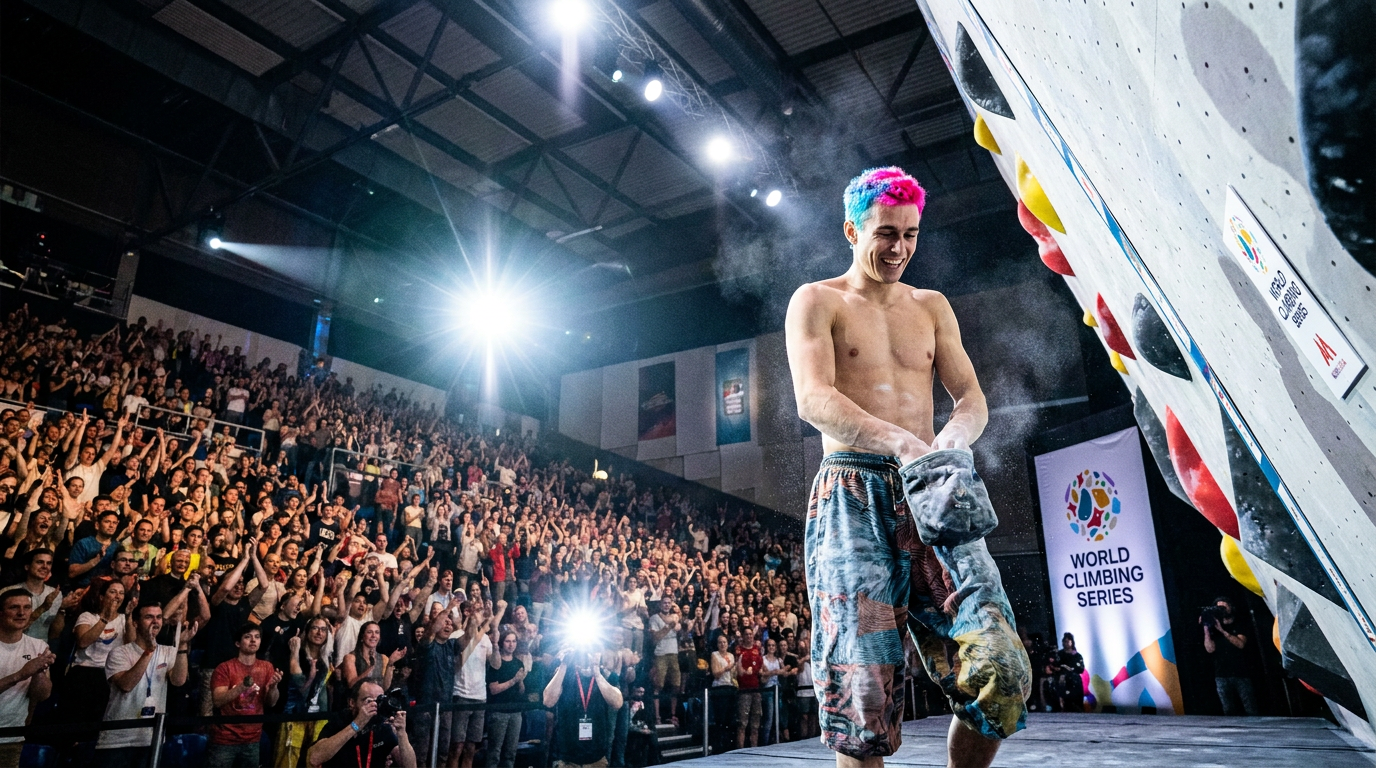
The roar of the crowd in Bern was deafening as Great Britain's Max Milne secured his spot in the World Cup finals. Scoring 54.4 points in a grueling semi-final round, the 23-year-old climber proved that his explosive, crowd-pleasing style had not been dulled by a devastating hiatus. For Milne, the performance was more than just a successful competition; it was the culmination of a grueling physical and mental rehabilitation that tested his resolve. The vibrant atmosphere of the arena stood in stark contrast to the quiet, isolated months he spent recovering, making his return to the elite stage a deeply emotional victory.[1][5]
Just a year prior, Milne's upward trajectory had been abruptly halted by a severe broken foot. The lower-extremity injury forced him to withdraw from the World Championships, sidelining him during one of the most crucial and highly anticipated stretches of his career. 'I was missing world champs because of an injury, so I wanted to do some fun stuff outside,' Milne recalled. To cope with the frustration, he resorted to 'campusing'—climbing using only his arms and hands, with his injured foot suspended in the air—just to burn off his pent-up energy and maintain his connection to the rock while his body slowly healed.[2]
Milne's triumphant return, which included a recent victory at the Pro Climbing League in front of 2,500 roaring spectators, highlights a growing and urgent narrative within the sport. As modern competition climbing pushes the absolute boundaries of human biomechanics, the frequency and severity of injuries have skyrocketed across the circuit. Athletes are no longer just battling the complex geometry of the wall; they are actively battling the structural limits of their own tendons, ligaments, and bones, forcing a reckoning in how the sport approaches athlete longevity.[2][6]

Recognizing this unsustainable physical toll, the International Federation of Sport Climbing (IFSC)—currently transitioning to its new 'World Climbing' identity—has launched a comprehensive, data-driven Injury Registry. This global initiative uses standardized recording sheets during all international competitions to meticulously track and analyze injuries as they occur. By collecting granular data across various events and disciplines, the governing body aims to identify emerging risk factors and adjust route-setting guidelines, equipment standards, and competition schedules to better protect the athletes.[4]
The medical community is simultaneously sounding the alarm and offering evidence-based solutions. Dr. Dawn LaPorte, a professor of orthopaedic surgery at Johns Hopkins Medicine, reports seeing upward of 10 to 20 patients a month specifically for climbing-related injuries. While upper-extremity issues like severe tendonitis and partial or complete pulley ruptures remain the most common ailments, LaPorte notes that lower-extremity injuries—such as the acute foot fracture Milne suffered—are often more traumatic and require significantly longer, more complex surgical and rehabilitative interventions.[3]
The medical community is simultaneously sounding the alarm and offering evidence-based solutions.
A recent landmark study co-authored by LaPorte has fundamentally challenged how climbers approach their injury prevention routines. The research revealed a surprising dynamic: traditional climbing-specific warmups are not the most effective safeguard against the sport's rigorous physical demands. Instead, comprehensive cross-training—building overall strength, cardiovascular fitness, and flexibility outside of the climbing gym—proved to be significantly more protective. By developing a robust, well-rounded muscular foundation, climbers can better absorb the intense shock of dynamic movements and unexpected falls.[3]

This paradigm shift toward holistic athletic conditioning is rapidly changing how elite climbers train on a daily basis. Rather than simply logging endless hours on the wall, top-tier competitors are increasingly incorporating heavy weightlifting, dedicated mobility work, and targeted antagonist muscle training. This comprehensive approach armors their bodies against the explosive 'dynos' and high-impact, awkward falls that define modern bouldering, ensuring that their joints and ligaments can withstand the immense torque generated during a World Cup final run.[5][6]
The psychological burden of a severe injury is often just as heavy as the physical recovery process. For Milne, climbing has served as a vital coping mechanism since he tragically lost his mother to cancer at age 11. Having that essential emotional outlet stripped away by a broken foot deeply tested his mental resilience. Returning to the competition mats required not just complete physical healing, but the psychological confidence to trust his body again when launching into high-risk, dynamic maneuvers.[2][6]
'I'm super happy with my climbing,' Milne said following his successful semi-final performance in Bern. According to World Climbing reports, Milne's greatest triumph this season is his ability to fully commit to dynamic movements without the lingering psychological fear of his injury recurring. His capacity to bounce back mentally, execute complex sequences under pressure, and feed off the crowd's electric energy demonstrates the complete, holistic recovery required to compete at the absolute highest echelon of the sport.[1][6]

As the 2026 season progresses, the seamless integration of advanced medical tracking and evolved training philosophies is actively creating a safer environment for the athletes. The IFSC's proactive stance with the standardized Injury Registry signals a crucial maturation of the sport. By prioritizing data-driven safety measures, organizers are ensuring that the spectacular leaps, dynamic catches, and gravity-defying sequences that thrill audiences do not come at the devastating cost of an athlete's long-term health, mobility, and overall wellbeing.[4]
Max Milne's arduous journey from a broken foot to a triumphant World Cup final serves as a powerful, living testament to this new era of sport climbing. His success on the wall proves that with the right medical support, disciplined cross-training, and unwavering mental fortitude, a severe injury is no longer a definitive career-ending sentence. Instead, it is a formidable hurdle that can be decisively overcome, inspiring a new generation of climbers to prioritize their health as much as their performance.[1][5]
How we got here
2023
Max Milne suffers a wrist injury that limits his competition exposure.
2025
A severe broken foot forces Milne to withdraw from the World Championships.
Fall 2025
Johns Hopkins publishes a landmark study on climbing injury prevention and cross-training.
Early 2026
The IFSC rolls out its standardized Injury Registry across all global events.
May 2026
Milne makes a triumphant return, securing a finals spot at the Bern World Cup.
Viewpoints in depth
The Athletes' Experience
Focuses on the mental and physical toll of being sidelined, and the joy of returning to the wall.
For athletes like Max Milne, the primary focus is balancing the immense physical demands of the sport with the psychological resilience required to return from a severe injury. They view comprehensive rehabilitation and mental conditioning as essential tools to extend their careers and perform dynamically without fear.
The Medical Consensus
Focuses on Dr. LaPorte's findings regarding cross-training and the biomechanical limits of the human body in modern climbing.
Orthopaedic surgeons and physical therapists emphasize the biomechanical limits of the human body. They advocate for a shift away from purely sport-specific training, arguing that holistic cross-training and overall strength conditioning are the most effective ways to armor climbers against acute fractures and chronic tendon issues.
The Governing Body's Strategy
Focuses on the IFSC's Injury Registry and the push to use data to make route-setting and competition formats safer.
Governing bodies like the IFSC are prioritizing systemic, data-driven safety protocols. By implementing standardized injury tracking across all global events, they aim to identify dangerous trends in route-setting and equipment, ensuring the sport remains thrilling for audiences without sacrificing the long-term health of the athletes.
What we don't know
- It remains unclear how the IFSC will alter specific route-setting guidelines based on the early data collected from the new Injury Registry.
- The long-term impact of the sport's increasingly dynamic 'parkour-style' bouldering routes on chronic joint health is still being studied by sports medicine professionals.
Key terms
- Campus
- Climbing a route using only the arms and hands, with the feet completely off the wall.
- Dyno
- A dynamic, explosive movement where a climber leaps to reach a distant hold, often losing all contact with the wall momentarily.
- Pulley Rupture
- A common climbing injury involving the tearing of the fibrous bands that hold the flexor tendons against the finger bones.
- Zone
- An intermediate hold on a bouldering problem that awards partial points if a climber controls it but cannot reach the final top hold.
Frequently asked
What injury did Max Milne suffer?
Milne suffered a severe broken foot that forced him to miss the World Championships and required extensive rehabilitation.
What is the IFSC Injury Registry?
It is a new database created by the International Federation of Sport Climbing to track competition injuries, identify risk factors, and improve safety protocols.
How can climbers best prevent injuries?
Recent medical studies suggest that general cross-training and overall strength conditioning are more effective at preventing injuries than climbing-specific warmups alone.
Sources
Source coverage
6 outlets
3 viewpoints surfaced






[1]World ClimbingCompetition Organizers
Max Milne Secures Finals Spot in Bern Return
Read on World Climbing →[2]Climbing MagazineElite Competitors
20 Questions With Scottish Climber Max Milne on Injury and Comebacks
Read on Climbing Magazine →[3]Johns Hopkins MedicineSports Medicine Experts
Orthopaedic Surgeon Discusses Common Injuries in Rock Climbing
Read on Johns Hopkins Medicine →[4]International Federation of Sport ClimbingCompetition Organizers
IFSC Medical Commission: Injury Prevention and Registry
Read on International Federation of Sport Climbing →[5]The BMCElite Competitors
GB Climbing: Milne Returns to Fulfill Olympic Dreams
Read on The BMC →[6]FixedyElite Competitors
Max Milne: Managing Competition Pressure and Injuries
Read on Fixedy →
More in sports
See all 10 stories →Standings
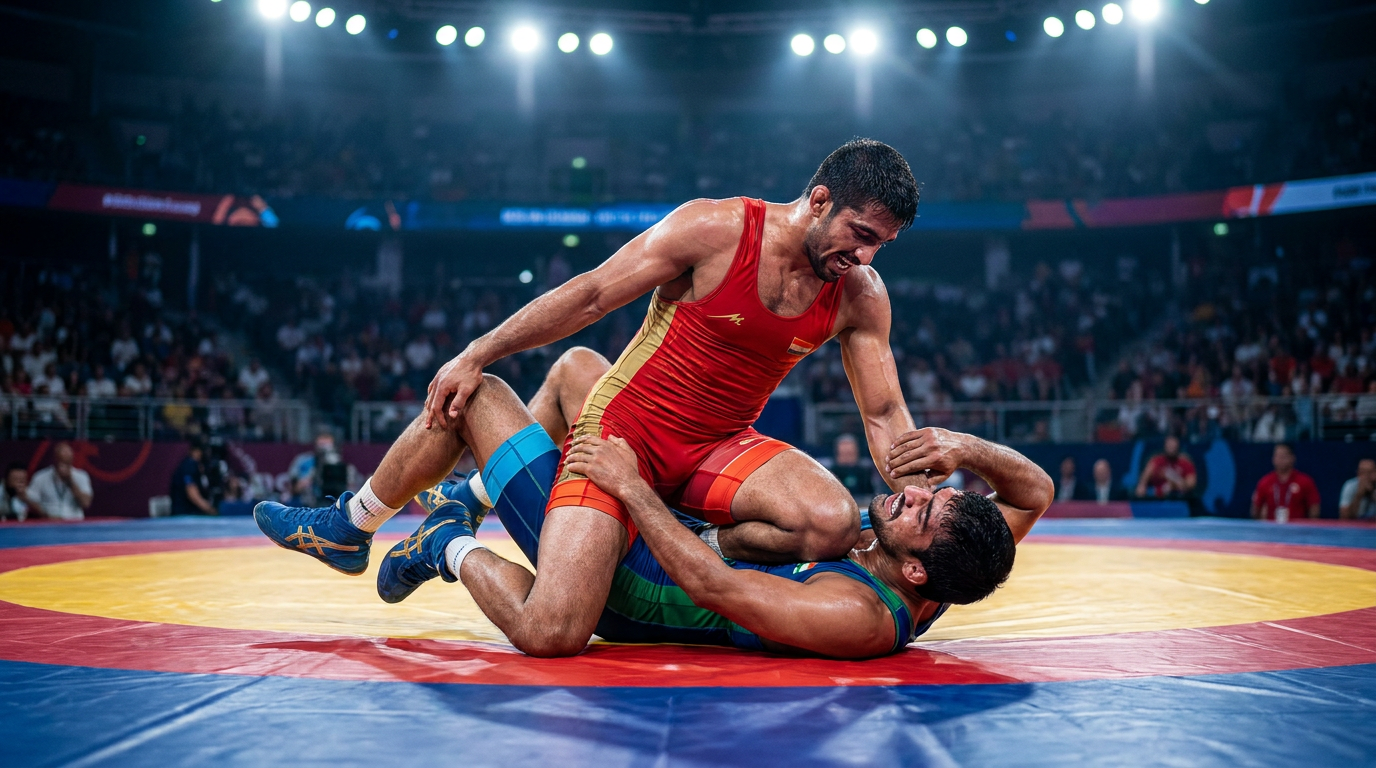
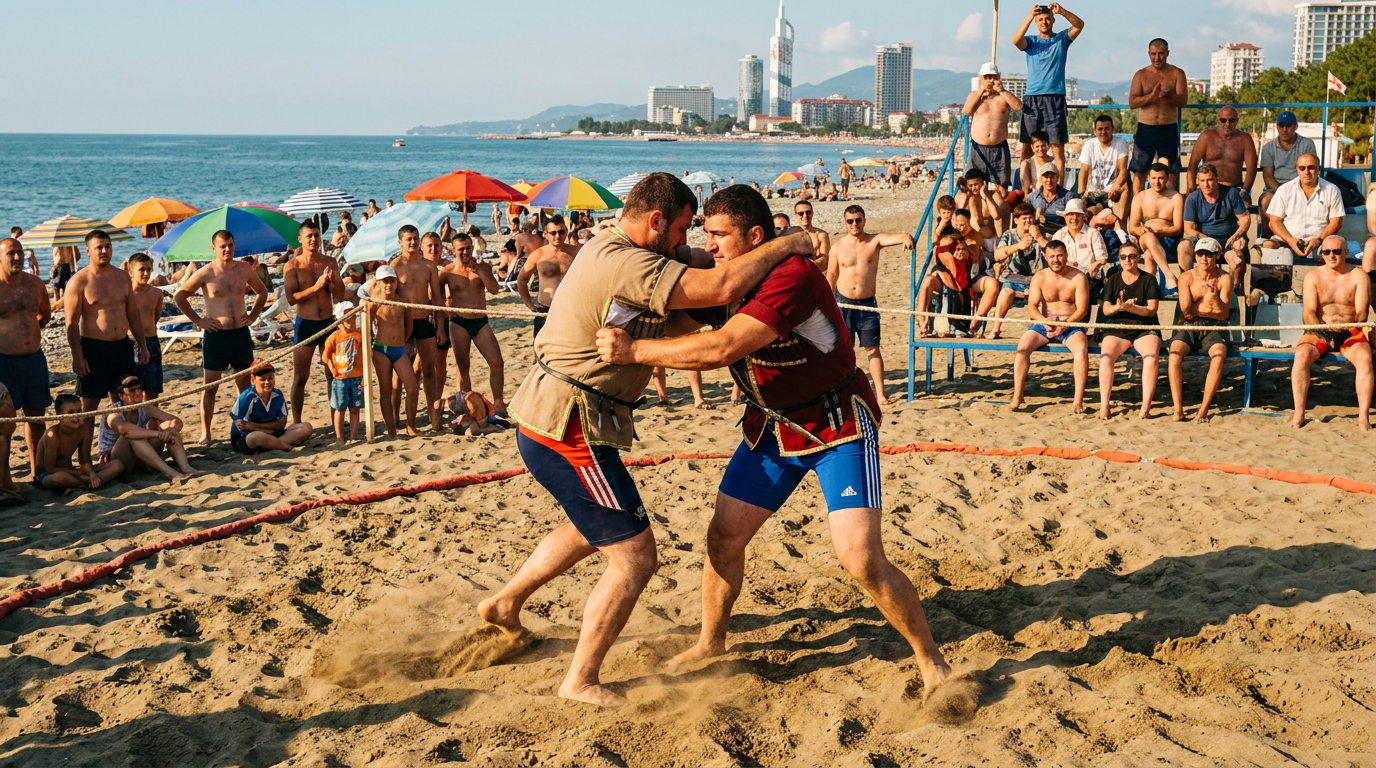
Global Beach Wrestling Standings Tighten After Thrilling Batumi World Series Stop
7 sources
Sports Tech
The Evidence Pack: How Wavelight Technology is Engineering the Perfect Track Race
6 sources

Injury
Iranian Super-Heavyweight Alireza Yousefi Returns From Devastating Knee Injury to Break Clean and Jerk World Record
7 sources
Standings
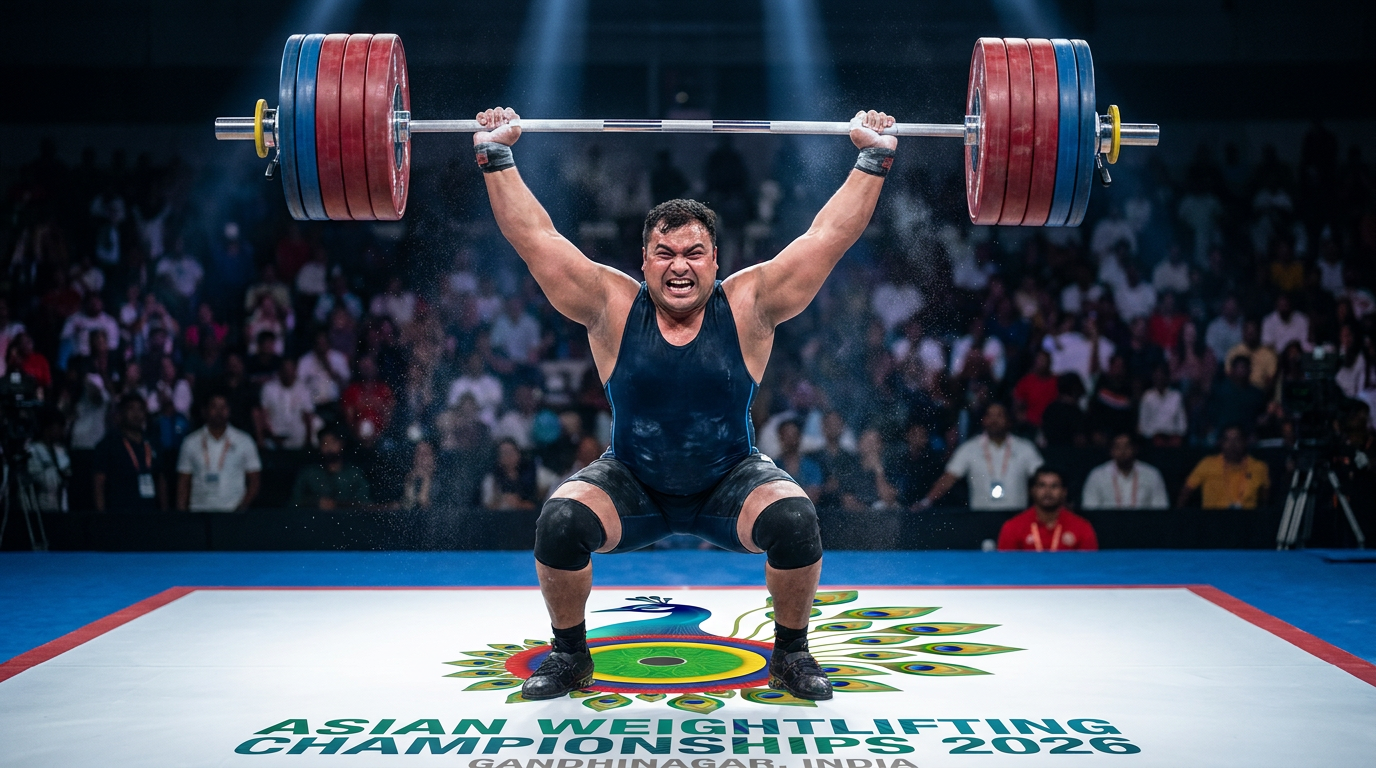
Commonwealth Games Qualification Race Concludes: Final Standings Set the Stage for Glasgow 2026
7 sources
Every angle. Every day.
Get sports stories with full source coverage and perspective breakdowns delivered to your inbox.