
Classical Music Attendance Hits 50-Year High as Gen Z Embraces 'Neo-Classical' and Immersive Concerts
A new 2026 global report reveals that Gen Z and Millennials are driving a historic resurgence in classical music. Fueled by social media discovery, immersive concert formats, and a desire for digital detox, younger listeners are reshaping the centuries-old genre.

The stereotype of the classical music concert—formal attire, hushed halls, and an aging demographic—is officially outdated in 2026. Across the globe, centuries-old symphonies and chamber pieces are finding an unexpected new champion: Generation Z. Despite coming of age in an era defined by algorithmic feeds and hyper-kinetic digital culture, millions of young listeners are turning toward orchestral music with unprecedented enthusiasm, fundamentally reshaping how the genre is consumed, marketed, and performed.[1][2]
The scale of this demographic inversion was quantified this week with the release of the "Classic Pulse Report 2026," a comprehensive global study published by the live-entertainment platform Fever. Polling 8,000 adults across ten countries, the research revealed that Gen Z and Millennials now lead classical concert attendance in several major markets, including the UK, Mexico, and Brazil. According to the data, 15% of Gen Z and Millennial respondents identify as dedicated followers of classical music—nearly double the rate of Generation X and triple that of Baby Boomers.
"We're definitely seeing a trend upwards in the younger age group," noted Nora Brady, chief marketing officer for the Los Angeles Philharmonic, which reported that 63% of its recent seasonal audience was composed of Gen Z, Millennials, and Gen X combined. A parallel tracking survey by the Royal Philharmonic Orchestra corroborated this shift, finding that 65% of people under the age of 35 now regularly listen to orchestral music, making them more likely to engage with the genre than their parents.[1]
Industry analysts attribute this resurgence to a confluence of digital discovery and a generational craving for analog authenticity. Social media platforms, particularly TikTok, have acted as massive, frictionless entry points. Viral micro-trends and aesthetic subcultures like "Dark Academia" and "Cottagecore"—which romanticize literature, studying, and pastoral life—heavily feature classical soundtracks. Pieces like Vivaldi's "Winter" or Beethoven's Symphony No. 7 frequently trend as audio backdrops, introducing complex compositions in bite-sized, emotionally resonant formats that Gen Z understands instantly.[2]
Beyond aesthetics, classical music is increasingly serving a functional role in the mental health toolkit of younger listeners. In a world characterized by digital noise and constant connectivity, the structured, expressive, and lyric-free qualities of symphonic music offer a rare sanctuary. Young audiences frequently report using classical playlists for mindfulness, stress reduction, and "cognitive shuffling" to combat anxiety. The music provides breathing room, demanding a different kind of attention that serves as an antidote to the endless scroll.
To capture this burgeoning interest, live promoters are radically reimagining the concert experience. The traditional, brightly lit concert hall is increasingly being supplemented by immersive, unconventional formats. Fever's "Candlelight" concert series has exploded in popularity by hosting string quartets in churches, museums, botanical gardens, and historic landmarks, illuminated entirely by thousands of LED candles. This visually striking, highly Instagrammable presentation removes the perceived elitism of classical venues, offering a relaxed environment that prioritizes ambiance and social connection.
Programming has also evolved to bridge the gap between contemporary pop and classical tradition. Many of these immersive concerts feature genre-blending repertoires, dedicating evenings to orchestral arrangements of Taylor Swift, 90s hip-hop, or film scores by Hans Zimmer, alongside traditional Mozart and Bach. This crossover strategy acts as a gateway; once young audiences experience the visceral power of live strings through familiar melodies, they are significantly more likely to return for traditional classical repertoire.[2]
Legacy institutions are not sitting on the sidelines. Recognizing that institutional survival depends on courting this new demographic, major orchestras have launched aggressive youth initiatives. The St. Louis Symphony Orchestra, where more than half the audience now skews Gen X or younger, has revamped its marketing to meet Gen Z where they are. In the UK, world-renowned venues like the Royal Ballet and Opera have introduced heavily subsidized ticket schemes, offering seats for as little as £5 to attendees under 30.[1][2]
The push for relevance has also taken orchestras out of their traditional geographic footprints. In a watershed moment for the genre, the Los Angeles Philharmonic recently performed at the Coachella Valley Music and Arts Festival, bringing full symphonic orchestration to a desert field typically dominated by pop and electronic dance music. The crossover proved that classical music's relevance is earned across cultural contexts, not just within acoustically perfect concert halls.[1]
Video games and film scores continue to serve as vital, stealth educators for the genre. With modern gaming relying on sweeping, dynamic orchestral scores recorded by world-class symphonies, millions of teenagers are inadvertently logging hundreds of hours of classical music listening. When these gamers eventually seek out live performances of their favorite soundtracks, they cross the threshold into the classical ecosystem.[1]
Ultimately, the 2026 classical revival represents a democratization of Western music's oldest continuous tradition. By stripping away the stuffy conventions, lowering financial barriers, and embracing the visual language of the modern internet, the classical music industry has successfully introduced centuries of artistic genius to a generation hungry for depth. Far from fading into obscurity, classical music is being actively redefined by the very youth culture once thought to be its antithesis.
Key points
- Gen Z and Millennials now lead classical concert attendance in several major global markets.
- Social media platforms and aesthetic micro-trends have served as massive entry points for younger listeners.
- Immersive, candlelit concerts in unconventional venues are successfully removing the intimidation factor of traditional symphony halls.
- Legacy orchestras are adapting by offering subsidized tickets and performing at contemporary music festivals.
What we don’t know
- Whether this youth engagement will eventually translate into the high-dollar philanthropic donations that legacy orchestras rely on to survive.
- How traditionalist classical music critics and older patrons will respond long-term to the casualization of the concert hall experience.
How we got here
2020
Pandemic lockdowns spark a surge in classical music streaming as listeners seek calming, lyric-free audio.
2022
TikTok aesthetics like 'Dark Academia' push classical compositions into viral mainstream trends.
2024
Immersive 'Candlelight' concerts expand globally, blending pop covers with traditional string arrangements.
2026
The Classic Pulse Report confirms Gen Z has officially overtaken Boomers in dedicated classical music engagement.
- Young Listeners
- Value classical music for its mental health benefits, aesthetic appeal, and ability to provide a digital detox.
- Legacy Orchestras
- View the demographic shift as an existential lifeline, adapting traditional programming and pricing to ensure institutional survival.
- Immersive Promoters
- Focus on democratizing the genre by removing formal barriers, utilizing unconventional venues, and blending pop with classical.
Perspectives this story doesn't cover
- Contemporary Pop Artists
- Music Educators
Sources
Source coverage
3 outlets
3 viewpoints surfaced



- [1]ForbesLegacy Orchestras
Amazon Music Presents: ‘In The Paint’ With LE SSERAFIM After WNBA Game
Read on Forbes → - [2]Trill MagYoung Listeners
How Gen-Z is Reclaiming Classical Music
Read on Trill Mag → - [3]Classic FMLegacy Orchestras
Surge in millennial and Gen Z streaming classical music
Read on Classic FM →

More in Entertainment
See all →AI Music Rights
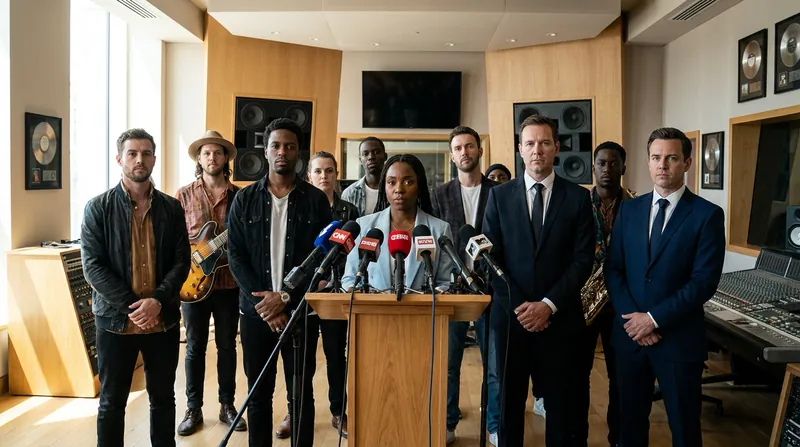
Global Coalition of Artists and Managers Demands Consent and Transparency in Label AI Licensing Deals
2 sources
Music Finance
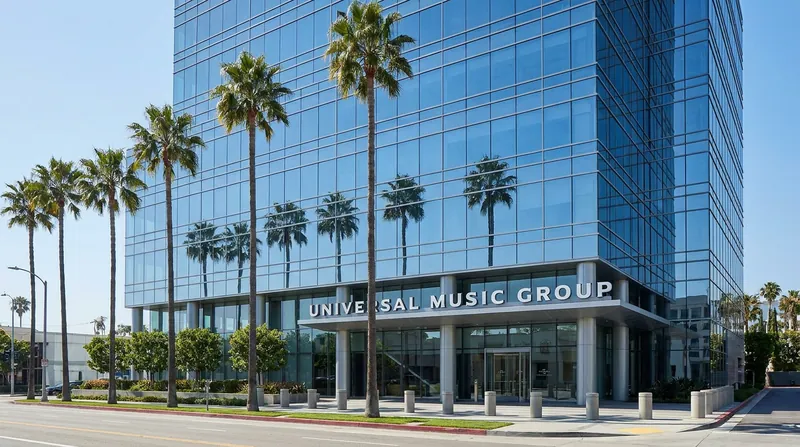
Hedge Fund Billionaire Bill Ackman Launches $63 Billion Takeover Bid for Universal Music Group
4 sources
Streaming Economics
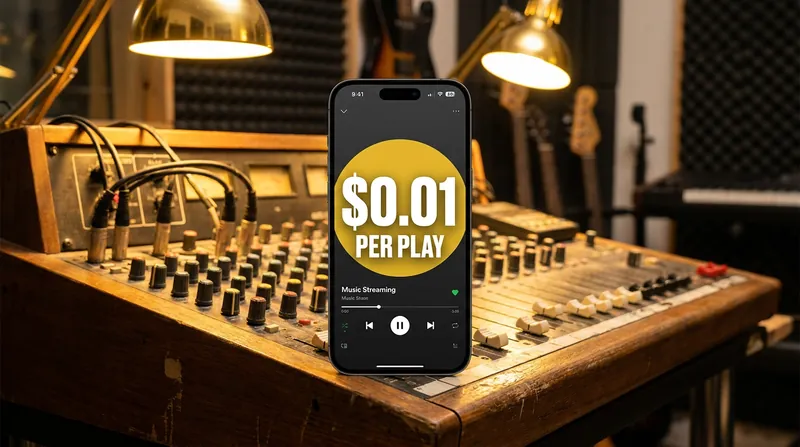
New Streaming Service 'Tapedeck' Launches Penny-Per-Play Model to Challenge Industry Payouts
3 sources
Festival Safety
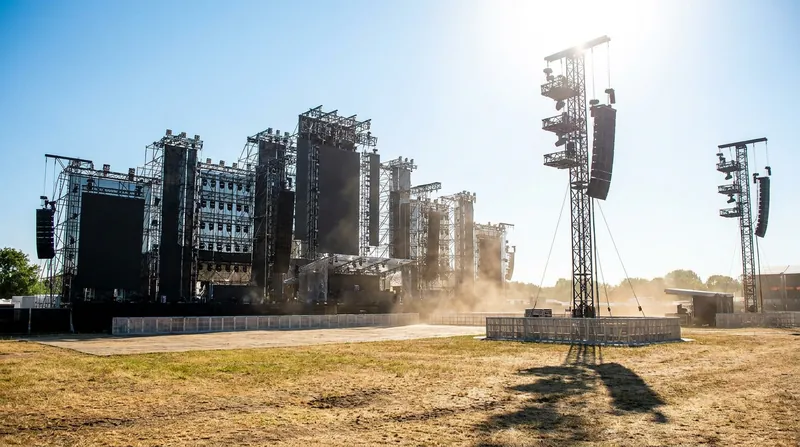
Extreme Heat Forces Cancellation of Defqon.1 as Netherlands Issues Historic 'Code Red' Warning
5 sources
Comments
Every angle. Every day.
Get Entertainment stories with full source coverage and perspective breakdowns, free every day.