
Landmark Study Reveals Mediterranean Diet Activates Anti-Aging Mitochondrial Microproteins, Explaining Heart and Brain Benefits
A new study demonstrates that the Mediterranean diet boosts levels of Humanin and SHMOOSE, tiny mitochondrial proteins that protect against cardiovascular disease and neurodegeneration.
By Aylin Aksoy

Share this story
In short
- The Mediterranean diet significantly boosts levels of Humanin and SHMOOSE, two protective mitochondrial microproteins.
- Olive oil, fish, and legumes are strongly associated with higher Humanin levels.
- Humanin protects the cardiovascular system by suppressing Nox2, an enzyme that causes oxidative stress.
For decades, the Mediterranean diet has stood as the gold standard of nutritional science, consistently linked to longer lifespans, sharper cognition, and robust cardiovascular health. Yet, a fundamental question has lingered: how exactly does a diet rich in olive oil, fish, and legumes translate into these profound anti-aging benefits at the cellular level? While antioxidants and healthy fats provide part of the answer, researchers have long suspected that a deeper, more systemic biological mechanism was at play.[1]
A landmark study published in Frontiers in Nutrition has uncovered a hidden molecular pathway that bridges the gap between the food we eat and the way our cells age. Led by researchers at the USC Leonard Davis School of Gerontology, the study reveals that adherence to a Mediterranean-style diet significantly boosts the circulating levels of specific mitochondrial microproteins. These microscopic molecules, once entirely overlooked by geneticists, appear to act as cellular messengers that instruct the body to resist damage and decay.[2][3]
To understand this breakthrough, it is necessary to look inside the mitochondria. Traditionally taught in high school biology as the simple "powerhouses" of the cell responsible for generating energy, mitochondria are now recognized as complex command centers. They constantly monitor cellular stress, metabolic balance, and environmental inputs, releasing chemical signals that dictate how a cell responds to adversity.[4][5]
Among these signals are mitochondrial-derived peptides (MDPs), or microproteins. Unlike most proteins in the human body, which are encoded by the DNA in the cell's nucleus, MDPs are encoded by short, hidden sequences within the mitochondria's own distinct circular genome. Because they are so small—often fewer than 30 amino acids long—they were largely missed during the original mapping of the human genome.[4][5]
The USC study focused on two of the most critical mitochondrial microproteins discovered to date: Humanin and SHMOOSE. Humanin, the first of these peptides to be identified, has been extensively studied for its cytoprotective properties. It is known to improve insulin sensitivity, protect heart tissue from ischemic damage, and defend neurons against the toxic amyloid plaques associated with Alzheimer's disease.[4][6]
SHMOOSE, a more recently discovered microprotein, plays a similarly vital role in metabolic and neurological resilience. Previous research has linked higher levels of SHMOOSE to improved brain health and a reduced risk of neurodegenerative conditions. Together, these two microproteins represent a potent endogenous defense system against the biological wear and tear of aging.[2][5]
The researchers set out to determine if dietary patterns could actively influence the production of these protective peptides. They analyzed blood samples from a cohort of older adults, with an average age of 78.4 years, who were being monitored for atrial fibrillation. The team meticulously assessed each participant's dietary habits, scoring their adherence to the principles of the Mediterranean diet.[2][3]
The results were striking. Participants who most closely followed the Mediterranean diet exhibited significantly higher plasma levels of both Humanin and SHMOOSE compared to those with low adherence. This correlation suggests that the diet does not merely provide passive building blocks for the body, but actively upregulates the expression of longevity-promoting genes within the mitochondria.[2][3]
The study went further, isolating which specific components of the diet were driving these increases. Higher circulating levels of Humanin were strongly associated with the consumption of olive oil, fish, and legumes. These foods, rich in omega-3 fatty acids and polyphenols, appear to provide the specific biochemical signals required to trigger Humanin production.[2][3]
Meanwhile, elevated levels of SHMOOSE were linked to high olive oil consumption combined with a low intake of refined carbohydrates, such as white bread. This finding aligns with broader metabolic science, which consistently shows that minimizing refined sugars reduces mitochondrial stress and preserves cellular function.[1][2]
Beyond simply measuring peptide levels, the researchers uncovered a crucial mechanism explaining how Humanin protects the cardiovascular system. They found a strong inverse relationship between Humanin levels and the activity of Nox2, an enzyme responsible for generating harmful reactive oxygen species. When Nox2 is overactive, it causes severe oxidative stress, damaging blood vessels and accelerating heart disease.[2][7]
By suppressing Nox2 activity, Humanin effectively neutralizes one of the primary drivers of vascular aging. This suggests that the Mediterranean diet exerts a dual-action cardioprotective effect: the foods themselves provide direct dietary antioxidants, while simultaneously boosting the mitochondria's internal microproteins to shut down the body's own production of damaging free radicals.[1][2][3]
"These microproteins may act as molecular messengers that translate what we eat into how our cells function and age," noted Roberto Vicinanza, the study's lead author. This conceptual shift—viewing food as biological software that programs mitochondrial output—opens a new frontier in the science of healthy aging.[1][3]
The findings also pave the way for the emerging field of "precision nutrition." In the future, clinicians may not rely solely on cholesterol or blood sugar tests to assess metabolic health. Instead, measuring a patient's baseline levels of Humanin and SHMOOSE could provide a direct window into their mitochondrial resilience, allowing dietitians to prescribe specific dietary interventions to boost these peptides before chronic disease sets in.[1][3]
While the study is observational and cannot definitively prove that the diet causes the increase in microproteins without randomized controlled trials, the mechanistic plausibility is robust. The research provides a compelling, molecular-level explanation for an epidemiological truth that has been observed for decades.[1][2]
Ultimately, the discovery that a diet rich in olive oil, fish, and legumes can activate the body's hidden anti-aging microproteins reinforces the profound power of lifestyle interventions. It demonstrates that our cellular destiny is not entirely fixed by our nuclear DNA, but is continuously shaped by the daily choices we make at the dinner table.[1][3]
Key terms
- Mitochondrial-derived peptides (MDPs)
- Small proteins encoded by the DNA within mitochondria that act as signaling molecules to regulate cellular health and metabolism.
- Humanin
- A mitochondrial microprotein known for its cytoprotective properties, particularly in defending heart tissue and neurons from damage.
- SHMOOSE
- A recently discovered mitochondrial microprotein associated with metabolic resilience and a reduced risk of neurodegenerative diseases.
- Nox2
- An enzyme that produces reactive oxygen species; when overactive, it causes oxidative stress and vascular damage.
- Oxidative stress
- An imbalance between free radicals and antioxidants in the body, leading to cellular damage and accelerated aging.
- Precision nutrition
- An emerging medical approach that tailors dietary recommendations to an individual's specific genetic, metabolic, and biomarker profile.
Frequently asked
What are mitochondrial microproteins?
They are tiny proteins encoded by the DNA inside our mitochondria, acting as cellular messengers that regulate metabolism, stress responses, and aging.
How does the Mediterranean diet affect these proteins?
High adherence to the diet, particularly consuming olive oil, fish, and legumes, is linked to significantly higher circulating levels of protective microproteins like Humanin and SHMOOSE.
What is the role of the Nox2 enzyme?
Nox2 generates harmful reactive oxygen species that cause vascular damage. The study found that higher Humanin levels suppress Nox2 activity, protecting the cardiovascular system.
Can I take Humanin or SHMOOSE as a supplement?
Currently, these microproteins are not available as proven dietary supplements. The most effective known way to boost their levels is through lifestyle interventions like the Mediterranean diet and exercise.
Viewpoints in depth
Molecular Biologists' View
Viewing diet as biological software that programs cellular function.
For molecular biologists, the discovery of mitochondrial-derived peptides fundamentally changes how nutrition is understood. Rather than viewing food merely as fuel or a source of passive antioxidants, this perspective sees dietary components like polyphenols and omega-3s as active signaling molecules. These inputs 'instruct' the mitochondrial genome to transcribe microproteins like Humanin and SHMOOSE, effectively reprogramming the cell to resist oxidative stress and delay senescence.
Clinical Dietitians' View
Prioritizing whole-food synergy over reductionist supplementation.
Clinical dietitians emphasize that the benefits observed in the USC study stem from the synergistic effect of a complete dietary pattern, not isolated ingredients. While the temptation might be to extract or synthesize Humanin into a pill, dietitians argue that the complex matrix of fiber, fats, and micronutrients found in whole legumes, fish, and olive oil is required to trigger these endogenous pathways safely and sustainably.
Precision Medicine Advocates' View
Using microproteins as biomarkers for personalized health interventions.
Advocates for precision medicine see Humanin and SHMOOSE as the future of clinical diagnostics. Instead of relying on generic dietary guidelines, they envision a framework where a patient's baseline microprotein levels are routinely tested. If levels are low, clinicians could prescribe highly specific, personalized nutritional interventions to boost mitochondrial resilience long before chronic diseases like Alzheimer's or heart failure manifest.
- Molecular Biologists
- Focus on the genetic and cellular signaling pathways that translate dietary inputs into biological resilience.
- Clinical Dietitians
- Emphasize the importance of whole-food dietary patterns over isolated nutrients or synthetic peptide supplements.
- Precision Medicine Advocates
- View mitochondrial microproteins as future clinical biomarkers to tailor personalized nutritional interventions.
Perspectives this story doesn't cover
- Agricultural economists analyzing the accessibility and cost of high-quality Mediterranean diet components.
- Pharmaceutical developers exploring synthetic analogs of Humanin and SHMOOSE for targeted therapies.
Sources
Source coverage
7 outlets
3 viewpoints surfaced







- [1]Factlen Editorial TeamClinical Dietitians
Synthesis by Factlen editorial team
Read on Factlen Editorial Team → - [2]Frontiers in NutritionPrecision Medicine Advocates
Mediterranean diet adherence is associated with mitochondrial microproteins Humanin and SHMOOSE; potential role of the Humanin–Nox2 interaction in cardioprotection
Read on Frontiers in Nutrition → - [3]USC Leonard Davis School of GerontologyPrecision Medicine Advocates
Diet May Activate Anti-Aging Proteins
- [4]GeroScienceMolecular Biologists
Mitochondrial-derived peptides in aging and age-related diseases
Read on GeroScience → - [5]Trends in GeneticsMolecular Biologists
Mitochondrial-derived microproteins: From discovery to function
Read on Trends in Genetics → - [6]American Journal of Physiology
Mitochondrial-derived peptides in energy metabolism
Read on American Journal of Physiology → - [7]National Institutes of Health
The Role of Nox2 in Oxidative Stress and Cardiovascular Disease

More in Health
See all →Calcium Bioavailability
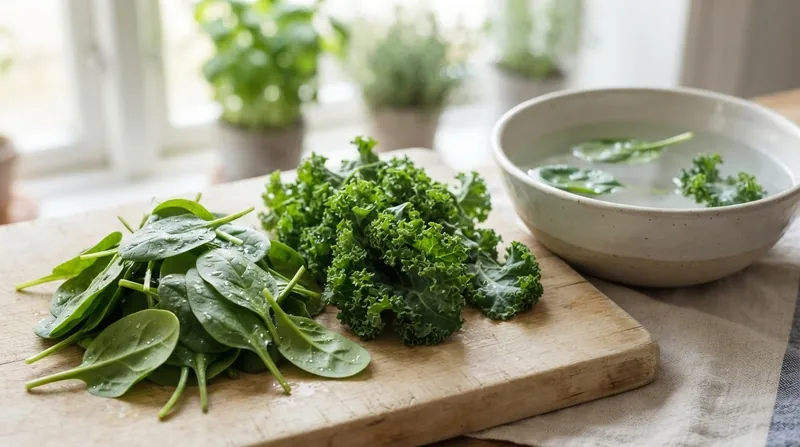
Why Oxalate Binding Caps Spinach Calcium Bioavailability at Five Percent
4 sources
Pandemic Preparedness
UN Adopts Global Pandemic Prevention Declaration as US, Israel, and Argentina Vote Against
4 sources

Dietary Science
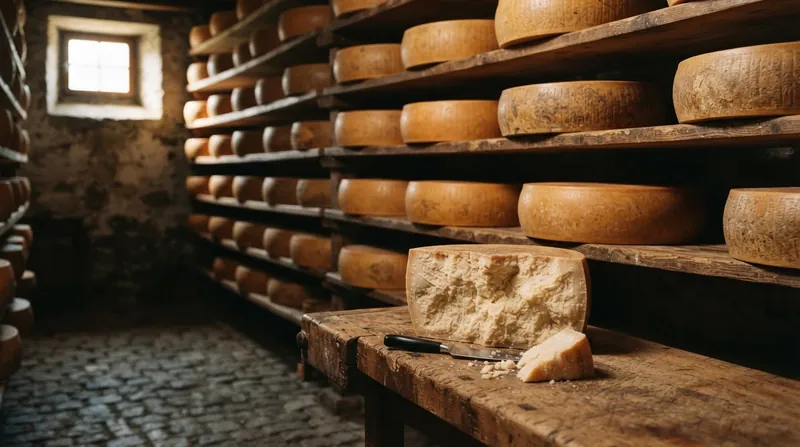
How Whey Separation and Bacterial Ripening Eliminate Lactose in Aged Hard Cheeses
5 sources
Vitamin B12
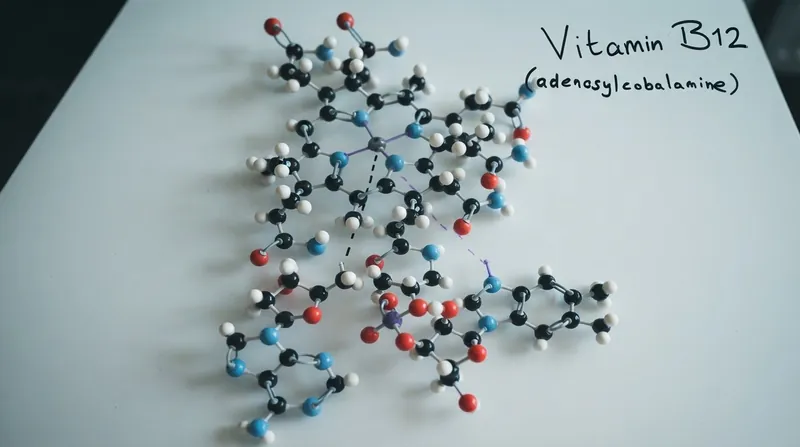
Intrinsic Factor Caps Active Vitamin B12 Absorption at Two Micrograms, Forcing Oral Megadoses to Rely on One-Percent Passive Diffusion
6 sources
Comments
Every angle. Every day.
Get Health stories with full source coverage and perspective breakdowns, free every day.