
Japan's Shimada and Nakata Top ISU Junior World Standings as 2026 Grand Prix Season Approaches
The International Skating Union has released the 2026/2027 Junior World Standings, with Japanese phenoms Mao Shimada and Rio Nakata leading the singles fields ahead of the upcoming Junior Grand Prix circuit.
By Xia Wu
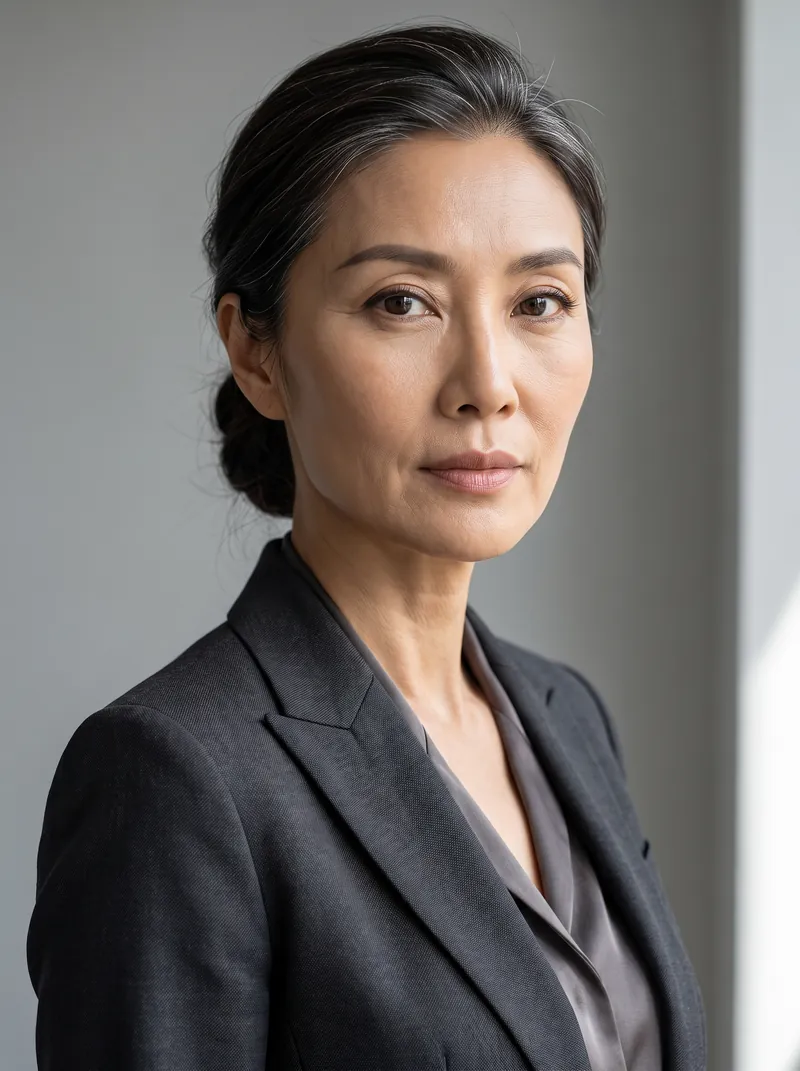
The International Skating Union has officially released the 2026/2027 Junior World Standings, offering a definitive picture of figure skating's rising stars as the new season approaches. The rankings confirm a clear geographic divide in the sport's disciplines: Japan continues to exert total dominance over the singles fields, while North American teams maintain an iron grip on the partnered disciplines.
With the sport's top young athletes preparing for the grueling international circuit, the standings serve as both a reflection of past triumphs and a roadmap for the upcoming race to the Junior Grand Prix Final.
The current standings reflect a cumulative merit-based system that heavily weights results from the recent 2026 World Junior Championships in Tallinn, Estonia. These rankings are not merely ceremonial; they are crucial for determining event assignments and seeding for the upcoming ISU Junior Grand Prix series, which kicks off in August in Xi'an, China. For national federations, a high placement in the standings guarantees their skaters premium opportunities to compete on the global stage and secure vital international judging feedback.[2]
In the junior women's division, Japan's Mao Shimada sits comfortably at the summit with a commanding 1,870 points. Shimada has proven herself to be a generational talent, capturing her record-extending fourth consecutive junior women's world title in March with a massive score of 208.91. Her ability to consistently execute highly difficult technical elements, including the quadruple toe loop and the triple Axel, has effectively forced the rest of the junior women's field to elevate their technical content just to remain competitive.
While Shimada remains the undisputed leader, the chase pack is deepening with talent from across the globe. Australia's Hana Bath, who took a historic silver medal in Tallinn, and Japan's Mayuko Oka are surging up the rankings and proving that the podium is far from locked. The depth of the junior women's field promises a fierce battle for the coveted six spots at the Junior Grand Prix Final in Chongqing this December, as emerging skaters attempt to close the technical gap with Shimada.[1]
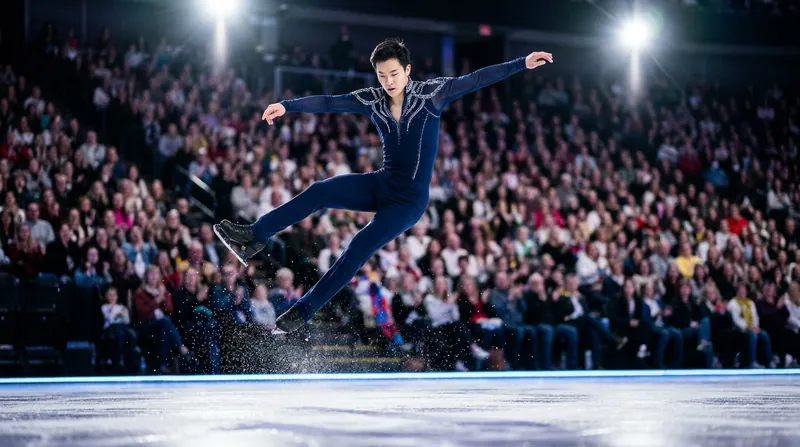
The junior men's standings mirror the women's, with Japan's Rio Nakata leading the pack with 1,789 points. Nakata successfully defended his World Junior title in Estonia with a personal-best overall score of 268.47, showcasing a breathtaking free skate that included a flawless quadruple salchow and a quad toe-triple toe combination. His performances have signaled a clear readiness for the sport's highest senior levels, though he remains the man to beat on the junior circuit for now.
Nakata's dominance is closely contested by South Korea's Minkyu Seo, who sits in second place with 1,761 points after claiming his second consecutive runner-up finish at the World Junior Championships. The top five is rounded out by skaters representing a growing global footprint, including New Zealand's Yanhao Li and Germany's Genrikh Gartung. This geographic diversity in the men's top tier highlights the success of the ISU's development initiatives in non-traditional skating nations.
In the pairs discipline, Canada's Jazmine Desrochers and Kieran Thrasher top the standings with 1,571 points. The Canadian duo has been a model of consistency over the past year, helping to anchor a broader North American resurgence in the discipline. Their rise to the number one spot was cemented by their strong performances in Tallinn, where they won the short program segment and ultimately took the overall silver medal.
Desrochers and Thrasher's success is part of a larger Canadian pairs wave, as they are closely flanked by compatriots Ava Kemp and Yohnatan Elizarov, who captured the World Junior title in March. The technical prowess of these North American teams—highlighted by massive triple twists and clean double Axels—has set a new standard for junior pairs, proving that the region's dedicated pairs training centers are yielding significant dividends.[1]
The United States leads the ice dance rankings, with Hana Maria Aboian and Daniil Veselukhin taking the number one spot with a commanding 1,919 points. Their rise reflects the continued, unparalleled strength of the US ice dance development pipeline, which has consistently produced world-class teams for over a decade. Aboian and Veselukhin capped an undefeated season by winning the 2026 World Junior title, earning the 13th junior ice dance crown for the United States since the event's inception.
The American duo's dominance is built on exceptional technical execution, frequently earning Level 4 grades on their intricate curve-rotational lifts and synchronized twizzles. Their dynamic 'Vogue' rhythm dance and powerful free dance have made them the undisputed team to beat heading into the 2026-27 season. Analysts note that their seamless transition from the Junior Grand Prix to the World Championships demonstrates a maturity that rivals many senior teams.[2]
With the standings officially set, the focus now shifts to the grueling seven-event Junior Grand Prix circuit. Starting in Xi'an and traveling through cities like Riga, Bangkok, and Gdansk, the series will test whether these top-ranked skaters can maintain their momentum against a fresh crop of newly age-eligible challengers. The circuit is a vital proving ground, offering skaters the chance to test new programs and build the stamina required for elite international competition.[2]
For fans and federations alike, the Junior World Standings offer a thrilling, high-stakes preview of the athletes who will likely define the 2030 Winter Olympics in the French Alps. As these young skaters continue to push the technical and artistic boundaries of the sport, the future of figure skating looks brighter—and significantly more competitive—than ever before.[1][2]
The essentials
- Japan's Mao Shimada and Rio Nakata hold the number one spots in the junior singles disciplines.
- North American teams lead the partnered events, with Canada topping pairs and the US leading ice dance.
- The standings determine seeding for the upcoming seven-event Junior Grand Prix series.
- The 2026-27 junior circuit officially kicks off in August with the inaugural event in Xi'an, China.
Timeline
March 2026
Mao Shimada and Rio Nakata defend their singles titles at the World Junior Championships in Tallinn.
March 2026
Hana Maria Aboian and Daniil Veselukhin cap an undefeated season with the World Junior ice dance title.
April 2026
The ISU finalizes the 2026/2027 Junior World Standings, reflecting the culmination of the previous season's results.
June 2026
The ISU announces the seven-event Junior Grand Prix schedule, beginning in Xi'an, China.
August 2026
The 2026-27 Junior Grand Prix series officially kicks off, beginning the race to the Final in Chongqing.
- Japanese Singles Programs
- Focusing on the unparalleled depth and technical prowess of Japanese singles skaters.
- North American Partnered Disciplines
- Highlighting the continued dominance of the US and Canada in pairs and ice dance.
- Global Development Analysts
- Emphasizing the broader international field and rising stars from emerging federations.
Perspectives this story doesn't cover
- Newly age-eligible junior skaters entering the circuit unranked
- Smaller federations struggling to secure Junior Grand Prix assignments
Sources
Source coverage
2 outlets
3 viewpoints surfaced


- [1]Olympics.comJapanese Singles Programs
ISU World Junior Figure Skating Championships 2026: Full schedule, all results, scores and medals
Read on Olympics.com → - [2]Golden SkateGlobal Development Analysts
2026 Junior Grand Prix Xi'an
Read on Golden Skate →
More in Sports
See all →Standings
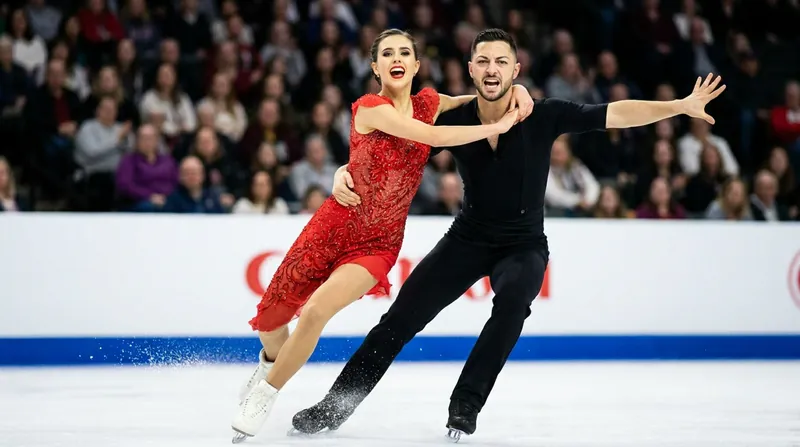
Lilah Fear and Lewis Gibson Overtake Chock and Bates for Number One in ISU Ice Dance World Standings
3 sources
Injury
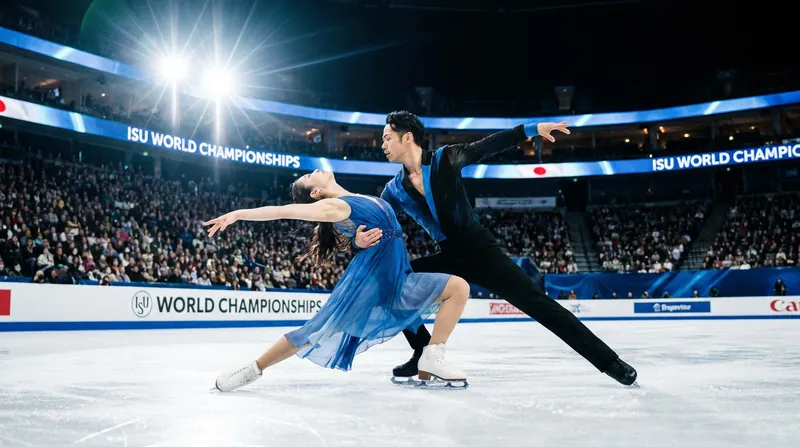
Rika Kihira's Ice Dance Comeback Gains Momentum Ahead of Summer Competitions
4 sources
Standings
The Grand Prix Bubble: Karhunen, Matsuike, and Sumiyoshi Battle for the Top 24 in the ISU Women's World Standings
4 sources
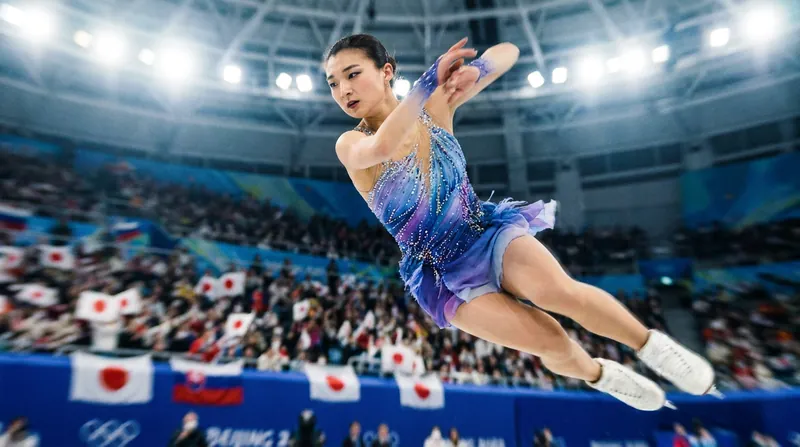
Figure Skating
Olympic Champion Alysa Liu Wins Best Breakthrough Athlete at 2026 ESPY Awards
6 sources

Comments
Every angle. Every day.
Get Sports stories with full source coverage and perspective breakdowns, free every day.