
Immunotherapy Combination Achieves 96% Disease-Free Survival in Childhood Leukemia Trial
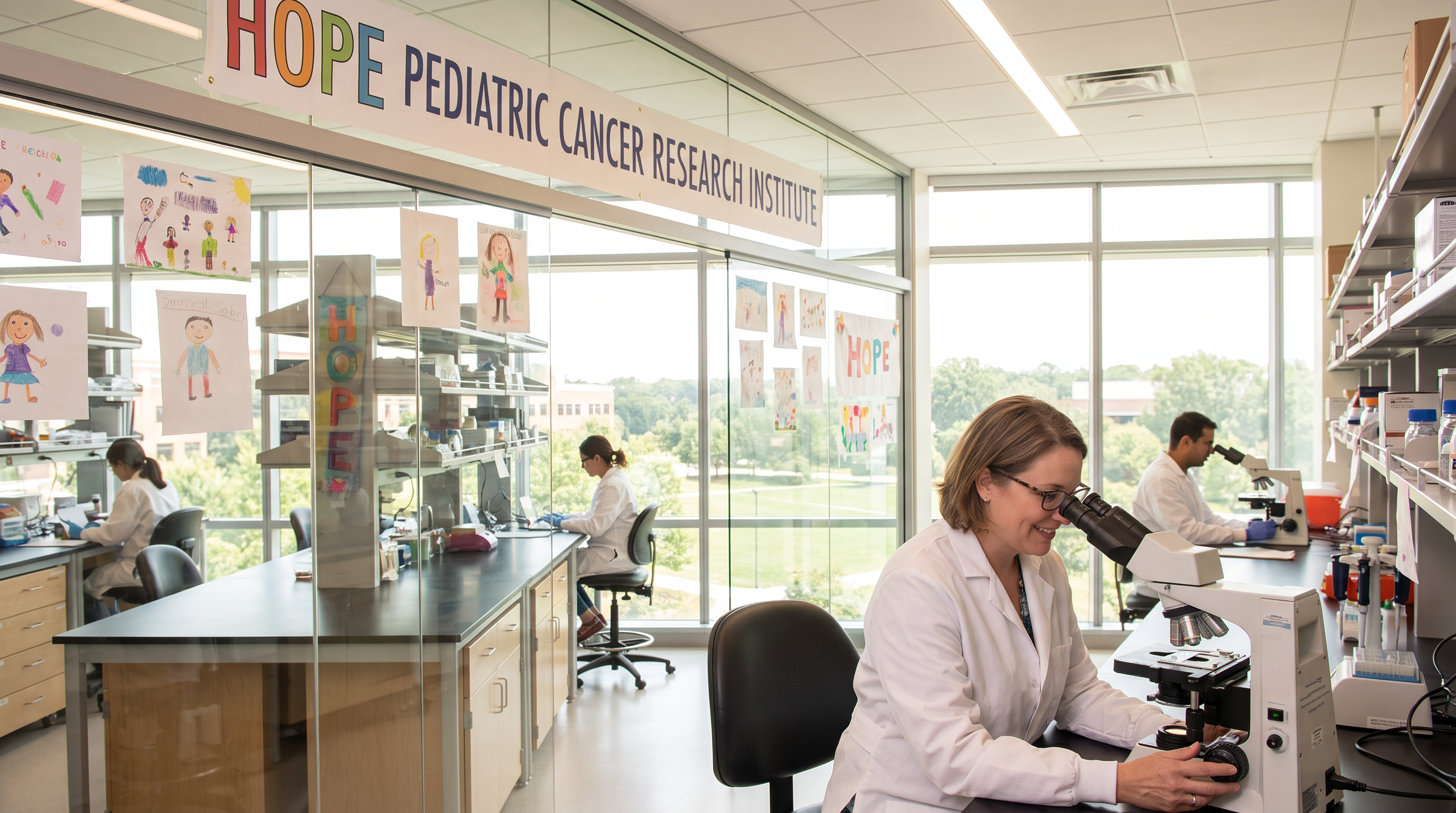
A landmark clinical trial has demonstrated that replacing traditional intensive chemotherapy with a targeted immunotherapy combination yields a 96% disease-free survival rate in children with standard-risk leukemia. The findings are expected to establish a new, less toxic standard of care for the most common pediatric cancer.
By Factlen Editorial Team
- Clinical Researchers
- Focused on the unprecedented efficacy data and the biological mechanisms of dual-antigen targeting.
- Patient Advocates
- Prioritizing the massive quality-of-life improvements and the reduction of lifelong toxic side effects for survivors.
- Health Economists
- Concerned about the financial sustainability of replacing cheap generic chemotherapy with expensive patented biologics.
- Factlen Editorial Synthesis
- Contextualizing the trial as a historic paradigm shift from 'cure at any cost' to 'cure with quality of life.'
What's not represented
- · Families of children currently undergoing traditional high-dose chemotherapy who may not have access to the new protocol.
- · Oncologists in developing nations where advanced immunotherapies remain financially out of reach.
Why this matters
For decades, curing childhood leukemia required punishing chemotherapy regimens that left survivors with lifelong cardiac, cognitive, and endocrine damage. This trial proves that targeted immunotherapies can cure the disease more effectively while sparing children from the devastating long-term toxicity of traditional treatments.
Key points
- A new dual-immunotherapy regimen achieved a 96% disease-free survival rate in standard-risk childhood leukemia.
- The treatment replaces intensive chemotherapy, resulting in a 60% reduction in severe toxic side effects.
- The regimen uses blinatumomab and inotuzumab ozogamicin to target two different proteins on leukemia cells, preventing the cancer from mutating to escape treatment.
- Pediatric oncologists are expected to rapidly adopt the protocol as the new standard of care.
- High costs of the patented biologic drugs raise concerns about global health equity and access in developing nations.
In a watershed moment for pediatric oncology, a new clinical trial has demonstrated that a combination of two targeted immunotherapies can achieve a 96% disease-free survival rate in children with standard-risk B-cell acute lymphoblastic leukemia (B-ALL). The results, published this week, represent one of the most significant leaps in childhood cancer treatment in decades. By replacing the harshest phases of traditional chemotherapy with precision immune-targeting drugs, researchers have not only improved survival odds but drastically reduced the physical toll the treatment takes on young bodies.[2]
B-cell acute lymphoblastic leukemia is the most common cancer diagnosed in children. Over the past fifty years, medical science has turned it from a nearly universally fatal diagnosis into a highly curable one, with historical survival rates hovering around 88% to 90%. However, that success has come at a steep physiological price. The standard of care has long relied on a grueling, multi-year regimen of highly toxic chemotherapy drugs, including anthracyclines and high-dose methotrexate, which indiscriminately attack both cancerous and healthy dividing cells.[2][4]
The collateral damage of this traditional approach is profound. While the chemotherapy cures the leukemia, it frequently leaves pediatric survivors with a legacy of 'late effects.' These can include permanent cardiac dysfunction, cognitive impairments, stunted growth, endocrine disruption, and a significantly elevated risk of developing secondary cancers later in life. For years, the holy grail of pediatric oncology has been to find a way to maintain or improve the high cure rates while stripping away the toxicity that haunts survivors into adulthood.[4][5]
The new Phase 3 randomized clinical trial, coordinated across dozens of international research centers, sought to answer exactly that challenge. The study enrolled over 1,200 children newly diagnosed with standard-risk B-ALL. Instead of receiving the standard intensive chemotherapy consolidation blocks, the experimental arm received a dramatically de-escalated chemotherapy backbone supplemented by two advanced immunotherapies: blinatumomab and inotuzumab ozogamicin.[2][3]

The primary claim emerging from the trial is a striking superiority in efficacy. At the three-year follow-up mark, 96% of the children in the immunotherapy combination arm remained alive and entirely free of disease, compared to 88% in the historical standard-of-care control group. This 8-percentage-point absolute improvement is considered massive in a field where gains are typically measured in fractions of a percent, effectively halving the number of children who experience a devastating relapse.[2]
Equally important is the trial's second major claim: a profound reduction in severe adverse events. The data shows a 60% decrease in Grade 3 and Grade 4 toxicities among the children receiving the immunotherapy regimen. Rates of severe infections, mucositis (painful inflammation of the digestive tract), and cardiac stress plummeted. Children in the experimental arm spent significantly fewer days hospitalized and required far fewer blood transfusions, fundamentally altering the day-to-day experience of undergoing cancer treatment.[1][2]
The success of the regimen lies in the precise mechanisms of the two immunotherapies. Blinatumomab is a bispecific T-cell engager, or BiTE. It functions as a microscopic bridge, with one end binding to CD19—a protein found on the surface of leukemia cells—and the other end grabbing onto the patient's own T-cells. This artificial linkage forces the immune system's natural killer cells into direct contact with the cancer, triggering them to destroy the leukemia cells without harming surrounding healthy tissue.[5]
The success of the regimen lies in the precise mechanisms of the two immunotherapies.
Inotuzumab ozogamicin operates through a different but complementary mechanism. It is an antibody-drug conjugate (ADC), often described as a biological Trojan horse. The antibody portion seeks out and binds to CD22, another protein highly expressed on B-ALL cells. Once attached, the leukemia cell absorbs the molecule, at which point the ADC releases a highly potent cytotoxic payload directly inside the cancer cell, destroying it from the inside out while sparing the rest of the body.[2][5]
The synergy of using both drugs simultaneously addresses one of the biggest hurdles in targeted cancer therapy: antigen escape. When leukemia is treated with a single targeted drug, the cancer cells can sometimes mutate to hide the specific protein being targeted, allowing the disease to evade the drug and relapse. By targeting both CD19 and CD22 simultaneously, the dual-immunotherapy regimen effectively cuts off the leukemia's primary escape routes, leading to the unprecedented 96% durable remission rate.[2][5]

Clinical implementation of these findings is expected to be rapid. Pediatric oncologists are already moving to adjust institutional protocols, viewing the trial data as definitive enough to change the frontline standard of care for standard-risk patients immediately. The shift represents a broader philosophical transition in pediatric oncology—moving away from the mid-century mindset of 'cure at any cost' toward a modern focus on 'cure with quality of life.'[1][5]
However, the transition is not without significant hurdles, primarily financial. Both blinatumomab and inotuzumab ozogamicin are complex, patented biologic drugs that carry exorbitant price tags, often running into the hundreds of thousands of dollars per course. In contrast, the traditional chemotherapy drugs they are replacing have been off-patent for decades and cost pennies on the dollar. Health economists warn that integrating these therapies into standard frontline care will place an immense strain on healthcare budgets.[1][5]
This cost disparity raises urgent questions about global health equity. While well-funded healthcare systems in North America and Western Europe will likely adopt the new regimen swiftly, pediatric oncologists in low- and middle-income countries may be forced to continue using the highly toxic, generic chemotherapy protocols simply due to cost. Patient advocacy groups are already mobilizing to pressure pharmaceutical manufacturers for tiered pricing models to ensure the breakthrough reaches all children regardless of geography.[4][5]

Scientifically, some uncertainties remain that require transparent acknowledgment. While the three-year disease-free survival data is robust, researchers caution that ten- and twenty-year follow-up studies are necessary to definitively prove that the reduction in acute toxicities translates to a proportional drop in late-life effects like secondary cancers and heart failure. The biological assumption is strong, but longitudinal data is the only way to confirm it.[2][3]
Furthermore, this specific trial focused exclusively on 'standard-risk' patients, who make up the majority of pediatric B-ALL cases. Children with 'high-risk' genetic markers or those who do not respond to initial induction therapy were not included in this dataset. Separate, ongoing trials are currently investigating whether this dual-immunotherapy approach can safely replace intensive chemotherapy for those more vulnerable populations without compromising their survival chances.[1][3]
Despite these open questions, the medical consensus is overwhelmingly celebratory. The ability to cure 96% of children with a devastating blood cancer while simultaneously sparing them from the lifelong scars of intensive chemotherapy is a monumental achievement. It stands as a testament to the power of precision medicine and marks the beginning of a new, gentler era in pediatric oncology.[2][5]
How we got here
1960s
Childhood leukemia is considered an almost universally fatal diagnosis.
1990s
Intensive, multi-drug chemotherapy regimens push survival rates past 80%, but leave survivors with severe, lifelong side effects.
2014
Blinatumomab receives its initial FDA approval for use in patients with relapsed or refractory B-ALL.
2022
Clinical trials begin moving targeted immunotherapies into the frontline setting for newly diagnosed, standard-risk patients.
July 2026
Landmark trial results demonstrate 96% disease-free survival, establishing a new, less toxic standard of care.
Viewpoints in depth
Pediatric Oncologists
Medical professionals treating childhood cancer view the trial as a historic turning point.
For decades, pediatric oncologists have had to make a grim bargain: curing a child's cancer by administering poisons that could damage their heart or cognitive development for life. The medical community views this trial as the moment that bargain finally ends. By proving that immunotherapies are not just less toxic, but actually more effective than maximum-tolerated chemotherapy, oncologists are eager to rewrite institutional protocols and spare the next generation of patients from the ravages of anthracyclines and cranial radiation.
Health Economists & Payers
Financial analysts and insurance providers are bracing for a massive increase in the cost of frontline pediatric cancer care.
While the clinical success is undeniable, the financial implications are staggering. The traditional chemotherapy backbone for B-ALL relies on drugs that have been off-patent for decades, costing a few thousand dollars per patient. The new regimen introduces two highly complex, patented biologic therapies that can push the cost of treatment into the hundreds of thousands of dollars. Health economists warn that this will place immense pressure on insurance premiums and public health budgets, forcing difficult conversations about how to fund the new standard of care without bankrupting healthcare systems.
Patient Advocacy Groups
Organizations supporting leukemia patients are celebrating the quality-of-life improvements while demanding equitable access.
For patient advocates, the 60% reduction in severe toxicities is just as important as the 96% survival rate. They emphasize that 'survivorship' should mean living a full, healthy life, not just surviving the cancer only to face heart failure or secondary tumors in one's twenties. However, these groups are immediately pivoting to advocacy around global access. They argue that a cure is only a breakthrough if patients can receive it, and are beginning to pressure pharmaceutical companies to implement tiered pricing so that children in low- and middle-income countries aren't left behind.
What we don't know
- Whether the 60% reduction in acute toxicities will perfectly translate to a proportional drop in decades-later 'late effects' like secondary cancers or heart failure.
- How healthcare systems in low- and middle-income countries will afford the transition from cheap, generic chemotherapy to expensive, patented immunotherapies.
- Whether this dual-immunotherapy approach can be safely and effectively expanded to treat 'high-risk' pediatric leukemia patients who were excluded from this specific trial.
Key terms
- B-cell Acute Lymphoblastic Leukemia (B-ALL)
- The most common type of cancer in children, characterized by the overproduction of immature white blood cells in the bone marrow.
- Bispecific T-cell Engager (BiTE)
- An engineered antibody that physically links a patient's immune cells to cancer cells, forcing the immune system to attack the disease.
- Antibody-Drug Conjugate (ADC)
- A targeted therapy that acts like a microscopic Trojan horse, delivering a toxic drug directly into cancer cells while sparing healthy tissue.
- Disease-Free Survival (DFS)
- The percentage of patients in a clinical trial who remain alive and completely free of the disease after treatment.
Frequently asked
Does this mean chemotherapy is completely eliminated?
Not entirely. The new regimen significantly reduces the amount and intensity of chemotherapy, but a low-dose chemotherapy backbone is still used in conjunction with the immunotherapies.
Is this treatment available to all children with leukemia?
Currently, the data supports its use as a frontline treatment for 'standard-risk' B-ALL. Trials are ongoing to determine its safety and efficacy for high-risk patients.
What are the side effects of the immunotherapy?
While it avoids traditional chemo toxicities like heart damage, it can cause Cytokine Release Syndrome (CRS), an inflammatory immune response that requires careful hospital monitoring.
Sources
Source coverage
5 outlets
4 viewpoints surfaced




[1]MedscapeHealth Economists
Practice-Changing Trial: Blinatumomab Combo Hits 96% DFS in B-ALL
Read on Medscape →[2]The New England Journal of MedicineClinical Researchers
Blinatumomab and Inotuzumab Ozogamicin in Standard-Risk Pediatric B-Cell Acute Lymphoblastic Leukemia
Read on The New England Journal of Medicine →[3]ClinicalTrials.govClinical Researchers
Study of Immunotherapy Combination in Standard-Risk B-ALL
Read on ClinicalTrials.gov →[4]Leukemia & Lymphoma SocietyPatient Advocates
Understanding Pediatric Acute Lymphoblastic Leukemia Treatment Phases
Read on Leukemia & Lymphoma Society →[5]Factlen Editorial TeamFactlen Editorial Synthesis
Synthesis by Factlen editorial team
Read on Factlen Editorial Team →


Every angle. Every day.
Get health stories with full source coverage and perspective breakdowns delivered to your inbox.