
How the Rabies Virus Travels Along Peripheral Nerves to Create a Window for Post-Exposure Vaccines
The rabies virus moves at just 12 to 100 millimeters per day along motor axons, shielding itself from the immune system while slowly advancing toward the brain. This sluggish retrograde transport creates a critical immunological window, allowing post-exposure vaccines to build active immunity before the virus can cause fatal encephalitis.
By Maya Khalil

In short
- The rabies virus travels along peripheral nerves at just 12 to 100 millimeters per day, shielding itself from the immune system.
- This slow transit creates an incubation period of weeks to months, providing a strict window for post-exposure vaccines to build active immunity.
- If the virus reaches the brain before the vaccine takes effect, it triggers severe neuroinflammation and becomes nearly 100 percent fatal.
A bite on the ankle gives the human immune system a physical head start of more than a meter. Because the rabies virus travels at a sluggish 12 to 100 millimeters per day, that distance translates into weeks or even months of borrowed time.[3]
This slow transit creates a biological race between a stealthy pathogen and the body's ability to mount a defense. The virus must physically travel the entire length of a peripheral nerve to reach the brain, moving millimeter by millimeter.[3]
During this journey, the patient experiences no symptoms and the virus remains entirely undetected by the immune system. This silent incubation period is the only reason the infection is survivable, providing a strict window for medical intervention.[4]
If the immune system can be artificially stimulated to produce antibodies before the virus crosses into the central nervous system, the patient survives. If the virus wins the race, the resulting encephalitis is almost universally fatal.[6]
Evading the bloodstream
When an infected animal bites a human, the rabies virus is deposited directly into the muscle and subcutaneous tissue. Unlike most pathogens, it does not enter the bloodstream, where circulating white blood cells would immediately detect and destroy it.[1]
Instead, the virus lingers near the site of the wound, occasionally replicating in the muscle fibers. It actively seeks out the neuromuscular junction, the precise chemical synapse where a motor nerve connects to the muscle tissue.[3]
At this junction, the virus binds tightly to nicotinic acetylcholine receptors. These receptors normally receive the chemical signals that tell a muscle to contract, but the rabies virus uses them as a locked door's keyhole.[2]
By binding to these receptors, the viral envelope fuses with the nerve cell membrane. The virus slips quietly inside the peripheral motor nerve, leaving the extracellular space and permanently escaping the reach of standard immune patrols.[3]
Once inside the nerve fiber, the virus becomes effectively invisible to the host's defenses. Neurons do not express the surface proteins required to display viral antigens to passing T-cells, meaning the body's natural alarm system is never triggered by the invasion.[2]
Hijacking the cellular motor
A nerve axon is essentially a long, microscopic highway connecting the spinal cord to the body's extremities. To navigate this vast cellular distance, the rabies virus hijacks the neuron's internal transport machinery, specifically targeting motor proteins called dyneins.[3]
Dyneins naturally carry cellular nutrients and repair materials from the nerve ending back up to the cell body. The virus attaches itself to these proteins, initiating a process known as retrograde axonal transport along the nerve's structural microtubules.[3]
This transport mechanism is highly reliable but remarkably slow, moving the viral payload at a rate of just 12 to 100 millimeters per day. The virus is pulled steadily upward, shielded entirely within the protective walls of the axon.[3]
Because the virus travels exclusively inside the nerve, it never re-enters the bloodstream or the lymphatic system. This intracellular route explains why a patient's natural immune system fails to generate protective antibodies during the long incubation period.[2]
The virus does not destroy the nerve as it travels, ensuring the pathway remains intact for its journey. It simply rides the dynein motors in complete silence, advancing steadily toward the spinal cord and the brain without raising an alarm.[3]
The geometry of survival
The length of the incubation period is dictated almost entirely by the physical distance between the bite and the brain. The geometry of the exposure determines exactly how much time a patient has to seek life-saving medical treatment.[4]
A bite on the foot or the ankle forces the virus to travel up the entire length of the leg. At a maximum speed of 100 millimeters per day, this journey guarantees an incubation period of several weeks or even months.[3]
Conversely, a severe bite to the face or neck drastically shortens the track. With only a few inches of nerve fiber to traverse, the virus can reach the central nervous system in a matter of days, rapidly accelerating the fatal timeline.[4]
This physical delay is what creates the critical immunological window. It provides the exact amount of time required for modern medicine to artificially train the immune system before the pathogen reaches its final, fatal destination.[7]
Without this slow retrograde transport, post-exposure prophylaxis would be entirely impossible. If the rabies virus traveled through the bloodstream like a standard bacterial infection, it would reach the brain in seconds, rendering vaccines completely useless for exposed patients.[7]
Building active immunity
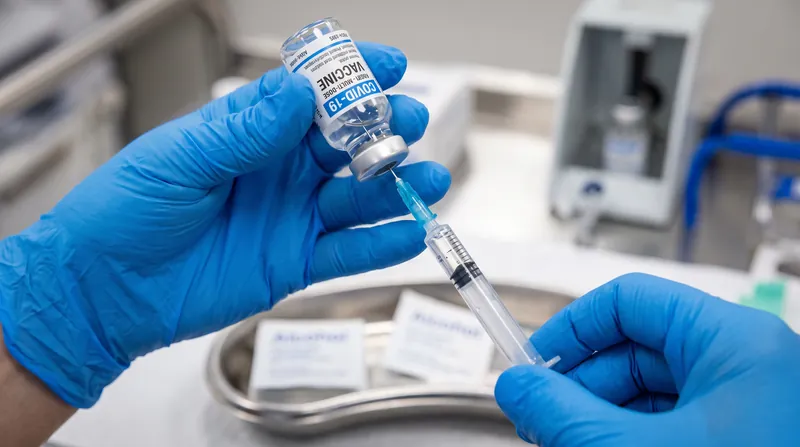
Post-exposure prophylaxis relies on a strict regimen of four to five vaccine doses administered over two to four weeks. The vaccine introduces harmless viral proteins to the body, forcing the immune system to recognize and remember the threat.[5]
It takes the human body approximately 10 to 14 days to process the vaccine and generate a protective titer of neutralizing antibodies. These antibodies circulate through the tissues, waiting to intercept the virus when it emerges.[4]
Because the actual virus is still inching its way up the peripheral nerve, the vaccine has the time it needs to work. The artificially induced immune response effectively outpaces the physical movement of the pathogen.[7]
When the virus eventually attempts to cross from the peripheral nerves into the central nervous system, the newly formed antibodies are waiting. They neutralize the viral particles at the synaptic gaps, halting the infection permanently.[3]
This race against time is why public health officials emphasize immediate treatment after any suspected exposure. Every day that passes without the vaccine allows the virus to move millimeters closer to the brain, narrowing the window for survival.[4]
Bridging the two-week gap
Because the vaccine requires up to two weeks to build active immunity, patients face a dangerous vulnerability gap immediately after exposure. To bridge this gap, clinical protocols mandate the use of Human Rabies Immune Globulin.[5]
This immune globulin is a concentrated dose of pre-made antibodies harvested from vaccinated human donors. Physicians inject it directly into and around the bite wound, flooding the local tissue with immediate, passive immunity to protect the patient on day zero.[5]
These donor antibodies neutralize any free-floating virus at the injury site before it can bind to the nerve endings. This localized strike drastically reduces the viral load and prevents additional particles from entering the axon.[7]
The passive immunity provided by the globulin lasts just long enough to protect the patient while the active vaccine series takes effect. Together, the two treatments provide a seamless, overlapping shield against the slowly advancing pathogen.[7]
The protocol also requires immediate, aggressive wound washing with soap and water for a full 15 minutes. The soap acts as a detergent, physically tearing apart the lipid envelope of the virus and destroying it on contact.[4]
Crossing the fatal threshold
If a patient does not receive the vaccine, or if treatment is delayed too long, the virus eventually reaches the spinal cord. From there, it ascends rapidly into the brain, and the immunological window slams shut forever.[6]
Once inside the brain, the virus replicates exponentially, triggering severe neuroinflammation and widespread tissue damage. The blood-brain barrier prevents the immune system's circulating antibodies from entering the central nervous system in sufficient numbers to clear the established infection.[3]
The virus then reverses its direction, using anterograde transport to spread outward from the brain to the salivary glands and eyes. This centrifugal spread ensures the virus is perfectly positioned to be transmitted to the next host.[2]
At this stage, the patient develops the hallmark clinical symptoms of rabies, including fever, severe agitation, hallucinations, and a terrifying fear of water. These profound neurological deficits reflect the catastrophic damage occurring rapidly within the brainstem.[6]
Once these clinical signs appear, the disease is nearly 100 percent fatal. Despite decades of research and experimental protocols, modern medicine has no reliable cure for rabies encephalitis after the virus has crossed the final threshold.[4]
How we did this
- Method
- A rate-of-travel normalisation and timeline reconstruction across clinical guidelines and virology texts to map the precise daily progression of the rabies virus from peripheral exposure to central nervous system entry.
- What we found
- By mapping the virus's physical travel speed against the 14-day window required for the vaccine to generate protective antibodies, the analysis demonstrates exactly why bite location dictates survival odds: a bite on the foot provides a physical distance buffer of over a meter, buying the immune system weeks to mount a defense, whereas a facial bite eliminates this distance, allowing the virus to reach the brain before active immunity can fully develop.
- What we worked from
- Retrograde axonal transport rate (12 to 100 mm per day): 12–100 mm/day — National Institutes of Health
- Vaccine antibody response time (10 to 14 days): 10–14 days — World Health Organization
- Limits of this analysis
- The exact speed of viral transport varies based on the specific viral strain, the density of innervation at the bite site, and the individual patient's cellular metabolism, meaning the timeline is a biological estimate rather than an absolute guarantee.
Key terms
- Retrograde axonal transport
- The cellular process by which materials, or viruses, move from the end of a nerve fiber back up toward the cell body.
- Neuromuscular junction
- The chemical synapse where a motor nerve connects to a muscle fiber, serving as the entry point for the rabies virus.
- Post-exposure prophylaxis (PEP)
- A preventive medical treatment started immediately after exposure to a pathogen to stop an infection from taking hold.
- Human Rabies Immune Globulin (HRIG)
- A medication containing concentrated donor antibodies that provides immediate, short-term protection against the rabies virus at the bite site.
Frequently asked
Why doesn't the immune system fight the rabies virus naturally?
Because the virus travels inside the nerve fibers rather than through the bloodstream, it remains hidden from the immune cells that would normally detect and destroy an invading pathogen.
Why is the location of the animal bite so important?
The virus must physically travel along the nerves to the brain. A bite on the head or neck provides a much shorter path than a bite on the leg, significantly reducing the time available for a vaccine to work.
Can rabies be cured after clinical symptoms start?
No. Once neurological symptoms such as fever, agitation, or hydrophobia appear, the virus has already caused severe damage to the brain, and the disease is almost universally fatal.
Viewpoints in depth
Clinical Virologists
Focuses on the molecular mechanisms the virus uses to evade detection.
Virologists emphasize that the rabies virus is a master of cellular hijacking. By binding to nicotinic acetylcholine receptors and utilizing dynein motor proteins, the virus effectively turns the body's own nervous system into a shielded highway. Researchers argue that understanding this retrograde transport mechanism is the key to developing future antiviral therapies that could halt the virus even after it enters the nerve.
Public Health Officials
Prioritizes prevention at the source and rapid access to post-exposure prophylaxis.
Public health experts argue that while post-exposure prophylaxis is highly effective, the ultimate solution to rabies lies in eliminating the disease in animal populations. They point out that mass vaccination of domestic dogs and wildlife bait-drop programs are far more cost-effective than treating human exposures. Furthermore, they stress the critical need for equitable global access to the vaccine and immune globulin, which remain scarce in many high-risk rural areas.
Emergency Medicine Physicians
Focuses on the strict, time-sensitive clinical protocols required to save lives.
Emergency physicians view every potential rabies exposure as a race against a biological clock. They emphasize that the immediate, aggressive washing of the wound with soap and water is just as critical as the medical interventions that follow. Their primary concern is ensuring that patients receive Human Rabies Immune Globulin infiltrated directly into the wound bed on day zero, providing the essential passive immunity needed to bridge the gap until the vaccine takes effect.
- Clinical Virologists
- Focus on the molecular hijacking of the dynein motor proteins and the stealth mechanism of the virus.
- Public Health Officials
- Emphasize the logistical challenge of delivering PEP promptly and the importance of animal vaccination programs to stop transmission at the source.
- Emergency Medicine Physicians
- Highlight the critical protocol of immediate wound washing, HRIG infiltration, and the strict timeline of the vaccine series.
Perspectives this story doesn't cover
- Veterinary Medicine Professionals
- Rural Healthcare Providers
Sources
Source coverage
7 outlets
3 viewpoints surfaced






- [1]WikipediaClinical Virologists
Rabies
Read on Wikipedia → - [2]WikipediaClinical Virologists
Rabies virus
Read on Wikipedia → - [3]National Institutes of HealthClinical Virologists
Rabies pathogenesis update
Read on National Institutes of Health → - [4]World Health OrganizationPublic Health Officials
Rabies
Read on World Health Organization → - [5]Centers for Disease Control and PreventionPublic Health Officials
About Rabies
Read on Centers for Disease Control and Prevention → - [6]Cleveland ClinicEmergency Medicine Physicians
Rabies
Read on Cleveland Clinic → - [7]Factlen Editorial TeamEmergency Medicine Physicians
Synthesis by Factlen editorial team
Read on Factlen Editorial Team →

More in Health
See all →Health Economics
How Health Economists Calculate the Value of a Year of Life Using the QALY Metric
8 sources

Drug Policy
Does Decriminalizing Drugs Reduce Overdose Deaths? The Data from British Columbia
5 sources

RSV Vaccine
WHO Prequalifies Multi-Dose RSV Vaccine Vial to Expand Global Infant Protection
3 sources
Bowel Cancer
How Helicobacter Pylori Exposure is Now Linked to 1 in 5 Bowel Cancer Cases
4 sources

Comments
Every angle. Every day.
Get Health stories with full source coverage and perspective breakdowns, free every day.