
How Spain Rewired Tiki-Taka: The Tactical Blueprint Driving Their 2026 World Cup Bid
Under Luis de la Fuente, Spain has abandoned sterile possession in favor of a vertical, winger-driven system anchored by Ballon d'Or winner Rodri.
By Factlen Editorial Team
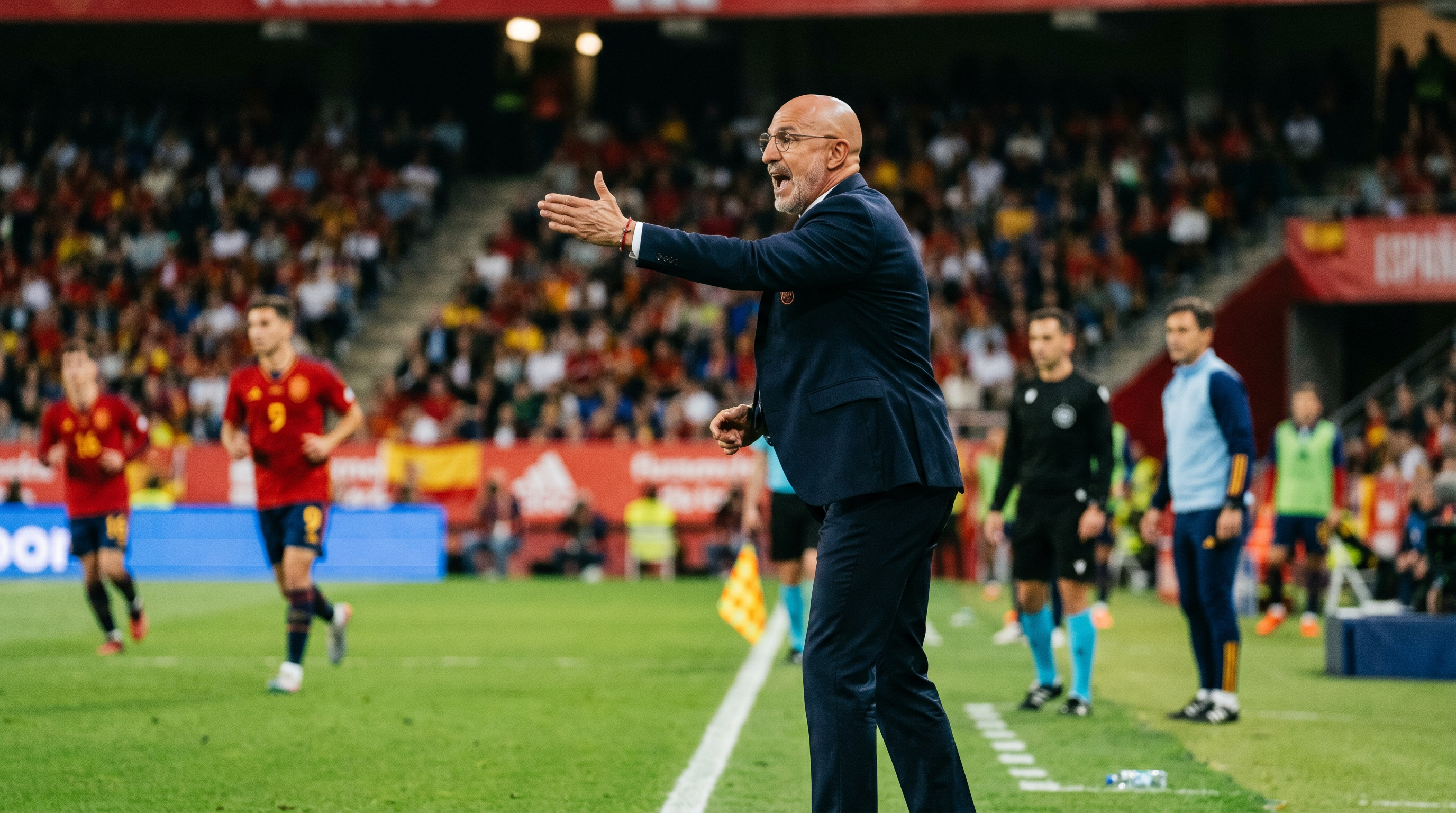
- Tactical Analysts
- Focus on Spain's structural mechanics, rest-defense, and pressing traps.
- National Team Management
- Emphasize the harmonious blend of traditional possession and modern directness.
- Opposing Scouts
- Focus on exploiting the high defensive line and geographical fatigue.
What's not represented
- · Fitness Coaches
- · Domestic Club Managers
Why this matters
For football fans and opposing coaches alike, understanding Spain's tactical evolution from a slow-passing monolith to a dynamic, multi-threat machine is the key to decoding the 2026 tournament's heavy favorites.
Key points
- Spain has transitioned from slow possession to a vertical, direct attacking style.
- The system relies heavily on wingers Lamine Yamal and Nico Williams to stretch defenses.
- Rodri operates as the crucial anchor, managing tempo and orchestrating rest-defense.
- Out of possession, Spain utilizes an aggressive 4-4-2 press to trap opponents out wide.
- Opponents will likely target the vast space left behind Spain's high defensive line.
Spain arrives in North America not just as European champions, but as a tactically reborn entity. Gone is the sterile, metronomic "tiki-taka" that saw them pass themselves into oblivion at the 2022 World Cup. Under Luis de la Fuente, La Roja has engineered a ruthless hybrid system, blending their traditional midfield control with terrifying verticality.[1][2]
The foundation of this new identity is a fluid 4-3-3 that routinely morphs into an aggressive 3-3-4 in possession. De la Fuente despises static attacking lines; instead, he demands constant interchangeability. When Spain establishes control in the opponent's half, the wingers hug the touchlines, stretching the defensive block to its absolute limit and creating interior gaps for late midfield runners.[4][6]
The catalysts for this directness are Lamine Yamal and Nico Williams. Unlike previous Spanish iterations that relied on playmakers shoehorned onto the flanks, this squad utilizes genuine, explosive wingers. Their ability to isolate fullbacks in one-on-one situations forces opponents to double up out wide, which in turn untangles the congested central areas where Spain's technicians thrive.[1][3]

Operating in those newly opened half-spaces are Pedri and Fabián Ruiz. Ruiz, in particular, has become a dual-threat weapon, combining incisive forward passing with elite ball-winning high up the pitch. This midfield dynamism ensures that Spain doesn't just hold the ball for the sake of it—they move opponents side-to-side, waiting for the structural integrity to bend before driving through the gears.[1][2]
Yet, the entire architecture hinges on one man: Rodri. The Ballon d'Or winner is not merely a defensive midfielder; he is the tactical glue and the tempo-setter. Operating at the base of the midfield, Rodri dictates whether Spain suffocates an opponent with slow possession or launches a rapid transition.[3][5][7]
The Ballon d'Or winner is not merely a defensive midfielder; he is the tactical glue and the tempo-setter.
Tactical analysts point to his mastery of "rest-defense." When Spain commits bodies forward, Rodri occupies a highly specific grid—covering the half-spaces ahead of the center-backs and blocking the inside lanes. He effectively acts as a sliding defensive bar, killing opposition counter-attacks at their source before they can materialize.[5][6]

Out of possession, Spain is equally proactive. They trigger a compact, zonal 4-4-2 press that can quickly switch to a man-to-man approach in central areas. The front two curve their pressing runs to block passes back to the center-backs, deliberately forcing the opposition out toward the touchlines where Spain can trap them and regain the ball high up the pitch.[6]
This aggressive posture, however, creates Spain's most glaring vulnerability: the space behind their high defensive line. With center-backs like 19-year-old Pau Cubarsí and Aymeric Laporte pushing aggressively into the opponent's half, teams that bypass the initial counter-press can find massive, unprotected acres to exploit with direct, over-the-top balls.[3][6]

Opposing scouts are also heavily factoring in the 2026 geography matrix. The tournament's sprawling North American footprint—featuring altitude in Mexico City and searing humidity in Houston—will severely test Spain's high-intensity pressing. If Rodri is forced to miss minutes, or if the wingers' lingering hamstring issues flare up, Spain's ability to control transitions without excessive running could evaporate.[1][3]
Despite these physical and structural risks, Spain enters the tournament as arguably the most complete tactical outfit in the field. De la Fuente has successfully cured the national team's possession paralysis, building a squad capable of dominating the ball, hurting teams directly, and defending as a unified block. If their key pillars remain fit, the blueprint for a second star is already drawn.[2][4]

How we got here
Dec 2022
Luis de la Fuente succeeds Luis Enrique, beginning the tactical shift.
July 2024
Spain wins Euro 2024, validating the new vertical possession style.
Nov 2025
Spain wins UEFA Group E, scoring 21 goals in six matches.
June 2026
Spain enters the World Cup as betting favorites, aiming for a historic treble.
Viewpoints in depth
Tactical Analysts
Focus on Spain's structural mechanics, rest-defense, and pressing traps.
Analysts highlight that Spain's true evolution isn't just in attack, but in their rest-defense. By utilizing Rodri as a sliding shield and committing the fullbacks selectively, Spain creates a mathematical overload in the center of the pitch. This allows them to sustain relentless pressure, suffocating opponents in their own half and turning forced turnovers into immediate, high-quality chances.
National Team Management
Emphasize the harmonious blend of traditional possession and modern directness.
Luis de la Fuente and his staff view this squad as the perfect synthesis of Spain's historical identity and modern football's physical demands. They argue that maintaining high possession is still the best defensive tool, but introducing genuine touchline-hugging wingers prevents the team from becoming predictable. The management prioritizes tactical flexibility, ensuring the team can break down low blocks or strike in transition.
Opposing Scouts
Focus on exploiting the high defensive line and geographical fatigue.
Rival scouting departments see a clear, albeit difficult, blueprint to beat Spain: survive the initial press and attack the massive space behind Pau Cubarsí and Aymeric Laporte. Scouts note that Spain's center-backs rarely step into the half-spaces, leaving those channels vulnerable if the defensive midfielder is dragged out of position. Furthermore, the grueling travel and climate variations of the 2026 tournament could expose Spain's reliance on a few key individuals to maintain their intense pressing structure.
What we don't know
- How effectively Spain's high-intensity press will hold up across the extreme climate variations of the North American host cities.
- Whether Lamine Yamal and Nico Williams will be at peak fitness for the opening group stage matches following recent hamstring issues.
Key terms
- Rest-Defense
- The structural positioning of players who are not actively attacking, designed to immediately stop counter-attacks if possession is lost.
- Half-Spaces
- The vertical channels on the pitch between the wing and the center, often exploited by advanced midfielders.
- Tiki-Taka
- A style of play characterized by short passing and maintaining possession, which Spain has recently evolved to include more direct attacking.
- Low Block
- A defensive strategy where a team defends deep in their own half, restricting space near their penalty area.
Frequently asked
What formation does Spain play under Luis de la Fuente?
They typically line up in a 4-3-3 or 4-2-3-1, which fluidly shifts into a 3-3-4 in possession to overload the attacking third.
Are Lamine Yamal and Nico Williams playing?
Both are managing hamstring issues heading into the tournament, but are expected to feature prominently, possibly returning by the match against Uruguay.
Who is Spain's biggest tactical vulnerability?
Their aggressive high line leaves massive space behind the center-backs, which opponents can exploit with direct counter-attacks.
Sources
Source coverage
7 outlets
3 viewpoints surfaced






[1]BBC SportNational Team Management
Fifa World Cup 2026: What you need to know about Spain
Read on BBC Sport →[2]The GuardianNational Team Management
Spain World Cup 2026 team guide
Read on The Guardian →[3]OneFootballOpposing Scouts
Best Playing XI for the Spain Football Team
Read on OneFootball →[4]Sporting LifeNational Team Management
Spain's Likely Starting XI & Tactical Style
Read on Sporting Life →[5]Sun SportTactical Analysts
How tournament favourites Spain can dominate the World Cup
Read on Sun Sport →Spain Tactical Analysis: De la Fuente's Game Model
Read on Football From Above →[7]MatchBingoOpposing Scouts
Rodri's Role in Spain's 2026 World Cup Squad
Read on MatchBingo →

More in sports
See all 13 stories →Olympic Sustainability
How the LA 2028 Olympics Will Run Entirely on Existing Stadiums
0 sources

NBA Finals
New York Knicks Win 2026 NBA Finals, Ending 53-Year Championship Drought
0 sources
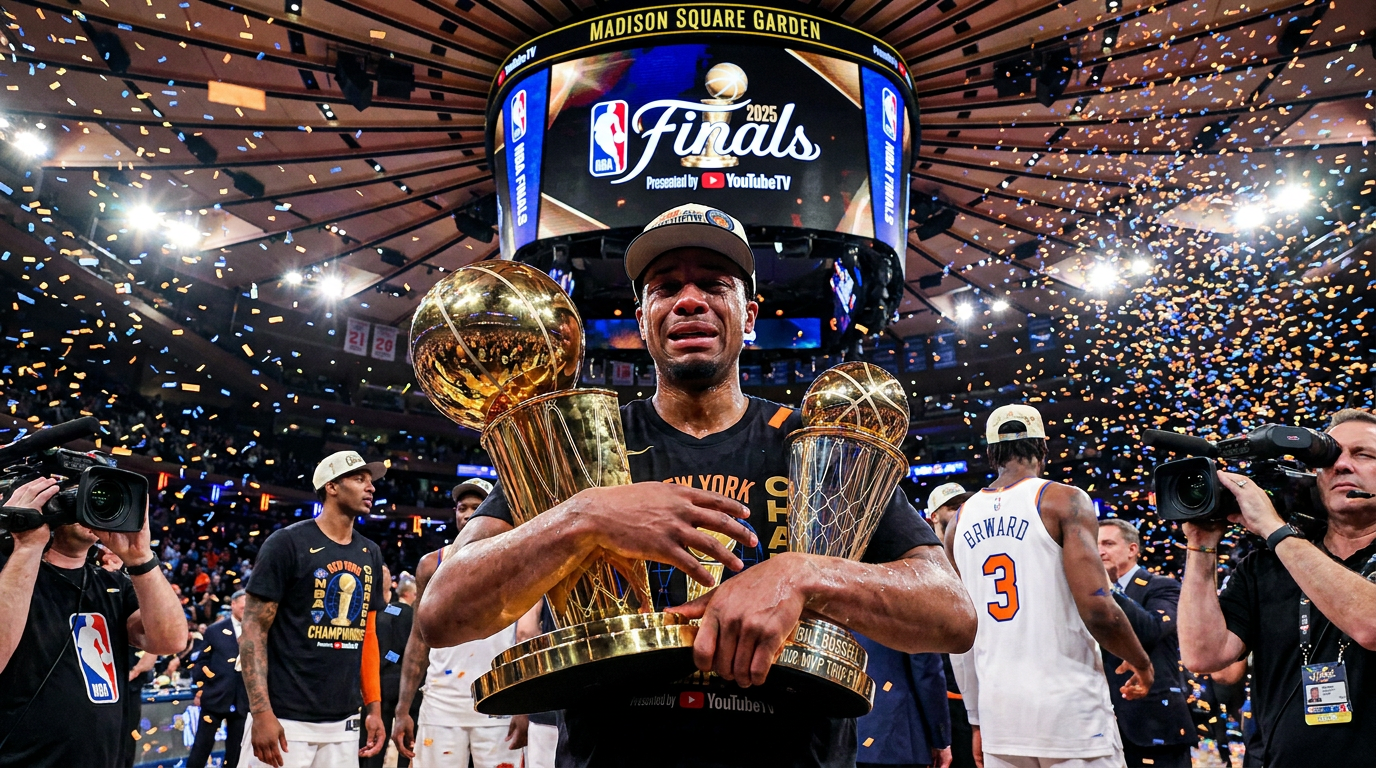
NBA Finals
New York Knicks Capture First NBA Championship Since 1973
0 sources

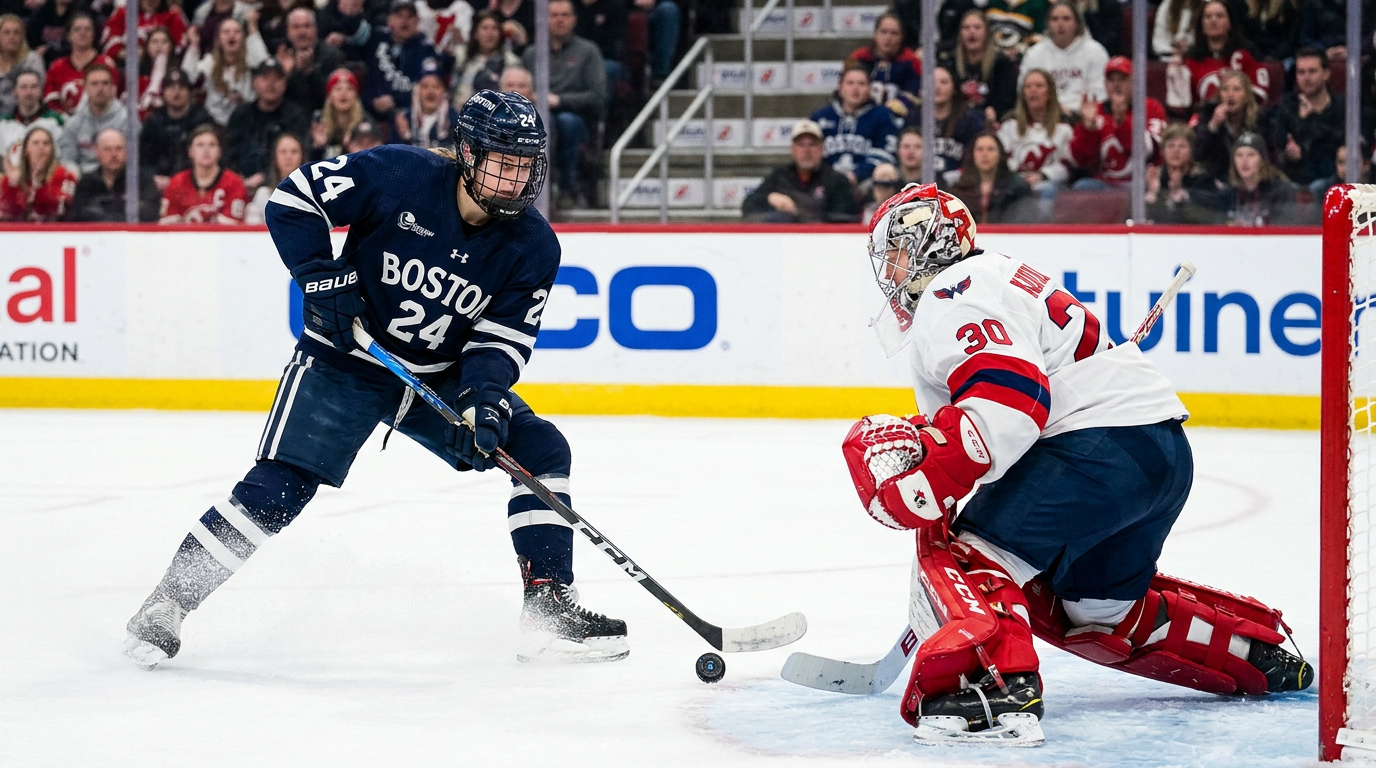
Hockey Strategy
How the PWHL's 'Jailbreak' and 'No Escape' Rules Are Rewriting Hockey Strategy
0 sources
Every angle. Every day.
Get sports stories with full source coverage and perspective breakdowns delivered to your inbox.