
Harvard Report: Plunging Immigration Poised to Slash U.S. Housing Demand
A new analysis from Harvard University reveals that a 75% projected drop in net international migration for 2026 will drastically reduce U.S. household formation, fundamentally reshaping the real estate and mortgage markets over the next decade.

Share this story
The U.S. housing market is undergoing a profound structural shift, driven not by interest rates or zoning laws, but by a sudden collapse in demographic growth. According to the 2026 "State of the Nation's Housing" report from Harvard University's Joint Center for Housing Studies (JCHS), plunging immigration levels are poised to drastically slash housing demand over the next decade.[1]
The mechanism is straightforward: new households require new homes. For years, immigration has served as the primary engine for U.S. household formation, particularly as the native-born population ages and birth rates decline. However, restrictive immigration policies and increased deportations implemented over the past two years have abruptly severed this pipeline of new renters and buyers.[1]
The numbers outline a stark trajectory. Net international migration—the number of immigrants arriving minus those leaving—was cut in half during 2025. Census Bureau projections cited by Harvard indicate that this figure will plummet by another 75 percent in 2026, dropping to roughly 321,000 people. To put that in perspective, the U.S. averaged 900,000 net international migrants annually between 2001 and 2019.[1][2]
This demographic contraction is already showing up in the broader housing data. Overall household growth, which surged to an average of 2.0 million annually in 2020 and 2021, fell to just 1.1 million in 2025. Demographic researchers project that household growth will average a mere 700,000 per year over the next decade, fundamentally altering the calculus for builders and lenders.[1][2]
Under Harvard's newly modeled "low-immigration scenario," the U.S. will see 1.7 million fewer new households formed by 2035 compared to previous baseline projections. Because recent immigrants are disproportionately young and more likely to rent, the multifamily sector will absorb the initial shock. Renter household growth is expected to fall by 74,000 to 86,000 units annually.
The ripple effects extend directly into the mortgage and single-family markets. While immigrants often start as renters, they historically transition to homeownership, driving long-term mortgage demand. Under the revised projections, annual homeowner growth is expected to be 15 to 26 percent below previous estimates, translating to a decline of up to 99,000 homeowning households per year.
For the mortgage industry, fewer households mean a shrinking pie for loan originations. Lenders who built their long-term growth models on the assumption of steady population expansion are now facing a market where organic demand is structurally constrained. This demographic headwind compounds the existing challenges of a high-rate environment.
The drop in immigration is not the only factor suppressing household formation. Native-born young adults are increasingly delaying the transition to independent living due to intense financial pressures. Weak labor markets, heavy student debt burdens, and general economic uncertainty are forcing many Generation Z adults to "double up" with roommates or remain in their parents' homes.[1][2]
Furthermore, the existing housing stock is suffering from a severe lack of turnover. The Harvard report documented a record-low residential mobility rate of 11.2 percent in 2024. Homeowners are largely "locked in" by the sub-4 percent mortgage rates they secured in previous years, making them reluctant to sell and relocate. This freeze in interstate migration has slowed population gains even in traditionally booming Sun Belt states like Texas and Florida.[1]
Real estate developers are already reacting to the shifting landscape. After a historic surge in multifamily construction that peaked in late 2024, the development pipeline is shrinking rapidly. Annual apartment supply declined by roughly 25 percent in 2025 and is forecast to contract by an additional 36 percent in 2026, marking the lowest delivery total in over a decade.
Paradoxically, this plunge in demand has not resolved the nation's housing affordability crisis. While weaker demand typically lowers prices, the simultaneous pullback in construction and the lock-in effect among existing homeowners have kept the supply of available units artificially tight. Nearly half of all U.S. renters remain cost-burdened, spending more than 30 percent of their income on housing.[1]
Ultimately, the Harvard data underscores a critical reality for the real estate sector: housing demand is inextricably linked to immigration policy. As natural population growth slows due to declining birth rates and an aging baby boomer generation, cross-border migration remains the sole mechanism for robust household expansion. Without it, the industry must prepare for a decade of subdued growth.[1]
Key points
- Net international migration to the U.S. is projected to plummet by 75% in 2026 to just 321,000 people.
- Harvard's Joint Center for Housing Studies projects this will result in 1.7 million fewer new households by 2035.
- Renter household growth could fall by up to 86,000 units annually, softening multifamily demand.
- Annual homeowner growth is expected to be 15% to 26% below previous baseline estimates.
What we don’t know
- Whether future administrations will reverse restrictive immigration policies, potentially restoring the pipeline of new households.
- Exactly how the reduction in new construction will balance against the drop in renter demand over the next five years.
- If mortgage rates drop significantly, whether the resulting unfreezing of the housing market will offset the demographic headwinds.
How we got here
2021–2023
U.S. household growth surges to an average of 2.0 million annually, heavily supported by immigration.
2024
Residential mobility hits a record low of 11.2% as homeowners refuse to give up low mortgage rates.
2025
Net international migration is cut in half following the implementation of restrictive border policies.
June 2026
Harvard JCHS releases its annual report, projecting a further 75% drop in migration and a severe long-term reduction in housing demand.
- Demographic Researchers
- Focus on the structural shift in population growth and its long-term economic consequences.
- Real Estate Investors
- Concerned with adjusting construction pipelines and capital allocation to match softening demand.
- Mortgage Lenders
- Focused on the downstream impact of fewer households on loan origination volumes.
- Affordability Advocates
- Highlighting that lower demand has not resolved the severe cost burdens facing low-income renters.
Perspectives this story doesn't cover
- Local Municipal Planners
- First-Time Homebuyers
Sources
Source coverage
2 outlets
4 viewpoints surfaced


- [1]Harvard Joint Center for Housing StudiesDemographic Researchers
The State of the Nation's Housing 2026
Read on Harvard Joint Center for Housing Studies → - [2]ConsumerAffairsAffordability Advocates
Housing market faces new challenges, Harvard report finds
Read on ConsumerAffairs →
More in Real Estate
See all →Multifamily Debt
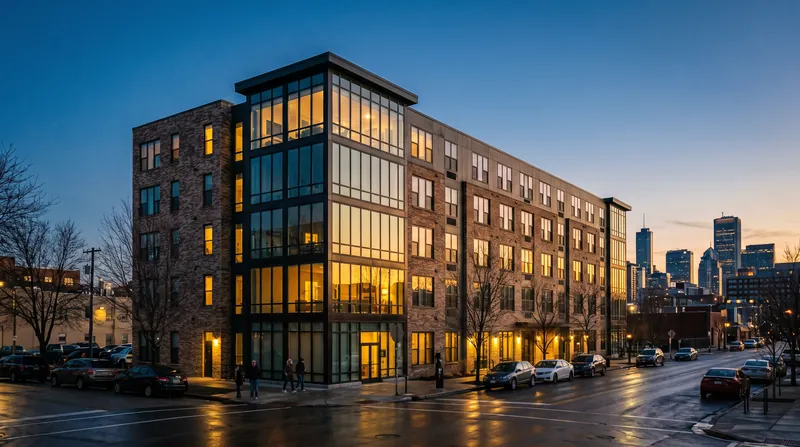
Bank Multifamily Loan Delinquencies Hit 13-Year High Following 53% Lending Surge
6 sources
Housing Supply
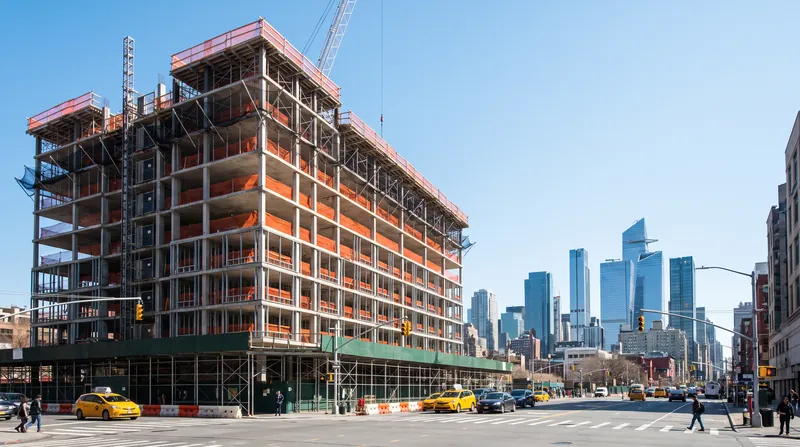
The Mechanics of the Rent Burden: How 7 Million Low-Rent Units Vanished and What the Data Shows
3 sources
Foreclosure Trends
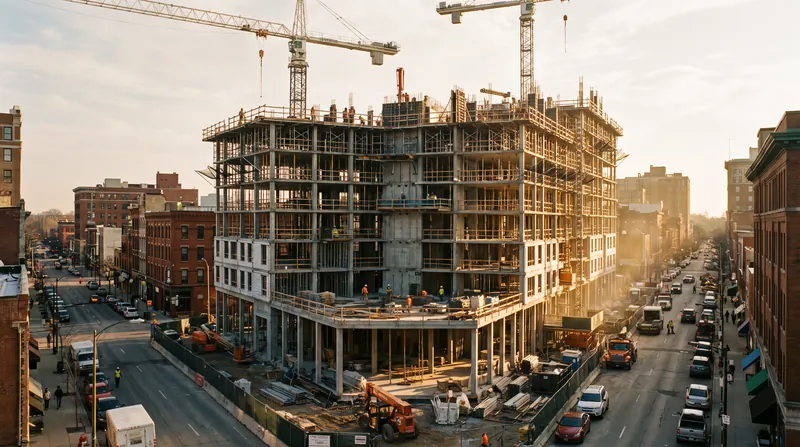
U.S. Foreclosure Filings Jump 21% in First Half of 2026 Amid Shrinking Timelines
7 sources
Condo Financing
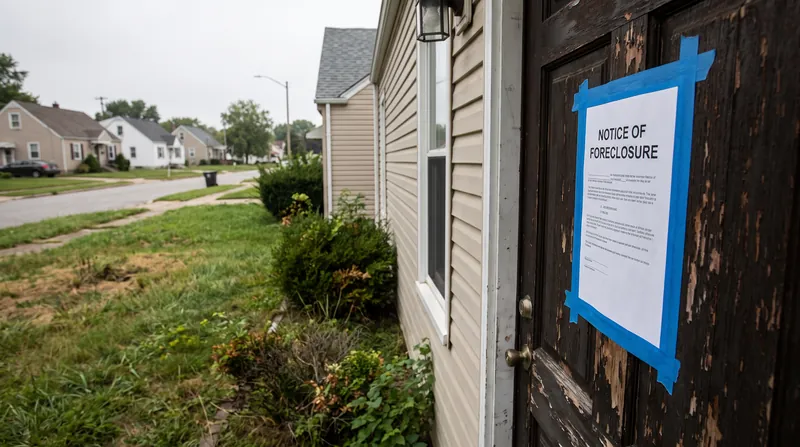
Fannie and Freddie End Condo 'Limited Review,' Triggering Financing Scrutiny and Market Delays
1 sources
Comments
Every angle. Every day.
Get Real Estate stories with full source coverage and perspective breakdowns, free every day.