
Global Rowing Power Rankings: The Netherlands and Germany Set the Pace Ahead of World Cup II
Following a blistering World Rowing Cup I in Seville and the conclusion of the US collegiate championships, the Netherlands and Germany sit atop the global rowing hierarchy.
By Factlen Editorial Team
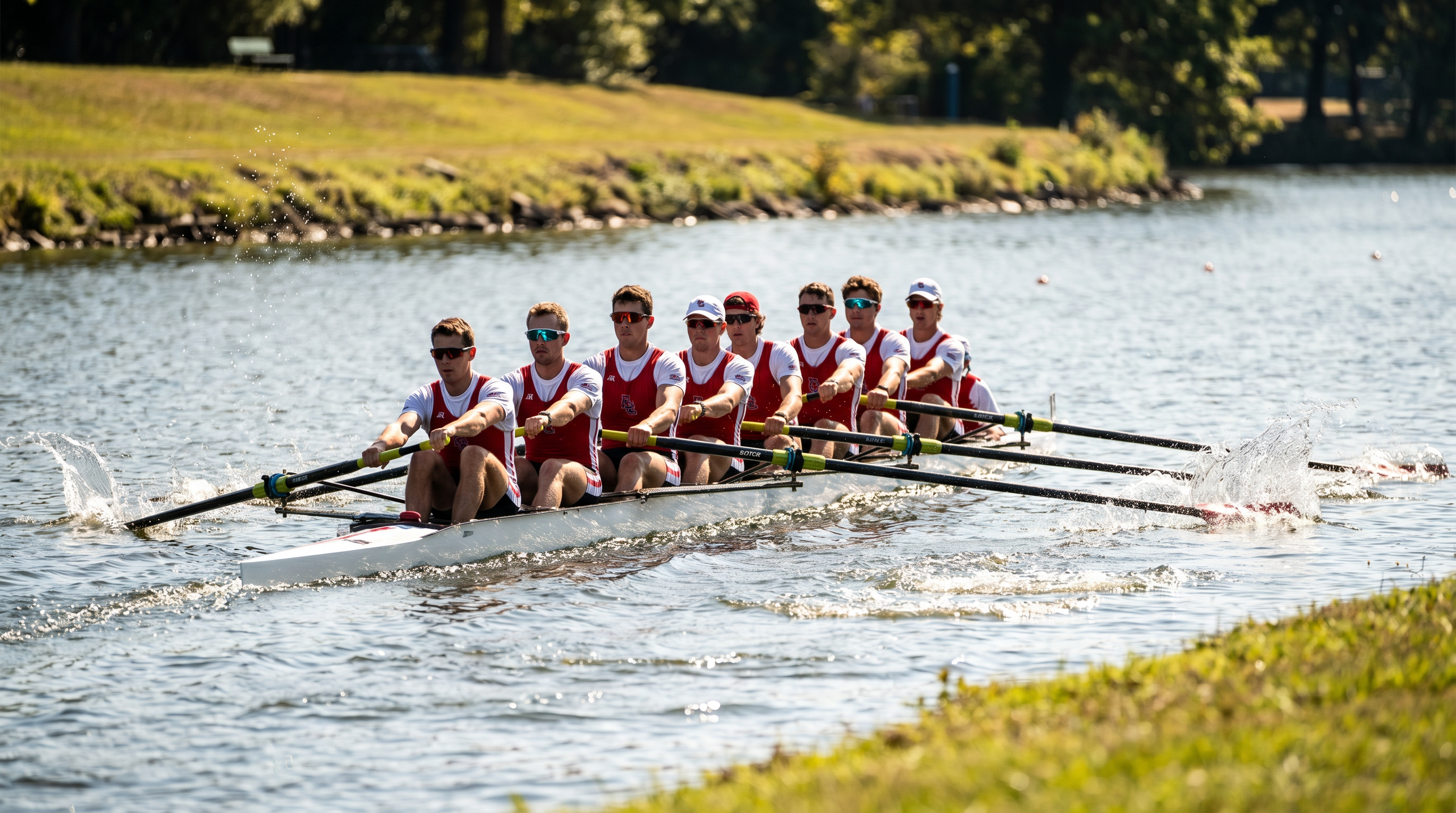
- European Powerhouses
- Focuses on overall World Cup points, medal tables, and peaking for the World Championships.
- Collegiate Programs
- Emphasizes the speed, depth, and record-breaking performances of university programs.
- Emerging Nations
- Highlights the historic breakthroughs of rowers from non-traditional powerhouse countries.
What's not represented
- · Club Rowers
- · Olympic Selectors
Why this matters
For fans and athletes tracking the road to the World Championships, these early summer regattas establish the form guide. The emergence of dominant crews now sets the tactical baseline that every other nation must match or beat.
Key points
- The Netherlands leads the overall World Rowing Cup points standings with 51 points following the Seville regatta.
- Germany topped the World Cup I medal table with four golds, highlighted by Oliver Zeidler's dominant win in the single sculls.
- The University of Texas women's eight set a new world best time of 5:47 to capture the NCAA national title.
- The University of Washington men's heavyweight eight secured their third consecutive IRA National Championship.
The 2026 global rowing season has officially hit its summer stride, bringing a wave of clarity to the international pecking order. Following a blistering opening to the international calendar at World Rowing Cup I in Seville, Spain, and the dramatic conclusion of the North American collegiate championships, the overarching power hierarchy is rapidly coming into focus. With the world's elite crews now recalibrating their training blocks ahead of World Rowing Cup II in Plovdiv, Bulgaria, the early form guide reveals a fascinating mix of entrenched European powerhouses defending their turf and historic breakthroughs from emerging rowing nations eager to disrupt the status quo.[1][2]
At the very top of the international power rankings sits the Netherlands. The Dutch squad left Seville at the summit of the overall World Rowing Cup points standings, amassing 51 points across multiple boat classes to establish themselves as the team to beat. Their programmatic depth is matched only by their technical precision on the water, best exemplified by their flagship Men's Eight. In a highly anticipated showdown against a formidable Great Britain squad, the Dutch crew utilized a remarkably fluid style and a punishingly high stroke rating to seize control in the second 500 meters, ultimately walking away with a statement gold medal that sent ripples through the rowing world.[1][2]
Hot on their heels is Germany, who claimed the top spot on the Seville medal table with an impressive haul of four gold medals. The German resurgence is spearheaded by Olympic champion Oliver Zeidler, who delivered what was arguably the most dominant individual performance of the entire regatta. Zeidler obliterated the men's single sculls field from the opening horn, crossing the finish line a staggering six and a half seconds ahead of his closest competitors. His raw power and flawless tactical execution serve as a stark warning to the rest of the world that he remains the undisputed king of the singles heading into the heart of the summer.[1][2]

Great Britain occupies a comfortable second spot in the overall points standings with 40 points, anchored by a balanced roster that blends veteran savvy with explosive emerging stars. The absolute highlight of their Spanish campaign came in the women's single sculls, where Lauren Henry orchestrated an absolute masterclass in pacing and endurance. Trailing Lithuania's Viktorija Senkute and France's Emma Lunatti at the grueling halfway mark, Henry unleashed a devastating, sustained push under the 1250-meter bridge, systematically rowing through the field to secure a phenomenal victory that immediately elevates her standing in the global sculling ranks.[1][2]
Beyond the traditional 'Big Three' of European rowing, the power rankings are being actively shaken up by historic performances from across the globe. New Zealand's world champion men's pair of Oliver Welch and Benjamin Taylor proved they haven't lost a single step during the offseason, stretching out a comfortable open-water lead over strong boats from Romania and Lithuania to secure a decisive gold. Following the race, Welch noted that their intense summer training block back home has paid massive dividends, setting the Kiwi duo on a direct, confident trajectory toward the World Championships later this year.[1]
Beyond the traditional 'Big Three' of European rowing, the power rankings are being actively shaken up by historic performances from across the globe.
The lightweight divisions also provided spectacular fireworks and major shifts in the global form guide, highlighted by the sheer dominance of Mexico's Kenia Lechuga. Resplendent in her signature pink boat and matching racing suit, Lechuga ruthlessly attacked the lightweight women's single sculls from the very first stroke. Holding off fierce, late-race challenges from Ireland's Isobel Clements and the Netherlands' Femke van de Vliet, she claimed her third career World Rowing Cup victory, cementing her status as one of the most formidable and tactically astute lightweight scullers currently competing on the international stage.[1]

Meanwhile, the Australian national team—affectionately known as the 'Rowsellas'—demonstrated formidable depth and resilience, particularly within their sweep boats. The Australian women's four booked their spot in the A-finals with the fastest heat time of the entire regatta, showcasing a remarkably clean start and a highly disciplined middle-race plan that left their competitors scrambling. Though they faced incredibly stiff competition in the subsequent medal rounds, their early foundational speed indicates they will be a major, disruptive factor as the season progresses toward the crucial regattas in Plovdiv and Lucerne.[3]
As the international elites battled the heat in Spain, the North American collegiate scene delivered its own slate of jaw-dropping, record-breaking performances, highlighting the robust, high-speed pipeline of future Olympic talent. The University of Texas Longhorns definitively cemented their modern dynasty at the NCAA Rowing Championships, capturing their fourth national title in just six years. The Longhorns' first varsity eight put together a flawless race to crush the world best time for the collegiate event by a massive six seconds, winning the grand final in an astonishing 5:47 and proving their domestic invincibility.[2]
On the men's side of the collegiate ledger, the University of Washington Huskies achieved a historic and grueling three-peat at the Intercollegiate Rowing Association (IRA) National Championship Regatta. Their continued, suffocating dominance in the heavyweight eights underscores a deeply ingrained culture of relentless internal competition and physical toughness. The collegiate weekend was further punctuated by Harvard's emphatic sweep of the 159th Harvard-Yale Regatta, a historic, blood-and-thunder rivalry that continues to serve as a premier proving ground for some of the finest sweep rowers who will soon populate the international circuit.[2][4]

The lightweight collegiate ranks also saw remarkable, dynasty-building achievements, with Princeton's women's lightweight rowing team securing their fifth consecutive IRA national title in a display of total programmatic superiority. The Tigers' flawless technical execution in both the eights and the fours earned three of their standout athletes CRCA All-America honors. Their performance served as a powerful reminder that elite technical mastery and synchronized blade work can consistently overcome the immense physical toll of a grueling, months-long spring racing season.[5]
Looking ahead, the global rowing community now turns its collective eyes to Eastern Europe for the next major test of speed and endurance. World Rowing Cup II, scheduled for June 12-14 in Plovdiv, Bulgaria, will provide the next major crucible for these highly ranked crews. Teams that underperformed in Seville will be desperate to claw back points and adjust their lineups, while the current leaders will aim to solidify their psychological and physical dominance over the field before the culminating event in Lucerne.[6]
Ultimately, the power rankings in early June are a fascinating snapshot of current momentum, not a final, unchangeable verdict. The true beauty of the World Rowing Cup series lies in its progressive, compounding intensity over the summer months. As athletes begin to taper their training blocks and meticulously peak for the World Championships, the current hierarchy will inevitably face severe stress tests. For now, the Netherlands and Germany wear the heavy crowns of frontrunners, but the unpredictable water in Plovdiv and Lucerne will undoubtedly have the final say on who truly rules the sport.[1][6]
How we got here
May 29-31, 2026
World Rowing Cup I takes place in Seville, Spain, with Germany topping the medal table.
May 31, 2026
The Texas Longhorns and Washington Huskies secure the NCAA and IRA collegiate national championships, respectively.
June 6, 2026
Harvard sweeps Yale in the 159th running of their historic rivalry regatta.
June 12-14, 2026
World Rowing Cup II is scheduled to take place in Plovdiv, Bulgaria.
Viewpoints in depth
European Powerhouses
Focusing on overall World Cup points and peaking for the World Championships.
For traditional rowing juggernauts like the Netherlands, Germany, and Great Britain, the early season is entirely about establishing a baseline of speed and testing new boat combinations. Their focus is heavily weighted toward the overall World Cup points standings, viewing each regatta as a stepping stone rather than a standalone final. The strategy relies on deep rosters that allow them to field competitive development boats alongside their flagship crews, maximizing their medal footprint while keeping their top athletes fresh for the World Championships.
Collegiate Development
Emphasizing the speed and depth of university programs as the pipeline for future Olympians.
In North America, the peak of the season arrives in late May and early June with the NCAA and IRA championships. For these programs, the focus is on peaking for a single, high-stakes weekend. The record-breaking times produced by schools like Texas and Washington demonstrate that the collegiate system remains one of the most potent development pipelines in the world. Coaches emphasize internal competition and high-volume training, creating battle-tested athletes who frequently transition seamlessly into their respective national team eights and fours.
Emerging Nations
Highlighting historic breakthroughs from non-traditional powerhouse countries.
For nations outside the traditional rowing elite, the World Cup circuit offers a crucial platform to secure funding and build momentum. Athletes like Mexico's Kenia Lechuga and the rising scullers from Czechia and Hong Kong approach these early regattas with a peak-performance mindset, aiming to capture medals that validate their training blocks. Their success disrupts the established hierarchy and proves that world-class boat speed can be developed outside the massive centralized training centers of Western Europe.
What we don't know
- How the North American collegiate champions will integrate into their respective national teams for the remainder of the summer.
- Whether the Netherlands can maintain their points lead as rosters rotate ahead of World Rowing Cup II in Plovdiv.
Key terms
- Single Sculls
- A rowing event where one person propels the boat using two oars, one in each hand.
- Sweep Rowing
- A rowing style where each rower uses only one oar, requiring boats to have pairs of rowers to maintain a straight course.
- Stroke Rating
- The number of rowing strokes taken per minute, used to gauge the pace and intensity of a crew.
- Repechage
- A second-chance race that allows crews who did not qualify in their initial heat to advance to the semifinals or finals.
Frequently asked
Who is leading the 2026 World Rowing Cup?
The Netherlands currently leads the overall points standings with 51 points, followed closely by Great Britain with 40 points.
Where is the next World Rowing Cup event?
World Rowing Cup II will be held in Plovdiv, Bulgaria, from June 12-14, 2026.
Who won the 2026 NCAA Rowing Championship?
The University of Texas Longhorns won the women's NCAA title, setting a new world best time of 5:47 in the varsity eight grand final.
Who won the men's IRA National Championship?
The University of Washington Huskies won their third consecutive IRA National Championship in the men's heavyweight eights.
Sources
Source coverage
6 outlets
3 viewpoints surfaced






[1]World RowingEuropean Powerhouses
Germany top medal table after day of surprises in Seville
Read on World Rowing →[2]Rowing NewsCollegiate Programs
Texas Wins NCAA Title, Crushes Record
Read on Rowing News →[3]Rowing AustraliaEmerging Nations
World Cup 1, Seville – Day 1: Rowsellas impress with flying start
Read on Rowing Australia →[4]Harvard AthleticsCollegiate Programs
Harvard Sweeps 159th H-Y Regatta
Read on Harvard Athletics →[5]Princeton AthleticsCollegiate Programs
Three From Women's Lightweight Rowing Named CRCA All-America
Read on Princeton Athletics →[6]Concept2Emerging Nations
Events for June 2026
Read on Concept2 →
More in sports
See all 13 stories →Olympic Sustainability
How the LA 2028 Olympics Will Run Entirely on Existing Stadiums
0 sources

NBA Finals
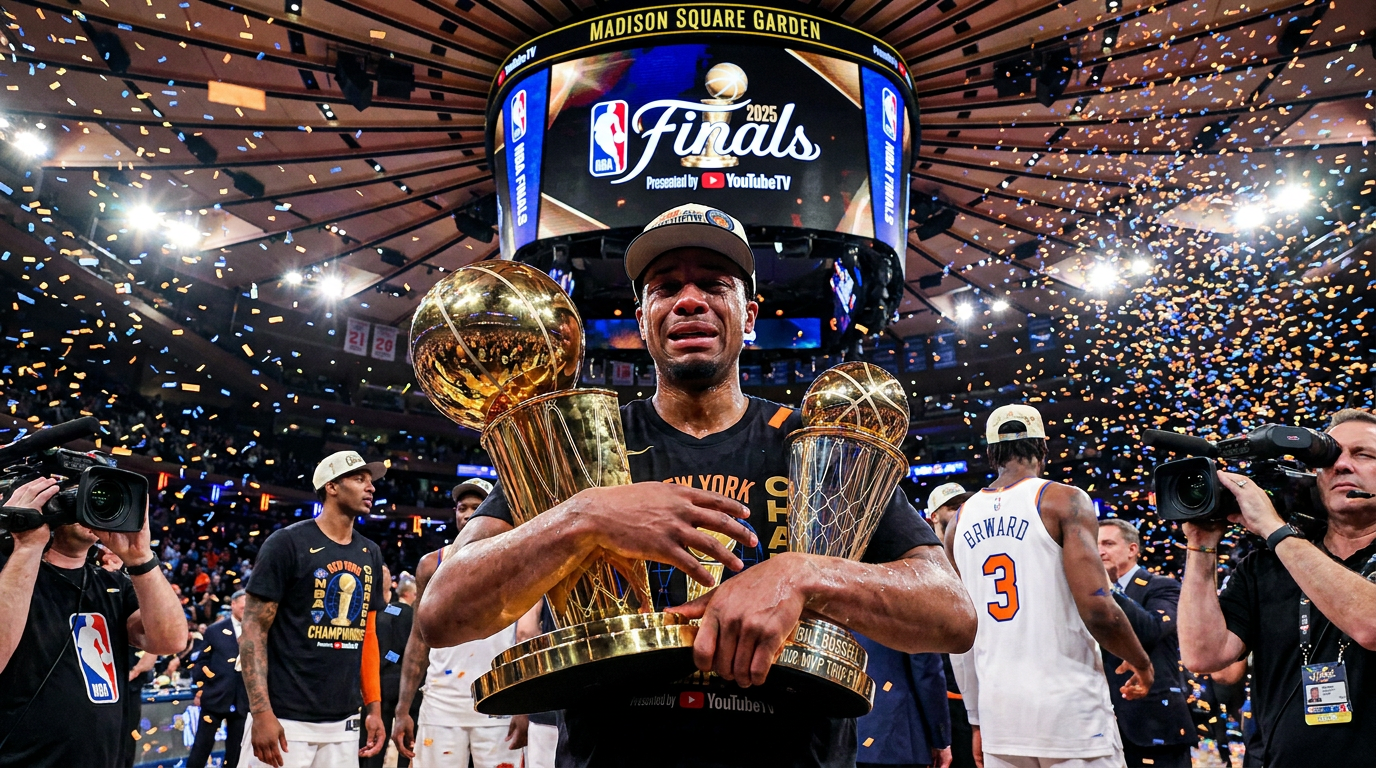
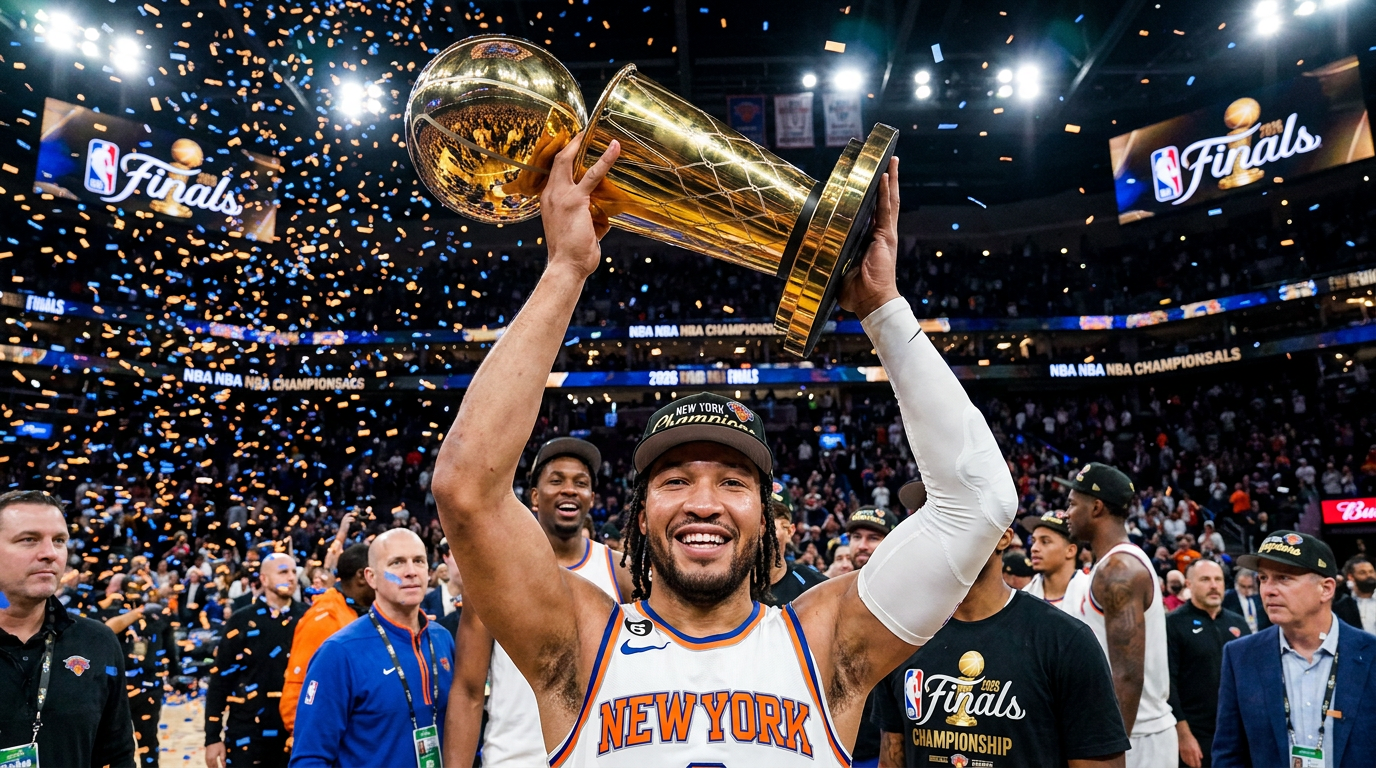
New York Knicks Win 2026 NBA Finals, Ending 53-Year Championship Drought
0 sources
NBA Finals
New York Knicks Capture First NBA Championship Since 1973
0 sources
Hockey Strategy
How the PWHL's 'Jailbreak' and 'No Escape' Rules Are Rewriting Hockey Strategy
0 sources
Every angle. Every day.
Get sports stories with full source coverage and perspective breakdowns delivered to your inbox.