
Global Equestrian Injury Report: Laura Collett and Marcus Ehning Complete Triumphant Returns
Olympic gold medalist Laura Collett and show jumping legend Marcus Ehning are back in the saddle following significant injuries, reshaping the competitive landscape ahead of the 2026 World Championships.
By Factlen Editorial Team
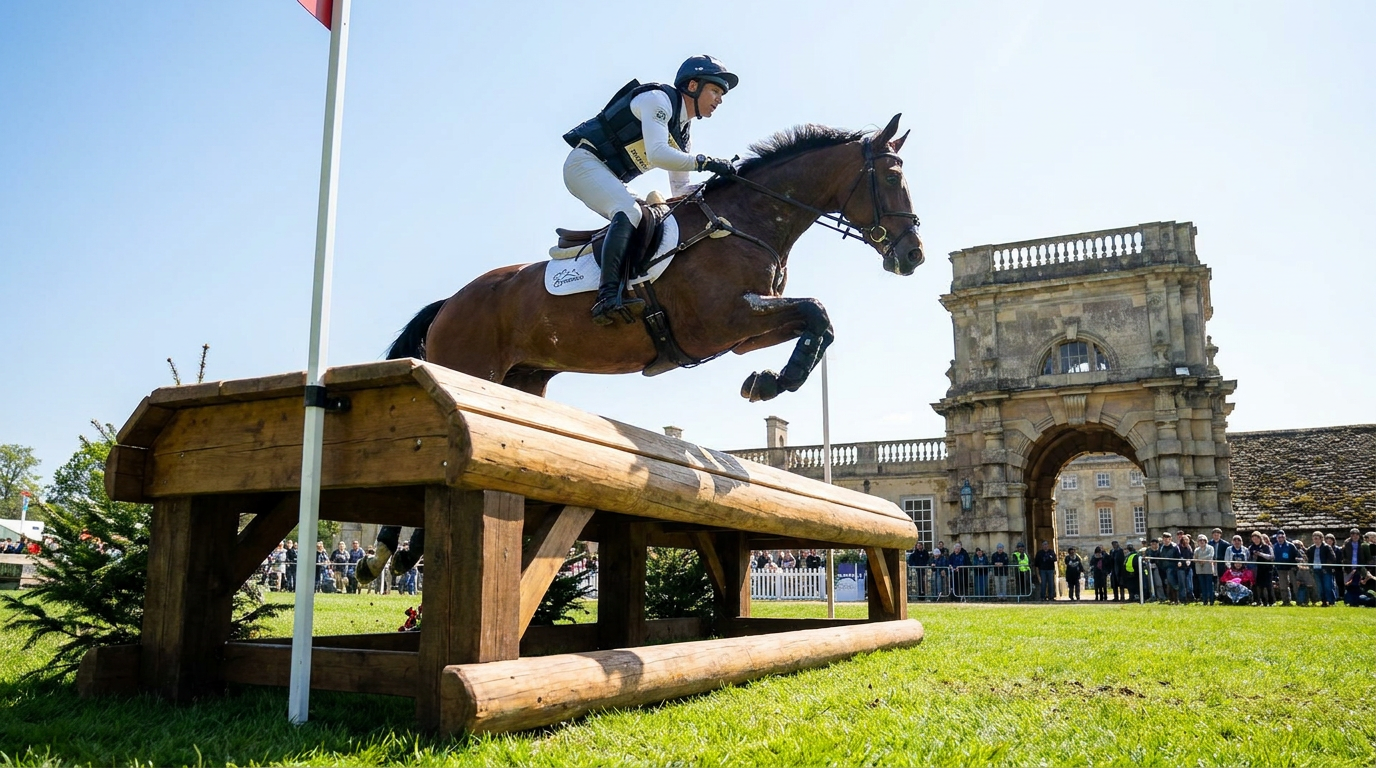
- Riders & Competitors
- Athletes view injuries as an occupational hazard that requires immense mental fortitude to overcome.
- National Federations
- Team selectors must balance an athlete's eagerness to return with the strategic need for peak performance at major championships.
- Safety & Medical Officials
- Medical professionals focus on improving protective gear and implementing strict, evidence-based recovery protocols.
What's not represented
- · Horse Owners & Syndicates
- · Equine Veterinarians
Why this matters
Injuries are an inevitable reality of equestrian sport, but the successful return of top-ranked riders reshapes the competitive landscape ahead of the 2026 World Championships in Aachen and highlights advancements in athlete rehabilitation.
Key points
- Laura Collett returned to eventing just two weeks after surgery to repair a re-injured collarbone.
- Collett has been named to the British nominated entries for the 2026 World Championships in Aachen.
- Marcus Ehning successfully returned to five-star show jumping in Paris after a knee injury sidelined him in January.
- Norwegian dressage rider Selina Solberg Vittinghus suffered broken ribs and a concussion during a forest hack.
- Vittinghus's injury forced her to withdraw from the 2026 Nordic Baltic Championships.
The grueling physical demands of equestrian sport mean that injury reports are a constant feature of the summer season, but July 2026 brings a wave of uplifting comebacks. As national federations finalize their rosters for the highly anticipated 2026 World Championships in Aachen, several of the sport's biggest names have successfully navigated grueling rehabilitation periods to return to the saddle. The resilience required to bounce back from shattered bones and joint surgeries is a hallmark of top-tier riders, and this month's updates underscore the remarkable medical and personal support systems that keep these athletes in the ring.[1]
Leading the charge is British eventing superstar and Olympic gold medalist Laura Collett, who has declared her team "full steam ahead" after a frustrating setback earlier this spring. In March 2026, Collett suffered a "freak fall" during a cross-country schooling session when low sun obscured her vision. The impact displaced a surgical plate from a previous collarbone fracture sustained in late 2025. While her horse was unharmed, Collett required immediate surgery to repair the damage and stabilize the bone.[1]
Her recovery, however, has been nothing short of blistering. Just two weeks post-operation, Collett was back in her "happy place," posting footage of intensive jumping lessons under the watchful eye of British Equestrian performance manager Dickie Waygood. Reporting that all her horses were "feeling fab," Collett immediately targeted the Barefoot Retreats Burnham Market and the prestigious Badminton Horse Trials to regain her competitive edge.[1]
Collett's swift return has massive implications for the global eventing landscape. In late June, British Equestrian confirmed its nominated entries for the 2026 World Championships in Aachen, and Collett, alongside her European champion mount London 52, was prominently featured on the 15-strong shortlist. Rejoining her Paris 2024 gold-medal-winning teammates Ros Canter and Tom McEwen, Collett's restored health solidifies Great Britain's status as the heavy favorites heading into August.[1]

In the show jumping arena, German legend Marcus Ehning has also completed a triumphant return following a forced break. Ehning announced in January that a severe knee injury would sideline him for several weeks, disrupting his early 2026 campaign. During his absence, his string of top-tier horses was kept fit by his brother Johannes and sister-in-law Kaya, ensuring that the mounts would be ready the moment Ehning was cleared to ride.[2]
In the show jumping arena, German legend Marcus Ehning has also completed a triumphant return following a forced break.
Ehning carefully orchestrated his comeback, initially testing his knee at local medium and advanced-level competitions in Borken before making his official international return at the five-star Saut Hermès in Paris. Riding Flower Girl and Priam du Roset, the three-time World Cup winner demonstrated that his signature precision and quiet riding style remain completely intact, setting him up for a strong summer push across the European circuit.[2]

However, the unpredictable nature of working with thousand-pound animals means that while some stars return, others are just beginning their recovery journeys. In early June, Norwegian Grand Prix dressage rider Selina Solberg Vittinghus suffered a severe accident while hacking in the forest. Her horse spooked and bucked her off, resulting in three broken ribs, a broken shoulder, a fractured collarbone, and a concussion.
The timing of the accident was devastating for Vittinghus, who serves as the head rider at the Atterupgaard breeding farm in Denmark. She had just been selected to represent the Norwegian Grand Prix team at the 2026 Nordic Baltic Championships in Sweden aboard the 13-year-old mare Atterupgaards Delorean. Despite the painful setback, Vittinghus maintained a positive outlook from her hospital bed, describing the incident as "not as dramatic as it might sound, just really bad luck."

The contrasting fortunes of Collett, Ehning, and Vittinghus highlight the intense focus on rider safety and rehabilitation protocols currently sweeping the sport. Medical experts at recent equestrian safety summits have emphasized that returning to the saddle requires not just physical healing, but meticulous neurological and psychological care. Concussion protocols, in particular, have been revamped to include light aerobic exercise early in the recovery process to stimulate brain healing.
For riders navigating the grueling months of physical therapy, the rehabilitation process often forces a complete shift in identity. As athletes rebuild their bodies, the ultimate reward is the moment they finally swing a leg back over their horse. With Collett and Ehning back at the pinnacle of their respective disciplines, the 2026 season serves as a powerful reminder of the resilience that defines equestrian sport.[1][2]
How we got here
January 2026
Marcus Ehning announces he will miss several weeks of competition due to a knee injury.
March 2026
Laura Collett suffers a freak fall in training, displacing a surgical plate and re-injuring her collarbone.
March 2026
Ehning returns to international five-star competition at the Saut Hermès in Paris.
April 2026
Collett returns to the saddle just two weeks post-surgery, resuming jumping lessons.
June 2026
Selina Solberg Vittinghus is injured during a forest hack, missing the Nordic Baltic Championships.
Late June 2026
Collett is officially named to the British nominated entries for the 2026 World Championships.
Viewpoints in depth
Riders & Competitors
Athletes view injuries as an occupational hazard that requires immense mental fortitude to overcome.
For professional equestrians, the physical pain of an injury is often eclipsed by the mental toll of being sidelined. Riders frequently describe the rehabilitation period as a test of identity, where their daily routine shifts from training elite horses to grueling physical therapy sessions. The drive to return is fueled not just by competitive ambition, but by the deep bond they share with their equine partners. When a rider like Laura Collett pushes through a second collarbone surgery to return in just two weeks, it reflects a deeply ingrained culture of resilience and a refusal to let an accident dictate the end of a season.
National Federations
Team selectors must balance an athlete's eagerness to return with the strategic need for peak performance at major championships.
For organizations like British Equestrian, managing injured star athletes is a delicate balancing act. Federations rely heavily on their proven medalists to anchor teams at events like the World Championships. However, selectors cannot risk fielding a compromised rider. They work closely with performance managers and medical staff to ensure that a rider's return to competition is genuinely supported by their physical readiness. Collett's inclusion on the nominated entry list for Aachen indicates that the federation's medical team is fully confident in her surgical recovery and current form.
Safety & Medical Officials
Medical professionals focus on improving protective gear and implementing strict, evidence-based recovery protocols.
The medical community surrounding equestrian sport is constantly pushing to modernize recovery protocols, particularly concerning concussions and structural fractures. Organizations like the USEF and FEI have invested heavily in tracking fall data to better understand injury mechanisms. Medical officials stress that while riders are eager to rush back, structured rehabilitation—including light aerobic exercise for brain injuries and adequate bone-healing time for fractures—is essential for long-term health. Their goal is to shift the culture from simply 'toughing it out' to prioritizing sustainable, complete recoveries.
What we don't know
- Whether Laura Collett will be selected for the final five-rider squad for the World Championships in Aachen.
- The exact timeline for Selina Solberg Vittinghus's return to international Grand Prix dressage competition.
Key terms
- Nominated Entries
- A shortlist of horse-and-rider combinations submitted by a national federation prior to a major championship, from which the final team will be selected.
- Five-Star (CSI5* / CCI5*)
- The highest level of international equestrian competition recognized by the FEI, featuring the most difficult courses and the world's top-ranked riders.
- Grand Prix
- The highest level of competition in dressage and show jumping, featuring the most complex movements or the largest fences.
- Nordic Baltic Championships
- A major regional equestrian championship featuring competitors from Denmark, Finland, Norway, Sweden, and other neighboring nations.
Frequently asked
How quickly did Laura Collett return to riding?
Laura Collett returned to the saddle just two weeks after undergoing surgery to repair a re-injured collarbone.
Will Laura Collett compete at the 2026 World Championships?
She is highly likely to compete, as she has been named to the 15-strong nominated entries list for Great Britain ahead of the Aachen championships.
What injury did Marcus Ehning suffer?
Marcus Ehning suffered a severe knee injury in January 2026 that kept him out of the saddle for several weeks.
How was Selina Solberg Vittinghus injured?
Vittinghus was bucked off her horse when it spooked during a routine hack in the forest, resulting in broken ribs, a broken shoulder, and a concussion.
Sources
Source coverage
2 outlets
3 viewpoints surfaced


[1]Horse & HoundNational Federations
Laura Collett 'full steam ahead' to eventing return following surgery
Read on Horse & Hound →[2]Equi-PagesRiders & Competitors
Forced break over – Marcus Ehning is riding again
Read on Equi-Pages →
More in sports
See all 9 stories →Transfer Market
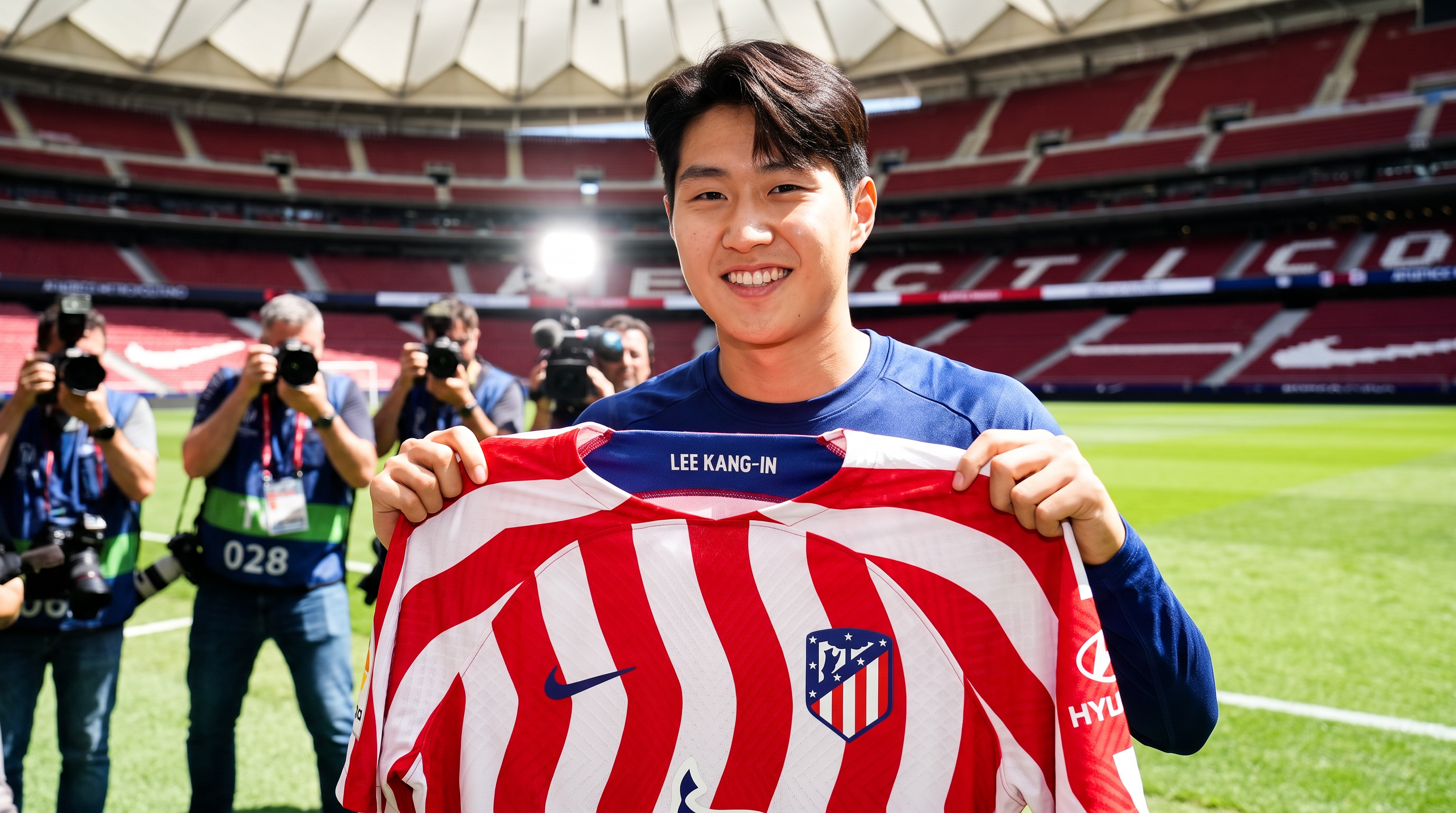
Atletico Madrid Secures South Korean Star Lee Kang-In in €40 Million Transfer from PSG
6 sources
PGA Tour History
Michael Kim Shoots Historic 59 at 3M Open, Becomes 15th Player in PGA Tour History to Break 60
6 sources
Women's Soccer Growth
NWSL Shatters Attendance and Viewership Records at 2026 Midseason Mark
7 sources
Hungarian Grand Prix
Ferrari Dominates Hungarian Grand Prix Friday Practice as Leclerc and Hamilton Set the Pace
6 sources
Every angle. Every day.
Get sports stories with full source coverage and perspective breakdowns delivered to your inbox.