
How to Navigate National Park Permit Lotteries as Iconic Trails Cap Visitor Surges
With national park visitation exceeding 325 million, officials are expanding permit lotteries for iconic hikes like Angels Landing and Half Dome to prevent dangerous bottlenecks. Here is how the systems work, why they improve trail safety, and how to secure your spot.

Share this story
The American wilderness has never been more popular. In recent years, the National Park Service has recorded over 325 million annual recreational visits, a massive surge driven by social media and a post-pandemic hunger for outdoor adventure. While this boom in nature appreciation is a victory for public health, it has placed unprecedented strain on the country's most iconic hiking trails.[1]
For decades, trails like Yosemite's Half Dome and Zion's Angels Landing operated on a first-come, first-served basis. But as visitor numbers skyrocketed, these steep, exposed routes transformed into dangerous bottlenecks. Hikers found themselves standing shoulder-to-shoulder on narrow sandstone fins or clinging to metal cables for hours while waiting for traffic to clear.[2]
To solve this safety crisis and protect fragile ecosystems, park officials have increasingly turned to permit lotteries. By capping the daily number of hikers allowed on specific routes, the National Park Service has successfully eliminated the deadly traffic jams of the past decade, trading spontaneous access for guaranteed safety and a vastly improved wilderness experience.[1][2][4]
As the 2026 summer season approaches, understanding these lotteries is more critical than ever. In a major policy shift, several highly trafficked parks—including Glacier, Mount Rainier, Arches, and Yosemite—have dropped their pandemic-era vehicle timed-entry systems. With the park gates wide open again, trail-specific permits have become the primary mechanism for managing crowds.
The gateway to these restricted trails is Recreation.gov, the federal portal that manages almost all public land lotteries. The system generally divides permits into two distinct phases: the seasonal lottery and the day-before lottery, ensuring that both meticulous planners and spontaneous travelers have a chance to secure access.[2][3]
The seasonal lottery requires hikers to plan months in advance. For example, Zion National Park opens its spring Angels Landing lottery in January, allowing applicants to rank up to seven preferred dates and time slots. This ranked-choice system maximizes the chances of securing a permit, though weekends and holidays remain fiercely competitive.[2][3]
For those who miss the seasonal window, the day-before lottery offers a second chance. Opening at 12:01 a.m. the day prior to the hike, this rapid-fire drawing reallocates canceled permits and holds back a small reserve for last-minute visitors. Applicants are notified by mid-afternoon, allowing them to finalize their next-day itinerary.[2][3]
The financial mechanics of the system are designed to fund trail maintenance and administrative overhead. Entering a lottery typically requires a non-refundable $6 application fee, which covers a group of up to six people. If selected, hikers are automatically charged a per-person recreation fee—usually around $3 to $7—which directly funds the rangers who patrol the trails and check permits.[1][3]
Enforcement is strict, and the stakes for non-compliance are high. Hiking a permitted trail like Angels Landing without authorization is a federal violation under the Code of Federal Regulations. Violators face fines of up to $5,000 and potential jail time, and rangers are stationed at trailheads and along the routes to verify digital or printed confirmation emails against government-issued IDs.[2]
Permits are also strictly non-transferable. This policy was implemented to prevent scalping and the rise of secondary markets, ensuring that access to public lands remains equitable rather than going to the highest bidder. If a group size decreases, the original applicant can secure a partial refund, but they cannot hand the permit to another hiker.[2][3]
Beyond human safety, the permit system serves a vital conservation role. The surge in foot traffic accelerates soil erosion, damages delicate flora, and disrupts local wildlife. By strictly limiting access—such as capping Zion's fragile Subway trail to just 60 hikers per day—the park service prevents millions of footprints from permanently degrading the landscape.[4]
The safety benefits on the most extreme trails are undeniable. At Half Dome, where hikers must ascend a 400-foot sheer granite face using anchored cables, the pre-lottery era saw terrifying gridlock. Today, the strict cap of 300 daily hikers ensures that individuals can ascend and descend at a safe pace, significantly reducing the risk of fatigue-induced falls.
Securing a permit requires strategy. Experts recommend applying for mid-week dates, avoiding major holidays, and utilizing the ranked-choice options to select less popular afternoon time slots. Flexibility is the greatest asset for modern park visitors; those willing to hike on a Tuesday afternoon have a vastly higher success rate than those aiming for a Saturday morning.[3]
While the transition to a lottery system has frustrated some visitors accustomed to the walk-up access of the past, the consensus among outdoor advocates is that the trade-off is worth it. The permit system ensures that when a hiker finally steps onto the spine of Angels Landing or the summit of Half Dome, they experience the majesty of the wilderness as it was meant to be seen—safe, preserved, and uncrowded.[4]
Key points
- National Park visitation has surged past 325 million, prompting stricter crowd-control measures.
- Iconic trails like Angels Landing and Half Dome now require permits obtained through online lotteries.
- The permit systems have successfully eliminated dangerous bottlenecks on steep, exposed hiking routes.
- Major parks are dropping vehicle timed-entry in 2026, making trail permits the primary access tool.
What we don’t know
- Whether the removal of vehicle timed-entry in 2026 will lead to a resurgence of parking lot gridlock at major trailheads.
- If the National Park Service plans to expand the lottery system to less famous, 'second-tier' trails as crowds disperse.
How we got here
2013
Yosemite National Park implements a strict lottery system for the Half Dome cables to reduce dangerous overcrowding.
2020
The pandemic triggers a massive surge in outdoor recreation, pushing total national park visits past 300 million.
April 2022
Zion National Park launches the Angels Landing pilot permit program in response to severe trail bottlenecks.
January 2024
Recreation.gov standardizes the application fee structure across multiple federal land lotteries.
January 2026
Major parks including Glacier, Yosemite, and Mount Rainier drop vehicle timed-entry systems, shifting crowd-control focus entirely to specific trail permits.
- Conservationists & Park Officials
- Argues that strict lotteries are the only viable tool to prevent irreversible erosion and protect fragile ecosystems from over-visitation.
- Safety Advocates
- Focuses on the critical need to reduce dangerous bottlenecks on steep, exposed routes to prevent fatal falls and facilitate emergency rescues.
- Outdoor Recreation Planners
- Emphasizes the necessity of equitable, randomized access systems to manage overwhelming demand fairly.
Perspectives this story doesn't cover
- Local Gateway Communities
- International Tourists
Sources
Source coverage
4 outlets
3 viewpoints surfaced



- [1]The Washington PostSafety Advocates
To control crowds, several parks require a permit to park, hike, drive a scenic route
Read on The Washington Post → - [2]National Park ServiceConservationists & Park Officials
Angels Landing Pilot Permit Program
Read on National Park Service → - [3]Recreation.govOutdoor Recreation Planners
Angels Landing Seasonal Lottery
Read on Recreation.gov → - [4]National Parks Conservation AssociationConservationists & Park Officials
A Visitor's Guide to National Park Reservations
Read on National Parks Conservation Association →

More in Fitness
See all →Exercise Science
Three Minutes of Sprinting Triggers More Molecular Change Than 90 Minutes of Moderate Exercise
4 sources

Trail Designations
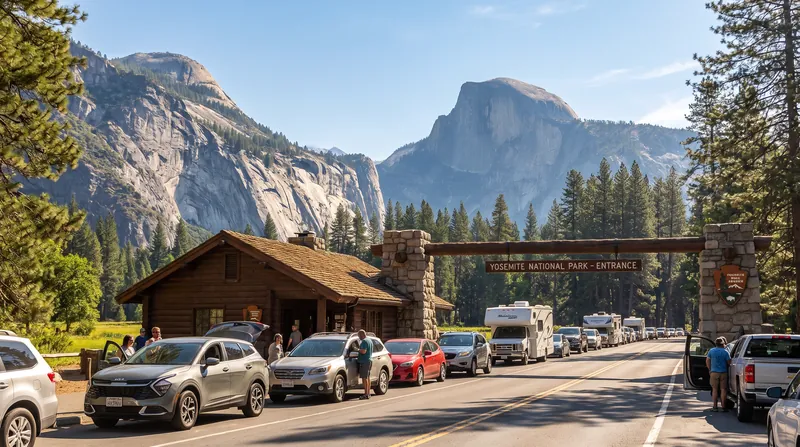
Interior Designates Six New National Trails, Including Route Within Bears Ears National Monument
6 sources
National Parks
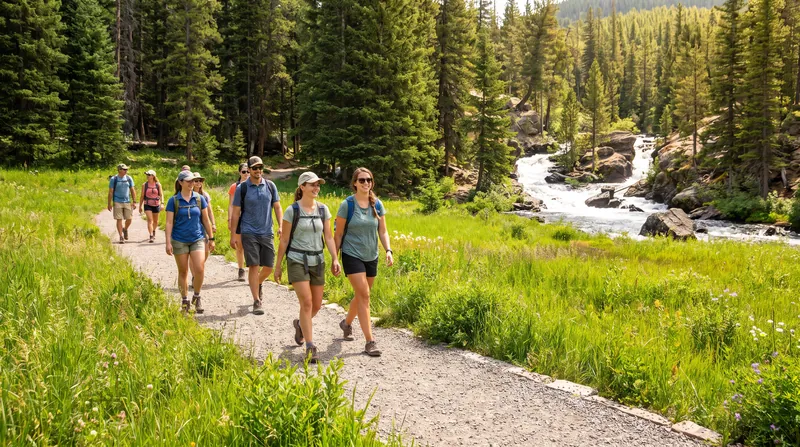
Interior Secretary Mandates End to Timed Entry Reservations at Yosemite, Glacier, and Arches
6 sources
Outdoor Economy
Record $1.3 Trillion Outdoor Recreation Economy Driven by Historic Participation Surge and Demographic Shift
2 sources
Comments
Every angle. Every day.
Get Fitness stories with full source coverage and perspective breakdowns, free every day.