
Pueblo Leaders Oppose Federal Plan to Remove Oil and Gas Buffer Near Chaco Canyon
Representatives from 20 Pueblos and New Mexico lawmakers are urging the federal government to maintain a 10-mile protective buffer around Chaco Culture National Historical Park, while Navajo Nation leaders argue the restrictions harm local economic interests.
By Nabil Faris
Share this story
Representatives from 20 sovereign Pueblos joined New Mexico's congressional delegation in Washington, D.C., this week to fiercely oppose a federal proposal that would open the lands surrounding Chaco Culture National Historical Park to oil and gas drilling. The coalition delivered a unified and urgent message to the Bureau of Land Management, declaring that the sacred landscape is "not for sale" and urging the administration to halt its fast-tracked environmental review.
The press conference highlighted a growing clash over the future of public lands, pitting the preservation of ancient Indigenous heritage against the federal government's renewed push for domestic energy dominance. For the Pueblo leaders in attendance, the fight is about protecting a living connection to their ancestors, whose architectural and cultural achievements still define the high desert of the American Southwest.[1][5]
At the center of the escalating dispute is a 10-mile buffer zone established in 2023 by then-Interior Secretary Deb Haaland. The Public Land Order placed a strict 20-year moratorium on all new federal oil and gas leasing across approximately 336,400 acres of federal land encircling the historical park.
The Biden-era protection was widely celebrated by Pueblo leaders and conservationists as a necessary shield for a region that contains thousands of unexcavated archaeological sites, ancient subterranean kivas, and complex ancestral roads linked to the Chacoan cultural system. Proponents of the buffer have long argued that the invisible boundaries of the national park do not adequately encompass the vast network of sacred sites that radiate outward from the canyon's center, making the surrounding federal lands equally deserving of strict preservation.[2]
Now, the Bureau of Land Management is advancing a Draft Environmental Assessment that threatens to undo those hard-fought protections. The newly released document outlines three potential paths forward for the region: maintaining the current 10-mile withdrawal, reducing the protective buffer to a mere five miles, or fully revoking the protections to allow unrestricted mineral leasing right up to the park's borders.
Compounding the controversy, the agency opened a highly compressed 14-day public comment period on July 14, giving stakeholders only until July 29 to weigh in on a decision that could fundamentally alter the landscape. Critics have blasted the abbreviated timeline as a purposeful attempt to bypass meaningful public scrutiny, noting that the original 2023 withdrawal was the result of years of extensive public meetings and tribal consultations.[5]
For Pueblo communities across New Mexico and Texas, the stakes of the current federal review are entirely existential. All Pueblo Council of Governors Chairman Joey Sanchez emphasized during the Capitol Hill gathering that Chaco Canyon is not merely a museum or a static relic of the past, but a vibrant, living cultural landscape that remains central to their prayers, pilgrimages, and modern identity.
Democratic lawmakers, including U.S. Representative Gabe Vasquez and Senator Martin Heinrich, echoed this profound sentiment, calling the potential revocation an "absolute gut punch" to New Mexico's tribes. They argued that the state, which is already the second-largest oil producer in the country, can easily meet its energy needs without sacrificing its most irreplaceable and sacred places to industrial development.[1][5]
Environmental and archaeological organizations have also mobilized rapidly against the proposed rollback, warning of catastrophic consequences for the region's delicate ecosystem. Groups like the National Parks Conservation Association and Archaeology Southwest argue that the Greater Chaco region has already suffered significant degradation from decades of nearby extraction, which has fragmented wildlife habitats and compromised local air and water quality.
They warn that bringing heavy pumpjacks, pipelines, and industrial traffic closer to the UNESCO World Heritage Site would irreparably damage the ecological integrity of the area. Furthermore, archaeologists caution that the vibrations and pollution associated with intensive drilling could threaten the structural stability of the millennium-old multi-story masonry complexes that make Chaco Canyon a site of global historical significance.[6]
However, the push to maintain the 10-mile buffer is not universally supported across all Indigenous communities in the Southwest. Leaders of the Navajo Nation, whose sovereign lands physically surround Chaco Canyon, have consistently and strongly opposed the exclusion zone.
Navajo Nation President Buu Nygren recently reaffirmed his administration's staunch stance in favor of a "zero-mile buffer," arguing that the 2023 withdrawal fundamentally infringed upon Navajo sovereignty and bypassed the pressing economic needs of local chapters. From the perspective of the Navajo executive branch, the federal government's blanket ban on leasing represents an overreach that unfairly dictates land use policies in areas where Navajo citizens have lived and worked for generations.[3]
The economic reality for many Navajo citizens living in the Greater Chaco region is deeply and inextricably tied to energy development. Thousands of Navajo allottees hold surface and subsurface mineral rights in the area, and they rely heavily on the royalties generated by oil and gas extraction to support their families and fund basic community infrastructure.
Navajo Council Delegate Brenda Jesus and other tribal officials have argued that cultural resources are already adequately protected by existing tribal and federal preservation laws, such as the National Historic Preservation Act. They contend that the blanket leasing ban imposes an unnecessary and unjust economic burden on individual allottees who were largely left out of the decision-making process when the buffer was initially established.[4]
Yet, perspectives within the Navajo Nation are far from monolithic, and internal divisions over the future of the landscape remain sharp. Diné environmental activists and community members living in close proximity to existing extraction sites have voiced serious concerns about the severe health impacts of living alongside heavy industry.
Advocates like Mario Atencio, whose family holds allotments directly within the contested buffer zone, have fiercely criticized the push for more drilling. They point to the hundreds of tons of cancer-causing chemicals and pollutants routinely released into the local airshed by oil and gas operations, warning that revoking the protections would give the federal government and fossil fuel companies "free rein to pollute the land" at the expense of public health.[1][4]
The escalating debate over Chaco Canyon is unfolding against the broader backdrop of a sweeping federal shift in public lands management under the current administration. The White House has aggressively prioritized domestic energy production, seeking to reverse several high-profile conservation orders and open millions of acres of federal land across the American West to the oil and gas industry.
Supporters of the rollback argue that these deregulatory policy changes are absolutely necessary to stimulate regional economic growth, lower energy costs, and maximize the utility of resource-rich public lands. For these proponents, the Chaco buffer represents an overly restrictive environmental policy that unnecessarily strands valuable natural resources and stifles local job creation.[6]
As the July 29 deadline for public comment rapidly approaches, both sides of the debate are significantly ramping up their outreach and lobbying efforts. Pueblo leaders, environmental coalitions, and New Mexico's congressional delegation are formally demanding a 90-day extension for the review process, insisting that the federal government must conduct meaningful, government-to-government consultation with all affected tribes before making a final determination.
As the July 29 deadline for public comment rapidly approaches, both sides of the debate are significantly ramping up their outreach and lobbying efforts.
Meanwhile, energy advocates and Navajo allottees are pressing the Bureau of Land Management to finalize the revocation without delay. Regardless of which alternative the agency ultimately selects, the decision is almost certain to trigger a protracted legal and political battle over the future of one of North America's most contested and culturally significant landscapes.[2][5]
Key points
- Pueblo leaders and New Mexico lawmakers are urging the BLM to keep a 10-mile drilling buffer around Chaco Canyon.
- The 2023 moratorium protects over 330,000 acres of federal land from new oil and gas leasing for 20 years.
- The BLM is currently reviewing options to keep, reduce, or completely revoke the buffer zone.
- Navajo Nation leaders and allottees oppose the buffer, citing economic reliance on oil and gas royalties.
Open questions
- Whether the Bureau of Land Management will extend the 14-day public comment period in response to pressure from lawmakers.
- Which of the three proposed alternatives the federal government will ultimately select.
- How potential legal challenges from environmental groups or tribal nations might delay the implementation of any policy changes.
Timeline
2023
Interior Secretary Deb Haaland establishes a 20-year moratorium on new oil and gas leasing within 10 miles of Chaco Canyon.
April 2026
The Bureau of Land Management initiates a scoping period to reconsider the buffer, drawing criticism for its short timeline.
July 14, 2026
The BLM releases a Draft Environmental Assessment and opens a 14-day public comment period on options to reduce or revoke the buffer.
July 22, 2026
Pueblo leaders and New Mexico lawmakers hold a press conference in Washington, D.C., to fiercely oppose the rollback.
July 29, 2026
The public comment period for the proposed environmental assessment officially closes.
- Pueblo Leaders & Conservationists
- Advocate for maximum protection of the Greater Chaco landscape to preserve irreplaceable cultural heritage and ecological health.
- Navajo Leadership & Allottees
- Oppose the buffer zone, prioritizing tribal sovereignty, property rights, and the economic livelihoods of Navajo citizens.
- Federal Energy Proponents
- Seek to open public lands to oil and gas development to boost domestic energy production and regional economies.
- Diné Environmental Activists
- Navajo community members who oppose drilling due to the localized health and environmental impacts of extraction.
Perspectives this story doesn't cover
- Oil and gas industry executives operating in the San Juan Basin
- Local non-Indigenous residents of San Juan and McKinley counties
Sources
Source coverage
6 outlets
4 viewpoints surfaced





- [1]High Country NewsPueblo Leaders & Conservationists
Pueblo leaders, New Mexico lawmakers speak out to protect Chaco Canyon
- [2]KUNMPueblo Leaders & Conservationists
Pueblo leaders oppose a 2-week comment period to remove oil and gas buffer near Chaco Canyon
- [3]Navajo TimesNavajo Leadership & Allottees
Chaco buffer fight far from over, allottee says
- [4]KJZZDiné Environmental Activists
Diné activist Mario Atencio driving around the 10-mile buffer zone near Chaco Canyon
- [5]NM Political ReportPueblo Leaders & Conservationists
Pueblo governors joined New Mexico's entire congressional delegation Wednesday to defend federal protections
- [6]Conservation Lands FoundationPueblo Leaders & Conservationists
The Department of the Interior's Proposal Provides Only 7 Days to Weigh-In

More in Community
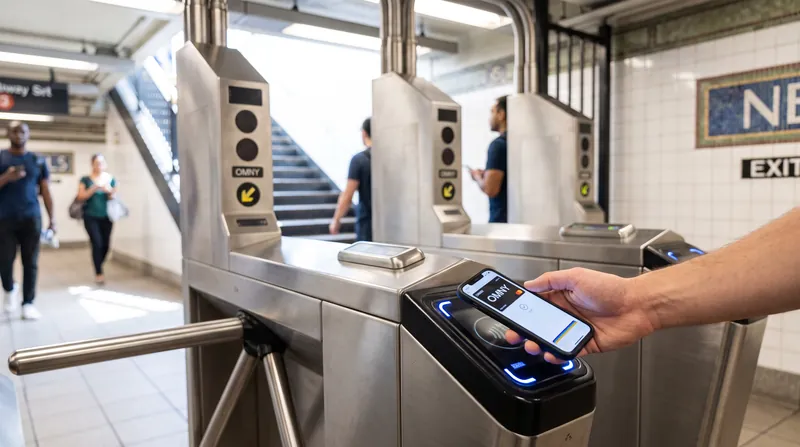
See all →Transit Equity
NYC Expands 'Fair Fares' Transit Discount, Raising Eligibility to 150% of Poverty Level
4 sources
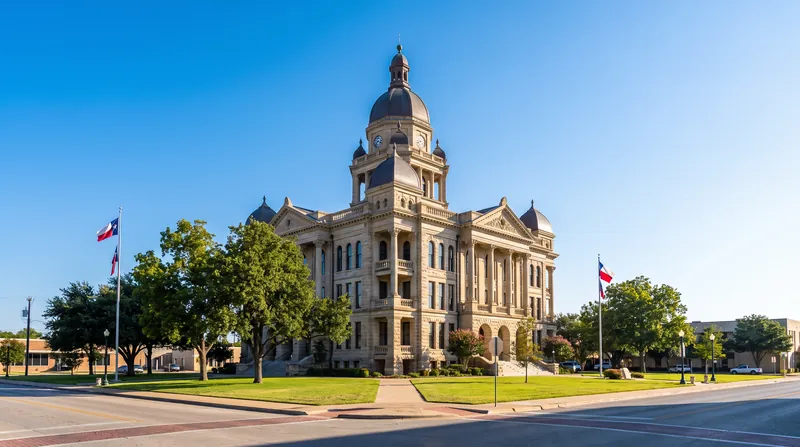
Data Center Policy
Denton City Council Votes to Begin Process for Data Center Moratorium
6 sources
Municipal Elections
Florida Judge Clears Way for Deerfield Beach Vote to Shift Elections and Extend Commission Terms
6 sources
Zoning Reform
Ashland City Council Eliminates Public Hearings and Neighbor Notification for New Housing Projects
5 sources
Comments
Every angle. Every day.
Get Community stories with full source coverage and perspective breakdowns, free every day.