
FTA Shifts $610M Bus Grant Priority to Low-Emission, De-Prioritizing Zero-Emission Vehicles
The Federal Transit Administration has opened applications for $610 million in 2026 bus grants, explicitly prioritizing low-emission vehicles like propane and hybrids over battery-electric models.
By Tao Yang

The Federal Transit Administration has opened the application window for $610 million in transit bus grants for fiscal year 2026, introducing a significant pivot in federal funding strategy. Stated plainly: the government is now prioritizing low-emission vehicles—such as propane, compressed natural gas, and hybrid-electric buses—over zero-emission battery-electric models.
This marks a departure from recent years, where pure electrification was the primary objective for federal transit dollars. For local transit agencies, city planners, and taxpayers, this shift alters the calculus of how to replace aging diesel fleets, favoring pragmatic, immediate upgrades over complex, infrastructure-heavy electrification projects.[1][2]
The $610 million pool is divided between two primary streams. The vast majority, approximately $589 million, is channeled through the Low or No Emission Grant Program, which specifically targets the acquisition of cleaner vehicles and their supporting infrastructure.
The remaining $21 million is allocated to the Grants for Buses and Bus Facilities Program, a broader initiative that supports the purchase, rehabilitation, and leasing of standard buses and the construction of maintenance depots. Local governments, transit authorities, and federally recognized tribes have until September 21, 2026, to submit their proposals through the federal portal.[3][4]
The most consequential detail in the new Notice of Funding Opportunity is the explicit directive regarding vehicle types. The FTA stated that it intends to prioritize low-emission projects over zero-emission projects to the maximum extent permitted by law.
In practical terms, a low-emission bus is one that significantly reduces harmful exhaust compared to traditional diesel but still utilizes an internal combustion engine or a hybrid powertrain. This includes propane autogas, compressed natural gas (CNG), and diesel-electric hybrids. By elevating these technologies, the federal government is signaling a preference for proven, readily deployable solutions.[1][3]
To understand why this matters to a local transit director, one must look at the hidden costs of zero-emission fleets. Transitioning a municipal bus depot to support battery-electric vehicles is not merely a matter of buying new buses.
It requires a fundamental redesign of the facility, including the installation of high-capacity charging dispensers, massive electrical substations, and often years of coordination with local utility companies to ensure the grid can handle the megawatt-level demand. For many mid-sized cities and rural transit operators, these infrastructure hurdles have proven to be financially and logistically prohibitive.[2][5]
By contrast, low-emission alternatives offer a more accessible on-ramp to fleet modernization. Propane autogas and CNG buses utilize fueling infrastructure that is significantly cheaper to install and requires far less lead time than high-voltage electrical upgrades. Industry advocates note that agencies can utilize existing alternative-fuel networks or build new dispensing stations at a fraction of the cost of a battery-electric depot. This allows transit authorities to replace a larger number of heavily polluting, legacy diesel buses immediately, achieving tangible air quality improvements without waiting for grid expansions.[5][6]
The federal grants are structured to heavily subsidize these transitions, but they still require local financial commitment. Under the program's rules, the federal government will cover up to 85 percent of the cost for buses that comply with the Clean Air Act or the Americans with Disabilities Act.
For the related facilities and equipment—such as the actual fueling stations or maintenance bay upgrades—the federal share can reach 90 percent. This cost-sharing model means that a transit agency's local matching funds can stretch considerably further when purchasing less expensive low-emission buses compared to premium-priced battery-electric models.[1][4]
While the broader priority has shifted toward low-emission technologies, zero-emission projects have not been entirely excluded from the competitive landscape. However, the criteria for battery-electric and hydrogen fuel-cell applications have become significantly more stringent. The FTA has indicated that among zero-emission proposals, it will prioritize those that are highly innovative, specifically highlighting projects that incorporate automated vehicle technology. This suggests that pure electrification grants will increasingly be reserved for advanced, forward-looking pilot programs rather than standard municipal fleet replacements.[1][2]
The immediate challenge for transit agencies is adjusting their long-term procurement strategies to match the new federal posture. Many cities have spent the last several years drafting comprehensive zero-emission transition plans, anticipating continued federal backing for battery-electric buses.
With the September 2026 application deadline approaching rapidly, grant writers and transit planners must now pivot, conducting rapid cost-benefit analyses to determine whether a low-emission propane or hybrid fleet makes more sense for their immediate operational needs. The long-term durability of this policy shift remains an open question, but for the current funding cycle, the directive is clear: pragmatic, deployable emissions reductions are the priority.[2][5]
Key points
- The Federal Transit Administration has opened applications for $610 million in transit bus grants for fiscal year 2026.
- The agency is explicitly prioritizing low-emission vehicles, such as propane and hybrid buses, over zero-emission battery-electric models.
- The shift aims to help transit agencies modernize fleets rapidly without the massive infrastructure delays associated with electrical grid upgrades.
- Applications for the $589 million Low or No Emission Program and the $21 million Bus Facilities Program are due September 21, 2026.
What we don’t know
- Whether this prioritization of low-emission vehicles will persist in future funding cycles beyond 2026.
- How many transit agencies will pivot their existing zero-emission transition plans to apply for low-emission grants before the September deadline.
- The exact impact this policy shift will have on the domestic battery-electric bus manufacturing industry.
How we got here
November 2025
The FTA awards $2 billion in the previous funding cycle, heavily supporting zero-emission transit projects across 45 states.
July 27, 2026
The FTA issues the FY 2026 Notice of Funding Opportunity, officially shifting priority to low-emission projects.
September 21, 2026
The deadline for local transit agencies and governments to submit their grant applications.
December 2026
Expected announcement of the final project selections and grant awards.
- Pragmatic Fleet Modernizers
- Focus on immediate deployment, cost-effectiveness, and proven technology to replace aging diesel fleets.
- Alternative Fuel Proponents
- Emphasize the infrastructure advantages and lower upfront costs of propane and compressed natural gas.
- Federal Policymakers
- Focus on maximizing the reach of federal dollars and ensuring statutory compliance with funding floors.
Perspectives this story doesn't cover
- Utility companies managing grid upgrades
- Riders relying on municipal transit systems
- Zero-emission bus manufacturers
Sources
Source coverage
6 outlets
3 viewpoints surfaced






- [1]U.S. Department of TransportationFederal Policymakers
Fiscal Year 2026 Competitive Funding Opportunity: Low or No Emission Program
Read on U.S. Department of Transportation → - [2]Smart Cities DivePragmatic Fleet Modernizers
FTA opens $610M in transit agency bus grants
Read on Smart Cities Dive → - [3]Mass TransitFederal Policymakers
FTA issues NOFO for $610 million in bus grant funding
Read on Mass Transit → - [4]AASHTO JournalPragmatic Fleet Modernizers
FTA Makes $610M Available for Bus Improvements
Read on AASHTO Journal → - [5]National Propane Gas AssociationAlternative Fuel Proponents
FTA Reopens $610 Million in Transit Grants
Read on National Propane Gas Association → - [6]GetAvilaPragmatic Fleet Modernizers
FTA Bus & Low-No Grants: $610M for Transit Bus Fleets and Facilities (FY 2026)
Read on GetAvila →
More in Automotive & Transportation
See all →Bus Rapid Transit
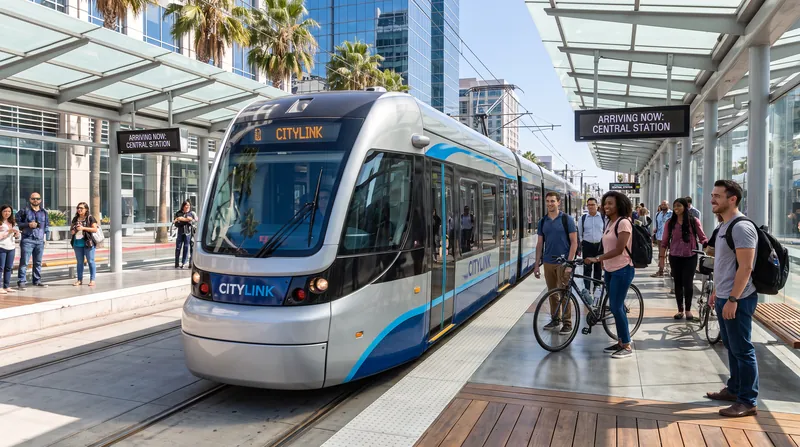
How Dedicated Lanes and Signal Priority Allow Bus Rapid Transit to Match Light Rail Speeds
8 sources

Rail Decarbonization
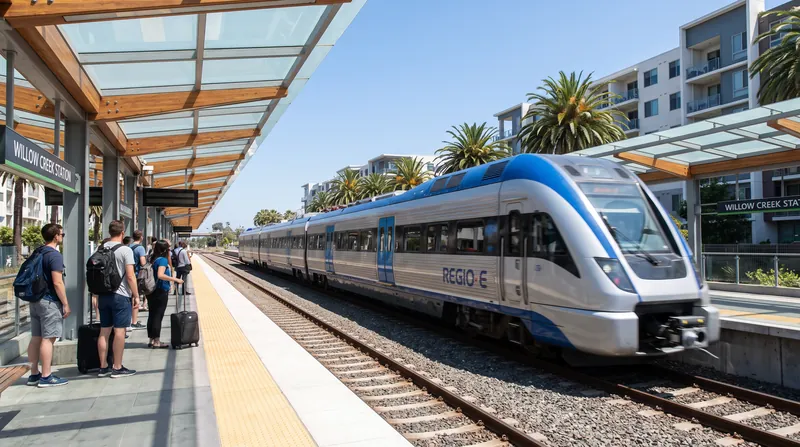
Bridging the Catenary Gap: How Battery-Electric Trains Are Decarbonizing Regional Transit
6 sources
Brake Architecture
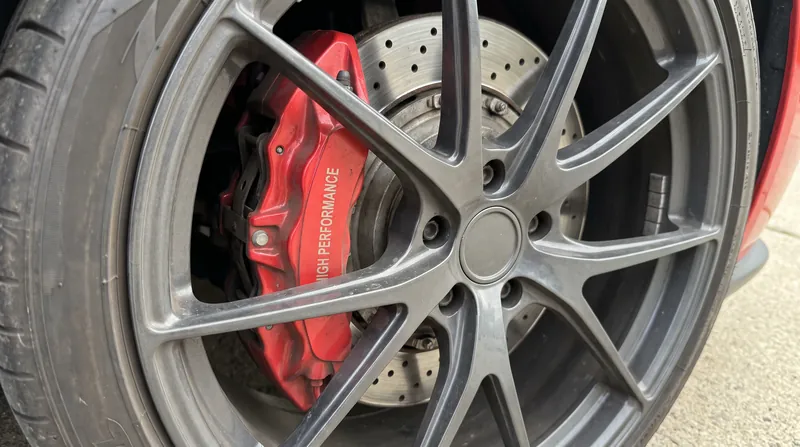
Fixed vs. Floating Brake Calipers: How Hardware Choices Dictate Maintenance Costs and Stopping Power
4 sources
EV Powertrains
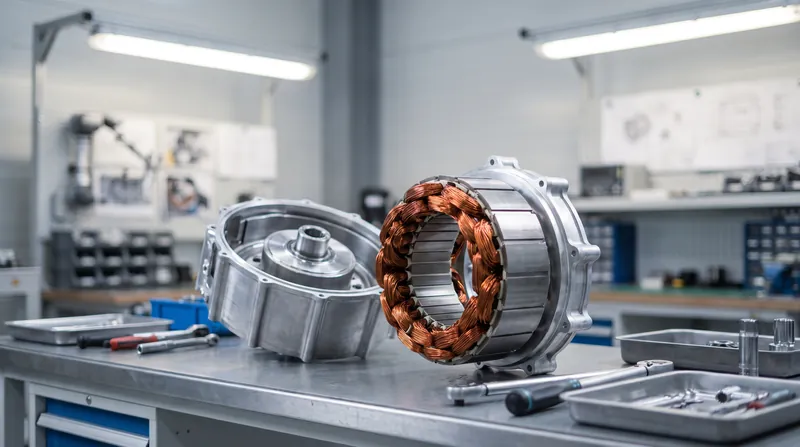
Permanent Magnet vs. Induction: The Trade-Offs Between EV Motor Types on Efficiency and Cost
3 sources
Comments
Every angle. Every day.
Get Automotive & Transportation stories with full source coverage and perspective breakdowns, free every day.