
FISA Section 702 Set to Expire as House Rejects Surveillance Extension
The U.S. government's sweeping warrantless surveillance program will lapse at midnight after a bipartisan coalition tanked a short-term extension over privacy concerns and intelligence leadership.
By Factlen Editorial Team
- Privacy & Reform Coalition
- Argues that the law's expiration is a necessary leverage point to force a warrant requirement for searching Americans' data.
- National Security Establishment
- Argues that allowing Section 702 to lapse endangers intelligence gathering ahead of major global events.
- Executive Oversight Advocates
- Focuses on the immediate trigger for the lapse: opposition to the appointment of a partisan loyalist to lead the intelligence community.
What's not represented
- · Foreign nationals subject to surveillance
- · Tech companies compelled to provide data
Why this matters
Section 702 is the U.S. government's most powerful foreign surveillance tool, but its dragnet routinely sweeps up the private texts, emails, and calls of American citizens. The law's expiration forces a high-stakes showdown over whether intelligence agencies should be required to get a warrant before searching your digital data.
Key points
- FISA Section 702 is set to expire at midnight on Friday after the House rejected a short-term extension in a 218-198 vote.
- The vote failed amid Democratic protests over President Trump's appointment of a partisan loyalist to lead the intelligence community.
- A bipartisan coalition of privacy advocates is using the lapse as leverage to demand a warrant requirement for searching Americans' data.
- Despite warnings of 'going dark,' existing data collection is legally grandfathered and will continue uninterrupted through March 2027.
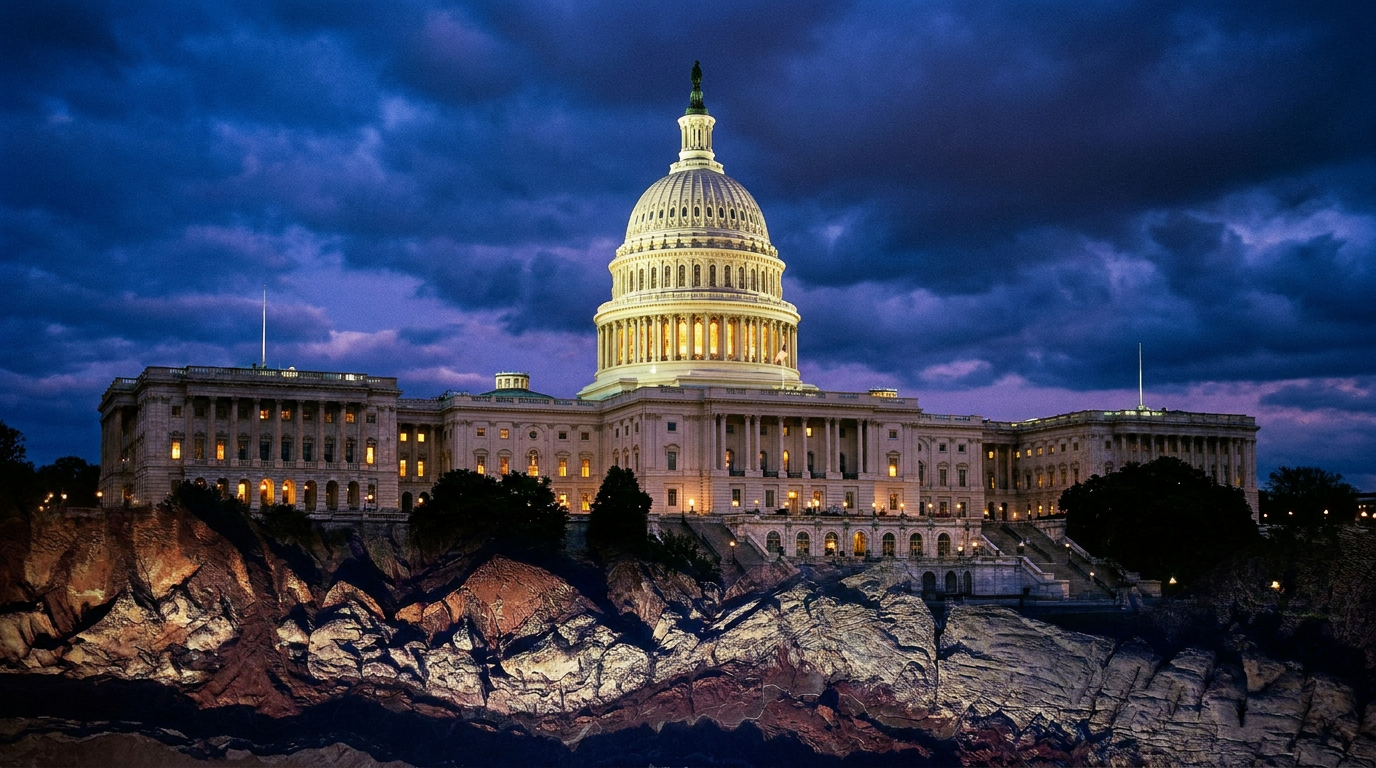
The U.S. government's most sweeping foreign surveillance tool is set to expire at midnight on Friday, marking the first time the post-9/11 spy program will lapse since its creation in 2008. The impending sunset of Section 702 of the Foreign Intelligence Surveillance Act (FISA) follows a chaotic week in Washington, culminating in the House of Representatives rejecting a last-ditch extension on Thursday morning.[1][4]
The 218-198 failed vote saw 19 Republicans join nearly all Democrats in tanking the measure. The immediate catalyst for the collapse was a fierce political standoff over the leadership of the intelligence community, but the failure also represents the climax of a years-long, bipartisan crusade to rein in warrantless searches of Americans' digital data.[4][5]
The legislative crisis accelerated rapidly after President Donald Trump appointed Bill Pulte—a mortgage agency director and loyalist—as the acting Director of National Intelligence. Democrats and several Republicans balked at placing a partisan figure with limited intelligence experience atop the nation's spy apparatus, arguing the move endangered American safety more than a temporary surveillance lapse.[3][4][5]
In a bid to contain the furor and save the surveillance authority, the White House pivoted on Thursday, announcing the nomination of former Securities and Exchange Commission chair Jay Clayton as the permanent intelligence director. The concession failed to move the needle. Democratic leadership maintained their opposition, and the short-term extension was defeated hours later.[3][4]

But the fight over Section 702 extends far beyond the immediate personnel drama. First enacted to legalize Bush-era warrantless wiretapping, the law allows U.S. intelligence agencies to intercept the texts, emails, and phone calls of foreigners located abroad without a warrant. The intelligence community considers it indispensable, estimating that the data feeds into more than 60 percent of the president's daily intelligence briefing.[2][3][7]
But the fight over Section 702 extends far beyond the immediate personnel drama.
The controversy stems from how the law operates in practice. Because foreign targets frequently communicate with people inside the United States, the surveillance dragnet inevitably sweeps up massive volumes of Americans' personal data. Intelligence and law enforcement agencies, including the FBI, can then search this database for Americans' communications without obtaining a warrant—a loophole critics call a "backdoor search."[7][9]
For months, a sprawling coalition of progressive Democrats and libertarian-leaning Republicans has demanded that any reauthorization of Section 702 include a strict warrant requirement for searching U.S. citizens' data. Republican leadership has repeatedly blocked floor votes on those reforms, leading to the current impasse.[3][9]

As the Friday midnight deadline approaches, national security hawks are sounding the alarm. House Speaker Mike Johnson called the impending lapse "dangerous" and "shameful," while Defense Secretary Pete Hegseth warned of devastating consequences. Representative Steve Womack argued that letting the tool expire while the U.S. prepares to host the World Cup and its 250th anniversary celebrations is an unconscionable gift to foreign adversaries.[6][8]
However, privacy advocates and legal experts point out that the warnings of the intelligence apparatus "going dark" are largely a scaremongering narrative. The reality of the statute's expiration is far less dramatic than the political rhetoric suggests, owing to a grandfather clause built into the FISA Amendments Act.[6][7]
Section 702 operates under annual programmatic certifications approved by the secretive Foreign Intelligence Surveillance Court (FISC). Because the court renewed the program's procedures in March 2026, the government's existing data collection is legally locked in and will continue uninterrupted through March 2027, regardless of what happens in Congress this weekend.[2][6][9]

Tech companies and electronic communication service providers will still be legally required to turn over material to intelligence agencies under the existing directives. The primary operational impact of the statutory lapse is that the government cannot issue new directives to tech companies for entirely new foreign targets absent the statutory compulsion and liability immunity.[2][6]
With the House leaving Washington and the Senate deadlocked, the expiration is all but assured. The lapse shifts the balance of power in the surveillance debate, granting the bipartisan reform coalition unprecedented leverage. When lawmakers return to the negotiating table, the intelligence community will be forced to choose between accepting a Fourth Amendment warrant requirement or navigating a prolonged statutory twilight.[4][6]
How we got here
2008
Congress enacts Section 702 of FISA to legalize and regulate post-9/11 warrantless wiretapping.
March 2026
The Foreign Intelligence Surveillance Court recertifies the Section 702 program for another year.
June 2026
President Trump appoints Bill Pulte as acting Director of National Intelligence, sparking a political backlash.
June 11, 2026
The House rejects a short-term extension of Section 702 in a 218-198 vote.
June 12, 2026
The statutory authority for Section 702 is set to expire at midnight.
Viewpoints in depth
National Security Establishment
Argues that allowing Section 702 to lapse endangers intelligence gathering ahead of major global events.
Defense officials and intelligence hawks view Section 702 as the crown jewel of American counterterrorism. They argue that even a temporary statutory lapse creates dangerous blind spots, particularly as the U.S. prepares to host the World Cup and its 250th anniversary. From this perspective, demanding a warrant for every database query would paralyze analysts and render the tool useless in fast-moving threat scenarios.
Privacy & Reform Coalition
Argues that the law's expiration is a necessary leverage point to force a warrant requirement for searching Americans' data.
Civil liberties groups and a bipartisan bloc of lawmakers view the current implementation of Section 702 as a blatant violation of the Fourth Amendment. They point to a documented history of the FBI using the database to conduct warrantless searches on American journalists, political donors, and protesters. This camp believes the intelligence community's warnings of 'going dark' are deliberate scaremongering, noting that existing data collection is legally protected through 2027.
Executive Oversight Advocates
Focuses on the immediate trigger for the lapse: opposition to the appointment of a partisan loyalist to lead the intelligence community.
For many lawmakers who previously supported Section 702, the breaking point was the executive branch's personnel decisions. They argue that granting sweeping, warrantless surveillance powers requires immense trust in the intelligence community's leadership. The appointment of a partisan loyalist with limited intelligence experience to oversee the apparatus shattered that trust, making a clean extension of the law politically impossible.
What we don't know
- Whether the Senate will attempt a last-minute procedural maneuver to force a vote before the deadline.
- How long the statutory lapse will last before Congress reaches a compromise on surveillance reforms.
- Whether the intelligence community will face immediate operational hurdles in targeting new foreign threats without the statutory compulsion.
Key terms
- FISA
- The Foreign Intelligence Surveillance Act, a legal framework establishing how the U.S. government can monitor suspected foreign spies and terrorists.
- Section 702
- A specific provision of FISA that permits the warrantless surveillance of foreign targets located outside the United States.
- Backdoor Search
- The practice of intelligence or law enforcement agencies searching the Section 702 database for the communications of U.S. citizens without obtaining a warrant.
- Foreign Intelligence Surveillance Court (FISC)
- A secretive federal court that oversees and authorizes the U.S. government's foreign intelligence gathering activities.
Frequently asked
What exactly is FISA Section 702?
It is a 2008 law that allows U.S. intelligence agencies to collect the texts, emails, and phone calls of foreign nationals located outside the U.S. without a warrant.
Will the government stop collecting intelligence on Friday?
No. Because a secret federal court recertified the program in March 2026, existing data collection will continue uninterrupted through March 2027.
Why are lawmakers demanding a warrant requirement?
Because the surveillance dragnet incidentally sweeps up massive amounts of Americans' communications, which the FBI and other agencies can currently search without a warrant.
Why did the extension fail in the House?
A bipartisan coalition opposed it. Democrats protested the appointment of a partisan loyalist to lead the intelligence community, while privacy advocates refused to renew the law without surveillance reforms.
Sources
Source coverage
9 outlets
3 viewpoints surfaced








[1]The New York TimesExecutive Oversight Advocates
A Key Spying Power Is Expiring. Will Foreign Surveillance Go Dark?
Read on The New York Times →[2]NPRExecutive Oversight Advocates
A key U.S. spy tool is set to lapse on Friday — now what?
Read on NPR →[3]The GuardianExecutive Oversight Advocates
A powerful US surveillance law is set to expire – what happens now?
Read on The Guardian →[4]The Washington PostExecutive Oversight Advocates
House votes against extending controversial wiretapping law set to lapse Friday
Read on The Washington Post →[5]AxiosExecutive Oversight Advocates
House rejects last-ditch FISA extension ahead of Friday deadline
Read on Axios →[6]Cato InstitutePrivacy & Reform Coalition
FISA Section 702 Lapse Assured—What Now?
Read on Cato Institute →[7]Brennan Center for JusticePrivacy & Reform Coalition
Section 702 of the Foreign Intelligence Surveillance Act (FISA): 2026 Resource Page
Read on Brennan Center for Justice →[8]Rep. Steve WomackNational Security Establishment
Womack Slams Democrats for Blocking FISA Extension
Read on Rep. Steve Womack →[9]EPICPrivacy & Reform Coalition
FISA Section 702 Almost Certain to Expire After House Votes Against Extension, EPIC Continues to Urge Reforms
Read on EPIC →


Every angle. Every day.
Get news politics stories with full source coverage and perspective breakdowns delivered to your inbox.