
Figure Skating Injury Report: Hendrickx Prioritizes Health in Retirement as Veterans Showcase the Power of Recovery
Belgian star Loena Hendrickx has officially retired at 26 to protect her physical well-being, highlighting a growing trend of skaters setting healthy boundaries, while 57-year-old Stef Vachon mounts an inspiring return to the ice following a fibromyalgia diagnosis.
By Factlen Editorial Team
- Athlete Advocates
- Argue that skaters are setting a vital precedent by prioritizing long-term health and walking away from dangerous elements when their bodies demand it.
- Sports Medicine Professionals
- Emphasize that modern figure skating's intense technical demands require strict load management and praise the shift toward structured rehab.
- Veteran & Adaptive Skaters
- View the ice as a lifelong sanctuary rather than just a competitive arena, celebrating skaters who adapt their training to accommodate chronic conditions.
What's not represented
- · Traditionalist Coaches
- · Junior Skaters
Why this matters
For decades, figure skating culture quietly glorified athletes who pushed through catastrophic injuries. This off-season's updates prove that the sport is finally embracing longevity, showing readers that setting physical boundaries and prioritizing long-term health is a victory in itself.
Key points
- Belgian figure skating star Loena Hendrickx announced her retirement on June 24, 2026, citing chronic ankle injuries and a desire to protect her long-term health.
- Hendrickx's decision reflects a broader cultural shift in figure skating, where athletes are increasingly prioritizing physical well-being over pushing through catastrophic pain.
- Canadian pairs skater Deanna Stellato-Dudek and Japanese skater Riku Miura both successfully navigated severe pre-Olympic injuries by modifying routines and embracing patient rehabilitation.
- Fifty-seven-year-old Stef Vachon is returning to the ice at the 2026 Gay Games, using skating as a therapeutic tool to manage his recent fibromyalgia diagnosis.
The off-season in global figure skating is traditionally a quiet period dedicated to choreography, rest, and healing. But as the calendar turns to June 2026, the conversation around injuries and recovery has taken a profoundly uplifting turn. For decades, the sport's culture quietly glorified the dangerous tradition of pushing through catastrophic pain, praising athletes who skated on stress fractures or ignored concussions. Today, however, the sport's biggest stars and most resilient veterans are making empowering, health-first choices that are actively reshaping figure skating's culture. From high-profile retirements to inspiring amateur comebacks, this summer's injury report is defined not by devastating setbacks, but by athletes reclaiming agency over their own bodies.
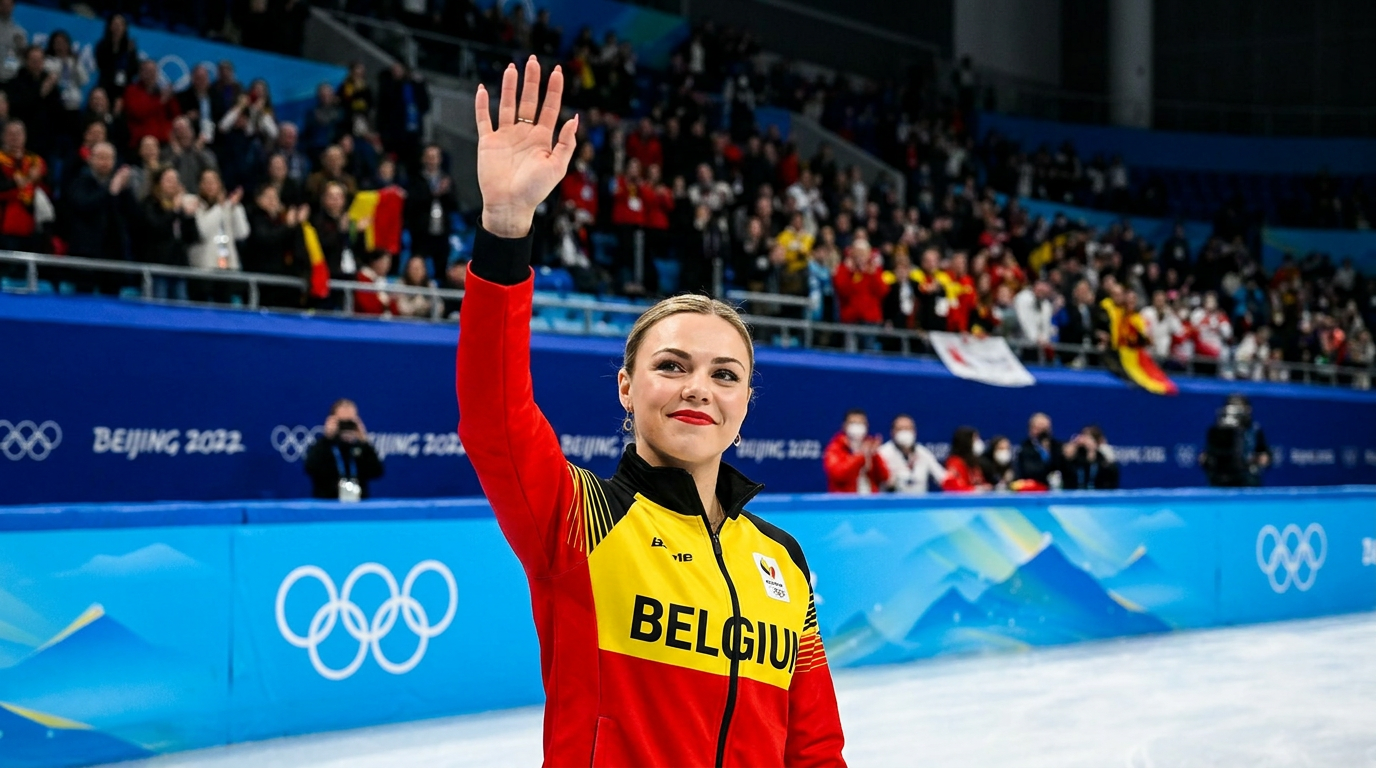
The most high-profile example of this cultural shift arrived on June 24, when 26-year-old Belgian star Loena Hendrickx officially announced her retirement from competitive skating. After a remarkable career defined by historic World Championship medals and relentless grit, Hendrickx made the difficult but ultimately healthy decision to listen to her body and step away from the elite ranks. Her announcement sent ripples through the skating community, serving as a powerful reminder that an athlete's worth is not strictly tied to their ability to endure physical punishment indefinitely, and that walking away on one's own terms is a victory in itself.[1][2]
"I am putting an end to my career as a top athlete," Hendrickx stated during an emotional press conference in Belgium. "I still enjoy it, but my body has become a stumbling block." The two-time World medalist had been battling chronic, debilitating ankle issues for years. These underlying structural problems flared up into a severe bone bruise just days before the Milano Cortina 2026 Olympics, forcing her to skate through excruciating pain to secure a 14th-place finish. Rather than subjecting herself to another grueling rehabilitation cycle for the upcoming Grand Prix season, she chose to stop, prioritizing her ability to walk and live comfortably in the decades to come.[1][2]
Hendrickx’s decision to step away while she still loves the ice reflects a healthier new paradigm in figure skating. She noted that while she could theoretically continue competing at her current level, she wanted to "say goodbye with a sense of satisfaction" rather than risk permanent, lifelong damage to an ankle that had already endured invasive surgery and multiple torn ligaments. By retiring now, she preserves not just her physical health, but her joyful connection to the sport, ensuring she can continue to participate in professional ice shows without the crushing pressure of Olympic-level technical demands. It is a masterclass in setting boundaries.[1][2]

This prioritization of longevity over immediate competitive glory is echoing across all of the sport's disciplines. Earlier this year, Canadian pairs skater Deanna Stellato-Dudek suffered a terrifying head injury during pre-Olympic training in Quebec. While she was eventually cleared by medical staff to compete in the Milan Games, she and her partner Maxime Deschamps made the unprecedented, highly publicized choice to permanently remove their signature backflip from their routine to eliminate any unnecessary risk to her neurological health. In a discipline known for its breathtaking danger, prioritizing safety over a crowd-pleasing acrobatic trick was a bold statement.[5][6]
This prioritization of longevity over immediate competitive glory is echoing across all of the sport's disciplines.
"Obviously, we don't want to do anything that's going to hinder the rest of my life in terms of my health," Stellato-Dudek explained to reporters at the time. That cautious, boundary-setting approach paid off brilliantly. By removing the high-risk element, the 42-year-old was able to safely complete her Olympic dream without jeopardizing her future. Her transparency about the injury and her willingness to modify her program rather than blindly pushing through fear set a new gold standard for injury management in pairs skating, proving that adaptability is a core component of athletic greatness.[6]
Similarly, Japanese pairs skater Riku Miura suffered a painfully dislocated shoulder at the Japanese Nationals in December 2025. Instead of rushing back to the ice and risking further structural damage—a common and often tragic mistake in previous Olympic cycles—she and Ryuichi Kihara immediately withdrew from the competition. They focused entirely on a structured, patient rehabilitation process. That disciplined restraint allowed her shoulder to heal properly, and the duo ultimately captured a historic Olympic gold medal in Milan just two months later, a triumph made possible entirely by their off-season patience and refusal to panic.[4]
But perhaps the most inspiring injury update of the summer comes from outside the intense glare of the Olympic spotlight. Fifty-seven-year-old French-Canadian skater Stef Vachon is making a triumphant return to the ice at the 2026 Gay Games in Valencia this June, actively defying a recent diagnosis of fibromyalgia. His story is a testament to the fact that returning from an injury or a chronic illness does not always mean returning to the elite podium; sometimes, it simply means reclaiming a piece of oneself that was lost to physical suffering.[3]

Vachon, who originally stepped away from competitive skating decades ago due to severe physical and emotional exhaustion, found his way back to the rink only recently when his son asked for skating lessons. Despite the chronic, widespread musculoskeletal pain and profound fatigue associated with fibromyalgia, the ice has transformed from a source of competitive stress into a vital, low-impact tool for healing and physical therapy. By adjusting his expectations and focusing on the sensation of the glide rather than the height of his jumps, Vachon has engineered one of the most remarkable comebacks of the year.[3]
"Stepping back on the ice now feels like coming home," Vachon told Gay Community News (GCN) in an emotional interview this week. "It's no longer about performance or validation. It's about presence... What once helped me survive is now helping me live." His perspective offers a beautiful counter-narrative to the traditional sports injury report, proving that the ultimate goal of recovery is not always a medal, but a sustainable, joyful quality of life. For athletes battling chronic conditions, the ice can be a sanctuary rather than a battlefield.[3]
Vachon’s return underscores the evolving, lifelong relationship between figure skaters and their sport. Whether it is Hendrickx choosing to walk away with her head held high to protect her ankle, or Vachon finding adaptive ways to skate through a chronic illness, the narrative has shifted from mere survival to genuine, holistic well-being. These athletes are demonstrating that listening to one's body is the ultimate form of strength, inspiring a new generation of skaters to view their health as their most valuable asset, rather than a currency to be spent in pursuit of scores.[1][3]

As the International Skating Union (ISU) prepares for the upcoming 2026-2027 Grand Prix season, coaches, judges, and medical teams are taking these lessons to heart. The 'win at all costs' mentality of the past is steadily being replaced by comprehensive sports medicine, proactive load management, and a deep, structural respect for the athlete's voice. This summer's injury report is not a list of casualties; it is a profound celebration of healing, boundaries, and the enduring human spirit that makes figure skating so captivating. As skaters lace up their boots for the new season, they do so with the empowering knowledge that their health comes first.
How we got here
Dec 2025
Riku Miura dislocates her shoulder at Japanese Nationals, withdrawing to focus on rehab.
Jan 2026
Deanna Stellato-Dudek suffers a head injury in training, prompting the removal of risky elements.
Feb 2026
Miura and Stellato-Dudek both successfully compete and medal at the Milano Cortina Olympics.
Jun 24, 2026
Loena Hendrickx officially announces her retirement to protect her long-term ankle health.
Jun 2026
Stef Vachon returns to the ice at the Gay Games in Valencia after a fibromyalgia diagnosis.
Viewpoints in depth
Athlete Advocates
Celebrating the cultural shift toward setting physical boundaries.
For decades, figure skaters were praised for 'toughing it out' through stress fractures, torn ligaments, and concussions. Athlete advocates view Hendrickx's decision to retire with a 'sense of satisfaction' rather than waiting until her body completely broke down as a watershed moment. They argue that normalizing withdrawals and program modifications—like Stellato-Dudek removing her backflip—protects the next generation from the toxic expectation that pain is a prerequisite for greatness.
Sports Medicine Professionals
Focusing on the biomechanics and the necessity of load management.
Medical professionals point out that the sheer force of modern quadruple jumps and complex lifts puts unprecedented strain on ankles, knees, and shoulders. They highlight Riku Miura's successful shoulder rehab as the gold standard for handling acute injuries. By stepping away from competition to heal properly, athletes avoid the compounding structural damage that historically ended careers prematurely.
Veteran & Adaptive Skaters
Emphasizing the emotional and therapeutic connection to the ice.
For veterans and adaptive athletes, the ice is not just a competitive arena; it is a lifelong sanctuary. Stef Vachon's story proves that skating doesn't have to end when elite competition does. Adaptive approaches allow athletes with chronic pain or illnesses to reclaim their joy, proving that the ultimate victory in figure skating is a sustainable, lifelong relationship with the sport.
What we don't know
- How Loena Hendrickx's retirement will impact the competitive landscape of European women's figure skating in the upcoming Grand Prix season.
- Whether the ISU will introduce formal load-management guidelines to further protect athletes from the overuse injuries that have historically plagued the sport.
Key terms
- Bone Bruise
- A traumatic injury to the bone that is less severe than a fracture but causes significant pain and swelling, often requiring weeks of rest.
- Fibromyalgia
- A chronic condition causing widespread body pain, fatigue, and cognitive difficulties, requiring careful physical management and adaptive training.
- Load Management
- The practice of carefully monitoring and adjusting an athlete's training volume to prevent overuse injuries like stress fractures and tendonitis.
- ISU Grand Prix
- A series of senior international figure skating competitions organized by the International Skating Union, marking the core of the competitive season.
Frequently asked
Why did Loena Hendrickx retire at 26?
Hendrickx retired due to chronic ankle injuries, including a severe bone bruise suffered just before the 2026 Olympics. She chose to prioritize her long-term physical health rather than risk permanent damage.
What is fibromyalgia, and how does it affect skating?
Fibromyalgia is a chronic disorder characterized by widespread musculoskeletal pain and fatigue. Skaters manage it by focusing on low-impact movement, presence, and joy rather than grueling competitive jumps.
Did Riku Miura fully recover from her shoulder injury?
Yes. After dislocating her shoulder in December 2025 and withdrawing from the Japanese Nationals, Miura completed a strict rehab program and won Olympic gold with Ryuichi Kihara in February 2026.
Sources
Source coverage
6 outlets
3 viewpoints surfaced






[1]Belga News AgencyAthlete Advocates
Belgian figure skating star Loena Hendrickx announces retirement
Read on Belga News Agency →[2]EssentiallySportsAthlete Advocates
26-Year-Old Figure Skating Star Abruptly Retires After Body Becomes 'A Stumbling Block'
Read on EssentiallySports →[3]GCNVeteran & Adaptive Skaters
Figure skater Stef Vachon is set to return to the Gay Games for the first time in over 20 years
Read on GCN →[4]Golden SkateSports Medicine Professionals
Nagaoka and Moriguchi secure national title; Miura and Kihara withdraw due to injury
Read on Golden Skate →[5]Olympics.comSports Medicine Professionals
Winter Olympics 2026: After injury scare, Deanna Stellato-Dudek set to compete in pairs figure skating event
Read on Olympics.com →[6]CBCSports Medicine Professionals
Stellato-Dudek cautious in return from injury, but figure skater again prepared to challenge her fears
Read on CBC →

More in sports
See all 30 stories →Standings
Gold Coast and North Melbourne Cling to Inaugural Wildcard Spots as AFL Finals Race Intensifies
6 sources

Injury
Pro Lacrosse Injury Report: Charlotte North's Achilles Tear Shakes Up WLL and Team USA
6 sources
Standings
PLL Playoff Race: Elite Goaltending Keeps Archers and Waterdogs in the Hunt as Midseason Approaches
7 sources
Injury
World Snooker Tour Injury Report: Tom Ford and Mark Williams Headline Summer Recoveries
8 sources
Every angle. Every day.
Get sports stories with full source coverage and perspective breakdowns delivered to your inbox.