
FDA Launches Comprehensive Strategy to Cut Added Sugar, Spurring a Wave of Dessert Reformulation
The FDA's 2026 Human Foods Program agenda introduces voluntary reduction targets and new labeling standards for added sugars. The move is pushing the dessert and packaged food industries to rapidly innovate with alternative sweeteners and healthier formulations.

The U.S. Food and Drug Administration has officially placed added sugar reduction at the center of its 2026 Human Foods Program agenda. Driven by the broader "Make America Healthy Again" initiative, the agency is rolling out a comprehensive strategy designed to lower the consumption of added sugars across the American diet. Rather than issuing outright bans, the FDA is deploying a market-shaping approach that relies on voluntary industry targets, updated labeling standards, and targeted consumer education.
For decades, the FDA's approach to sugar was largely observational, requiring manufacturers to list gram amounts on the Nutrition Facts panel but leaving the rest to consumer choice. The 2026 strategy marks a pivot toward active intervention. By establishing clear guidelines and public health expectations, the agency aims to curb the rising rates of diet-related chronic diseases, including diabetes and heart disease, which are heavily linked to high sugar intake.[3]
At the heart of the initiative is a push for voluntary reformulation. The FDA is encouraging food and beverage manufacturers to proactively reduce the added sugar content in their processed and prepared foods. This strategy mirrors the agency's recent successful efforts to phase out synthetic food dyes and reduce sodium levels, where voluntary targets prompted major brands to overhaul their portfolios to avoid negative public perception and regulatory scrutiny.[1]
A critical component of the 2026 rollout is the development of a standardized nutrient content claim for "low added sugar." Currently, the food industry lacks a strict legal definition for this phrase, leading to consumer confusion and inconsistent marketing. By legally defining exactly how little sugar a product must contain to earn the label, the FDA is creating a highly coveted marketing asset that brands will race to achieve.
The pressure to reformulate is being compounded by the FDA's looming Front-of-Package (FOP) nutrition labeling rules. After synthesizing public comments, the agency is preparing decision options that could require manufacturers to prominently display high levels of added sugar, sodium, and saturated fat on the front of their packaging. For the dessert and snack industries, the threat of a "high sugar" warning label is a powerful catalyst for immediate recipe innovation.[1][2]
However, stripping sugar out of packaged desserts is a monumental technical challenge. In baking and pastry science, sugar is not merely a sweetener; it is a structural pillar. Sucrose provides bulk, retains moisture to extend shelf life, and dictates the texture of everything from chewy cookies to airy sponge cakes. Simply removing it leaves products dense, dry, and prone to rapid staling.
Furthermore, sugar is responsible for the Maillard reaction and caramelization—the chemical processes that give baked goods their golden-brown crusts and complex flavor profiles. When food scientists attempt to replace sugar with high-intensity non-nutritive sweeteners like stevia or monk fruit, they often lose these essential browning properties, requiring a complex matrix of alternative ingredients to rebuild the dessert's architecture.
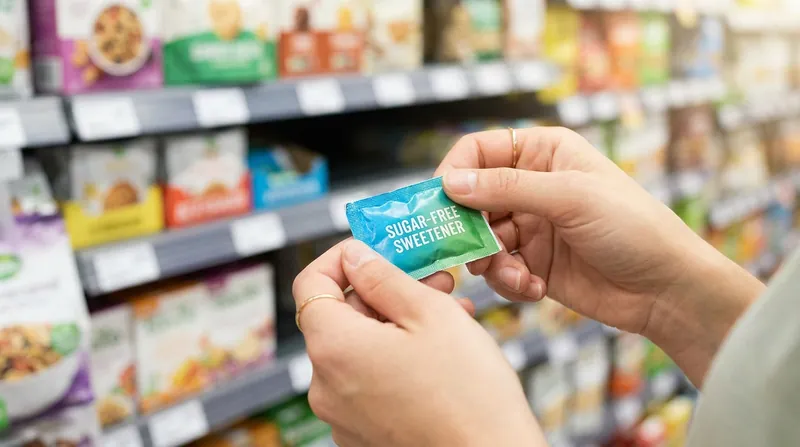
To overcome these hurdles, the industry is increasingly turning to novel ingredients like allulose, a rare sugar that provides the bulk and browning properties of sucrose but passes through the body largely unmetabolized. The FDA's 2026 agenda explicitly includes exploring strategies for labeling sugar alternatives that do not increase blood glucose, signaling regulatory support for these next-generation sweeteners.
The agency is also conducting a broader assessment of low-calorie, no-calorie, and non-nutritive alternative sweeteners. As consumers become more skeptical of legacy artificial sweeteners, the FDA's safety reassessments and labeling guidance will help clarify which alternatives are best suited for long-term public health. This regulatory clarity is expected to unlock millions in research and development funding for natural sweetener blends.[2]
To further spur innovation, the FDA is revoking 52 outdated "standards of identity." These decades-old regulations dictated the exact ingredients required for a product to legally use a specific name, such as "ice cream" or "jam." By eliminating these rigid standards, the agency is freeing manufacturers to experiment with novel, lower-sugar formulations without running afoul of legacy naming conventions.
The market is already showing an appetite for this shift. Even before the 2026 agenda was finalized, product launches featuring "no added sugar" claims grew by 4 percent annually, driven by consumer demand for healthier indulgences. Major brands across the beverage, snack, and dessert sectors have begun quietly reformulating their flagship products, proving that scaleable sugar reduction is economically viable.
The ultimate success of the FDA's strategy will depend on consumer acceptance. While shoppers express a strong desire for healthier foods, they are notoriously unforgiving when legacy products change in taste or mouthfeel. The dessert industry must walk a tightrope, utilizing the FDA's new guidelines to improve nutritional profiles while maintaining the sensory experience that makes treats enjoyable.[3]
If successful, the FDA's 2026 added sugar strategy could represent a turning point in American public health. By aligning regulatory frameworks, marketing incentives, and food science innovation, the agency is paving the way for a food supply where indulgence does not inherently require a blood sugar spike. The dessert aisle of the near future promises to be both sweeter and significantly healthier.[1]
Key points
- The FDA has made added sugar reduction a top priority for its 2026 Human Foods Program.
- The strategy relies on voluntary industry reduction targets rather than strict regulatory bans.
- The FDA is developing a legal definition for 'low added sugar' to standardize marketing claims.
- Upcoming Front-of-Package labeling rules may require warnings for high-sugar products.
What we don’t know
- Whether the FDA's voluntary targets will be enough to significantly reduce national sugar consumption without mandatory caps.
- How consumers will react to the altered taste and texture profiles of reformulated legacy desserts.
- The final design and strictness of the FDA's upcoming Front-of-Package (FOP) nutrition labels.
How we got here
2021
The FDA issues Phase I of its voluntary sodium reduction targets, establishing a template for industry-wide reformulation.
2024
The FDA finalizes the updated rule for 'healthy' nutrient content claims, setting strict limits on added sugars for qualifying foods.
January 2026
The FDA releases its Human Foods Program 2026 priority deliverables, placing added sugar reduction at the forefront.
Mid-2026
The FDA is expected to propose a formal nutrient content claim legally defining 'low added sugar' for packaged foods.
2028
The compliance date for the FDA's updated 'healthy' claim regulations takes effect across the food industry.
- Public Health Officials
- Argue that voluntary targets, combined with clear labeling, are the most pragmatic way to reduce diet-related chronic diseases at scale.
- Food & Beverage Manufacturers
- Value the flexibility of voluntary guidelines and the removal of outdated standards of identity, allowing them to innovate without strict bans.
- Food Safety & Consumer Advocates
- Support the reduction of added sugars but urge the FDA to rigorously assess the long-term safety of the novel non-nutritive sweeteners replacing them.
Perspectives this story doesn't cover
- Small-scale artisanal bakeries facing reformulation costs
- Sugar cane and sugar beet agricultural producers
Sources
Source coverage
3 outlets
3 viewpoints surfaced


- [1]Covington & BurlingFood Safety & Consumer Advocates
Reducing Chronic Disease Through Better Nutrition: FDA's 2026 Agenda
Read on Covington & Burling → - [2]Michigan State UniversityFood Safety & Consumer Advocates
Added Sugar & Sodium — New Reduction Strategies from the FDA
Read on Michigan State University → - [3]FnB NewsPublic Health Officials
FDA targets added sugar in processed foods as part of 'Make America Healthy Again' plan
Read on FnB News →

More in Food & Drink
See all →Brain Health
Study Links High Artificial Sweetener Use to Accelerated Cognitive Decline, Challenging 'Diet' Dessert Market
7 sources
Vanilla Market
How the Dessert Industry is Adapting to the 2026 Vanilla Price Spike
2 sources

Wheat Supply
How a 53-Year Low in US Wheat Production is Rewiring Global Flour Markets
6 sources

Supply Chain Resilience
Climate-Driven Cocoa Shortage Pushes Global Chocolate Supply to 45-Year Low, Rewiring the Industry
2 sources

Comments
Every angle. Every day.
Get Food & Drink stories with full source coverage and perspective breakdowns, free every day.