
Experts Scrutinize the Efficacy of Commercial Gut Health Supplements and Microbiome Tests
As the market for gut health products booms, medical experts and researchers are questioning the true efficacy of commercial probiotics and at-home microbiome testing kits.
By Factlen Editorial Team
- Clinical Skeptics
- Warn that commercial probiotics and tests lack the rigorous evidence required to support their broad wellness claims.
- Food-First Advocates
- Emphasize that dietary interventions like fiber and fermented foods are the most proven methods for gut health.
- Industry Innovators
- Defend rapid commercialization as a way to provide consumers with proactive access to emerging microbiome science.
What's not represented
- · Patients with severe gastrointestinal disorders who rely on highly specific, prescription-grade microbiome therapies.
- · Indigenous populations whose traditional, high-fiber diets naturally support high microbiome diversity without commercial intervention.
Why this matters
Consumers are spending billions annually on commercial gut health products, but emerging expert consensus suggests that simple, inexpensive dietary changes are far more effective. Understanding the science empowers individuals to save money and make evidence-based choices for their foundational health.
Key points
- Commercial probiotics often lack the clinical evidence required to support broad wellness claims.
- At-home microbiome tests provide data but cannot yet offer scientifically validated, personalized dietary advice.
- The human gut contains roughly 39 trillion microbes, making standard probiotic doses relatively insignificant.
- Experts recommend consuming 30 different plant types weekly to naturally boost microbiome diversity.
- Fermented foods and high-fiber diets remain the most evidence-backed methods for improving gut health.
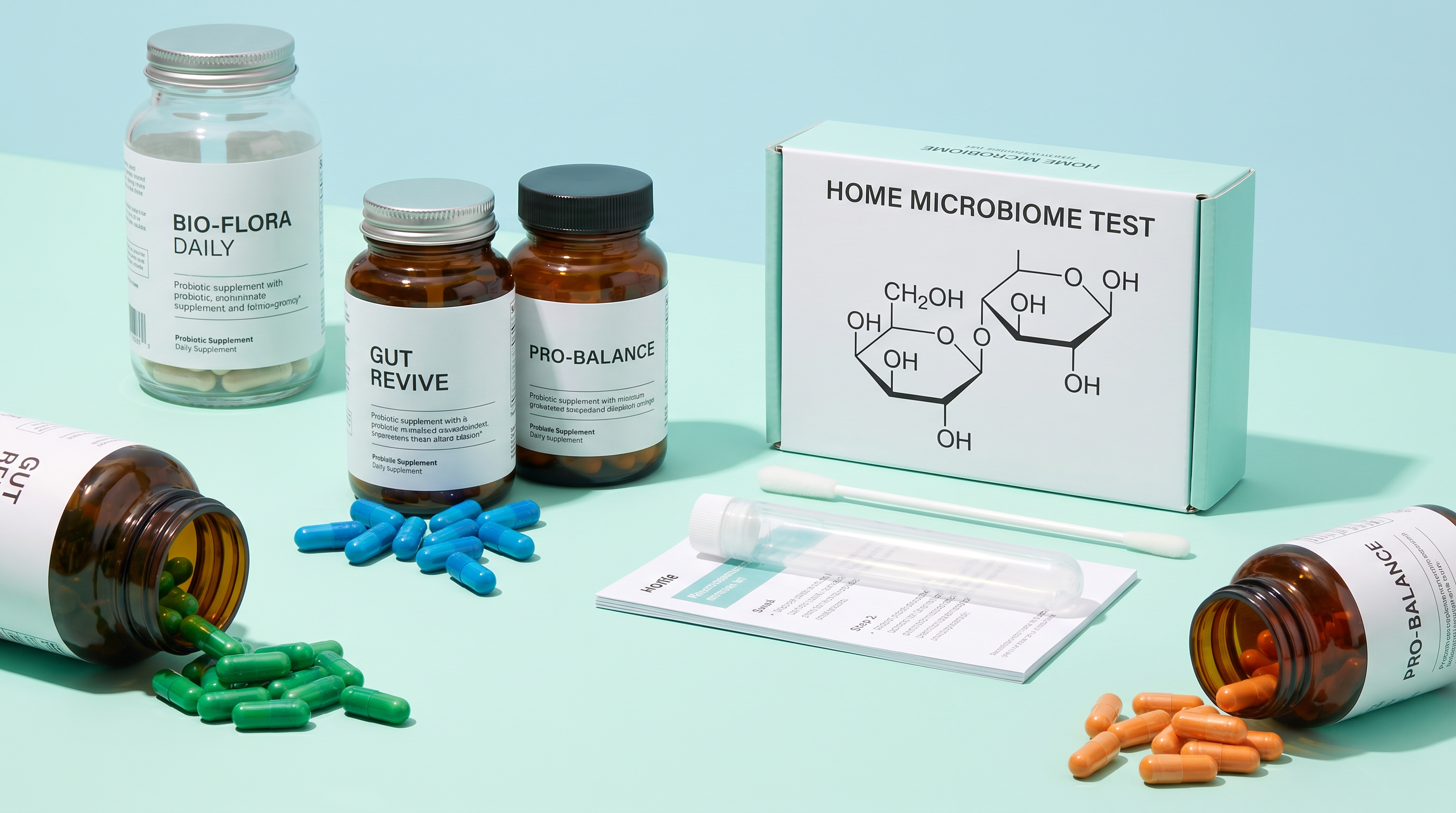
The pursuit of optimal gut health has transformed from a niche dietary concern into a multi-billion-dollar global industry. Pharmacy shelves and social media feeds are now saturated with brightly packaged probiotic capsules, prebiotic gummies, and at-home microbiome testing kits [1, 2]. These products promise to alleviate bloating, boost immune function, and even improve mental clarity by optimizing the bacteria residing in the human digestive tract. For consumers, the appeal is undeniable: a simple, accessible intervention to take control of their foundational health [3]. Yet, as the market expands at a breakneck pace, a growing coalition of gastroenterologists and microbiologists is urging the public to pause and look closer at the science [4].[1][2][3][4]
The financial scale of the gut health boom is staggering, with industry analysts projecting the global market to exceed $70 billion by the end of the decade [3]. This influx of capital has funded aggressive marketing campaigns that often outpace the underlying clinical research. Medical professionals are increasingly concerned that consumers are spending significant amounts of money on products that lack rigorous, peer-reviewed evidence for their broad health claims [1, 5]. While the fundamental importance of the microbiome is undisputed in the medical community, the efficacy of commercial products designed to manipulate it remains a subject of intense scientific scrutiny [6].[1][3][5][6]
At the center of this scrutiny are commercial probiotics. These supplements typically contain billions of colony-forming units (CFUs) of specific bacterial strains, most commonly from the Lactobacillus and Bifidobacterium genera [1, 4]. Marketing materials often suggest that consuming these capsules will repopulate or balance the gut flora. However, researchers point out a significant biological hurdle: the human stomach is a highly acidic environment designed, in part, to destroy incoming microbes [2, 6]. Many commercial probiotic strains simply do not survive the journey through the stomach acid in sufficient numbers to reach the large intestine, where they are intended to exert their benefits [5].[1][2][4][5][6]

Even when probiotic bacteria do survive the digestive tract, their impact is often likened to a drop in the ocean. The human gut is home to an estimated 39 trillion microbes, representing thousands of different species in a complex, established ecosystem [2, 3]. Introducing a few billion bacteria of a single strain is unlikely to permanently alter this deeply entrenched community [5]. Studies show that while some probiotic strains can be detected in stool samples during supplementation, they typically wash out of the system within days or weeks once the consumer stops taking the pills [1, 6]. They act as temporary tourists rather than permanent residents.[1][2][3][5][6]
This is not to say that probiotics are entirely without merit. Clinical guidelines do support the use of specific, heavily researched probiotic strains for targeted medical conditions [4, 5]. For example, certain formulations have been shown to reduce the risk of antibiotic-associated diarrhea, manage symptoms of irritable bowel syndrome (IBS), or assist in the treatment of specific inflammatory bowel diseases [1, 2]. The critical distinction, experts emphasize, is that these are targeted therapies for specific ailments, not generalized wellness tonics for healthy individuals looking for an energy boost or clearer skin [6].[1][2][4][5][6]
The skepticism extends beyond supplements to the booming market of at-home microbiome testing kits. These services require users to mail in a stool sample, which the company then sequences to provide a breakdown of the bacteria present in their gut [3, 4]. The kits often come with a personalized report and dietary recommendations, sometimes paired with a subscription for custom-blended supplements. While the sequencing technology itself is generally accurate, the interpretation of the data is where researchers draw the line [1, 5].[1][3][4][5]
The primary flaw in these consumer tests is that a stool sample only provides a snapshot of the microbes passing through the center of the colon [5, 6]. It does not accurately reflect the microbial communities living in the mucosal lining of the gut wall, which is where the most critical interactions with the human immune system occur [2]. Furthermore, the microbiome is highly dynamic, shifting daily based on diet, stress, sleep, and even the time of day. A single sample offers a limited and potentially misleading picture of a person's overall gut health [4].[2][4][5][6]

The primary flaw in these consumer tests is that a stool sample only provides a snapshot of the microbes passing through the center of the colon [5, 6].
More importantly, the science of the microbiome is still in its infancy regarding what constitutes an ideal gut profile. What is considered a healthy microbiome for one individual may look entirely different for another, influenced by genetics, geography, and lifelong dietary habits [1, 3]. Because there is no universal baseline for a perfect gut, the highly specific, personalized dietary advice generated by these commercial algorithms is often based on preliminary associations rather than proven causal relationships [2, 6]. Experts warn that we simply do not yet have the data to confidently tell someone to avoid tomatoes or eat more spinach based solely on a stool swab [5].[1][2][3][5][6]
The regulatory environment further complicates the landscape. In many jurisdictions, including the United States, probiotics and testing kits are regulated as dietary supplements or general wellness products rather than pharmaceuticals or diagnostic medical devices [1, 3]. This classification allows companies to bypass the rigorous, multi-phase clinical trials required for drugs. As long as they make structure/function claims—such as 'supports digestive health'—rather than claiming to cure or treat a specific disease, they can legally market their products with minimal oversight [4, 6].[1][3][4][6]
Despite the critical view of commercial products, the overarching message from the medical community is highly empowering and optimistic. The science confirms that individuals possess a remarkable ability to shape their microbiome, but the most effective tools are found in the grocery store, not the pharmacy [5, 6]. By shifting focus away from expensive, unproven interventions, consumers can save money and achieve better results through accessible, evidence-based dietary modifications [2].[2][5][6]
The cornerstone of this evidence-based approach is dietary fiber. Fiber acts as a prebiotic—the primary food source for the beneficial bacteria already residing in the gut [1, 4]. When these microbes ferment fiber, they produce short-chain fatty acids (SCFAs) like butyrate, which reduce inflammation, strengthen the gut barrier, and communicate directly with the immune system and brain [3, 5]. Unfortunately, the standard Western diet is notoriously deficient in fiber, effectively starving the very microbes that commercial probiotics attempt to replace [2, 6].[1][2][3][4][5][6]
To maximize the benefits of fiber, researchers advocate for the '30 plants a week' rule. Large-scale observational studies have found that individuals who consume 30 or more different types of plant foods per week have significantly more diverse and robust microbiomes than those who consume 10 or fewer [1, 5]. This diversity is crucial, as different microbes thrive on different types of plant fibers. Hitting this target is easier than it sounds, as it includes not just fruits and vegetables, but also nuts, seeds, legumes, whole grains, and even herbs and spices [4, 6].[1][4][5][6]

Alongside a diverse intake of prebiotics, the incorporation of fermented foods has emerged as a powerful, scientifically backed strategy for gut health. Foods like kefir, kimchi, sauerkraut, kombucha, and live-culture yogurt contain naturally occurring communities of beneficial microbes [3, 5]. Recent clinical trials have demonstrated that diets high in fermented foods can steadily increase microbiome diversity and decrease markers of systemic inflammation [2, 6]. Unlike isolated probiotic pills, fermented foods deliver microbes in a synergistic matrix of nutrients and postbiotics that enhance their survival and efficacy [1, 4].[1][2][3][4][5][6]
The future of microbiome science remains incredibly promising. Researchers are actively developing next-generation probiotics utilizing novel strains that show potential in managing metabolic disorders and obesity [2, 4]. Additionally, advances in machine learning and precision nutrition are slowly bridging the gap between microbiome data and actionable dietary advice [3, 5]. While the current commercial offerings may be premature, the foundational research is paving the way for a new era of personalized medicine [1, 6].[1][2][3][4][5][6]
Ultimately, the scrutiny of commercial gut health products is not a dismissal of the microbiome's importance, but a call for scientific rigor and consumer awareness. The current consensus offers a refreshing, back-to-basics approach to wellness [4, 5]. By embracing a varied diet rich in whole plants and fermented foods, individuals can effectively nurture their internal ecosystems. This food-first strategy not only bypasses the hype and expense of commercial supplements but also provides a proven, holistic pathway to long-term health and vitality [1, 2, 6].[1][2][4][5][6]
How we got here
2007
The NIH launches the Human Microbiome Project to map the microbial makeup of healthy humans.
2012
The first phase of the Human Microbiome Project concludes, revealing the vast diversity and complexity of gut bacteria.
2015-2019
Venture capital floods into gut health startups, launching numerous at-home testing and personalized supplement companies.
2022
Major gastroenterology associations begin publishing updated guidelines cautioning against the routine use of probiotics for general health.
2024-2026
Increased regulatory scrutiny and scientific pushback lead to a public reevaluation of commercial microbiome claims.
Viewpoints in depth
Clinical Researchers
Demand rigorous, double-blind placebo trials before broad health claims are made about the microbiome.
Clinical microbiologists and gastroenterologists argue that the commercialization of gut health has vastly outpaced the science. They emphasize that while the microbiome is undeniably linked to overall health, manipulating it predictably is incredibly complex. This camp advocates for treating probiotics like pharmaceuticals, requiring stringent testing for efficacy, survivability in stomach acid, and long-term safety before they are marketed to the general public for 'wellness'.
Dietitians & Nutritionists
Advocate for a 'food-first' approach, emphasizing dietary fiber and fermented foods over isolated supplements.
Nutrition professionals stress that the human body evolved to extract nutrients and prebiotics from whole foods, which provide a synergistic matrix of benefits that pills cannot replicate. They point out that the typical Western diet is severely deficient in fiber, which starves beneficial gut bacteria. Their primary intervention is guiding patients toward consuming a wider variety of plants (the '30 a week' rule) and naturally fermented foods, which they argue is a cheaper, safer, and more effective way to build microbiome diversity.
Commercial Wellness Brands
Argue that consumers want proactive tools and that their products democratize access to emerging science.
Founders and executives in the gut health supplement and testing industry defend their products as necessary tools for proactive health management. They argue that waiting decades for perfect clinical consensus deprives consumers of interventions that are generally recognized as safe and show promise in early studies. This camp believes that at-home testing, even if imperfect, engages consumers in their health journey and encourages better overall lifestyle choices.
What we don't know
- What constitutes a universally 'perfect' or 'healthy' microbiome, as compositions vary wildly across healthy individuals.
- How exactly specific strains of bacteria interact with the human immune system and the gut-brain axis.
- Whether next-generation probiotics currently in development will overcome the survival and colonization issues of current supplements.
Key terms
- Microbiome
- The community of microorganisms, including bacteria, fungi, and viruses, that exists in a particular environment, such as the human digestive tract.
- Probiotics
- Live microorganisms intended to provide health benefits when consumed, generally by improving or restoring the gut flora.
- Prebiotics
- Specialized plant fibers that act as food for beneficial bacteria, stimulating their growth and activity in the gut.
- Postbiotics
- Bioactive compounds produced when probiotic bacteria consume prebiotic fibers, which confer various health benefits to the host.
- CFU (Colony Forming Units)
- A unit used to estimate the number of viable bacteria or fungal cells in a sample, commonly listed on probiotic supplement labels.
Frequently asked
Should I stop taking my daily probiotic?
If you are taking it for general wellness and feel no different, experts suggest your money might be better spent on fiber-rich foods. However, you should consult your doctor if you were prescribed a specific strain for a targeted condition like IBS.
Are at-home microbiome tests a scam?
They are not necessarily a scam, as they do accurately sequence the DNA of bacteria in your stool. However, the personalized dietary advice they provide based on that data is often not yet supported by robust science.
What is the easiest way to improve gut health?
Increasing your intake of dietary fiber through a diverse array of plants, legumes, and whole grains, alongside consuming naturally fermented foods like kefir or kimchi.
Do probiotics survive stomach acid?
Many common commercial strains do not survive the harsh acidic environment of the stomach in large enough numbers to effectively colonize the lower intestine.
Sources
Source coverage
6 outlets
3 viewpoints surfaced






[1]The Associated Press
Gut microbiome tests are everywhere. Should you get one?
Read on The Associated Press →[2]The Independent
Gut microbiome tests are everywhere. Should you get one?
Read on The Independent →[3]The Indian Express
A new movement in wellness is focusing on gut health
Read on The Indian Express →[4]Men's Journal
Gut microbiome tests are everywhere. Should you get one?
Read on Men's Journal →[5]Medical News Today
Does Viome really work?
Read on Medical News Today →[6]Drugs.com
Gut microbiome tests are everywhere. Should you get one?
Read on Drugs.com →

More in health
See all 6 stories →Metabolic Health
Muscle as an Organ of Longevity: The Science of Myokines and Metabolic Health
0 sources

Clinical Evidence
The Evidence for Exercise as a First-Line Mental Health Treatment
0 sources

Diabetes Research
FDA Approves First Disease-Modifying Therapy for Newly Diagnosed Stage 3 Type 1 Diabetes in Youth
0 sources

Longevity Science
The Science of 'Exercise Snacks': How 1-Minute Bursts of Movement Can Transform Longevity
0 sources

Every angle. Every day.
Get health stories with full source coverage and perspective breakdowns delivered to your inbox.