
Equestrian Injury Report: McLain Ward Nears Return as Hubertus Schmidt Faces Long Recovery
As the summer equestrian season accelerates, major injuries have sidelined top riders and horses, highlighting the sport's rigorous physical demands and evolving safety protocols.
By Factlen Editorial Team
- Equestrian Competitors & Teams
- Focuses on the competitive impact of injuries, team selections, and the personal resilience required to return to elite sport.
- Equine Welfare Specialists
- Prioritizes the health, recovery timelines, and safe management of equine athletes.
- Sport Safety Regulators
- Emphasizes the necessity of strict medical protocols, such as mandatory concussion suspensions, to protect human athletes.
What's not represented
- · Independent Veterinary Researchers
- · Equestrian Event Organizers
Why this matters
Injuries to top-ranked riders and horses not only reshape the leaderboards for major summer championships, but they also highlight the sport's evolving, stricter medical protocols designed to protect athletes from premature returns.
Key points
- Six-time U.S. Olympian McLain Ward withdrew from the FEI Jumping World Cup Final due to back and hand injuries.
- German dressage master Hubertus Schmidt is recovering from multiple fractures following a severe fall in late March.
- Top U.S. dressage mare Jane missed the National Grand Prix Championships due to a paddock injury.
- British Showjumping introduced a mandatory 21-day suspension for riders suspected of sustaining a concussion.
- The USEF is advancing its Return to Sport Concussion Strategy, utilizing visio-vestibular exams for objective diagnosis.
The 2026 equestrian season has been marked by significant absences, with several high-profile riders and horses navigating complex rehabilitation processes. As the summer competition schedule accelerates, the physical toll of the sport is coming into sharp focus, testing the depth of national teams across both showjumping and dressage.[1][2][3]
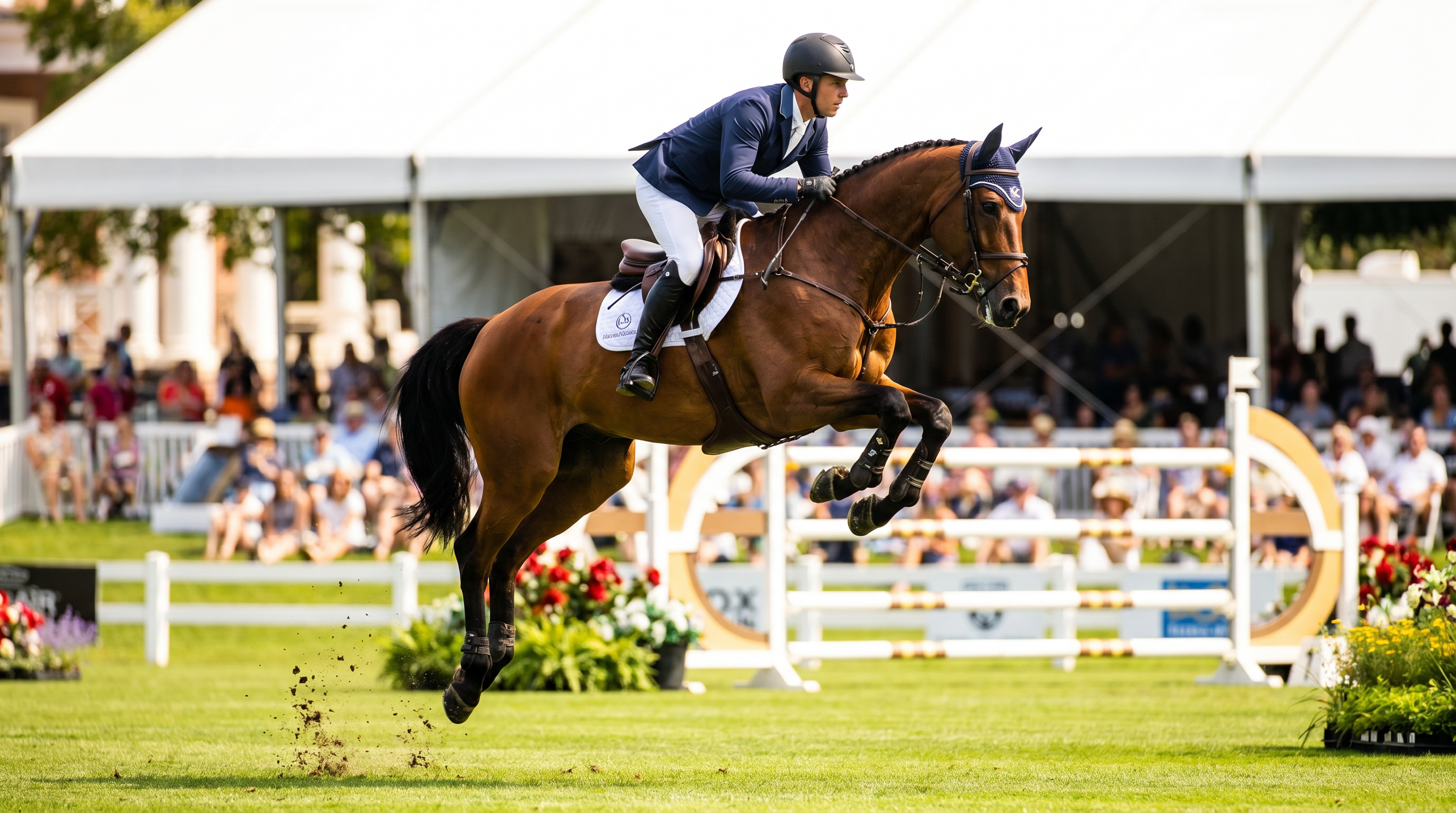
The most notable human casualty of the spring season was six-time U.S. Olympian McLain Ward. Ward was slated to compete in the Longines FEI Jumping World Cup Final in Fort Worth, Texas, in early April, riding the 12-year-old gelding Jordan Molga M.[1][4]
However, Ward was forced to withdraw due to a combination of physical setbacks. After initially dealing with a hand issue that kept him out of the international arena for three weeks, Ward sustained a subsequent back injury that extended his time on the sidelines.[1]
Ward's absence opened the door for fellow American Lillie Keenan, who stepped in to replace him with her mount, Kick On. Ward, who previously won the 2017 World Cup title on HH Azur, noted the timing was "inopportune" but prioritized proper healing over rushing back to the saddle.[1][4]

In the dressage world, the German equestrian community was rocked by a severe accident involving Riding Master Hubertus Schmidt. In late March, the 64-year-old veteran was thrown from an eight-year-old horse at his Fleyenhof training facility.[2]
Schmidt suffered multiple fractures, including breaks to his collarbone, ribs, pubic bone, and pelvis. He was transported to an emergency room in Paderborn and required multiple surgeries to stabilize the extensive injuries.[2]
Schmidt suffered multiple fractures, including breaks to his collarbone, ribs, pubic bone, and pelvis.
Despite the severity of the fall, Schmidt has maintained a remarkably positive outlook. A week after the accident, he credited his wife Doris and his team of riders for their support, expressing confidence that he would be "back on my feet in no time."[2]
Equine athletes are also facing their share of setbacks, reshaping team selection strategies. Jane, a top-ranked 12-year-old U.S. Grand Prix dressage mare ridden by Marcus Orlob, was sidelined following a paddock injury sustained during a break in her schedule.[3]

The injury forced Jane to miss the U.S. National Grand Prix Championships in Ocala, Florida, in mid-May. This absence complicates the pair's qualification path for the World Championships in Aachen, Germany, this August, though special selection provisions may still allow them to compete if the mare proves her fitness.[3]
This spate of high-profile injuries coincides with a renewed, sport-wide emphasis on safety and recovery protocols. Governing bodies are increasingly relying on data to implement stricter return-to-sport guidelines, particularly concerning head injuries and concussions.[5][6]
For the 2026 season, British Showjumping introduced a mandatory 21-day suspension for any rider taken to the hospital or suspected of sustaining a concussion at a competition. The policy aims to prevent riders from returning to the saddle before their brains have fully healed, mitigating the risk of catastrophic secondary injuries.[5]

Similarly, the United States Equestrian Federation (USEF) has been refining its Return to Sport Concussion Strategy. Medical personnel are increasingly utilizing visio-vestibular exams to test balance and eye coordination, moving away from subjective self-reporting to ensure riders are genuinely fit to compete.[6]
As the summer season progresses, the focus for these elite athletes remains squarely on rehabilitation. For veterans like Ward and Schmidt, and top-tier horses like Jane, the road back to the five-star level requires patience, underscoring the delicate balance between competitive drive and long-term welfare in modern equestrian sport.[1][2][3]
How we got here
January 2026
The U.S. dressage mare Jane wins a major CDI5* event in Wellington, Florida.
March 23, 2026
German dressage master Hubertus Schmidt suffers a severe fall, sustaining multiple fractures.
April 2026
McLain Ward withdraws from the FEI Jumping World Cup Final due to back and hand injuries.
May 2026
Jane misses the U.S. National Grand Prix Championships due to a paddock injury.
June 2026
Governing bodies emphasize strict return-to-sport protocols as injured athletes focus on rehabilitation.
Viewpoints in depth
The Competitor's Reality
The drive to return to the arena balanced against the physical realities of severe injury.
For elite riders like McLain Ward and Hubertus Schmidt, injuries are an occupational hazard that disrupt meticulously planned seasons. The pressure to qualify for major championships often tempts athletes to rush their recovery. However, as Ward noted regarding his 'inopportune' back injury, the physical demands of controlling a 1,500-pound animal require absolute physical integrity, forcing even the most competitive riders to prioritize long-term healing over immediate accolades.
The Regulatory Push for Safety
Governing bodies are stepping in to mandate recovery times, removing the decision from the athletes.
Historically, equestrian culture has celebrated a 'get back on the horse' mentality, sometimes to the detriment of rider safety. Regulators are actively working to change this culture through policy. By implementing mandatory 21-day suspensions for concussions and requiring objective visio-vestibular exams, federations are taking the decision-making power away from adrenaline-fueled athletes and placing it in the hands of medical professionals.
Equine Welfare Management
Managing the delicate health of top-tier horses during their downtime.
When a horse like Jane sustains an injury, the recovery protocol is often more complex than that of a human athlete. Equine rehabilitation requires a delicate balance of rest to allow tissue healing and controlled movement to prevent secondary issues like colic or muscle atrophy. The decision to pull a horse from a championship qualifier is never taken lightly, reflecting a modern standard of horsemanship that prioritizes the animal's welfare above national team ambitions.
What we don't know
- Whether McLain Ward will be fully fit in time for the late summer outdoor jumping season.
- If Jane will recover quickly enough to satisfy the special selection provisions for the U.S. World Championship dressage team.
- How strictly the new 21-day concussion rules will be enforced across all international equestrian federations.
Key terms
- FEI
- The Fédération Équestre Internationale, the international governing body for equestrian sports.
- Grand Prix
- The highest level of competition in dressage and showjumping, featuring the most complex movements and highest obstacles.
- USEF
- The United States Equestrian Federation, the national governing body for equestrian sports in the U.S.
- Visio-vestibular exam
- A medical test used to assess balance and eye movement coordination, increasingly used to diagnose concussions in riders.
- CDI5*
- A Concours de Dressage International five-star event, representing the highest level of international dressage competition.
Frequently asked
Why did McLain Ward miss the 2026 World Cup Final?
Ward withdrew from the FEI Jumping World Cup Final in April due to a combination of a hand issue and a subsequent back injury.
What happened to German rider Hubertus Schmidt?
In late March 2026, Schmidt suffered a severe fall from a horse at his training facility, sustaining multiple fractures to his collarbone, ribs, and pelvis.
How do equestrian concussions affect a rider's season?
New rules, such as British Showjumping's 21-day mandatory suspension for suspected concussions, require riders to sit out of competition to ensure their brains fully heal before returning to the saddle.
Will the dressage horse Jane compete in the World Championships?
Jane missed the U.S. National Grand Prix Championships due to a paddock injury, but special selection provisions could still allow her to qualify for the World Championships in Aachen if she recovers in time.
Sources
Source coverage
6 outlets
3 viewpoints surfaced





[1]World of ShowjumpingEquestrian Competitors & Teams
McLain Ward sidelined due to an additional injury, misses out on the FEI Jumping World Cup™ Final
Read on World of Showjumping →[2]EurodressageEquestrian Competitors & Teams
Hubertus Schmidt Severely Injured in Riding Accident
Read on Eurodressage →[3]Dressage-NewsEquine Welfare Specialists
Jane Sidelined With Injury, Likely Out of Grand Prix Championships
Read on Dressage-News →[4]Horse NetworkEquestrian Competitors & Teams
McLain Ward & Charlotte Dujardin Withdraw from 2026 World Cup Final
Read on Horse Network →[5]Horse & HoundSport Safety Regulators
British Showjumping concussion rule: 21-day suspension
Read on Horse & Hound →[6]Dressage TodaySport Safety Regulators
Safety at Horse Shows and Concussion Prevention
Read on Dressage Today →
More in sports
See all 13 stories →Olympic Sustainability
How the LA 2028 Olympics Will Run Entirely on Existing Stadiums
0 sources

NBA Finals
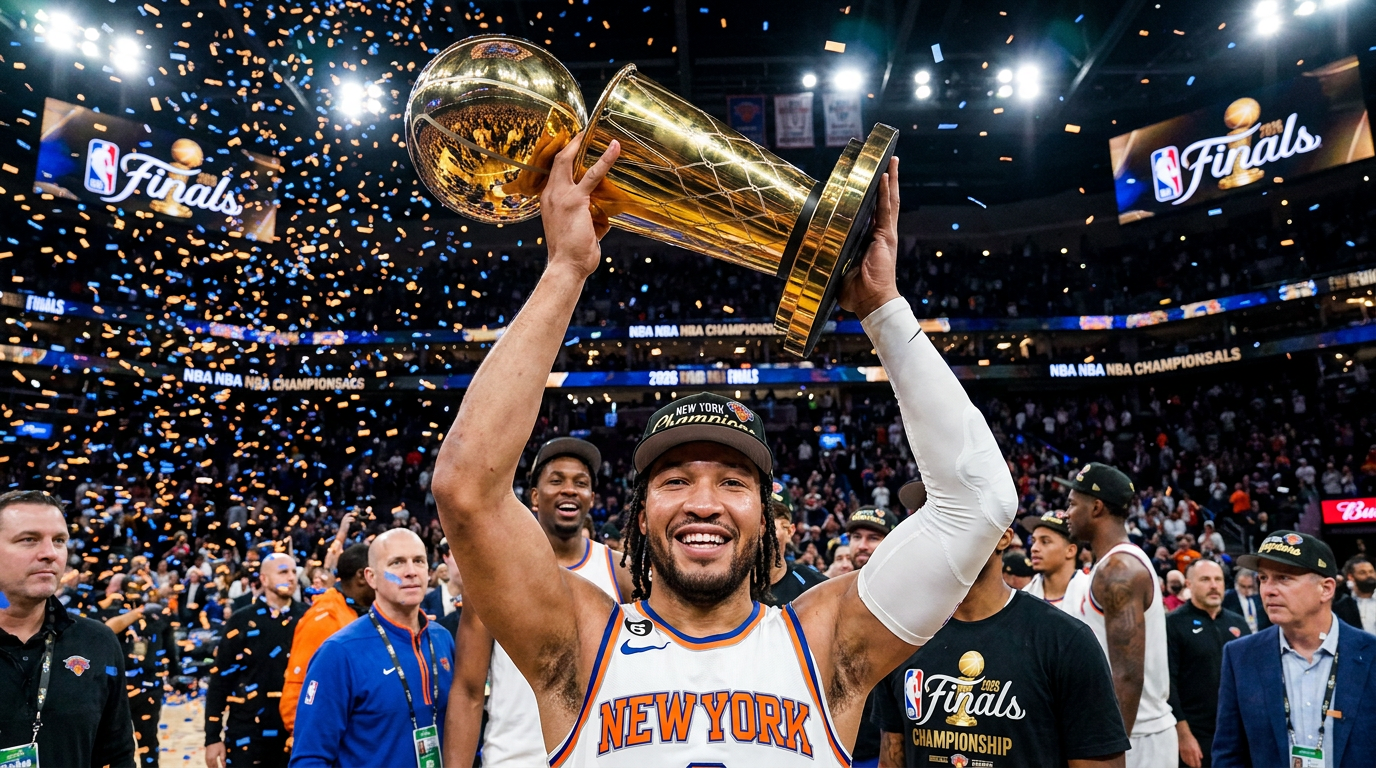
New York Knicks Win 2026 NBA Finals, Ending 53-Year Championship Drought
0 sources
NBA Finals
New York Knicks Capture First NBA Championship Since 1973
0 sources
Hockey Strategy
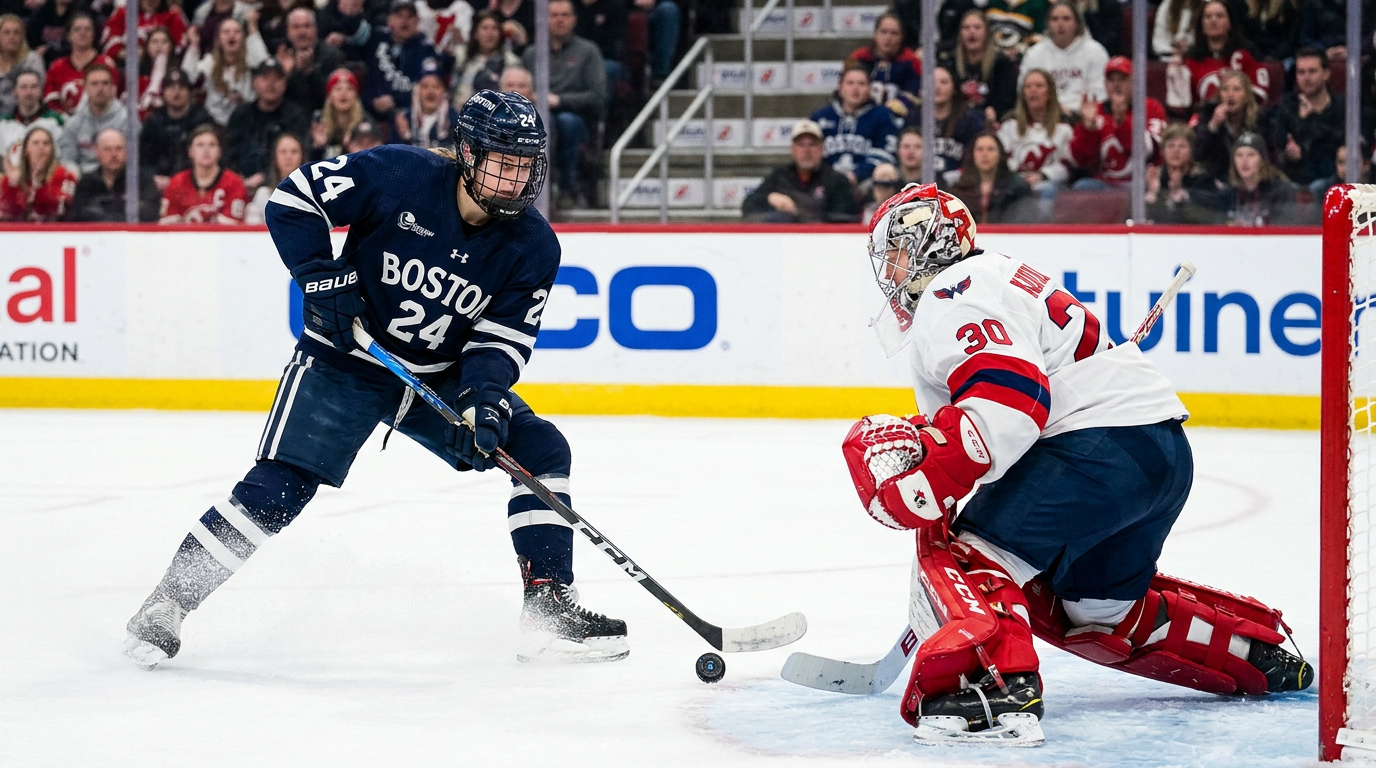
How the PWHL's 'Jailbreak' and 'No Escape' Rules Are Rewriting Hockey Strategy
0 sources
Every angle. Every day.
Get sports stories with full source coverage and perspective breakdowns delivered to your inbox.