
EPA Finalizes Repeal of Greenhouse Gas Endangerment Finding and Federal Vehicle Emission Standards
The Environmental Protection Agency has formally revoked the 2009 legal finding that greenhouse gases threaten public health, simultaneously eliminating all federal tailpipe emission standards.
By Anaya Sharma

- Environmental & Health Advocates
- View the repeal as a catastrophic rejection of established science that will accelerate climate change and worsen public health outcomes.
- Deregulation Advocates
- Argue that the EPA overstepped its authority with previous climate mandates, artificially inflating vehicle costs and restricting consumer choice.
- Automotive Industry
- Divided between welcoming regulatory relief and fearing a fractured U.S. market where different states enforce conflicting manufacturing standards.
- State Regulators
- Determined to defend their legal right to set independent, stricter emission standards to protect local air quality.
Perspectives this story doesn't cover
- International climate negotiators
- Public health officials managing localized smog
The Environmental Protection Agency has finalized a sweeping regulatory rollback that repeals the 2009 Greenhouse Gas Endangerment Finding, effectively stripping the agency of its legal mandate to regulate carbon dioxide and other climate-warming emissions under the Clean Air Act.[1]
Alongside the repeal of the foundational climate document, the agency immediately eliminated all federal vehicle emission standards. The move ends mandates that had previously forced automakers to steadily increase fleet-wide fuel efficiency and transition their production lines toward electric vehicles over the next decade.[1][2]
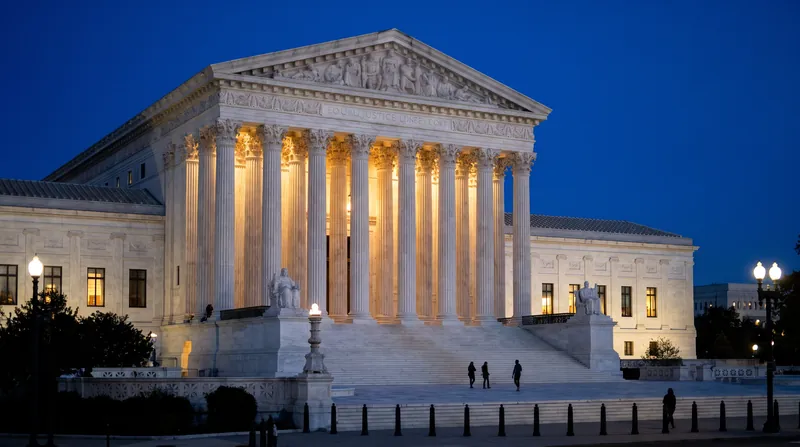
The original 2009 Endangerment Finding was issued in response to a 2007 Supreme Court decision, Massachusetts v. EPA, which required the agency to determine whether greenhouse gases threatened public health and welfare. The EPA's affirmative conclusion at the time became the legal trigger requiring the federal government to regulate emissions from vehicles, power plants, and industrial facilities.
By revoking that finding, the current EPA asserts that the 2009 scientific and legal conclusions were flawed and overstepped congressional intent. The administration framed the rollback as a major victory for American consumers and the free market, arguing that previous mandates artificially inflated vehicle prices and forced Americans into purchasing electric vehicles they did not want.[2]
Environmental groups and climate scientists immediately condemned the move, calling it a catastrophic abdication of federal responsibility. Researchers pointed out that the repeal ignores decades of peer-reviewed climate science and physical evidence of accelerating global warming, warning that the U.S. will now drastically miss its international emission reduction targets.[4]
Environmental groups and climate scientists immediately condemned the move, calling it a catastrophic abdication of federal responsibility.
The automotive industry faces immediate and profound regulatory uncertainty. While some manufacturers welcomed the relief from stringent federal efficiency targets, industry analysts warned that a fractured market will disrupt long-term manufacturing supply chains and capital investments that were already geared toward electrification.[1][3]
The repeal sets up a monumental legal clash with California, which has historically held a unique federal waiver allowing it to set its own, stricter tailpipe emission standards. The EPA's new rule includes language attempting to preempt state-level regulations, directly threatening the 17 other states and the District of Columbia that have legally tied their vehicle standards to California's rules.[3]
Legal experts anticipate an immediate barrage of lawsuits from Democratic attorneys general, environmental coalitions, and public health organizations. These challenges are expected to seek emergency injunctions to halt the repeal, likely fast-tracking the dispute through the federal appellate courts and ultimately back to the Supreme Court.
Internationally, the rollback signals a definitive U.S. retreat from global climate commitments. Diplomatic observers note that the complete removal of federal emission standards complicates ongoing international efforts to curb greenhouse gases, as the world's second-largest emitter abandons its primary domestic enforcement mechanism.[4]
As the final rule is published in the Federal Register, automakers must quickly decide whether to continue honoring voluntary emission agreements struck with individual states or pivot their production lines to take advantage of the newly deregulated federal landscape. The outcome will reshape the American automotive market and the trajectory of U.S. carbon emissions for decades.[1][3]
Key points
- The EPA has finalized the repeal of the 2009 Greenhouse Gas Endangerment Finding.
- All federal vehicle tailpipe emission standards and EV transition mandates have been eliminated.
- The administration argues the move lowers vehicle costs and restores consumer choice.
- Environmentalists and scientists warn the rollback ignores climate science and jeopardizes emission targets.
- The rule attempts to preempt California and 17 other states from enforcing their own stricter standards.
- Immediate legal challenges are expected to push the dispute to the Supreme Court.
Why this matters
This ruling dismantles the legal foundation for all federal climate regulation in the United States. By removing the Endangerment Finding, the EPA strips its own authority to mandate emissions cuts for power plants and vehicles, likely triggering years of Supreme Court battles and leaving climate policy entirely to individual states.
Sources
Source coverage
4 outlets
4 viewpoints surfaced




- [1]ReutersState Regulators
EPA finalizes repeal of greenhouse gas endangerment finding, ends federal vehicle emission rules
Read on Reuters → - [2]Fox NewsDeregulation Advocates
Trump birthright citizenship fight comes roaring back with page from Kavanaugh playbook
Read on Fox News → - [3]BloombergAutomotive Industry
Auto industry faces regulatory chaos as EPA repeals federal emission standards
Read on Bloomberg → - [4]ScienceEnvironmental & Health Advocates
Scientists warn of climate fallout as EPA repeals foundational greenhouse gas finding
Read on Science →
Comments
More in News & Politics
See all →Trade Dispute Resolution
Bypassing the Appellate Body: How 53 WTO Members Use the MPIA to Settle Trade Disputes
7 sources

International Court of Justice
Germany Asks ICJ to Dismiss Nicaragua's Case Over Arms Exports to Israel
7 sources

IMF Quotas
The Four Variables That Dictate Voting Power Inside the International Monetary Fund
7 sources

Saxony-Anhalt Election
AfD Secures Historic Plurality in Saxony-Anhalt State Election as CDU Support Collapses
6 sources

Every angle. Every day.
Get News & Politics stories with full source coverage and perspective breakdowns delivered to your inbox.