
Asheville Bars Landlords From Collecting Rent on Unsafe Housing
A new city ordinance makes it illegal for property owners to charge rent on units that violate minimum safety standards, shifting leverage to tenants in substandard housing.

Share this story
Asheville renters living in units with severe safety violations no longer owe rent to their landlords. Under a new ordinance passed by the Asheville City Council on September 10, 2026, property owners are legally barred from collecting payments on homes deemed unsafe or in violation of minimum housing codes.[1]
The "No Rent for Slumlords" measure targets properties with critical defects such as failing heating systems, structural damage, or severe mold. Once a city inspector officially cites a unit for safety violations, the landlord's right to collect rent is suspended until the repairs are completed and verified by the municipality.[2]
The policy shift follows months of pressure from local housing coalitions. Organizations including the Government Accountability Project of Asheville and Indivisible Asheville mobilized residents to demand stronger municipal intervention in the rental market, arguing that tenants were paying full price for uninhabitable conditions.[3]
"Renters should not be forced to pay for housing that threatens their health and safety," Indivisible Asheville stated in its campaign materials leading up to the vote, urging the council to adopt the measure to protect vulnerable tenants from exploitation.[3]
The rent-withholding ordinance was part of a broader package of tenant protections considered during the September session. The council also reviewed the Deaverview neighborhood plan, signaling a wider municipal focus on housing stability and neighborhood redevelopment across the city.
Despite the legislative victory for renters, immediate questions remain regarding the city's capacity to enforce the new rules. The ordinance relies on official citations to trigger the rent suspension, meaning tenants must first secure a city inspection before they can legally withhold their payments.[1]
Legal analysts and housing reporters note that without a proactive rental registry or an expanded code enforcement department, the burden still falls heavily on tenants to report violations. "The central question remains how enforceable the ordinance is in practice," BPR News reported following the vote.[1]
For the policy to function as intended, Asheville will need to streamline its inspection request process and ensure tenants are protected from retaliatory evictions while waiting for code enforcement to arrive. The ordinance signals a definitive shift in renters' rights, establishing a legal precedent that habitability is a prerequisite for rent collection.
Why this matters
Renters living with severe leaks, mold, or broken heating now have legal grounds to withhold payment without facing immediate eviction, fundamentally changing the balance of power in the local housing market.
Viewpoints in depth
Tenant Advocates
Housing coalitions view the ordinance as a necessary rebalancing of power in the rental market.
For advocacy groups like Indivisible Asheville and the Government Accountability Project, the ordinance corrects a fundamental market failure: tenants paying full market rates for homes that lack basic safety features. These groups argue that without the financial leverage of rent withholding, tenants have no effective mechanism to force negligent landlords to repair failing heating systems, structural damage, or severe mold. By legally tying rent collection to habitability, advocates believe the city has removed the financial incentive to operate substandard housing.
Municipal Enforcement
City officials and legal observers are focused on the logistical hurdles of implementing the new rules.
While the ordinance establishes strong theoretical protections, its practical success depends entirely on the city's code enforcement apparatus. Because the rent suspension is only triggered by an official citation, the city must be able to process inspection requests quickly. Legal analysts point out that if tenants face long wait times for an inspector to arrive, they remain vulnerable to living in unsafe conditions or facing retaliatory eviction attempts before the official citation can be issued.
Property Owners
Landlords and industry groups often express concern over the criteria used to define unsafe housing.
Though not heavily featured in the initial wave of coverage, property owner associations typically argue that rent withholding ordinances can be weaponized by tenants seeking to avoid payment for minor or cosmetic issues. The success of the Asheville ordinance will likely depend on the city's ability to clearly delineate between critical safety violations that warrant rent suspension and routine maintenance disputes that do not, ensuring the policy targets genuine slumlords rather than penalizing owners for standard wear and tear.
Key points
- Asheville landlords can no longer collect rent on properties cited for severe safety violations.
- The rent suspension remains in effect until the property owner completes necessary repairs.
- Tenants must secure an official city inspection to trigger the legal rent withholding.
- Tenant Advocates
- Argue that habitability must be a legal prerequisite for rent collection to prevent exploitation.
- Municipal Officials
- Focus on establishing legal frameworks to improve the city's housing stock and protect vulnerable residents.
- Policy Skeptics
- Question the practical impact of the ordinance given the city's current code enforcement capacity.
Perspectives this story doesn't cover
- Independent landlords
- City code inspectors
Sources
Source coverage
3 outlets
3 viewpoints surfaced



- [1]BPR NewsMunicipal Officials
Asheville passes a 'No Rent for Slumlords' ordinance, but how enforceable is it?
Read on BPR News → - [2]Mountain XpressMunicipal Officials
Asheville bars landlords from collecting rent on homes deemed unsafe
Read on Mountain Xpress → - [3]Indivisible AshevilleTenant Advocates
Tell Asheville City Council: No Rent for Slumlords
Read on Indivisible Asheville →

More in Community
See all →Labor Organizing
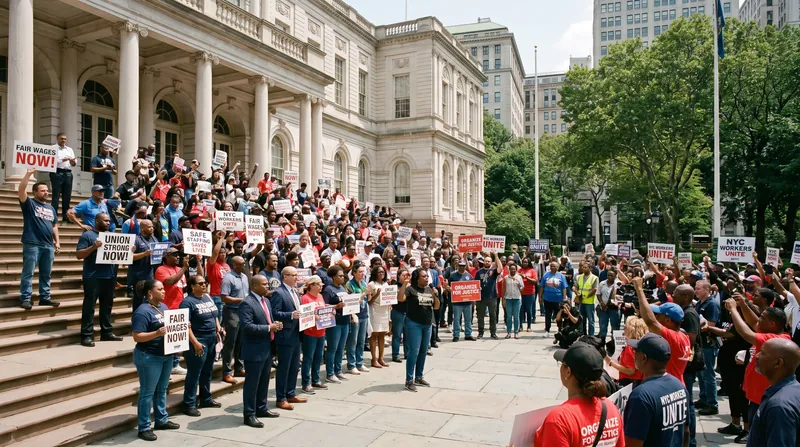
New York City Launches First-in-Nation Office of Worker Power to Aid Private-Sector Organizing
6 sources
Municipal Finance
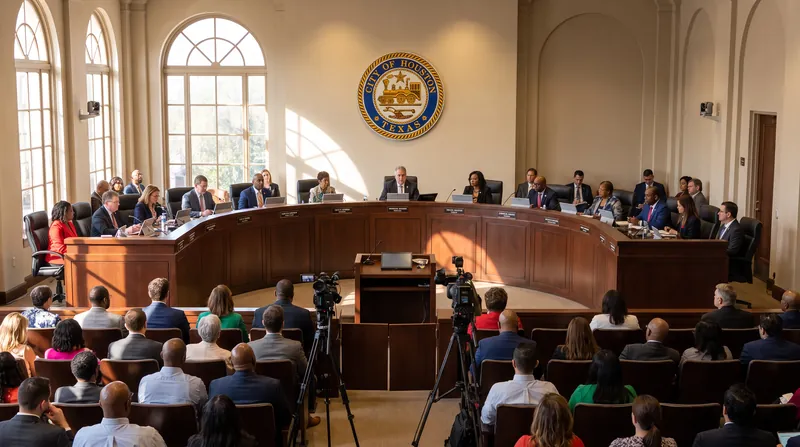
Houston and The Woodlands Finalize $50 Million Agreement to Permanently Block Annexation
2 sources
Municipal Labor
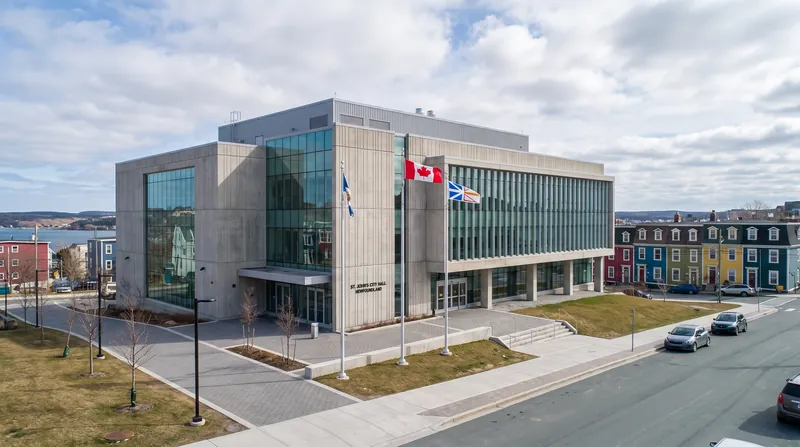
St. John's City Council Ratifies Four-Year CUPE Contract Despite Taxpayer Concerns
3 sources
Brown Act Overhaul
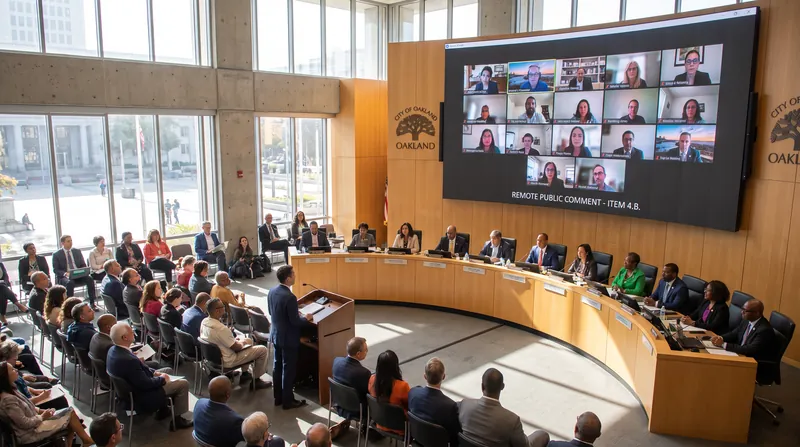
California's New Brown Act Overhaul Mandates Teleconference Access and Curbs Official Social Media Use
7 sources
Comments
Every angle. Every day.
Get Community stories with full source coverage and perspective breakdowns, free every day.