
Alexander Zverev Captures First Grand Slam Title at 2026 French Open
After 13 years on tour and three previous final defeats, Germany's Alexander Zverev defeated Italy's Flavio Cobolli in a five-set thriller to win his maiden major championship.
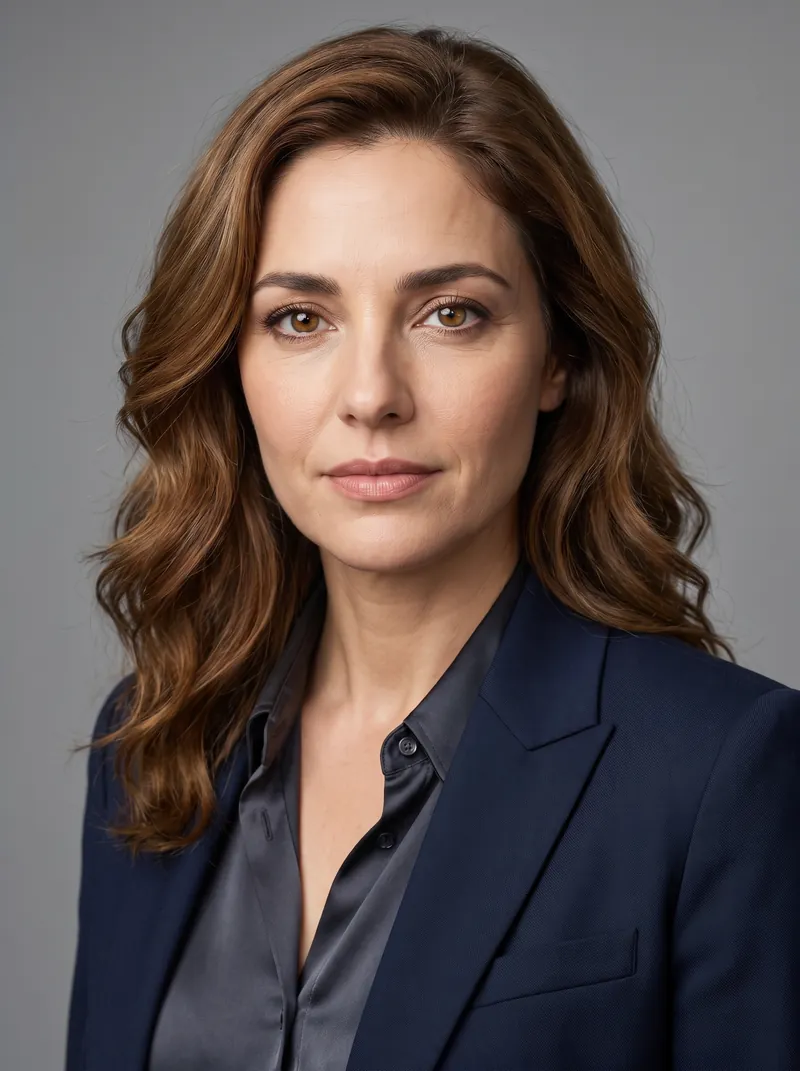
Share this story
After thirteen years of professional tennis, three agonizing defeats on the sport's biggest stages, and a catastrophic injury that nearly ended his career, Alexander Zverev is finally a Grand Slam champion. On a sun-drenched Sunday in Paris, the 29-year-old German world No. 3 defeated Italy's Flavio Cobolli in a grueling five-set final to capture the 2026 French Open title.
When Cobolli's final shot sailed long after four hours and sixteen minutes of breathless competition, Zverev collapsed onto the red clay of Court Philippe-Chatrier in tears, burying his face in his hands as the weight of a decade-long pursuit lifted off his shoulders. The 6-1, 4-6, 6-4, 6-7 (5-7), 6-1 victory secured the Coupe des Mousquetaires and cemented Zverev's transition from the perennial nearly-man of men's tennis to a major champion.[1][2]
The triumph ends a historic drought for German men's tennis, making Zverev the first German man to win a major singles title since Boris Becker triumphed at the Australian Open exactly thirty years ago in 1996. Furthermore, he becomes the first German man to win the French Open in the Open Era, and the first overall since Henner Henkel in 1937.
For Zverev, the victory also erases the lingering trauma of his 0-3 record in previous Grand Slam finals. He had famously surrendered a two-set lead to Dominic Thiem at the 2020 US Open, lost a two-sets-to-one advantage against Carlos Alcaraz on this very court in 2024, and fell to Jannik Sinner at the 2025 Australian Open. Securing his maiden major on his 41st main draw appearance places him among the most persistent champions in the sport's history.[1][3][5]
For Zverev, achieving this milestone on Court Philippe-Chatrier offered a profound sense of poetic justice. Four years earlier, during a grueling 2022 semi-final against Rafael Nadal, Zverev suffered a horrific fall on the same Parisian clay, tearing seven ligaments and fracturing two bones in his ankle. He was wheeled off the court in agony, an injury that sidelined him for six months and threatened to derail his prime athletic years.
"I was laying in that corner over there four years ago with seven broken ligaments," Zverev reflected during the trophy presentation, gesturing to the baseline. "I lost a Grand Slam final here two years ago, but now, finally, it's a happy ending." The emotional resonance of conquering his physical and mental demons in the exact arena where he experienced his darkest professional moment was palpable to the capacity crowd.[5][6]
The final itself was a microcosm of Zverev's turbulent career, characterized by moments of sheer dominance interspersed with bouts of crippling tension. Zverev entered the match as the heavy favorite against the 24-year-old Cobolli, who was playing in his first-ever Grand Slam final. The German capitalized on his opponent's early nerves, racing through the opening set 6-1 with a barrage of unreturnable first serves and punishing groundstrokes.
However, Cobolli, buoyed by a vocal contingent of Italian supporters, quickly settled into the rhythm of the match. The 10th seed showcased the aggressive, shot-making tennis that had defined his breakthrough fortnight, securing a crucial break in the second set to level the match and signaling to Zverev that the afternoon would not be a straightforward coronation.[1][4]
As the match deepened into the third and fourth sets, the psychological stakes became increasingly apparent. Zverev managed to secure the third set 6-4, but his historical propensity for tightening up in crucial moments resurfaced in the fourth. With his forehand growing tentative and his second serve faltering, Zverev allowed Cobolli to dictate the baseline rallies.
The Italian matched Zverev shot for shot, executing audacious drop shots and threading passing winners down the line. The tension peaked in a dramatic fourth-set tiebreak. Despite holding an early advantage, Zverev lost four consecutive points, allowing Cobolli to snatch the tiebreak 7-5 and force a deciding fifth set for the second consecutive year in a Roland-Garros men's final. For a fleeting moment, the ghosts of Zverev's past collapses seemed poised to strike again.[2][6]
Yet, in the crucible of the fifth set, Zverev finally rewrote his own script. Rather than retreating into a defensive shell, the German reset his focus and leaned on his superior physical conditioning and vast tour experience. Cobolli, having spent over three hours matching the world No. 3's intensity, began to show signs of profound fatigue.
His energy levels dipped, and his unforced error count climbed as his legs grew heavy. Zverev ruthlessly capitalized, breaking the Italian's serve early in the decider and maintaining a calm, clinical composure that had eluded him in previous finals. He surged to the net with renewed confidence, ultimately serving out the final set 6-1 in dominant fashion to cross the finish line that had taunted him for over a decade.[1][2][4]
Despite the heartbreaking defeat, the tournament represented a monumental leap forward for Flavio Cobolli. The 24-year-old arrived in Paris having never advanced past a Grand Slam quarter-final, but his scintillating run to the championship match guarantees his debut in the ATP top 10. Bidding to become the first Italian man to win the French Open since Adriano Panatta in 1976, Cobolli won over the Parisian crowd with his resilience and flair.
He was exceptionally gracious in defeat, acknowledging the significance of the moment for his opponent. "If somebody asks me who deserved this title, I always said you," Cobolli told Zverev during the trophy ceremony, before adding with a wry smile, "Now that you've achieved your dream, let me win the next time."[1][3]
Zverev's path to the title was undoubtedly aided by one of the most chaotic and unpredictable men's Grand Slam draws in recent memory. The tournament was blown wide open before a ball was struck when two-time defending champion Carlos Alcaraz withdrew due to a persistent wrist injury. The draw was further fractured by the shocking early exits of world No. 1 Jannik Sinner and 24-time major champion Novak Djokovic during the opening week.
Zverev's path to the title was undoubtedly aided by one of the most chaotic and unpredictable men's Grand Slam draws in recent memory.
Recognizing the rare vacuum at the top of the draw, Zverev managed the immense internal pressure of knowing this was his golden opportunity. He navigated a treacherous path that required him to hold his nerve while the rest of the established elite faltered, proving that he possessed the mental fortitude to capitalize when the door was left ajar.[2][6]
With the Coupe des Mousquetaires now safely in his possession, Alexander Zverev has fundamentally altered the trajectory of his legacy. For years, he carried the heavy, unwanted moniker of being "the best active player never to win a Grand Slam." He had amassed 25 ATP tour-level titles, two ATP Finals crowns, and an Olympic gold medal, but the absence of a major championship remained a glaring asterisk next to his name.
By conquering his demons on the red clay of Paris, Zverev has validated his immense talent and secured his place in tennis history. As the tour pivots toward the grass-court season, the 29-year-old will no longer be defined by the matches he let slip away, but by the Sunday in Paris where he finally stood his ground and emerged a champion.[1][2][5]
Key points
- Alexander Zverev won his first career Grand Slam title by defeating Flavio Cobolli 6-1, 4-6, 6-4, 6-7 (5-7), 6-1 at the 2026 French Open.
- The victory ends a 30-year drought for German men in major singles tournaments, dating back to Boris Becker in 1996.
- Zverev overcame the mental hurdle of three previous Grand Slam final defeats and a catastrophic 2022 ankle injury on the same Parisian court.
- 24-year-old runner-up Flavio Cobolli made his first major final appearance, securing his debut in the ATP top 10 rankings.
- The tournament draw was blown wide open by the injury withdrawal of Carlos Alcaraz and the early exits of Jannik Sinner and Novak Djokovic.
How we got here
1996
Boris Becker wins the Australian Open, the last German man to win a major singles title before Zverev.
Sept 2020
Zverev loses his first Grand Slam final at the US Open, surrendering a two-set lead to Dominic Thiem.
June 2022
Zverev tears seven ligaments in his ankle on Court Philippe-Chatrier during the French Open semi-final, missing six months of competition.
June 2024
Zverev reaches his second French Open final but loses a two-sets-to-one lead against Carlos Alcaraz.
Jan 2025
Zverev falls to Jannik Sinner in the Australian Open final, dropping to 0-3 in major title matches.
June 7, 2026
Zverev defeats Flavio Cobolli in five sets to finally capture his maiden Grand Slam title at Roland-Garros.
- Zverev's Camp & German Supporters
- Celebrates the end of a 30-year national drought and the culmination of a grueling 13-year personal quest marked by injury and heartbreak.
- Cobolli's Camp & Italian Supporters
- Views the final as a massive developmental milestone for the 24-year-old, despite falling short of ending Italy's 50-year French Open drought.
- Neutral Tennis Analysts
- Focuses on how Zverev overcame his historical mental hurdles to capitalize on a rare, wide-open tournament draw.
Perspectives this story doesn't cover
- Carlos Alcaraz and Jannik Sinner's camps on the missed opportunity
Sources
Source coverage
6 outlets
3 viewpoints surfaced






- [1]Olympics.comZverev's Camp & German Supporters
Alexander Zverev claimed his first Grand Slam title at Roland-Garros 2026
Read on Olympics.com → - [2]The GuardianNeutral Tennis Analysts
Alexander Zverev wins first grand slam after holding off Cobolli in French Open
Read on The Guardian → - [3]Al JazeeraCobolli's Camp & Italian Supporters
Alexander Zverev wins French Open to claim first Grand Slam title
Read on Al Jazeera → - [4]Sky SportsCobolli's Camp & Italian Supporters
Alexander Zverev wins elusive Grand Slam title after fourth attempt at final
Read on Sky Sports → - [5]BBC SportZverev's Camp & German Supporters
Sinner beats Zverev in thriller to retain Wimbledon title
Read on BBC Sport → - [6]Fox Sports AustraliaNeutral Tennis Analysts
Alexander Zverev defeats Flavio Cobolli in men's singles final
Read on Fox Sports Australia →
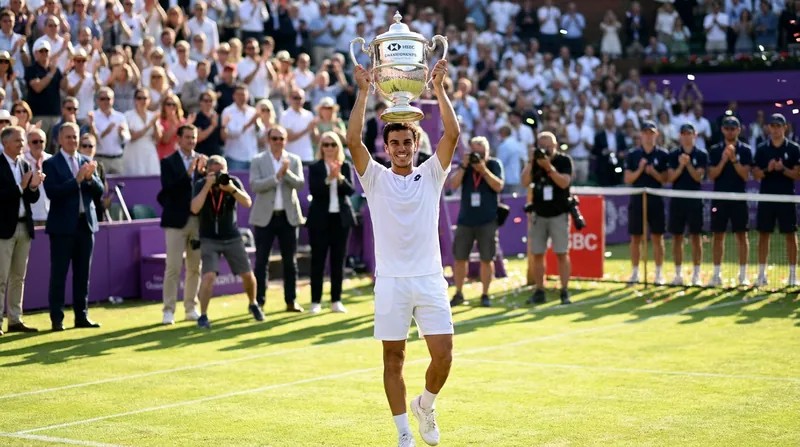
More in Sports
See all →Cricket Records
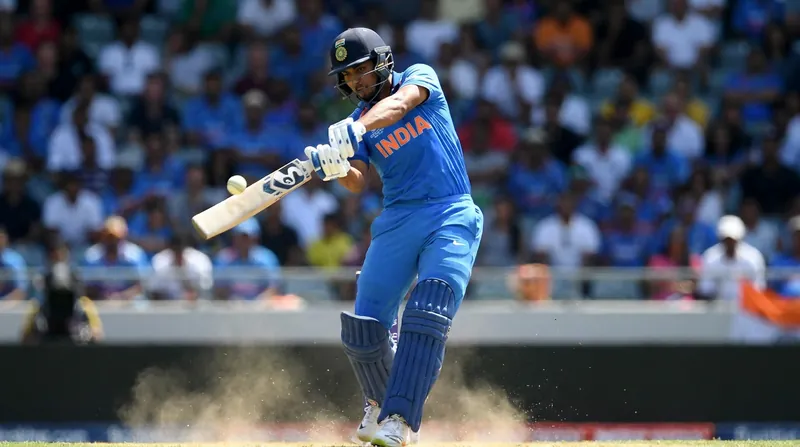
15-Year-Old Vaibhav Sooryavanshi Smashes Fastest Half-Century in List A Cricket History
2 sources
WNBA Records
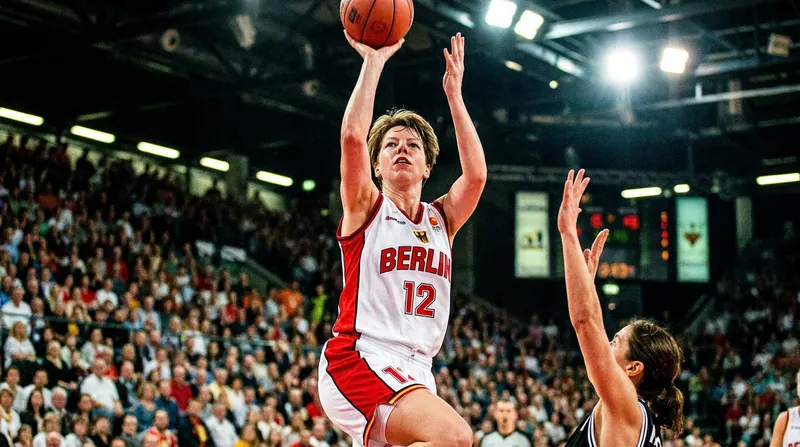
Marina Mabrey Ties WNBA Record With Nine 3-Pointers in Toronto Tempo Comeback Win
4 sources
U.S. Open
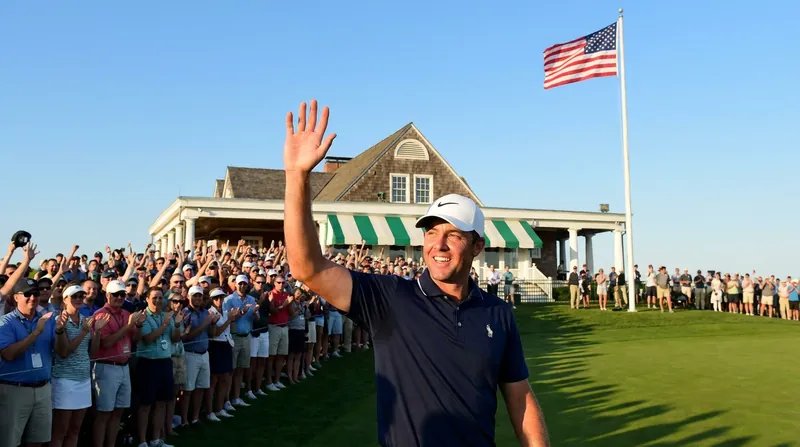
Wyndham Clark Sets 36-Hole Scoring Record at U.S. Open at Shinnecock Hills
2 sources
NBA Finals
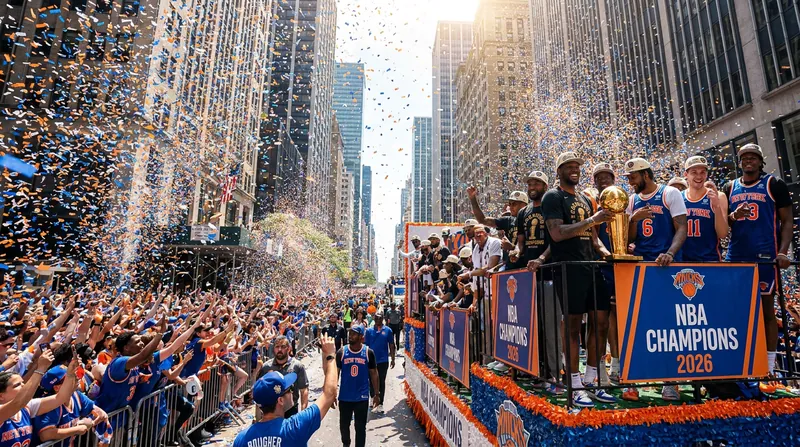
Millions Gather in Manhattan as New York Knicks Celebrate First NBA Title Since 1973
3 sources
Comments
Every angle. Every day.
Get Sports stories with full source coverage and perspective breakdowns, free every day.