
AC Milan Tops Serie A Transfer Revenue as 2026 Summer Window Closes
AC Milan emerged as Italy's most profitable club in the 2026 summer transfer market, outpacing unexpected high-earners Bologna and Parma. The window closed with over €1 billion invested across the league amid a strategic shift toward sustainable player trading.
By Jackson Reed

Share this story
The conventional wisdom surrounding Italian football is that Serie A clubs are trapped in a perpetual cycle of financial distress, forced to sell their brightest stars to the Premier League just to keep the lights on. The reality of the 2026 summer transfer window tells a radically different story. As the deadline passed, the league had orchestrated 239 deals and injected over €1 billion into the market, proving that Italy's top flight is no longer just a stepping stone, but a highly calculated trading floor.[3]
At the absolute summit of this financial recalibration sits AC Milan. The Rossoneri did not just survive the summer; they weaponized it. Milan topped the Serie A charts for transfer revenue, executing a series of high-margin departures that fundamentally reshaped their balance sheet without dismantling their core squad. This was not a fire sale, but a masterclass in asset management that leaves them financially bulletproof heading into the grueling autumn schedule.[1][2]
But the real shockwaves came from directly below Milan on the revenue table. Bologna and Parma—two clubs traditionally viewed as mid-table scrappers or relegation battlers—secured the second and third spots, respectively, in total transfer income. Their presence at the top of the financial standings underscores a seismic shift in how provincial Italian clubs are operating. They are no longer waiting to be picked apart; they are dictating the terms of engagement and extracting maximum value for their breakout talents.[2]
The mechanics of these deals highlight a growing sophistication in Serie A boardrooms. The top 10 most profitable sales of the summer were characterized by aggressive negotiation and a refusal to accept lowball offers from foreign suitors. Clubs are increasingly leveraging data analytics and global scouting networks to replace outgoing stars with undervalued assets, ensuring that massive revenue windfalls translate directly into sustainable squad building rather than short-term panic buys.[4]
This €1 billion summer represents a critical inflection point for the league. For years, Serie A executives have warned that competing with state-backed European giants required a smarter, leaner approach to the transfer market. Milan, Bologna, and Parma have just provided the blueprint. The stakes for the upcoming season are now crystal clear: the clubs that mastered the summer trading window have bought themselves the financial runway to compete, while those who clung to outdated spending models face a precarious path forward.[3]
As the dust settles and the focus shifts entirely to the pitch, the narrative of a financially beleaguered Serie A has been thoroughly dismantled. The 2026 window will be remembered as the moment Italian clubs stopped playing the victim in the global transfer market and started playing the house. The sheer volume of transactions indicates a league that is comfortable with high turnover, provided the margins make sense.[1][3]
The immediate challenge for Milan, Bologna, and Parma is integrating their new acquisitions while maintaining the tactical cohesion that made their outgoing players so valuable in the first place. The financial victories of August must now be validated by points in September, setting the stage for one of the most unpredictable Serie A campaigns in recent memory. The pressure now shifts from the sporting directors in the boardroom to the managers on the touchline.[2][4]
Ultimately, this window proves that profitability and ambition are no longer mutually exclusive in Italian football. By turning the transfer market into a strategic advantage rather than a necessary evil, Serie A's top earners have redefined what it means to be successful off the pitch, raising the bar for every front office in the country. The financial health of the league is stabilizing, and the product on the field is poised to reap the benefits.[1]
Key points
- AC Milan finished the 2026 summer transfer window as the highest-earning club in Serie A.
- Bologna and Parma secured the second and third spots in total transfer revenue.
- Serie A clubs completed 239 deals, resulting in over €1 billion invested across the league.
- The window highlighted a shift toward sustainable player trading and firm negotiating tactics.
How we got here
July 1, 2026
The Serie A summer transfer window officially opens.
Mid-August 2026
Bologna and Parma finalize major outbound deals, securing their spots near the top of the revenue charts.
September 1, 2026
Deadline day concludes with a flurry of late moves, pushing total league investment past the €1 billion mark.
- Financial Pragmatists
- Advocates for sustainable club management view Milan's strategy as the ideal blueprint.
- Market Analysts
- Observers focused on macroeconomic trends highlight the sheer scale of Serie A's €1 billion window.
- Player Valuation Experts
- Specialists focused on maximizing profit on individual sales and aggressive negotiation tactics.
Perspectives this story doesn't cover
- Fan groups concerned about losing star players
- Coaches frustrated by late squad disruptions
Sources
Source coverage
4 outlets
3 viewpoints surfaced




- [1]Football ItaliaFinancial Pragmatists
Serie A clubs ranked by transfer revenue in the 2026 summer window - latest
Read on Football Italia → - [2]OneFootballFinancial Pragmatists
Serie A transfer revenue 2026: Milan top list ahead of Bologna and Parma
Read on OneFootball → - [3]BeSoccerMarket Analysts
239 deals and over €1 billion invested: An in-depth breakdown of Serie A's transfer window
Read on BeSoccer → - [4]BetInfMarket Analysts
Italian Serie A Transfers in 2026/27 Season - Football - Sports Betting Information
Read on BetInf →
More in Sports
See all →Transfer Market
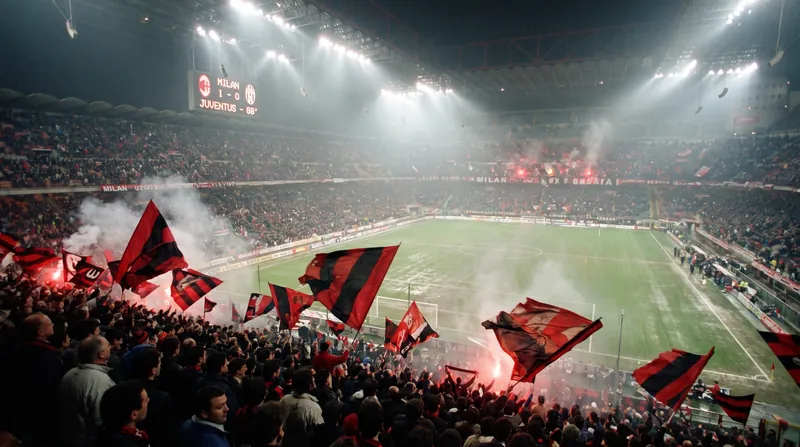
Juventus Completes Blockbuster €50 Million Signing of Randal Kolo Muani to Replace Dusan Vlahovic
7 sources
Transfer Market
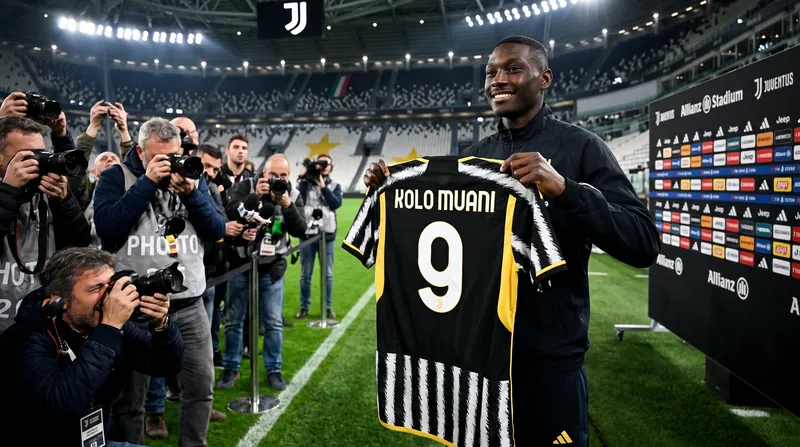
Inter Finalize €35M Deal for Tottenham Defender Djed Spence
8 sources
Transfer Market
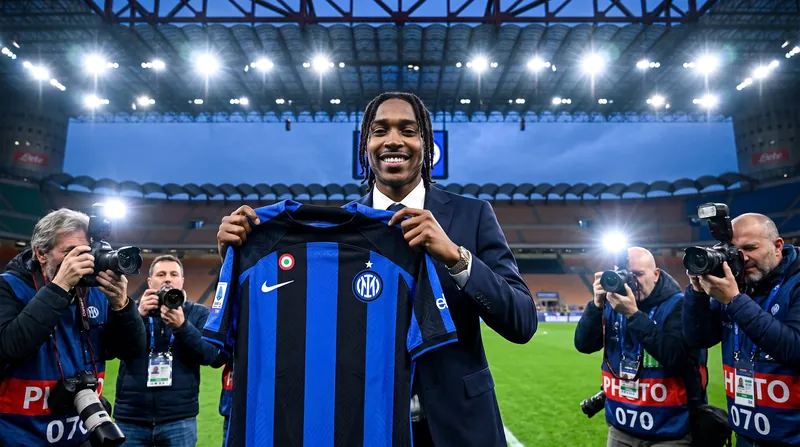
Napoli Sells Romelu Lukaku to Fenerbahce for €6M in Major Serie A Transfer Outflow
7 sources
Transfer Market
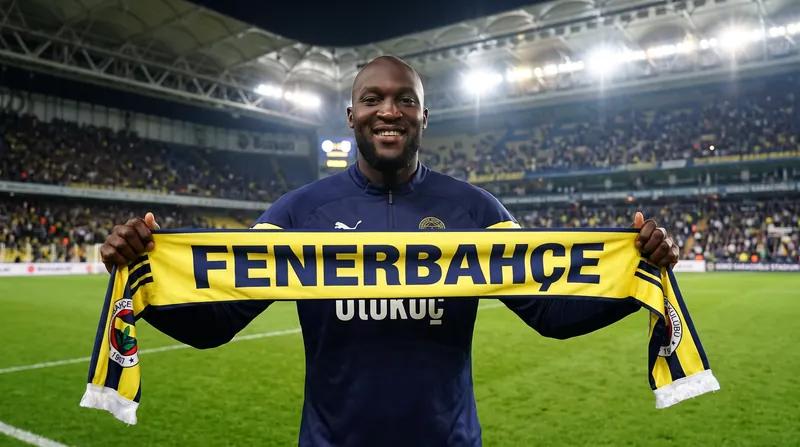
Como 1907 Stuns Serie A with €35M Signing of Chelsea Defender Trevoh Chalobah
5 sources

Comments
Every angle. Every day.
Get Sports stories with full source coverage and perspective breakdowns, free every day.