
2026 Global Weightlifting Injury Report: Major Returns and Setbacks Shape the Road to Ningbo
As the international weightlifting calendar accelerates toward the 2026 IWF World Championships, a wave of high-profile injury returns is reshaping the competitive landscape.
By Omar Haddad
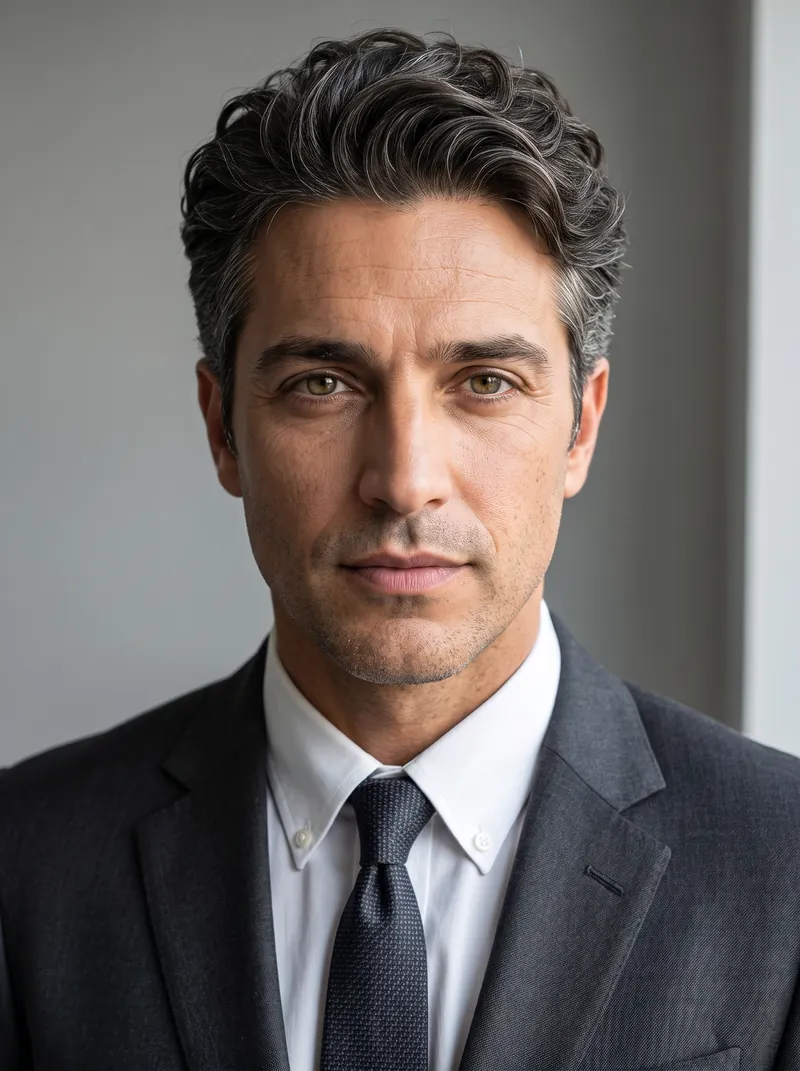
The road to the 2026 International Weightlifting Federation (IWF) World Championships in Ningbo, China, is well underway, but the entry lists are being heavily dictated by the medical tent. Following a grueling Olympic qualification cycle that pushed athletes to their physical limits, several top-tier lifters are finally making their long-awaited returns to the platform.
In a sport where structural injuries can easily end careers, these successful rehabilitation stories are reshaping the competitive landscape. At the same time, fresh setbacks for other rising stars serve as a stark reminder of the sport's unforgiving physical demands, forcing national federations to rethink how they manage athlete workloads ahead of major international meets.
The Italian national squad is seeing a massive boost to its roster this spring, providing a blueprint for successful injury recovery. Both Giulia Imperio and Giulia Miserendino are officially back in action after suffering significant injuries during the intense Paris qualification period.
Their return at the European Championships has immediately altered the calculus in their respective weight classes, proving that their extensive rehabilitation protocols were successful. For Italy, having two of their premier female lifters back on the platform not only bolsters their medal hopes but also demonstrates the effectiveness of modern sports medicine in guiding athletes back to elite performance levels.
Another major comeback story capturing the attention of the weightlifting world is Ukraine's Kamila Konotop. After a nearly two-year hiatus due to injury and a grueling recovery process, Konotop has triumphantly returned to the 58-kilogram division. She has already bumped her entry totals, indicating a highly successful competition prep cycle as she prepares to duel younger teammates and international rivals. Her return is a massive psychological and physical victory, highlighting the intense dedication required to rebuild strength and technique after a prolonged absence from the sport's highest levels.
On the men's side, Timur Naniev, competing as an Individual Neutral Athlete, is making his own highly anticipated return to the platform as a super-heavyweight. Naniev has posted a massive 415-kilogram entry total, immediately placing him in the upper echelon of the division and signaling that his physical condition is back to an elite baseline.
Returning to the super-heavyweight class requires an immense baseline of structural stability, and Naniev's massive entry total suggests his joints and connective tissues have fully healed, allowing him to handle the extreme loads required to medal on the world stage.
However, the injury report isn't entirely positive, as the sport's explosive demands continue to claim casualties. At the recent Asian Weightlifting Championships, Indonesian phenom Rizki Juniansyah suffered a severe hand injury that derailed his gold medal hopes.
Attempting a 202-kilogram clean and jerk to secure the top spot over China's Luo Chongyang, Juniansyah shredded his thumb, leaving him with a severely bloodied hand that forced him to settle for silver. Hand and grip injuries, while less structurally devastating than spinal issues, can completely sideline a lifter by making it impossible to secure the hook grip necessary for heavy pulls.
The physical toll of elite weightlifting is well-documented in sports medicine, providing context for why these comebacks are so remarkable. Systematic reviews indicate that Olympic weightlifting carries an injury rate of 2.4 to 3.3 injuries per 1,000 training hours.
The lumbar spine, knees, and shoulders bear the brunt of the explosive forces required to move massive loads from the floor to an overhead position. Unlike contact sports, these injuries are rarely the result of a single traumatic collision; instead, they stem from the cumulative wear and tear of thousands of heavy repetitions over a multi-year training cycle.[1]
Lower extremity and back injuries are particularly prevalent among competitive lifters. Lumbar spine injuries and patellofemoral pain syndrome—a chronic knee condition—are among the most common cumulative injuries for Olympic lifters. Males account for roughly 60% of weightlifting injuries overall, though female athletes show higher rates of specific joint issues during heavy training. The sheer compressive force placed on the spine during heavy squats and pulls requires pristine technique, and even minor deviations in form under maximal loads can lead to micro-tears that eventually cascade into major structural failures.[1]
In response to these inherent risks, national federations are instituting stricter medical oversight to protect their athletes. British Weight Lifting has implemented rigorous pre-departure injury and fitness assessments for the 2026 season. Athletes can be required to undergo comprehensive evaluations by sports science and medical personnel with just 72 hours' notice to prove their readiness before major events like the IWF World Junior Championships.
This proactive approach aims to catch minor tweaks before they develop into catastrophic injuries on the competition platform, ensuring that only fully healthy athletes are subjected to the stress of international travel and competition.
Similarly, federations are actively managing athlete workloads to prevent cumulative wear and tear, sometimes making difficult strategic decisions. The Indian Weightlifting Federation recently opted out of sending a team to the Youth World Championships in Colombia, citing both logistical strain and the critical need to manage lifters' physical peaks for upcoming Asian continental events. By selectively choosing which competitions to peak for, federations can build mandatory deload and recovery phases into their athletes' annual macrocycles, significantly reducing the risk of burnout and overuse injuries.[2]
For athletes recovering from severe setbacks, the psychological hurdle of returning to the platform is often as heavy as the barbell itself. Fear of re-injury affects a significant portion of lifters, causing hesitation under the bar that can ruin a lift or lead to compensatory movement patterns.
Making a successful return—like Konotop and Imperio have managed this season—is a testament to both physical rehabilitation and immense mental resilience. Overcoming the trauma of a major injury requires athletes to rebuild absolute trust in their bodies, a process that sports psychologists consider just as vital as physical therapy.
Making a successful return—like Konotop and Imperio have managed this season—is a testament to both physical rehabilitation and immense mental resilience.
As the calendar moves toward the Ningbo World Championships in October 2026, the medical status of these elite athletes will be the ultimate wildcard. The federations that best manage recovery protocols, balance training loads, and prevent cumulative joint damage will likely find themselves atop the medal table in China. For the fans, the 2026 season offers a compelling narrative of resilience, as the sport's biggest stars prove that a devastating injury doesn't have to be the end of the road, but rather the beginning of a triumphant second act.
Key points
- Giulia Imperio and Giulia Miserendino have successfully returned to the Italian squad following Paris qualification injuries.
- Ukraine's Kamila Konotop is back in the 58kg division after a nearly two-year hiatus.
- Indonesian star Rizki Juniansyah suffered a severe thumb injury at the Asian Weightlifting Championships.
- Olympic weightlifting carries an injury rate of 2.4 to 3.3 injuries per 1,000 training hours.
- National federations are implementing stricter pre-departure medical assessments to protect athletes.
How we got here
May 2025
Rizki Juniansyah suffers a severe thumb injury at the Asian Weightlifting Championships, costing him gold.
March 2026
Giulia Imperio and Giulia Miserendino confirm their return to the European Championships after Paris qualification injuries.
May 2026
British Weight Lifting implements strict 72-hour pre-departure medical assessments for international events.
October 2026
The IWF World Championships are scheduled to take place in Ningbo, China.
- Sports Medicine & Rehab
- Emphasizes that cumulative wear and tear is the primary driver of weightlifting injuries, advocating for strict load management.
- National Federations
- Focuses on the logistical and strategic elements of athlete health, implementing mandatory fitness tests and managing competition schedules.
- Athletes & Analysts
- Highlights the intense physical and psychological toll of the sport, balancing the fear of re-injury with the drive to win.
Perspectives this story doesn't cover
- Local Club Coaches
- Sports Psychologists
Sources
Source coverage
2 outlets
3 viewpoints surfaced


- [1]OrigymSports Medicine & Rehab
Common Olympic Weightlifting Injuries & How to Prevent Them
Read on Origym → - [2]The New Indian ExpressNational Federations
After organising trials, IWLF decides not to send weightlifting team for Youth World C'ships
Read on The New Indian Express →
More in Sports
See all →Standings
Women's 81kg Global Standings: Koanda, Ahmed, and Dajomes Set for Historic Clash at the 2026 Ningbo World Championships
6 sources
Standings
The Race to Ningbo: Li Wenwen, Park Hye-jeong, and Emily Campbell Headline the Women's +86kg Global Standings
8 sources
Standings
The Race to Ningbo: Luo Shifang, Rafiatu Lawal, and Kamila Konotop Headline the Women's 59kg Global Standings
8 sources
Injury
The Road to Ningbo: Kim Su-Hyeon and Sebastian Olivares Mount Major Comebacks Ahead of the 2026 World Championships
7 sources
Comments
Every angle. Every day.
Get Sports stories with full source coverage and perspective breakdowns, free every day.