
WADA Cuts Mandatory Blood Collection Wait Time for Athlete Biological Passport to 60 Minutes
Starting April 2026, athletes will only need to wait 60 minutes after training or competition before providing a blood sample, down from the previous two-hour requirement. The World Anti-Doping Agency rule change aims to reduce logistical burdens on athletes while maintaining the scientific integrity of the testing process.

When fans picture the grueling aftermath of an elite competition, they imagine ice baths, medical evaluations, and immediate rest. The reality for many tested athletes is far less glamorous: sitting in a sterile doping control room for up to two hours, unable to fully begin their recovery protocols while waiting for their blood plasma levels to stabilize. But starting April 1, 2026, that mandatory purgatory is being cut in half.[1]
The World Anti-Doping Agency (WADA) has officially revised its International Standard for Testing and Investigations (ISTI), reducing the mandatory wait time for post-exercise blood collection from 120 minutes to 60 minutes. The update applies specifically to the Hematological Module of the Athlete Biological Passport (ABP), a longitudinal tracking system that monitors an athlete's blood variables over time to detect the indirect effects of doping.[1][4]
For years, the two-hour rule was considered an untouchable scientific necessity. Exercise and postural changes drastically alter plasma volume—the liquid component of blood—which can artificially skew hemoglobin concentrations and other key metrics. Anti-doping authorities believed a full 120 minutes was required to ensure these values returned to a stable baseline, preventing false positives or inaccurate passport readings.[2]
However, recent clinical research reviewed by WADA's Haematological ABP Working Group has overturned that assumption. The data demonstrates that key blood values actually stabilize sufficiently within just 60 minutes of physical activity. This revelation allows authorities to maintain the strict scientific integrity of the testing process while significantly reducing the logistical burden placed on athletes.[1][3]
The new 60-minute protocol will apply to all blood samples collected in a serum tube post-exercise, including tests for growth hormone and erythropoietin receptor agonists (ERAs). The only caveat is that the final 10 minutes of this hour must be spent in an upright, stationary seated position with feet flat on the floor to ensure final stabilization.[2][4]
If an athlete is tested out-of-competition and has not engaged in any physical activity in the preceding hour, the 60-minute wait is waived entirely, requiring only the 10-minute seated rest. The rule change does not apply to dried blood spot (DBS) testing, which is unaffected by plasma volume shifts.[3]
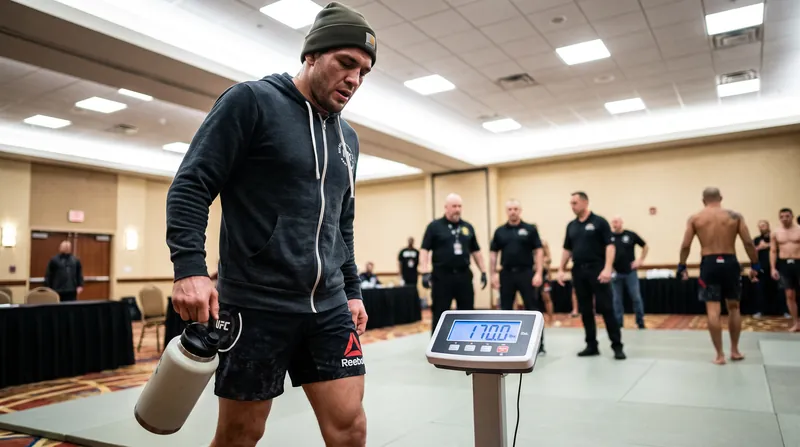
National anti-doping organizations, including USADA in the United States, Sport Integrity Australia, and Germany's NADA, have already begun preparing their testing pools for the transition. For athletes in weight-class and combat sports—where post-bout dehydration makes rapid recovery critical—shaving an hour off the testing process represents a massive quality-of-life improvement that doesn't compromise the fight for clean sport.[2][3]
The administrative side of anti-doping is also adapting to the new timeline. WADA has replaced the previous ABP Supplementary Report Form with a newly standardized Blood Collection Supplementary Report Form. Athletes will now be required to answer updated mandatory questions, including whether they are scheduled to compete within the next three days, ensuring that testing officers have the full context of the athlete's immediate physical demands.[1][4][5]
Viewpoints in depth
The 120-Minute Protocol (Legacy Standard)
The previous ultra-conservative approach designed to guarantee absolute plasma stabilization.
For: Provided an undeniable buffer against exercise-induced plasma volume shifts, ensuring that dehydration or acute cardiovascular stress could not artificially concentrate hemoglobin levels and trigger false ABP flags. Against: Created severe logistical bottlenecks for athletes, delaying post-competition nutrition, medical treatment, and media obligations by up to two hours, while increasing overtime costs for doping control officers. Evidence: Early hematological studies suggested plasma volume could take up to two hours to fully normalize after extreme endurance events, forming the basis of the original WADA rule. Fits well when: Dealing with extreme ultra-endurance events where dehydration is exceptionally severe and immediate testing is not logistically required. Does not fit when: Applied as a blanket rule across all sports, unnecessarily penalizing athletes whose blood values stabilize much faster.
The 60-Minute Protocol (2026 Standard)
The updated, evidence-based approach that balances scientific validity with athlete welfare.
For: Cuts the mandatory post-competition wait time in half, allowing athletes to begin recovery protocols, eat, and rest significantly sooner while reducing the administrative burden on testing agencies. Against: Leaves a slightly narrower margin for error if an athlete fails to properly observe the mandatory 10-minute seated rest period at the end of the hour, which is critical for final postural stabilization. Evidence: Recent clinical data reviewed by WADA's Haematological ABP Working Group demonstrated that key blood values stabilize sufficiently within 60 minutes, rendering the second hour of waiting scientifically redundant. Fits well when: Implemented across standard Olympic and professional sports where athletes need rapid access to recovery, provided the 10-minute seated protocol is strictly enforced. Does not fit when: An athlete has not exercised at all prior to testing, in which case the 60-minute wait is entirely waived in favor of a simple 10-minute seated rest.
Key points
- WADA has officially reduced the mandatory post-exercise blood collection wait time from two hours to 60 minutes.
- The updated rule takes effect globally on April 1, 2026, under the revised International Standard for Testing and Investigations.
- Recent clinical research confirms that key blood values, including plasma volume, stabilize sufficiently within one hour of physical activity.
- Athletes must spend the final 10 minutes of the 60-minute period in an upright, seated position to ensure postural stabilization.
What we don’t know
- Whether the reduced wait time will lead to an increase in the total volume of post-competition tests conducted, given the improved logistical efficiency.
- How quickly all national anti-doping organizations will be able to retrain their field officers on the new mandatory questionnaire and seated-rest protocols.
- Athlete Advocates & Competitors
- Focuses on the quality-of-life improvements and faster recovery times enabled by the reduced wait.
- Anti-Doping Scientists
- Emphasizes the clinical data proving that plasma volume stabilizes sufficiently within one hour.
- National Testing Agencies
- Prioritizes the logistical implementation and standardization of the new protocols across different sports.
Perspectives this story doesn't cover
- Event Organizers managing post-competition logistics
- Doping Control Officers executing the new protocols
Sources
Source coverage
5 outlets
3 viewpoints surfaced





- [1]World Anti-Doping AgencyAnti-Doping Scientists
WADA publishes revised 2026 International Standard for Testing and Investigations with changes to blood collection wait times for Athletes
Read on World Anti-Doping Agency → - [2]USADANational Testing Agencies
Advisory: Changes to Blood Collection Wait Times
Read on USADA → - [3]Sport Integrity AustraliaNational Testing Agencies
Changes to blood collection wait times
Read on Sport Integrity Australia → - [4]Sport ResolutionsAnti-Doping Scientists
WADA publishes revised 2026 ISTI
Read on Sport Resolutions → - [5]Inside The GamesAthlete Advocates & Competitors
WADA agrees to data reforms after privacy investigation
Read on Inside The Games →
More in Fitness
See all →Concussion Biomechanics
The Rotational Acceleration Threshold: How Angular Force Causes Shear Deformation and Concussion
8 sources

Endocannabinoid System
Anandamide, Not Endorphins: How the Endocannabinoid System Drives the Runner's High
6 sources

Biomechanics
The 3-to-1 Force Ratio: How the Ground Reaction Force in a Single-Leg Stance Dictates the Optimal Load for Grappling Strength Training
10 sources

Muscle Physiology
The Cellular Vault: How Muscle Fibers Retain Their Nuclei Through Months of Detraining
10 sources

Comments
Every angle. Every day.
Get Fitness stories with full source coverage and perspective breakdowns, free every day.